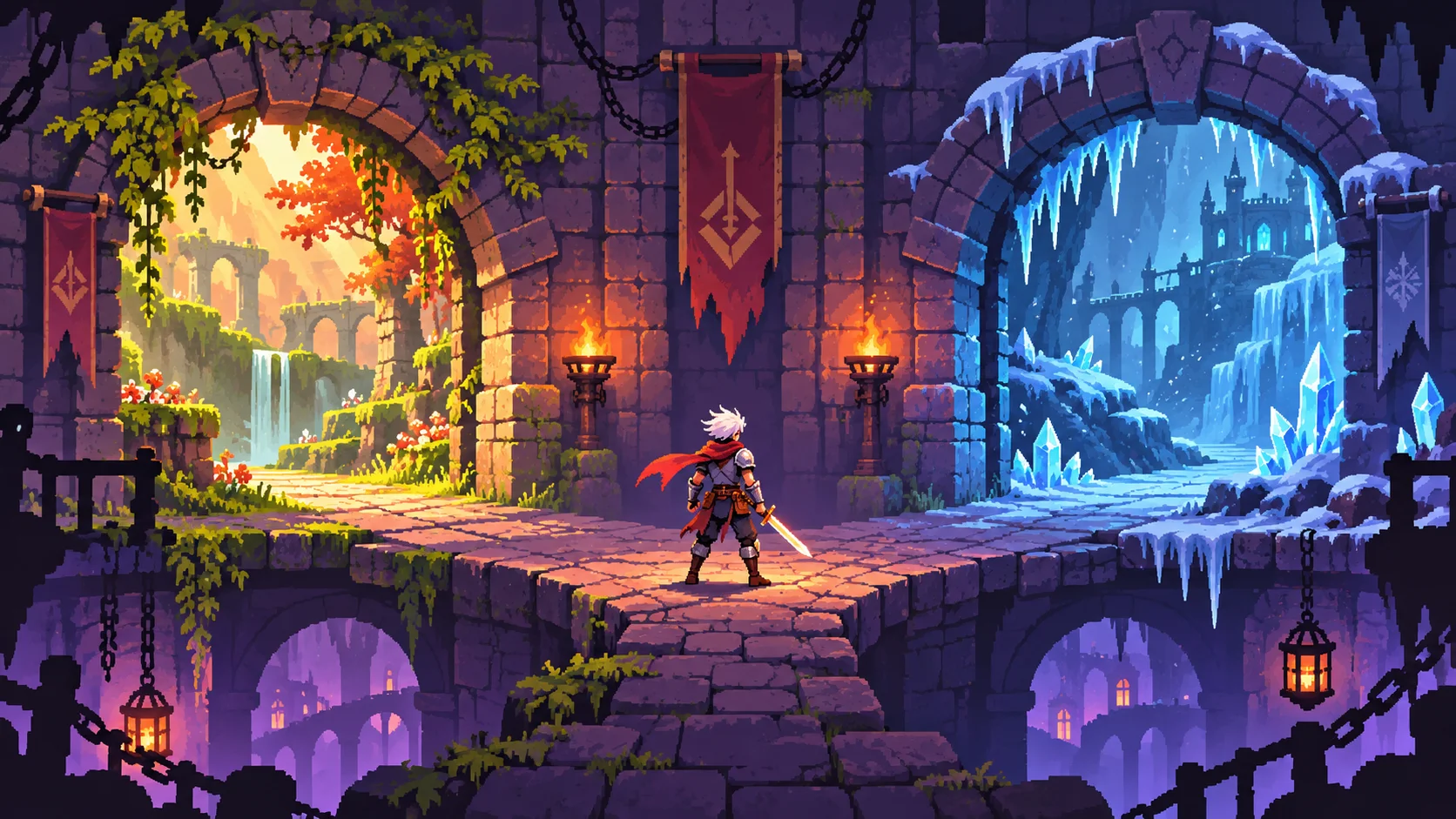
Ability-gated routes turn a new movement or utility skill into a reason to revisit an interconnected world. The player sees a route they cannot yet use, learns a capability elsewhere, and returns with a new way forward. For an original metroidvania inspired by Hollow Knight, make the gate readable, make the ability rule consistent, and plan the map so discovery rewards curiosity without trapping progress.
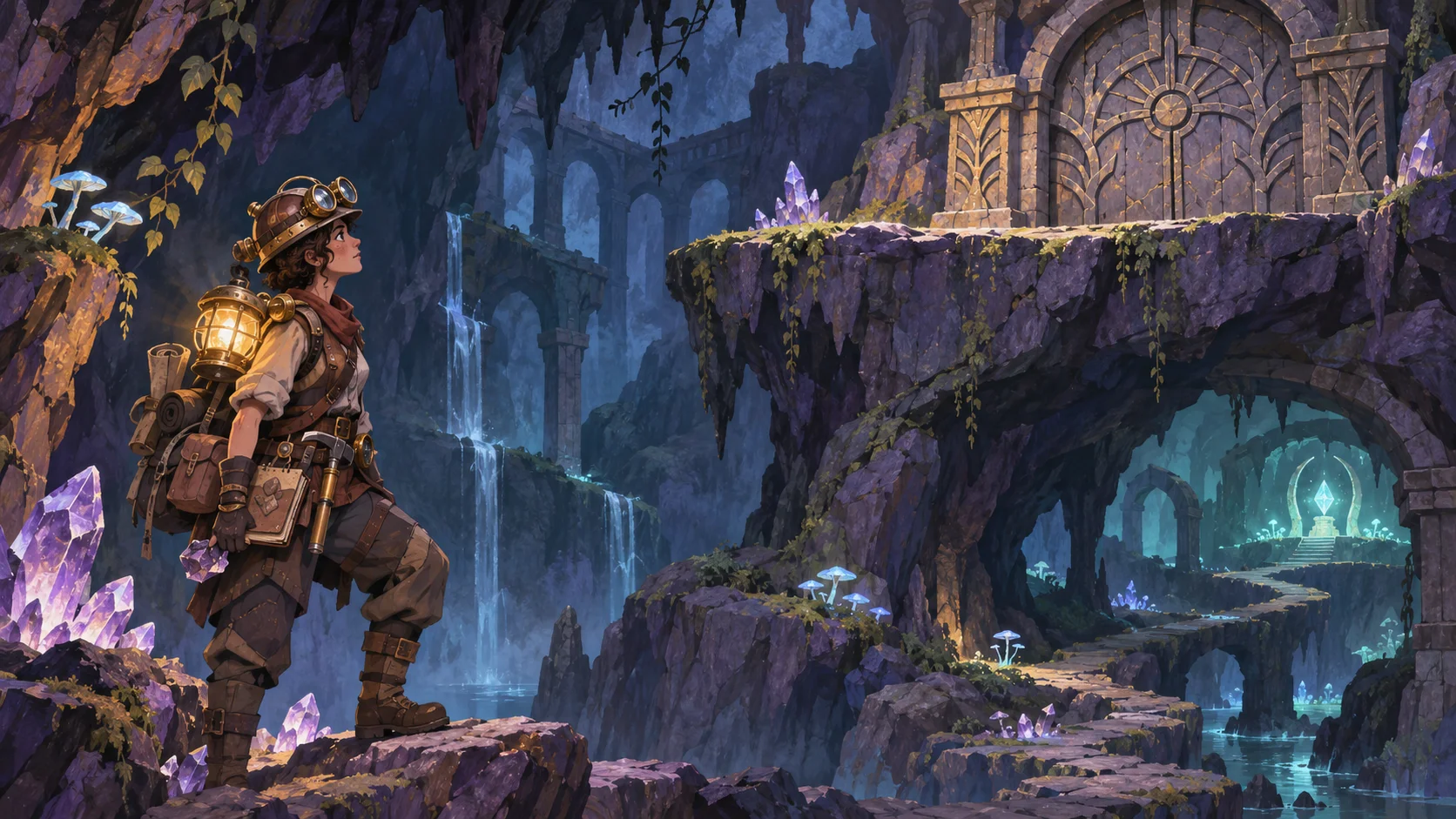
Define abilities and traversal requirements
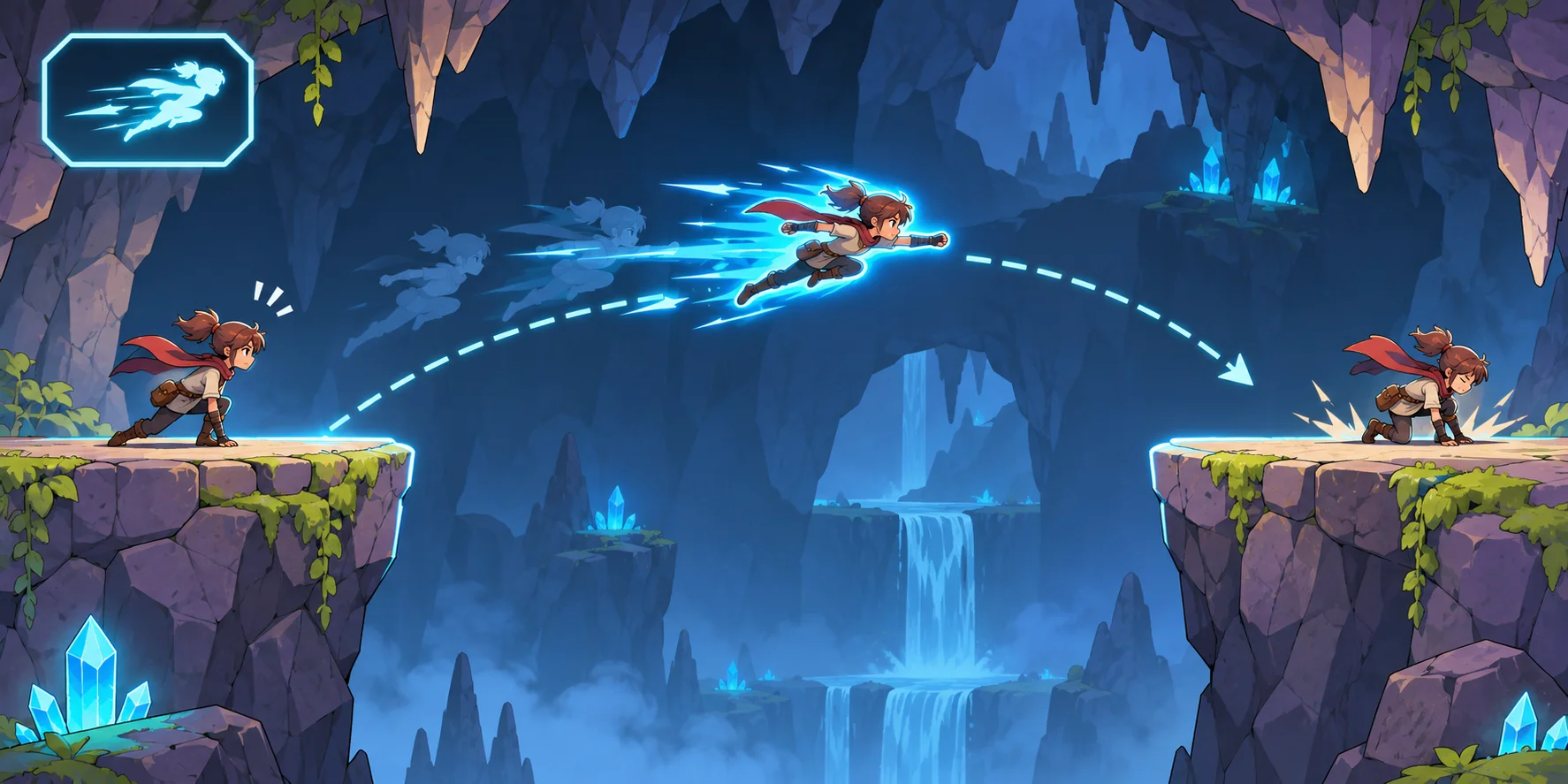
Write each ability as an action and a rule. A dash may move the character forward a fixed distance; a grapple might attach only to marked anchors; a high jump could require a nearby surface. State what the ability can and cannot do, including how it behaves in the air, near hazards, and when a move is interrupted.
Then define gates in terms of those rules. A gap can test horizontal distance; a tall ledge can test vertical reach; a sealed barrier may require an interaction ability. Keep the relationship direct enough that players can learn it through the environment. If one gate requires several unstated conditions, the player may not know whether they lack the right ability or simply missed a switch.
Hollow Knight’s official Steam page describes a vast interconnected world, a choice of paths, and new skills and abilities such as dashing and leaping to new heights. This is a broad example of movement abilities alongside exploration. It does not define a specific gate or route requirement for your game.
Signal a gate without giving away the route
Use a visual cue that suggests the kind of action needed without spelling out the solution. A long gap can imply a distance move; a distinctive anchor can suggest a tether; a ledge above the player can invite a higher jump. Keep cues consistent. When players see a similar obstacle later, they should be able to recall the ability that might help.
Teach the ability in a safe place before relying on it to gate a critical path. Let players try the action on open ground or a forgiving platform. Show its range and feedback, then introduce a low-risk use. A gate that appears before the player understands the ability can look like an arbitrary wall instead of a useful hint.
Mark blocked routes in the player’s map or journal if the world is large. A simple symbol, note, or location name can help them remember where to return. Do not reveal the exact reward if discovery matters, but make the record specific enough to distinguish one obstacle from another. This is especially useful when several areas are visited before a new capability is earned.
Connect progression to a return path
Place the ability and its gated routes on a map graph. Record where the player can go before the ability, where the ability is learned, and which previously seen paths become usable. Check that at least one route to the ability is reachable without the ability itself. Also confirm that the exit from the learning area leads back into the connected map rather than an accidental dead end.
Use gates to create useful choices. A newly opened shortcut can reduce travel time; an optional branch can reward exploration; a required path can introduce the next area. Avoid making every route depend on one skill. A few alternate paths let players choose where to explore and reduce the chance that a missed cue stops all progress.
Consider how a gate behaves when the player approaches without the ability. A short animation, distinct sound, or brief control response can confirm that something is missing. Avoid repeating a long message each time. The player should be able to leave and continue exploring without a tedious interaction that blocks movement.

Test route graphs for softlocks and clarity
Test the map as a graph before building every room. Starting at the beginning, list the reachable regions and available abilities after each important milestone. Verify that every required skill has an accessible source and that each progression gate can be passed when the ability is obtained. Try alternate orders for optional regions and make sure those orders do not trap the player.
Run a playtest where someone is not told the intended route. Note which gate cues they notice, where they expect to return, and whether the ability behaves as they predicted. If they repeatedly revisit every blocked door, improve map notes or make the visual cue more specific. If they never return to a useful branch, make the reward or route connection clearer.
Test edge cases such as entering from the wrong side, falling after starting a move, or attempting a dash with insufficient space. A traversal ability should fail consistently and communicate why. AI can help draft a room graph or list gate scenarios, but navigation needs to be tested against the actual map. You can use Seele’s AI game maker to start an original metroidvania prototype, then validate each new route in playtests.
Frequently asked questions
How do ability-gated routes work in a metroidvania?
A route requires a movement or utility action the player learns elsewhere. The gate hints at the needed capability, and returning with it opens a new path, shortcut, or optional reward in the connected map. Show the resulting connection on the map so backtracking feels intentional.
How should a game signal a route is ability-gated?
Use a consistent environmental cue that suggests the action, such as a wide gap, high ledge, or visible anchor. Teach the matching ability safely before relying on it to block critical progress. Players should recognize the matching gate later without a repeated tutorial prompt.
How do you prevent ability gates from feeling arbitrary?
Define the ability’s limits clearly, show the gate’s relevant shape or interaction, and keep similar cues consistent across the map. Let players test the ability before expecting them to use it in a high-risk area. This lets players infer the rule instead of guessing at hidden requirements.
How can you test a map for softlocks?
Map reachable regions and required abilities after each milestone, then try alternate exploration orders. Confirm that every required ability can be acquired before its critical gate and that each gate has a valid exit path. Test each required path from a clean start and from every allowed branch.