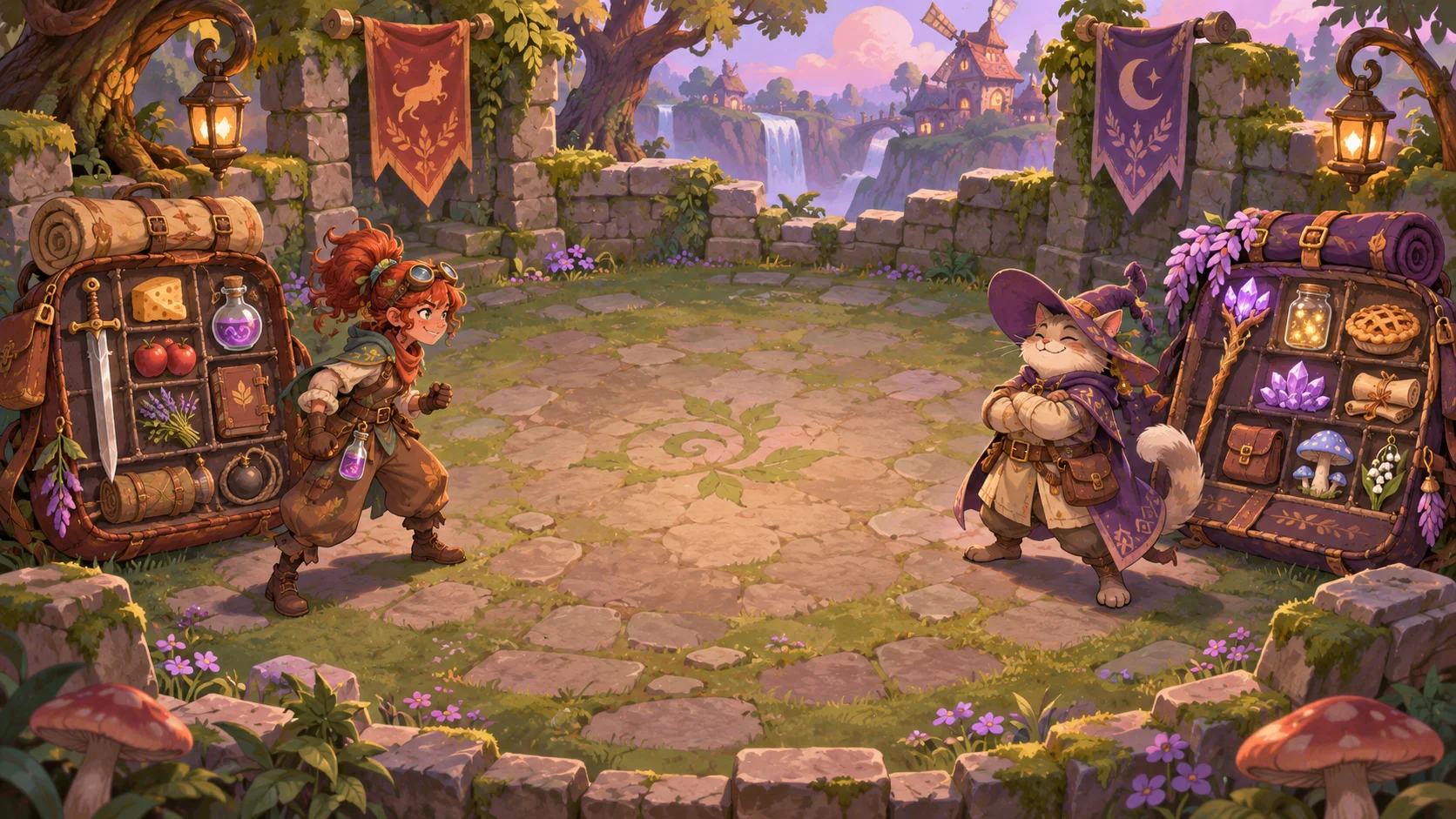
A varied roguelike roster works when each character changes a decision players can recognize, while the rest of combat still behaves predictably. Dicey Dungeons’ official listing describes six characters with distinct play styles and abilities. The class concepts and rule framework here are original and use that listing only as a broad roster reference.
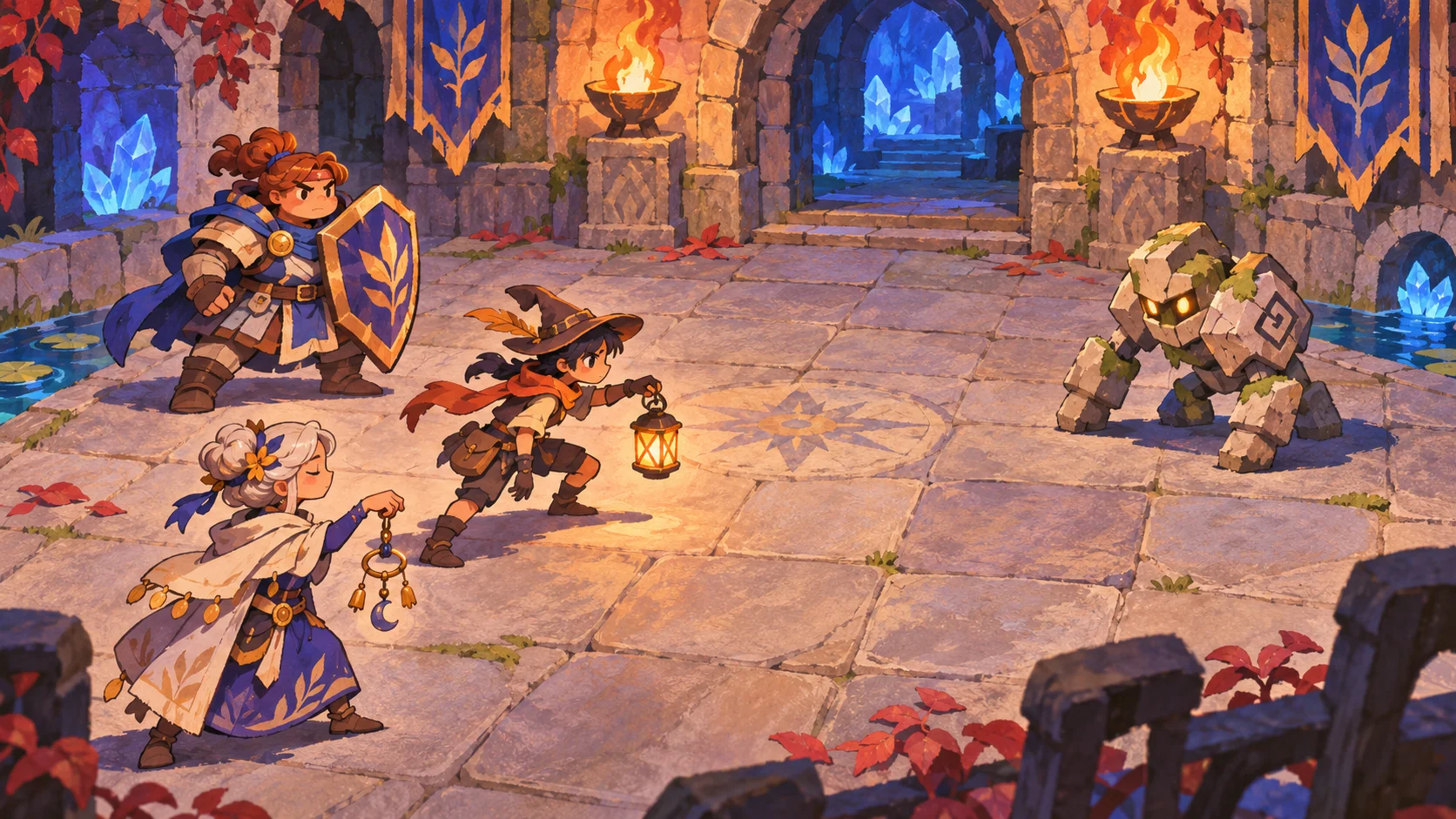
Set a shared combat contract
Write down the rules that apply to every character: when a turn begins, how a target is selected, when damage resolves, and how status effects expire. These invariants are the common language of the roster. A character can change how a resource is gained or used, but players should not have to relearn basic timing every run.
Use a simple example encounter to test the baseline. A guardian telegraphs an attack, the player chooses an action, defense resolves, and the enemy’s state updates. Record the sequence in plain language. When a class rule changes one step, make the change explicit and keep the surrounding order consistent.
Tell players which rules are shared before introducing character-specific exceptions. A concise roster preview can state the signature decision and its tradeoff. This helps a player choose a style knowingly, rather than selecting a portrait and discovering a hidden control rule several turns later.
Give each character a distinct decision
Build identity around a question the character asks every turn. A shield bearer may decide whether to absorb an attack now or spend defense to set up a counter. A lantern scout might trade a resource for a safer path through a room. A charm keeper could hold a token for a stronger later effect or use it to prevent an immediate status. These are original archetypes, not implementations from the reference game.
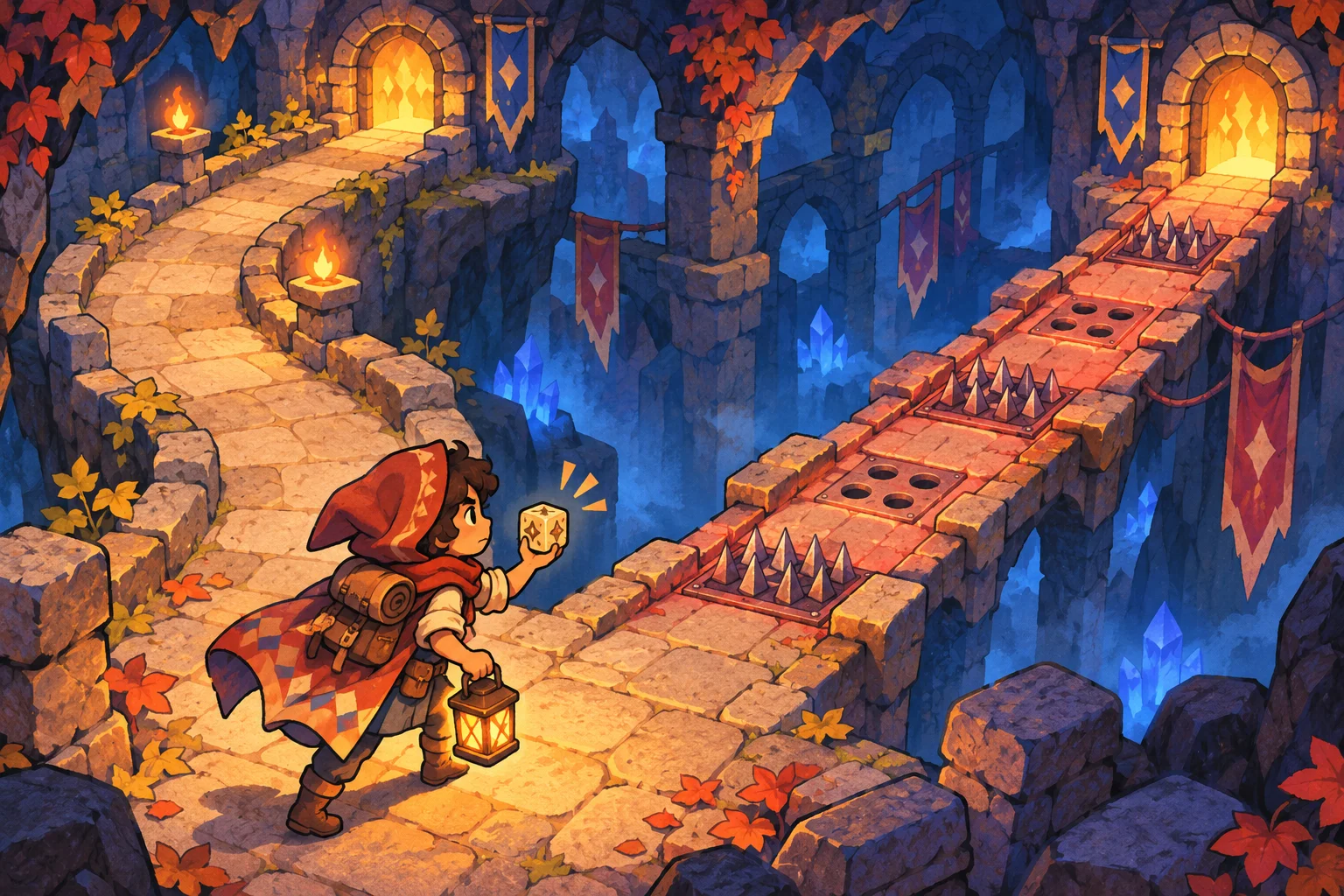
Use one primary rule and a small number of supporting effects. If every tool changes a different timing rule, the character becomes a collection of exceptions rather than a coherent style. Supporting abilities should reward the signature decision, create a clear risk, or offer a counterplay option when the preferred plan is unavailable.
Compare the characters in a table with four fields: signature decision, best opportunity, meaningful drawback, and one example turn. If two rows produce the same decision, change one mechanic rather than adding more numerical modifiers. Distinctness comes from what the player chooses, not only from larger damage values.
Control exceptions and combinations
Give character effects the same trigger timing language as equipment and enemy actions. State whether a passive effect happens before a roll, after a target is chosen, or when damage is applied. The event order should remain stable when a character rule and an item effect activate together.
Test combinations that can break assumptions: a character converts defense into damage while an item consumes defense; an enemy changes target after a dodge; a status expires at the same moment a character gains a resource. Decide which effect wins or whether both apply, then surface that result in the combat log or animation.
Avoid exceptions that depend on hidden item order or the current screen layout. If the class has a genuine special timing rule, preview it and repeat it consistently. A player should be able to describe why an ability worked after seeing one clear example.
Teach the identity and test the roster
Before a run, preview the signature mechanic, one drawback, and a short sample turn. During play, make the mechanic’s state visible and show when it is ready. This gives the player enough information to decide whether the style fits without turning a roster screen into a full rulebook.
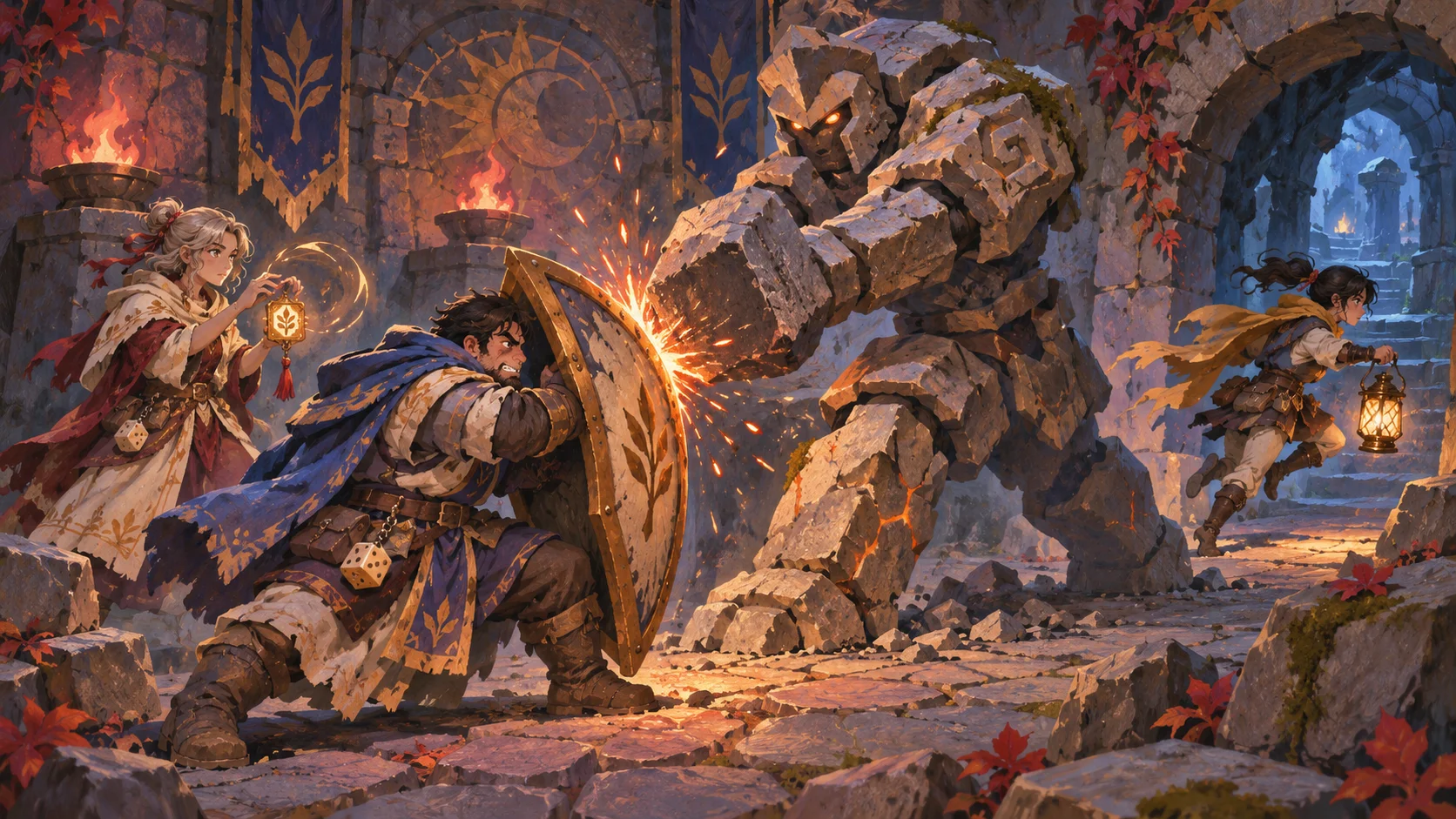
Test every character in the same baseline encounters and compare both results and explanations. Ask testers to predict what their signature action will do, then ask what they would change after a loss. Track unused tools, dominant combos, rule confusion, and points where a player could not see the mechanic’s state.
Prototype the roster from written class cards with SEELE AI’s game-studio capability, then verify the actual turns and state changes against those cards. The capability description supports starting from a game idea; it does not establish a particular dice system, balance, or automatically implemented class mechanic.
For combat-resolution details, see the automatic-battle guide. To prototype an original roster, start a game draft.
FAQ
How do you design character-specific rules in a roguelike?
Start with a shared combat contract for turns, targets, and status effects. Then give each character one rule that changes a meaningful decision, such as how they spend a resource or manage risk. Add supporting effects only when they reinforce that decision, and test the shared edge cases across the full roster.
How many unique mechanics should a character have?
Use the smallest number that creates a distinct decision pattern. One signature mechanic plus a few compatible tools is often easier to teach than a bundle of unrelated exceptions. Add another rule only if it creates a new choice players can notice and use during ordinary turns.
How can character abilities share a combat system?
Give all abilities a common timing model, target contract, and state-update order. Let a character alter a specific input or outcome without silently changing the meaning of shared terms. Preview when the ability acts and test it with the same equipment, enemy states, and status effects used by other characters.
How do you balance a roster with different rules?
Compare characters across the same encounter seeds and record what decisions their mechanics make available. Track completion, unused abilities, dominant combinations, and moments players cannot explain. Tune the cause of a mismatch, then replay the same cases; equal win rates alone do not prove that the roster offers equally clear or satisfying choices.