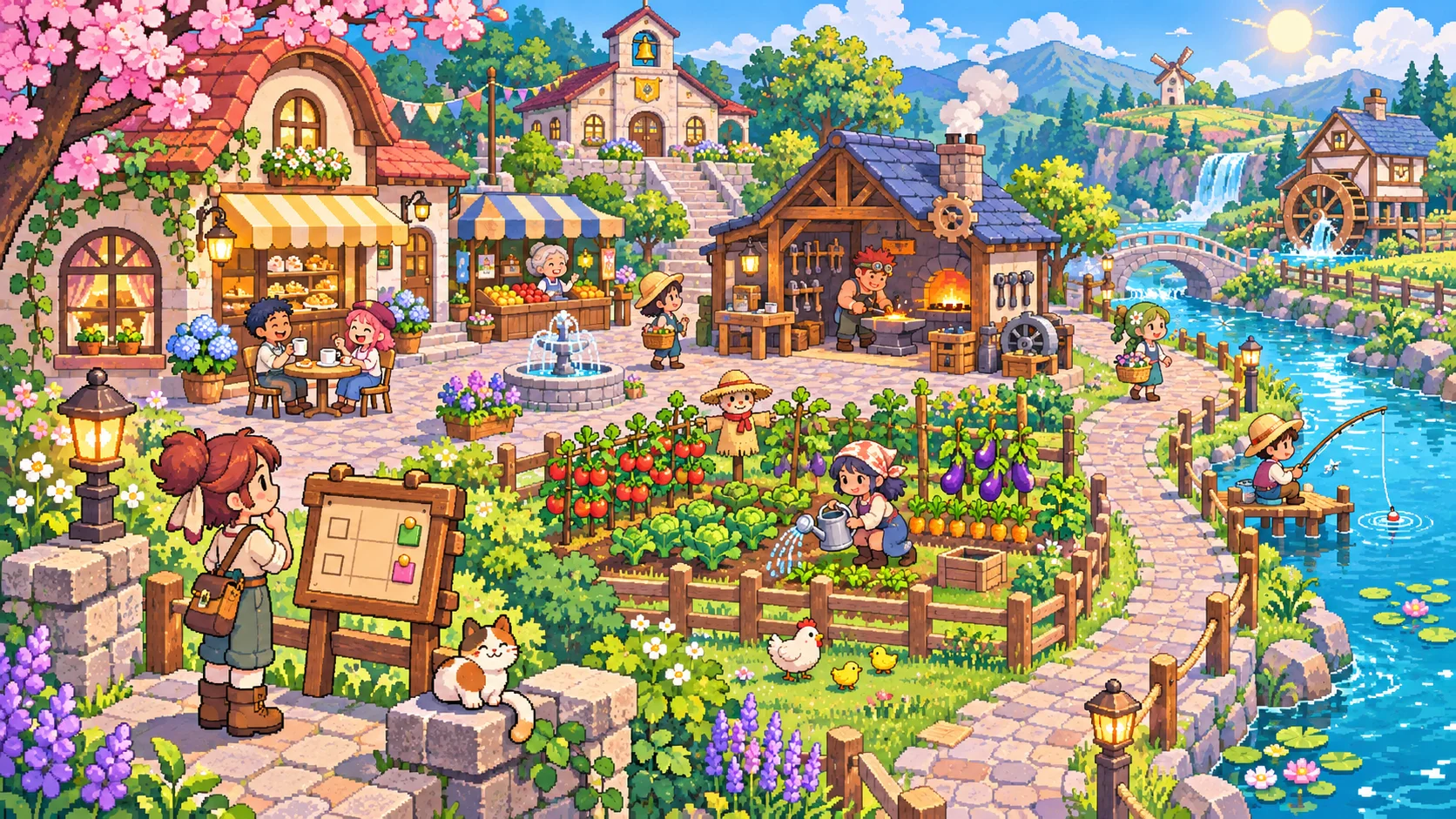
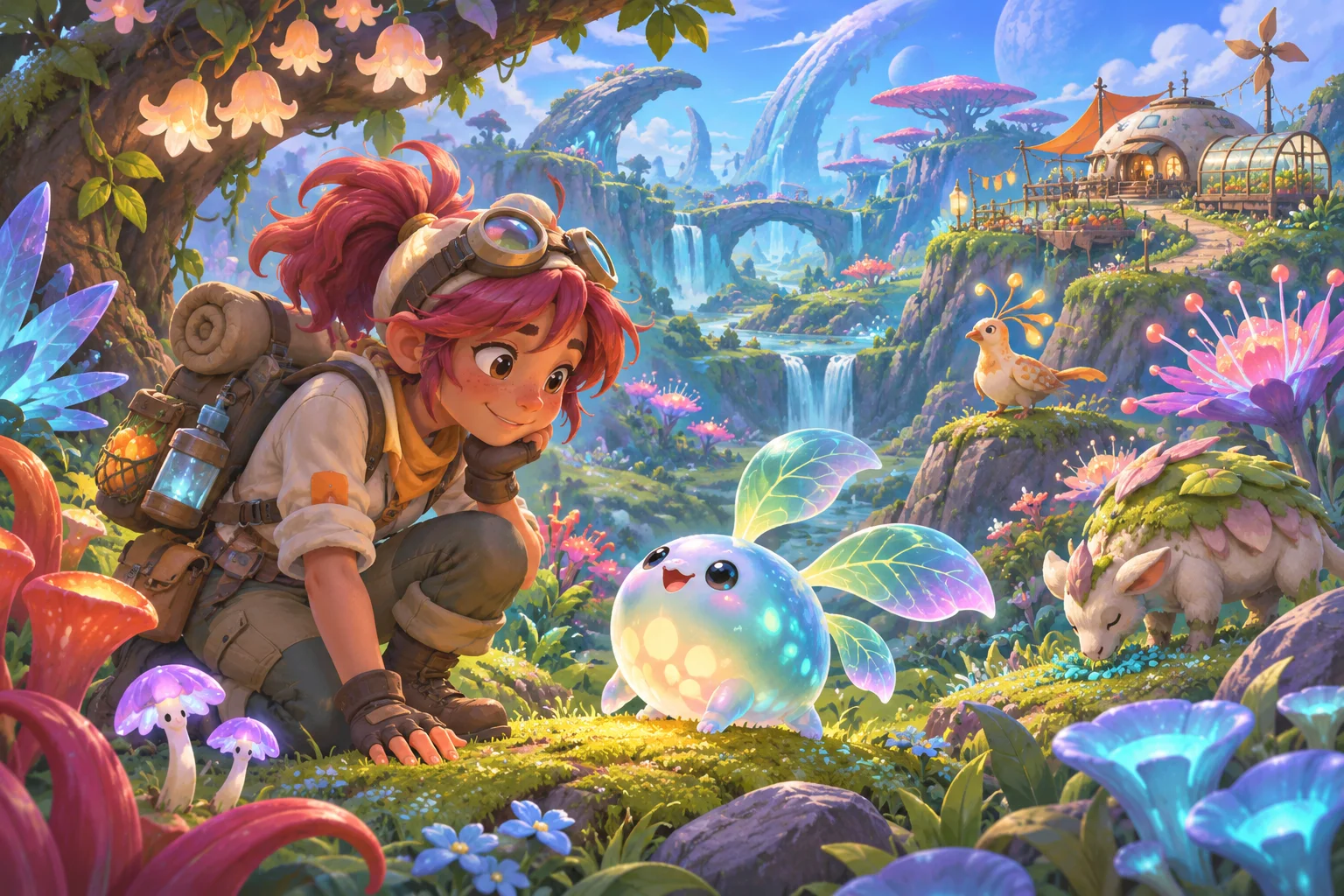
Crafting activities can make a cozy management game feel tactile when each task has a clear purpose, a satisfying action, and a useful result. Thunder Lotus describes Spiritfarer as a boat-building management adventure about caring for spirit friends, with farming, mining, fishing, cooking, and crafting. The specific activity design in this guide is original.

Tie each craft to a useful player goal
Crafting activities feel grounded when a finished item has a visible purpose. Thunder Lotus describes Spiritfarer as a cozy management game about building a boat, caring for spirit friends, and farming, mining, fishing, cooking, and crafting. This public activity context is useful for the topic; the specific interactions below are original proposals.
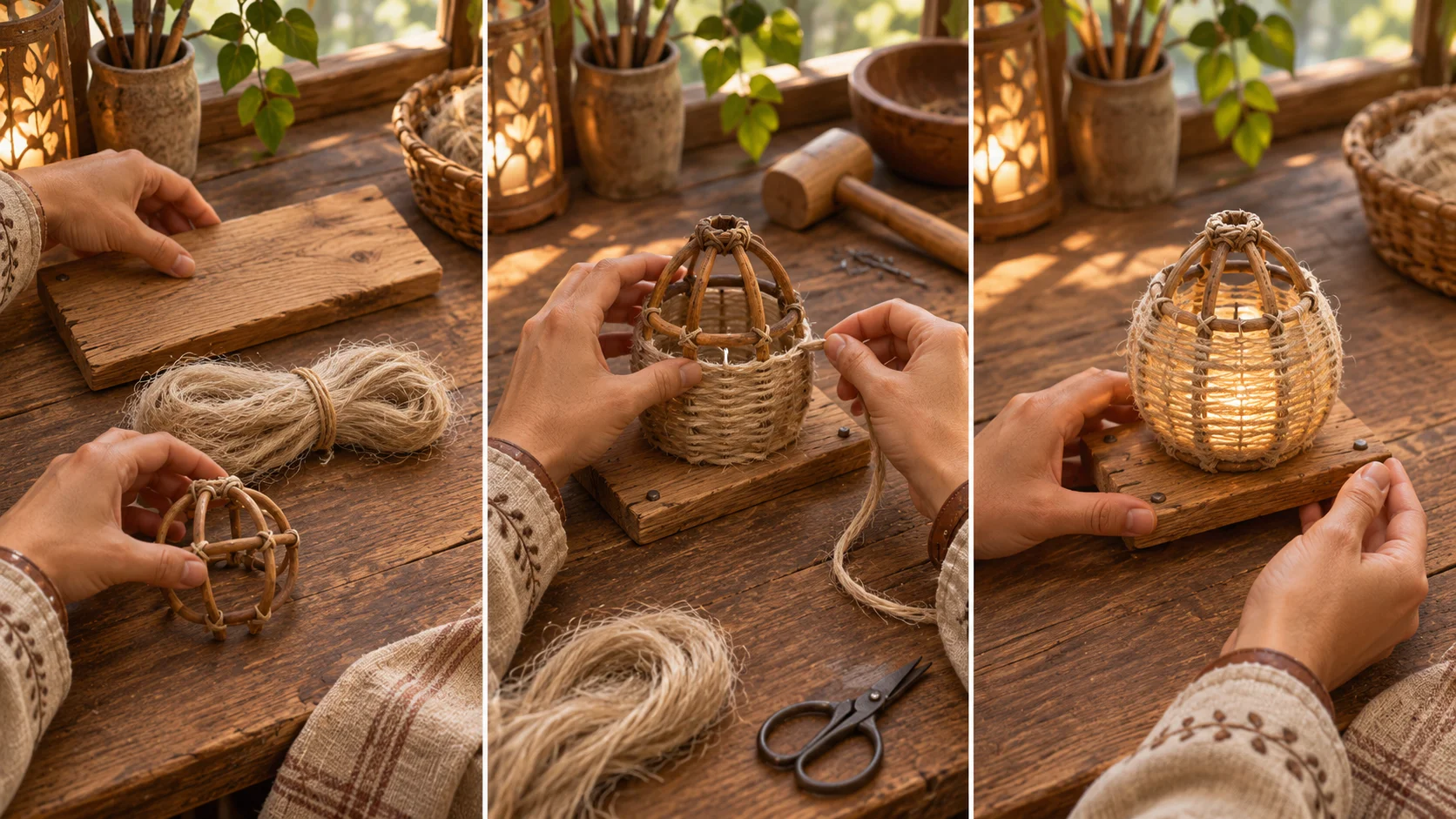
Start with the outcome, then choose an action that suits the material. A repaired cabin fixture may require measuring and joining boards; a meal may involve selecting ingredients and choosing how long to cook; a keepsake may involve shaping a small object. Each action should express something about the item rather than exist only to fill time.
Show the inputs and result near the activity. If a craft supports a passenger’s comfort or a travel upgrade, let players see that connection before they begin. That context makes a simple interaction feel like part of the management loop. Avoid hiding important requirements behind a minigame that only reveals its goal after the player has committed scarce materials.
Make activities feel distinct through interaction
An activity can be tactile without demanding complex controls. Choose one central decision for each craft: place components, adjust pressure, follow a shape, balance heat, or choose the order of steps. Keep the interaction consistent with its materials and provide an immediate response when the player succeeds.
Use visual and sound feedback to communicate progress. A piece that seats correctly can click into place; a fabric can tighten when tension is right; ingredients can change texture as they cook. These cues help players understand the task without reading dense instructions. For accessibility, provide alternate input timing, clear contrast, and a way to pause or resume.
Make activities distinct through meaningful choices, not a large number of controls. A woodworking task may reward precision, while a meal preparation task may reward selecting the right combination. Avoid creating separate control schemes for every recipe. A small family of interactions lets players learn transferable skills while still noticing the difference between crafts.
Keep effort and timing in a cozy range
A cozy management loop can include challenge, but the cost of failure should fit the tone. If a player makes one timing mistake, consider reducing quality or adding a small delay rather than consuming all the material. Save high stakes for activities where players understand the risk and have a meaningful reason to accept it.
Keep repeated actions short. A first craft can teach every step; later versions can shorten familiar setup or let players batch common tasks. Ask whether the player makes a decision each time. If a repeated action has become a wait, automate it or let the player prepare multiple items at once.
Time activities in relation to the surrounding day and travel rhythm. A long craft can become a deliberate choice if the player can do something else while it completes. If it blocks movement or relationship interactions, show the duration and give players a way to cancel or queue work. The goal is to create a calm rhythm, not a hidden time tax.
Test how crafting supports care and travel
Test the full loop from need to activity to outcome. Give players a reason to craft, then observe whether they can locate materials, understand the interaction, and recognize what changed afterward. Record time to start, retries, abandoned tasks, and whether players make the connection between the crafted item and a relationship or travel goal.
Ask which step felt satisfying and which felt like a chore. If players enjoy the tactile action but cannot see its purpose, improve the surrounding feedback. If they value the result but resent repeating the minigame, reduce repetition or vary the interaction. A short survey can supplement observation, but direct behavior often reveals where the activity interrupts the larger loop.
Finally, test with different input preferences and accessibility needs. A timing task should not depend on a narrow window unless that challenge is central to the game. Keep an option for slower or more direct interaction when appropriate. Update activities from playtest evidence so crafting remains a source of agency and care rather than a gate between story beats.

Related guide
For another original game system built around player care and resource gathering, see the guide to resource collection in a cozy RPG.
Frequently asked questions
How do you design crafting activities for a cozy game?
Begin with the practical or emotional purpose of the crafted item, then choose an interaction that makes its material feel tangible. Show the required inputs, make each action easy to understand, and confirm progress with clear feedback. Keep the task connected to a larger goal such as caring for a passenger or improving a shared space.
How can crafting minigames feel different?
Vary the decision the player makes, not only the animation. One activity might require arranging pieces, another matching pressure to a material, and a third choosing a safe sequence. Keep shared controls consistent and introduce each interaction with a low-stakes example so players can learn without a long explanation.
Should crafting activities use timing challenges?
Timing can add tactile engagement when it fits the material and remains forgiving. Use a generous window, clear feedback, and a way to retry without losing valuable supplies. If the game’s tone is calm, consider letting timing affect quality or speed rather than making one missed input block a needed item.
How do you keep crafting from becoming repetitive?
Make activities short, varied, and relevant to current goals. Reuse familiar actions when they reinforce mastery, but change the material, context, or choice that matters. Observe whether players want to repeat the activity or simply wait for it to finish; automate low-value repetition when it no longer creates a decision.
Prototype a crafting activity
Use AI to explore interaction variants and prepare a playtest matrix, then test the tactile feel and emotional fit in the prototype. The team should choose the activity rules, accessibility options, and material costs. Start a game project with Seele.