Fishing equipment progression can create new choices around casting, bait, lure presentation, and personal style. WEBFISHING’s official listing describes rods, baits, and lures as upgradeable gear, along with cosmetics and props. The progression effects and balancing advice in this guide are original proposals for another social fishing game.
Decide which equipment changes the fishing experience
Equipment progression can make fishing feel more expressive when each item changes a decision players can notice. WEBFISHING’s official Steam listing describes upgrading gear with new baits, lures, and rods, alongside collecting cosmetics and props. That public equipment context is the only reference fact here; the progression model is original guidance.
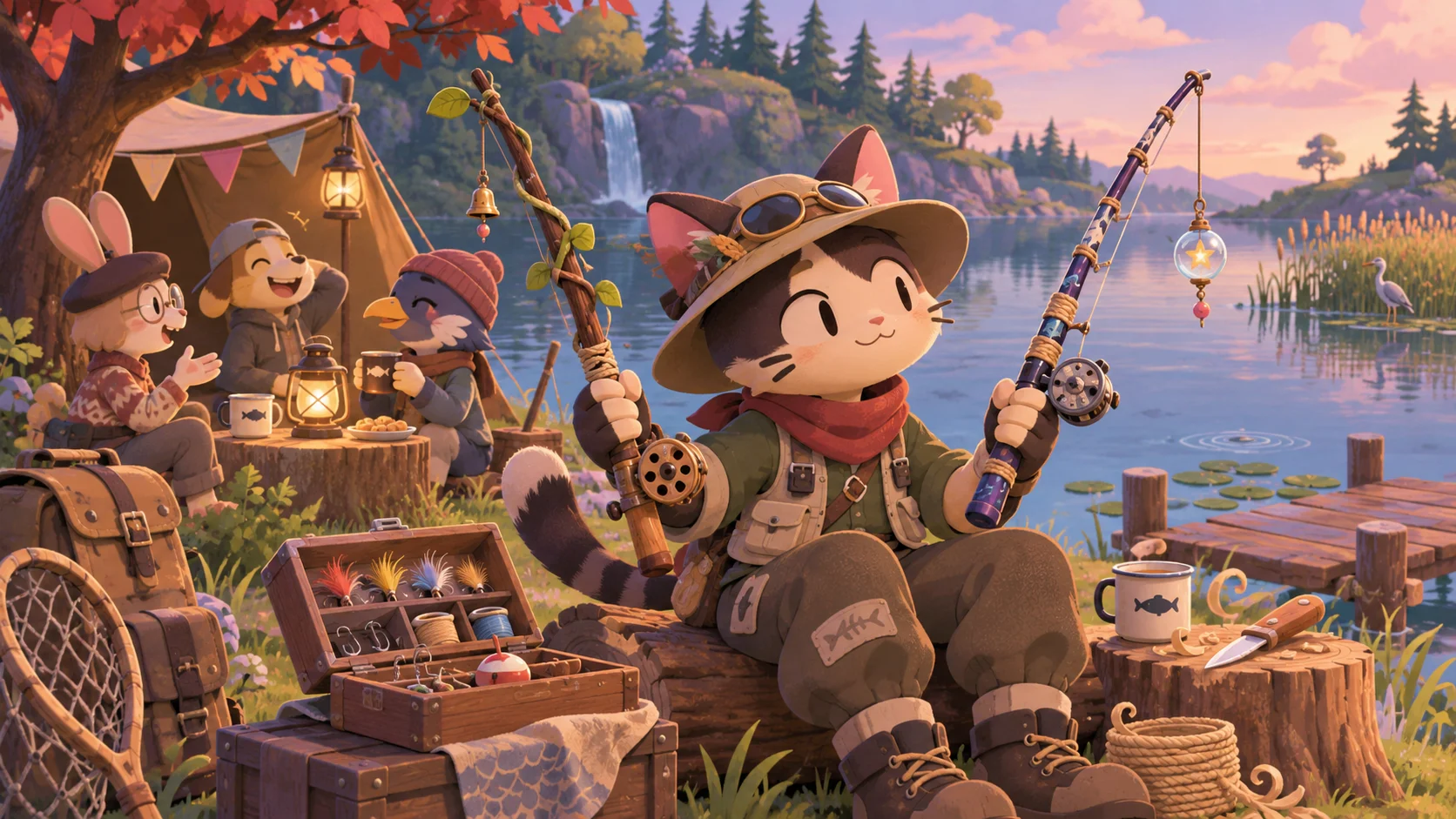
Separate function from expression. A rod can change casting control or distance; bait can alter which fish respond; a lure can invite a different presentation; cosmetics can personalize the player or campsite. Keep these categories clear so players know which items change the activity and which simply help them express a style.
Give each upgrade one primary promise. “This rod is easier to control near reeds” is more useful than a vague “better fishing” label. Show a preview or short test cast before purchase when possible. The player should be able to compare a specialized advantage with the comfort of familiar starter gear.
Teach rods, bait, and lures through clear effects
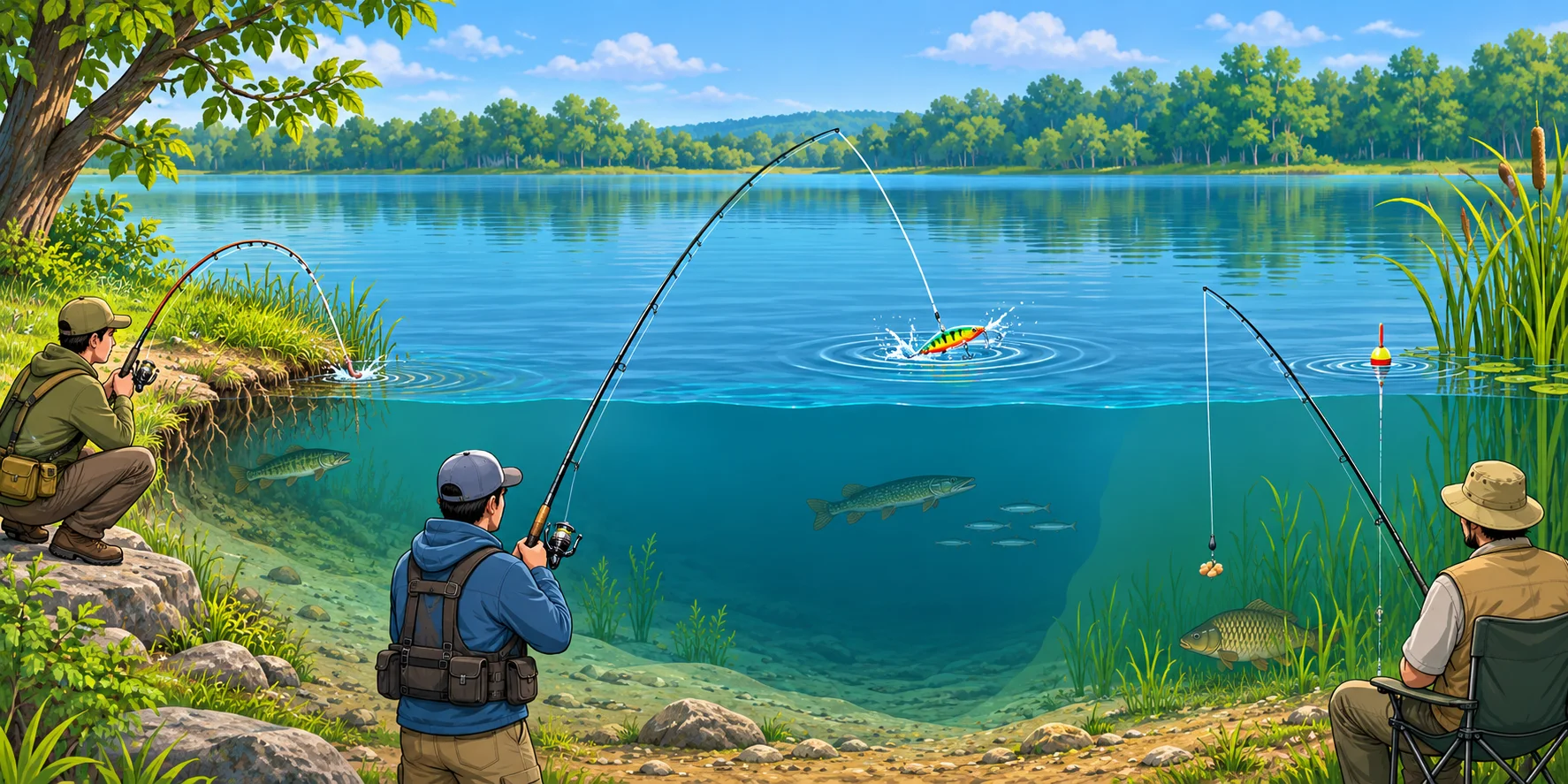
Introduce gear effects in a low-pressure spot. Let players cast with a starter rod, then try a new item where its strength is visible. A lure might create a different water ripple; bait might attract a distinct set of fish. Make the difference observable without requiring a long tutorial or a hidden stat sheet.
Use consistent catch cues. Line tension, bobber motion, or a fish silhouette can signal what is happening. A tool upgrade should not change these signals unpredictably. If it improves control, show how the line reacts; if it changes attraction, let the player see what approaches the bait.
Let players keep several setups ready. Switching rods and lures should be quick enough to encourage experimentation, but not so automatic that equipment choice disappears. A tackle box or quick preset can make social fishing more relaxed while preserving a reason to prepare for a particular spot.
Preserve expression and value across upgrades
Functional upgrades should widen the player’s options rather than replace all earlier gear. A longer rod can reach distant water, while a short rod remains easier to use near obstacles. A specialized lure can attract a rare species, while common bait works reliably in familiar locations. These tradeoffs create personal preferences.
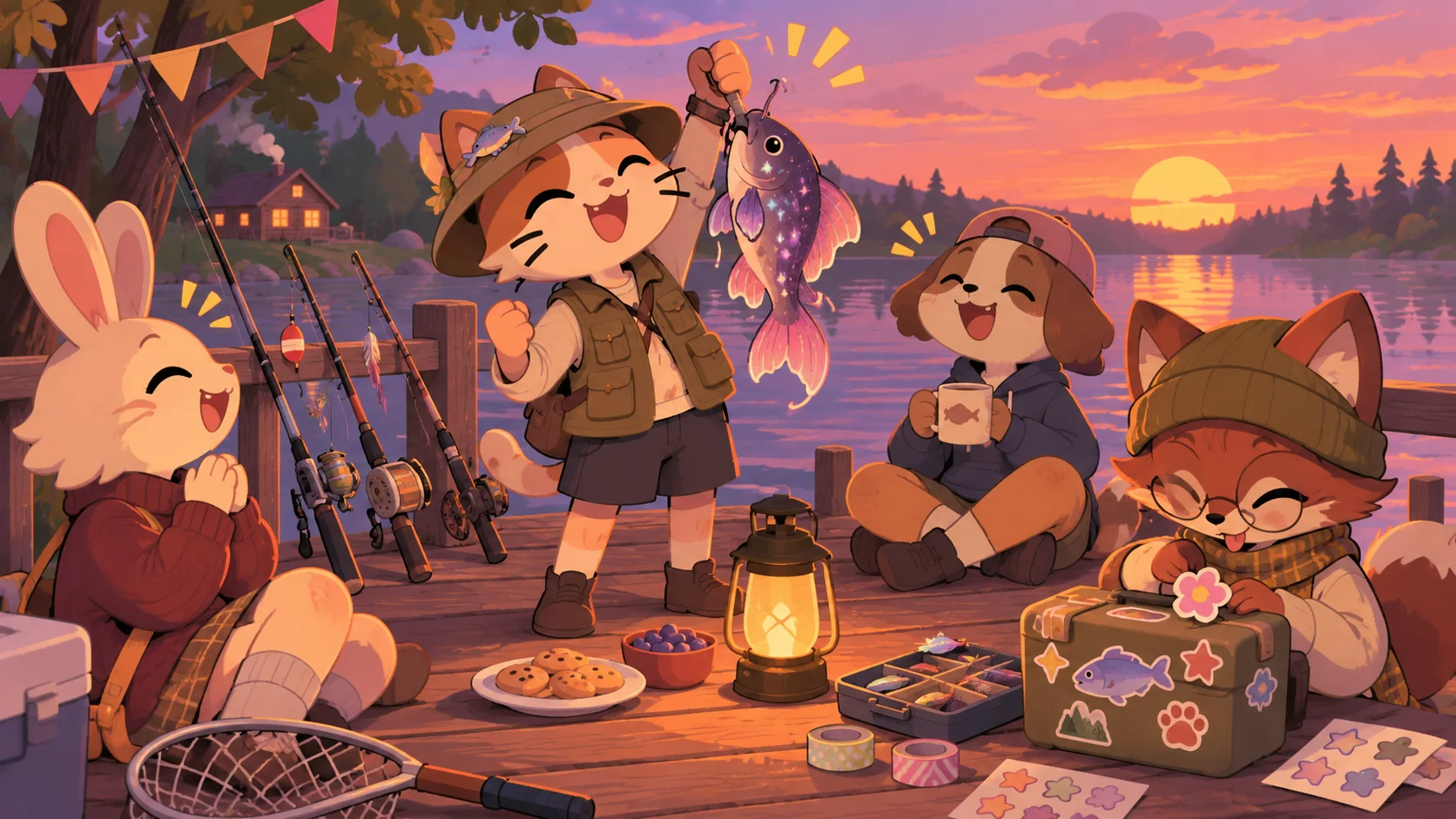
Cosmetic progression can reward exploration and social play without affecting balance. Campsite props, color patterns, hats, and tackle decorations let players personalize shared spaces. Keep cosmetics readable in multiplayer: avoid effects that obscure other players, fish silhouettes, or line direction.
Make unlocks attainable through more than one activity when the game supports relaxed play. A player can earn a new lure by exploring, completing an optional request, or joining a group outing. Avoid forcing repetitive catch quotas if the intended experience is social and unhurried.
Test progression with different play styles
Test the gear curve with players who prefer different activities. One may explore every shoreline; another may fish socially near a shared camp; a third may chase rare catches. Track equipment use, cast failure, species variety, switching frequency, and the upgrades players value. Ask what they believe each item changes before revealing the design notes.
Check whether specialized gear creates a visible benefit and a fair tradeoff. If one rod dominates every location, adjust its range or handling. If players never use a lure because they cannot tell when it works, improve feedback before changing its odds. Make sure catch chances remain understandable and do not depend on uncommunicated gear rules.
Finally, test starter gear late in progression. A familiar rod should remain comfortable for some locations or play styles, while new equipment expands what the player can try. Progression succeeds when players have favorite setups and still feel curious about the next one.
Related guide
For another progression system that keeps earlier tools useful, see the guide to cleaning equipment progression.
Frequently asked questions
How do you design equipment progression in a fishing game?
Give each new item a clear effect on casting, lure presentation, depth, or catch handling. Introduce one difference at a time and let players try it in a safe location. Preserve meaningful choices so equipment adds options rather than making every previous rod obsolete.
What should a fishing rod upgrade change?
A rod can affect casting distance, control, line resilience, or the range of bait and lures it supports. Choose effects that players can notice during ordinary play and explain them before purchase. Avoid stacking several hidden bonuses that make it difficult to understand why a catch succeeded.
How can cosmetic gear remain rewarding?
Cosmetics can express identity, mark a shared memory, or personalize a campsite without changing catch odds. Let players earn or find items through exploration and social play, and make them easy to equip. Keep visual options readable so a cosmetic does not obscure another player’s fishing line or catch cues.
How do you keep early equipment useful?
Give starter gear reliable performance in common spots or a simple control advantage, while later gear opens specialized choices. Include fish or conditions where lightweight or short-range equipment remains comfortable. Test whether players keep a favorite item for its feel instead of replacing it automatically.
Prototype fishing gear
Use AI to outline gear effect combinations and catch scenarios, then validate feedback, social readability, and equipment balance in multiplayer playtests. Designers should set the intended pace and decide what each upgrade actually changes. Start a game project with Seele.