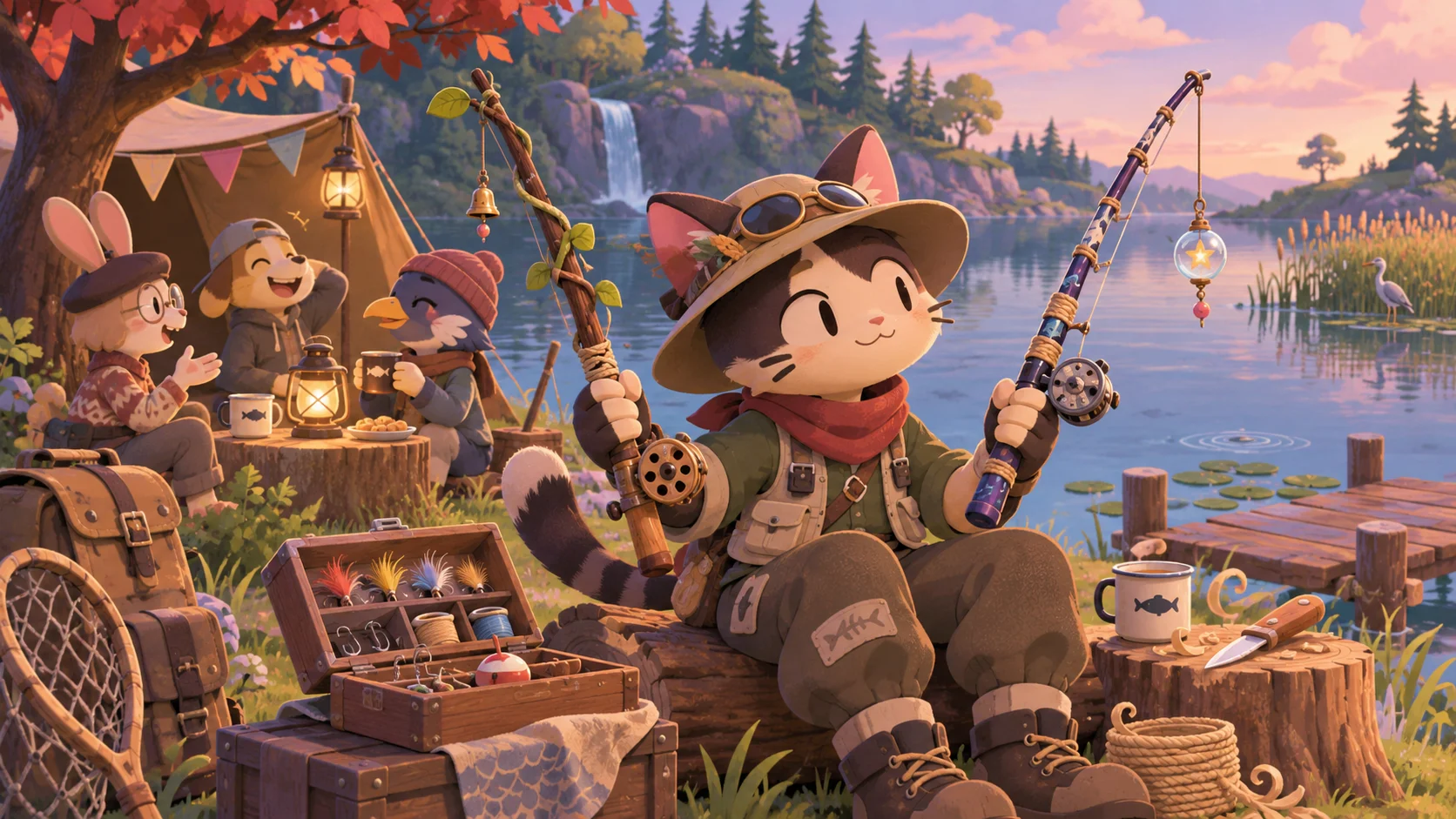
Creature collection feels more meaningful when discovering a species leads to new questions about its behavior and care. Players need readable clues in the world, a clear acquisition choice, and a habitat system they can understand. Slime Rancher’s official listing describes collecting colorful slimes, growing crops, harvesting resources, and exploring; this guide proposes original systems for a new creature-care adventure.
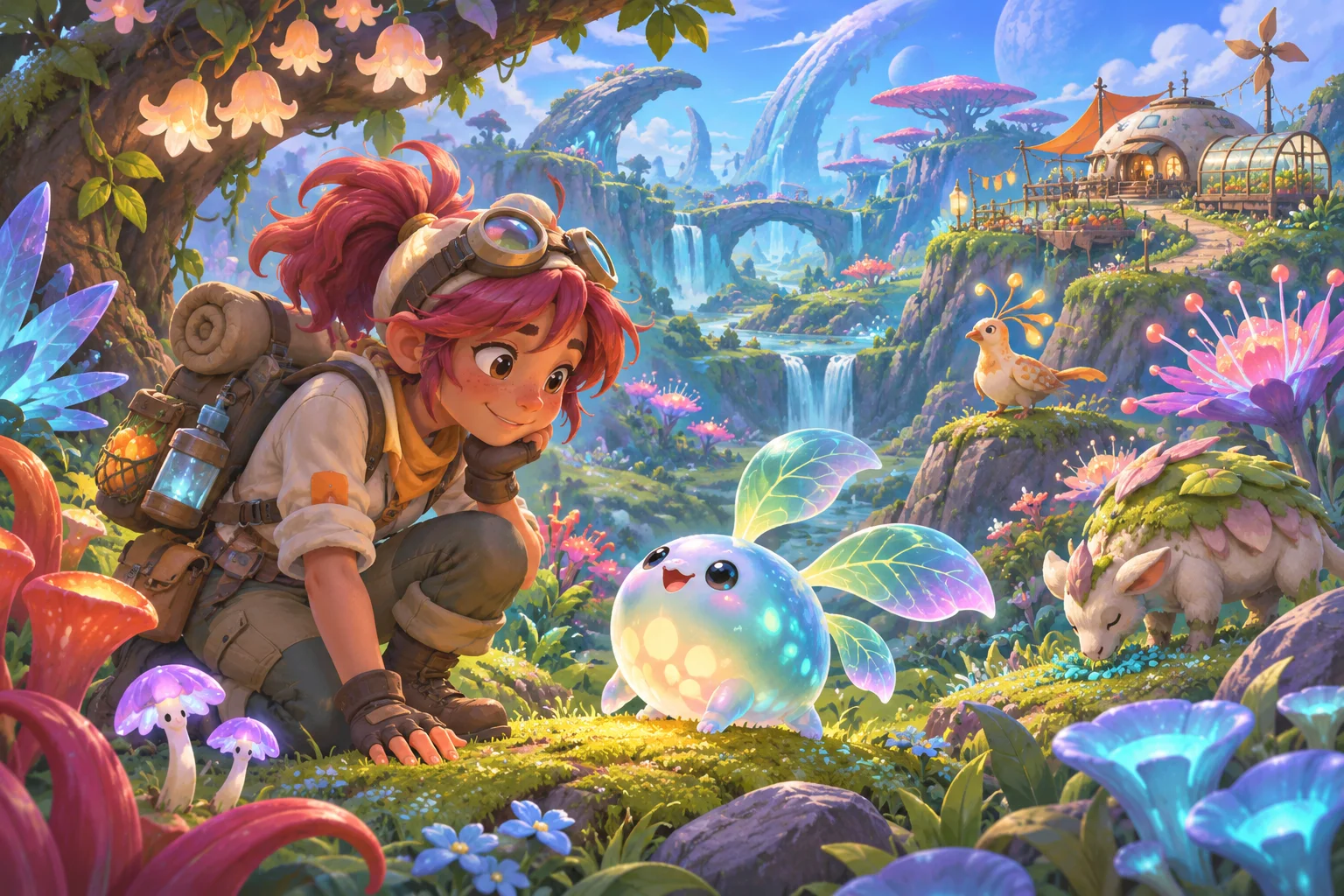
Make discovery a meaningful collection goal
Creature collection can make exploration memorable when a new find changes what the player notices or does. Slime Rancher’s official Steam listing describes collecting colorful slimes, growing crops, harvesting resources, and exploring. This public description provides genre context only; the species, capture decisions, and care model in this guide are original.
Start with the role each creature plays in the experience. It may reveal a new location, react to a habitat feature, help the player understand an ecosystem, or simply create a caring relationship. A collection entry should record something useful about discovery or behavior, not just add a portrait to a grid. Decide whether the player’s goal is observation, rescue, companionship, farming, or a blend, then keep the acquisition mechanics aligned with that tone.
Give each creature a discovery clue. Tracks, calls, feeding traces, or a habitat disturbance can suggest what lives nearby. The player can prepare with an appropriate tool or food before the encounter. That small inference creates a moment of agency before capture and helps the creature feel connected to its environment.
Communicate creature traits before capture
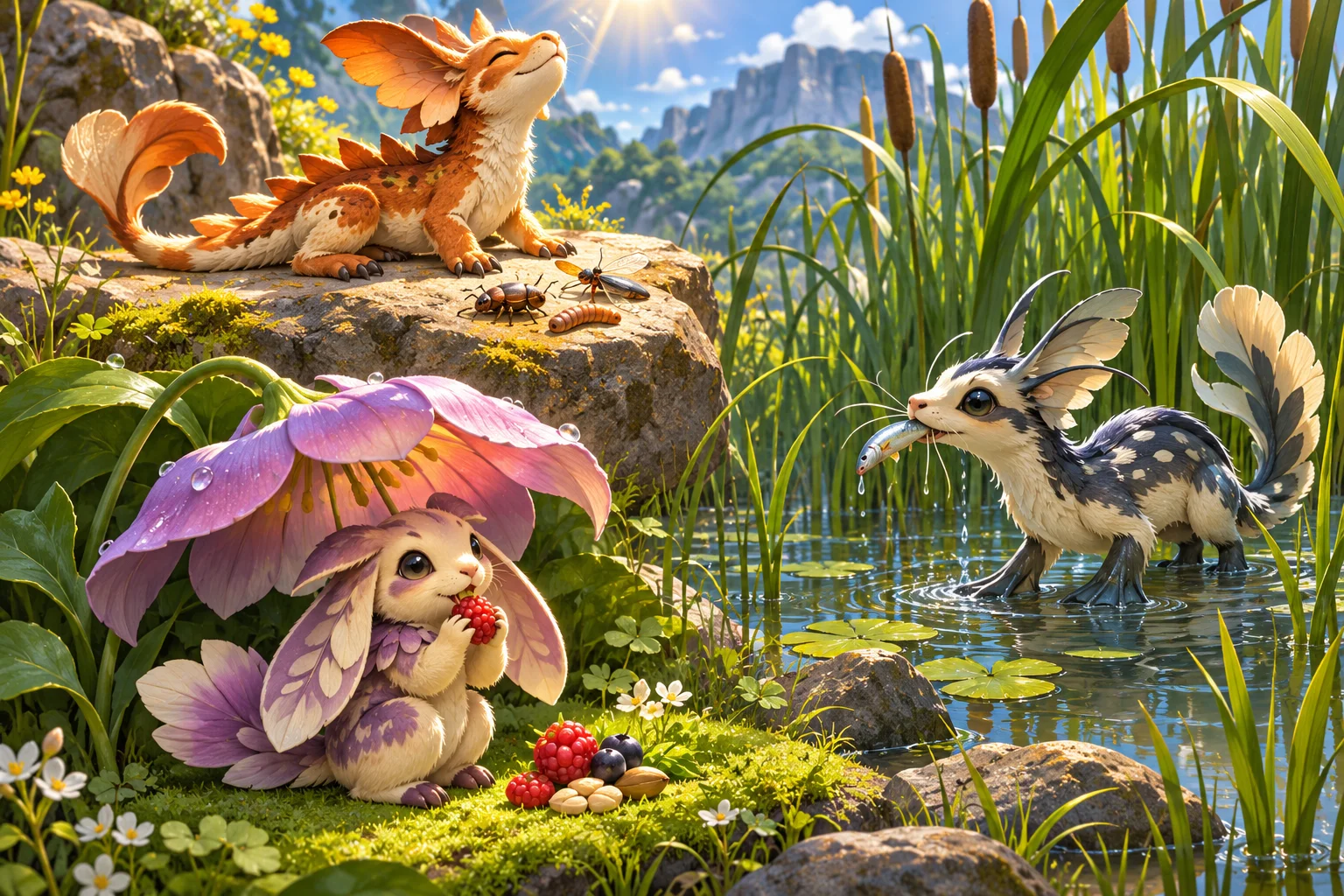
Players should learn enough to make an informed choice. Use silhouette, movement, habitat, and reaction to communicate a creature’s needs. A species that likes warm stones can seek sunny ledges; one that prefers shade can retreat beneath broad leaves. These cues should remain consistent after the creature joins a sanctuary.
The capture or recruitment action can reinforce the creature’s personality. A curious species might approach a placed food sample, while a shy one may need a quiet observation period. Make the action clear and avoid repeated input challenges that test patience without teaching a trait. If acquisition has a cost, show it before commitment and provide a route to reconsider or release the creature if that fits the game’s values.
Keep field notes concise. Record where the player encountered the species, what behavior they observed, and which habitat conditions matter. A good notebook helps players connect exploration with care rather than becoming a second encyclopedia to memorize. Early species can teach one trait each; later discoveries can combine two familiar signals.
Connect collection to care and habitat choices
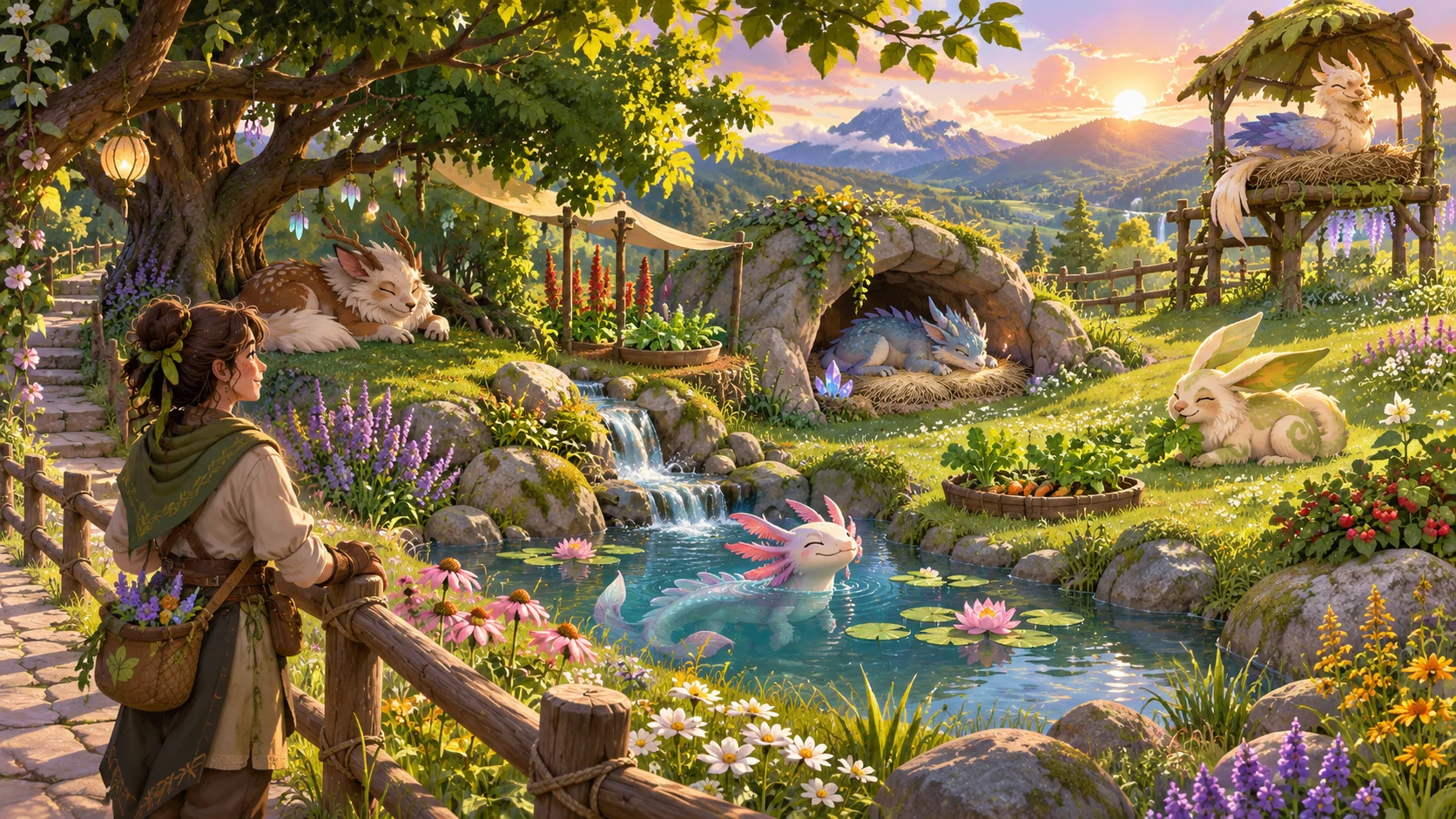
A habitat gives collection a second design layer. Choose a few conditions that players can see and adjust: available space, shelter, food, temperature, or compatible neighbors. Different species should respond in distinct ways. A well-designed sanctuary becomes a set of choices about where creatures thrive rather than a storage screen with unlimited capacity.
Avoid hidden needs and abrupt penalties. Show a warning before a habitat becomes stressful, explain which condition is unmet, and offer a reasonable fix such as adding shade or relocating food. Let players preview how a new creature might fit before bringing it back. Capacity can create meaningful prioritization, but should not force players to abandon a favorite without warning.
Care can reward curiosity. A comfortable habitat might reveal a new behavior, produce an environmental clue, or unlock an optional interaction. Keep rewards balanced so every species does not become a resource generator. If care is supposed to express companionship, make attention itself valuable and let the player choose how deeply to engage.
Test variety, attachment, and progression
Playtest the discovery-to-care loop with players who do not know the species list. Ask what they think a creature needs before revealing the notebook entry. Track mistaken captures, habitat changes, time spent on field observation, and whether players return to check on creatures. Then ask which discovery they remember and why.
Test whether species differ in behavior as well as appearance. If players use one habitat layout for every creature, the needs may be too similar or too hard to see. If they avoid a species because its care is inconvenient, decide whether that friction is intentional or a readability issue. Balance need variety with manageability; several distinct conditions are more useful than many tiny meters.
Finally, make new collection milestones change the player’s possibilities. A new species can open an exploration clue or suggest a new sanctuary arrangement. Keep the main loop understandable when the collection grows. Add entries that introduce a new behavior or decision, and retire ideas that only increase the completion count.
Related guide
For a resource collection loop built around useful returns and care, see the guide to cozy RPG resource collection.
Frequently asked questions
How do you design creature collection for an adventure game?
Give each creature a clear discovery context and a reason to matter after it is found. Define its recognizable traits, preferred environment, and one useful or expressive interaction. Let players choose whether to bring it home, observe it, or leave it in the wild when that choice supports the game’s themes.
How should players discover new creatures?
Use a mix of readable habitat cues, behavior, and optional field research. Players should be able to form a hypothesis before they encounter a new species, then confirm or revise it through observation. Avoid making rare creatures visible only through arbitrary low-probability spawns unless chance is part of the intended experience.
How can habitat needs make collection meaningful?
Give habitats a small number of visible conditions such as space, shelter, temperature, or food. Let species respond differently so players must decide how to arrange the sanctuary. Keep the rules clear and avoid punishing overcrowding without warning or a practical way to improve the habitat.
How do you prevent collection from feeling like a checklist?
Make discoveries change how players explore, care for creatures, or understand the world. Vary behavior and habitat interactions instead of only increasing the species count. Offer optional goals and narrative moments so completion is one motivation among several, not the only reason to continue.
Prototype creature care
Use AI to propose trait combinations and habitat test cases, then validate player understanding and care rhythm in the prototype. Designers should decide the collection ethics, creature needs, and progression rewards. Start a game project with Seele.