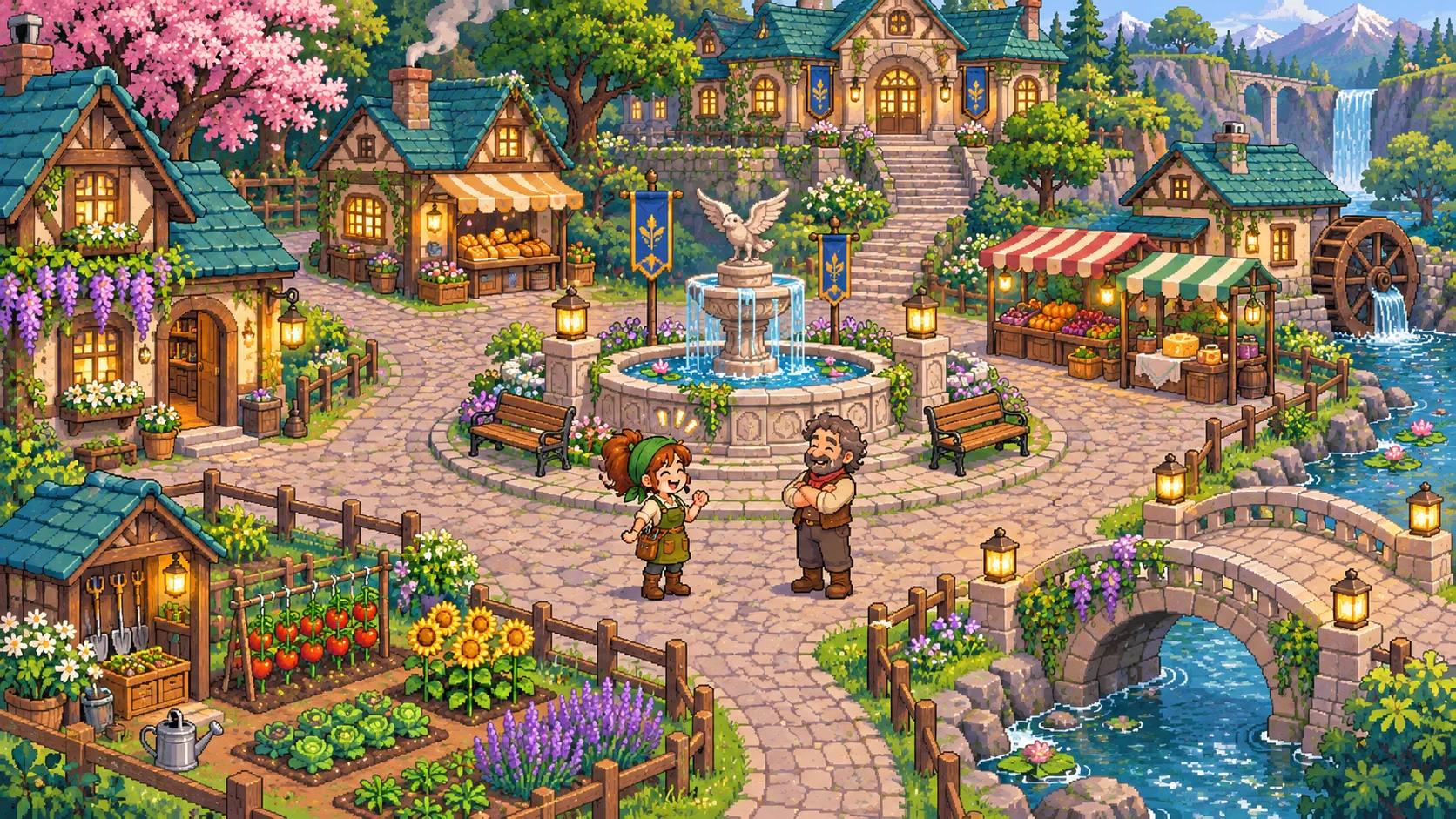
Daily activities give players a gentle reason to return, but they should not turn a cozy life sim into a list of chores. Build a flexible set of things players can do, let the world suggest a few opportunities, and reward participation without punishing someone who skips a day. The goal is a welcoming rhythm, not a mandatory route through every task.
Design activity categories
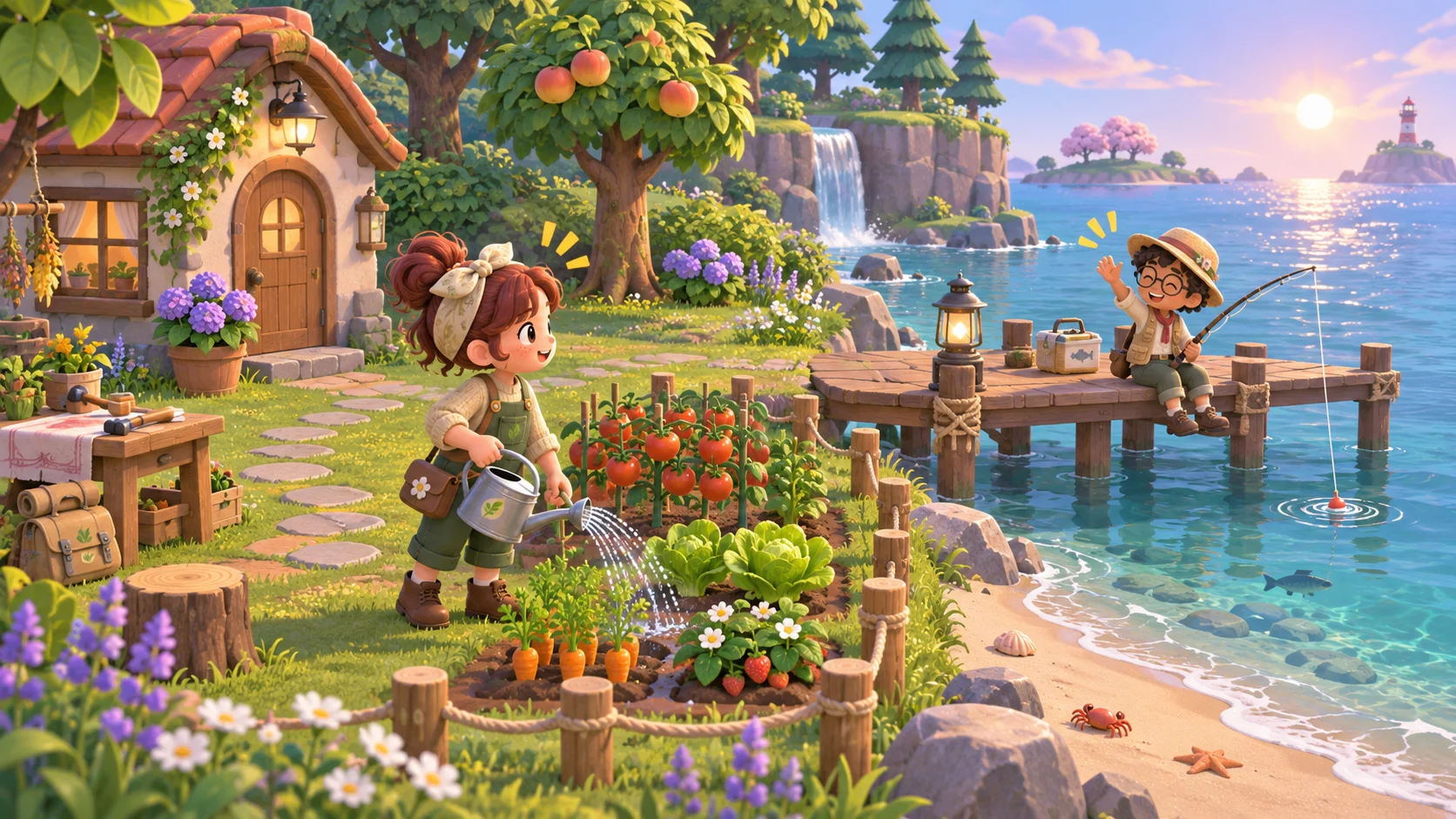
Start with a small set of categories that support different moods. Gathering and nature activities can include gardening, fishing, or collecting objects. Social activities can invite a conversation, a visit, or help with a neighbor’s request. Creative activities can let the player decorate, arrange a space, or share a design. Community activities can improve a shared location or contribute to a longer project.
Each category should have a clear action and a satisfying response. A short activity might take a minute and provide a small reward; a longer activity might advance a personal project. Avoid making every category depend on the same interaction with a different name. If “talk to a resident,” “greet a resident,” and “check in with a resident” all resolve identically, consolidate them or give each a distinct outcome.
Use player-led goals alongside suggested activities. Players may want to finish a garden, collect a set, decorate a room, or visit a friend. The game can offer prompts that help them start without replacing their own plans. A flexible activity journal can show ideas, not obligations, and allow players to ignore or hide suggestions.
Balance repeatable and rotating goals
Repeatable activities make the world feel dependable. Rotating opportunities make it feel alive. A daily loop can combine a few stable actions, such as visiting a shop or tending a garden, with one changing request, seasonal detail, or community prompt. Keep the rotating pool broad enough that players do not see the same assignment every return session.
When activities rotate, define how they are selected and when they reset. A small activity record might include its category, availability window, completion state, and reward. Decide what happens if a player is offline when a limited event begins or ends. For a relaxed game, a missed prompt can return later or have an equivalent alternative; avoid using scarcity to pressure daily attendance unless that pressure is a deliberate part of the design.
Give activities different time scales. A quick visit can provide a small acknowledgement, while a multi-session community project can preserve progress and offer visible milestones. That range makes the system useful to players with different session lengths. Do not make the longest reward depend on logging in every day; steady progress can come from returning when the player wants.
Reward choice without daily pressure
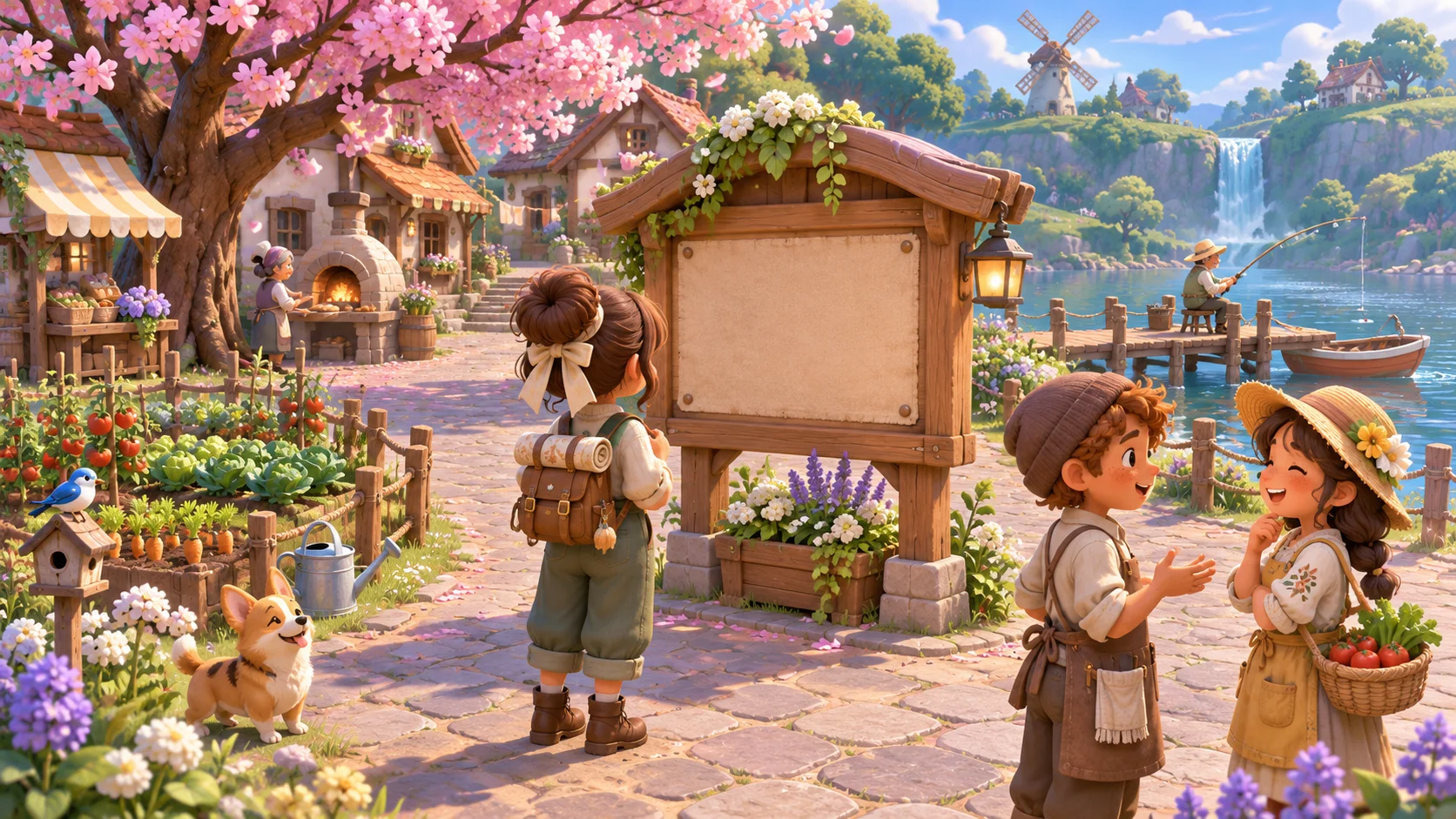
Choose rewards that reinforce the activity. Gardening might unlock a new seed or improve a shared patch; helping a neighbor might change a relationship or reveal a story; fishing might contribute to a collection or provide an ingredient. Some activities can reward only world feedback, such as a resident’s response or a changed location. Not every action needs currency.
Offer equivalent routes to common rewards. If a player needs a material for a building project, they might gather it, trade for it, or earn it through a community task. Alternatives make the world feel open and reduce frustration when a player dislikes one activity. Keep exclusive rewards cosmetic or optional unless the activity is central to the game’s main progression.
Show progress without making every interaction a score. A journal can track a collection or long project, while residents and the environment provide softer feedback. If the game has streaks or daily bonuses, make the rule visible and consider a grace period or catch-up path. A player should understand what happens when they miss a day before they invest in the routine.
Test variety and return sessions
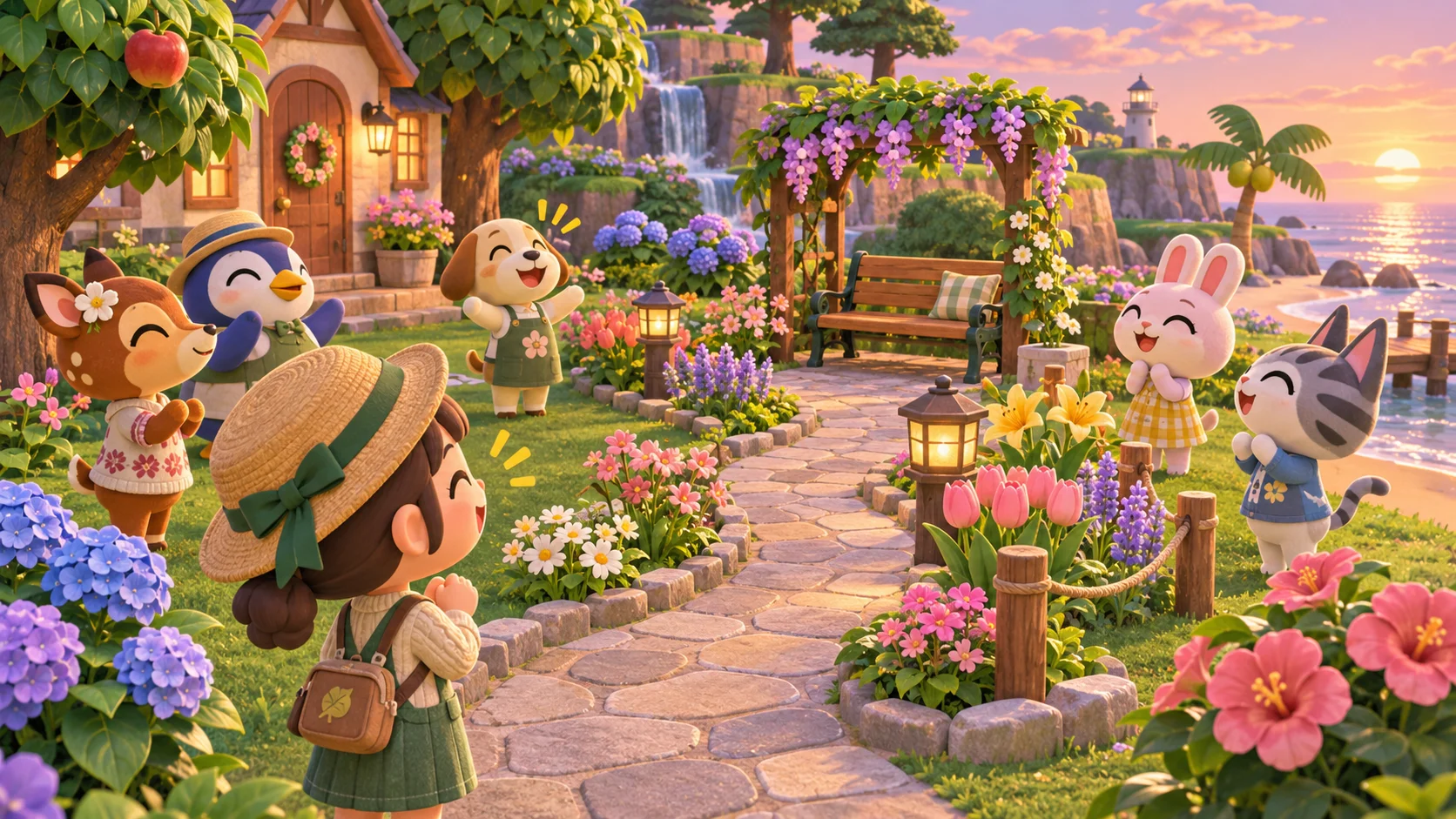
Test with players who have different session lengths. Ask what they chose to do, whether the game suggested an activity they wanted, and whether any prompt felt urgent or repetitive. Observe what happens when they return after one day, several days, and a longer break. Their world should feel ready to welcome them rather than complain that they were away.
Track activity variety and repeat frequency. If the same task appears too often, adjust rotation weights or add a different activity in that category. If players ignore a suggestion, find out whether it is unclear, unrewarding, or simply not aligned with their goals. Do not assume low completion means the reward should be larger; sometimes the best change is to make the activity optional and easier to discover.
Nintendo’s official Animal Crossing: New Horizons site lists activities such as gardening, fishing, decorating, bug and fossil hunting, and interacting with residents, alongside a daily island routine. Those are examples from that game, not a formula every life sim should copy. For an original game, choose activities that fit its setting and make a player’s chosen contribution visible. SEELE’s documented game-creation capability can help start from a natural-language game idea; validate the daily loop in a prototype and adjust it based on actual play.
Frequently asked questions
How many daily activities should a cozy game offer?
Offer enough variety for different moods without making players feel expected to complete everything. A compact selection across nature, social, creative, and community actions can be a useful starting point. Test how many suggestions players can comfortably understand in a short session, and let them choose which ones matter to their own goals.
How do you keep daily tasks from feeling repetitive?
Vary the action, context, and outcome rather than changing only the task label. Rotate requests from a broad pool, let residents react differently, and mix quick activities with longer player-led projects. Track which prompts repeat and ask players whether they feel like meaningful options or routine obligations.
Should players lose rewards for missing a day?
In a relaxed life sim, avoid removing earned progress because someone did not log in. You can let limited opportunities return later, offer an equivalent path, or keep the reward optional. If a timed event is important to your design, explain its window and provide enough notice for players to make an informed choice.
How can daily activities support long-term goals?
Let short actions contribute to a project that persists across sessions, such as improving a shared space, completing a collection, or developing a relationship. Show milestones along the way so players see how today’s choice matters. Keep multiple ways to contribute when possible, allowing players to make progress through activities they enjoy.
Build a small activity set, make each option genuinely different, and test whether players feel welcomed when they return. Explore an AI game creation starting point for an original life-simulation concept.