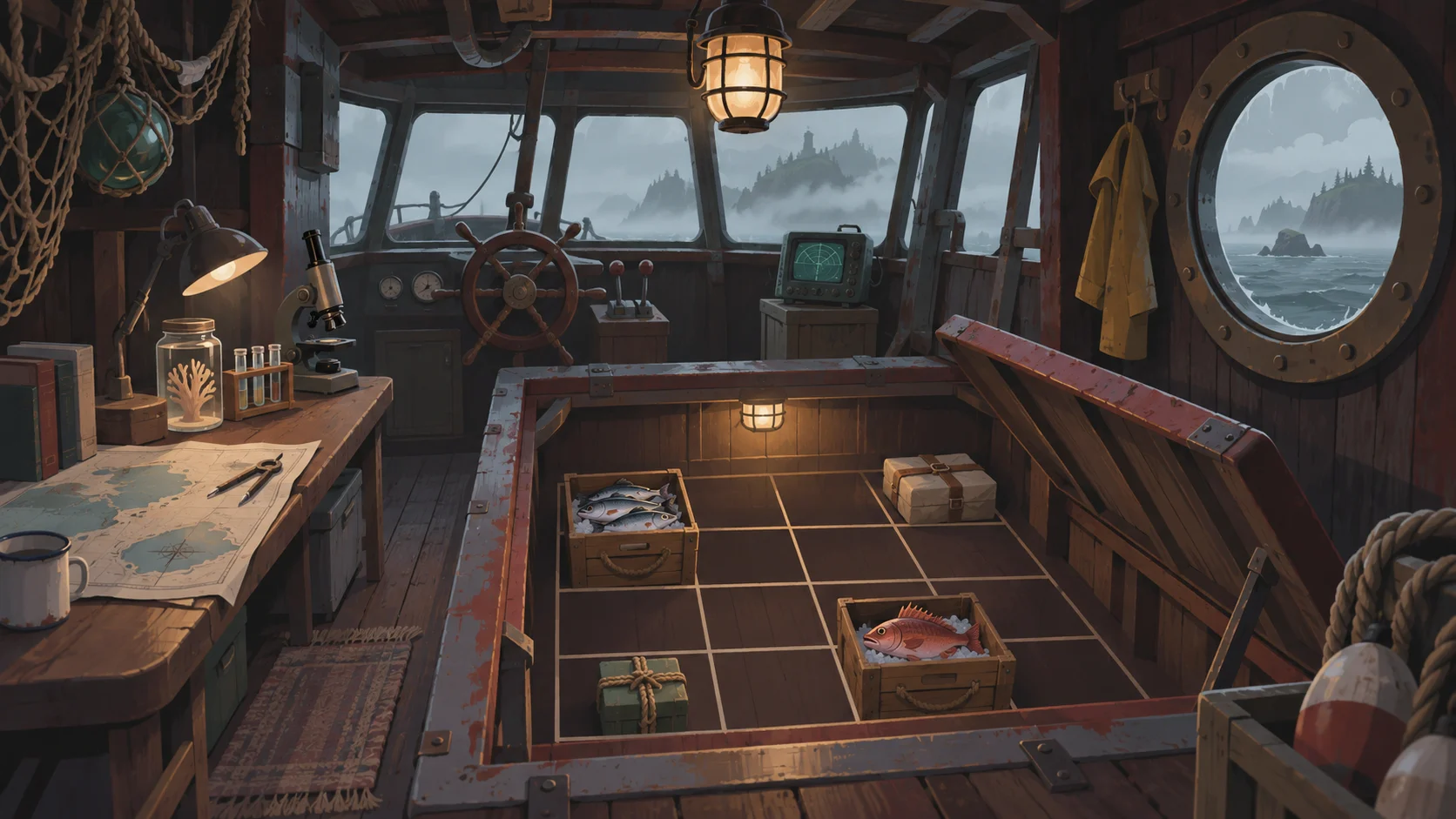
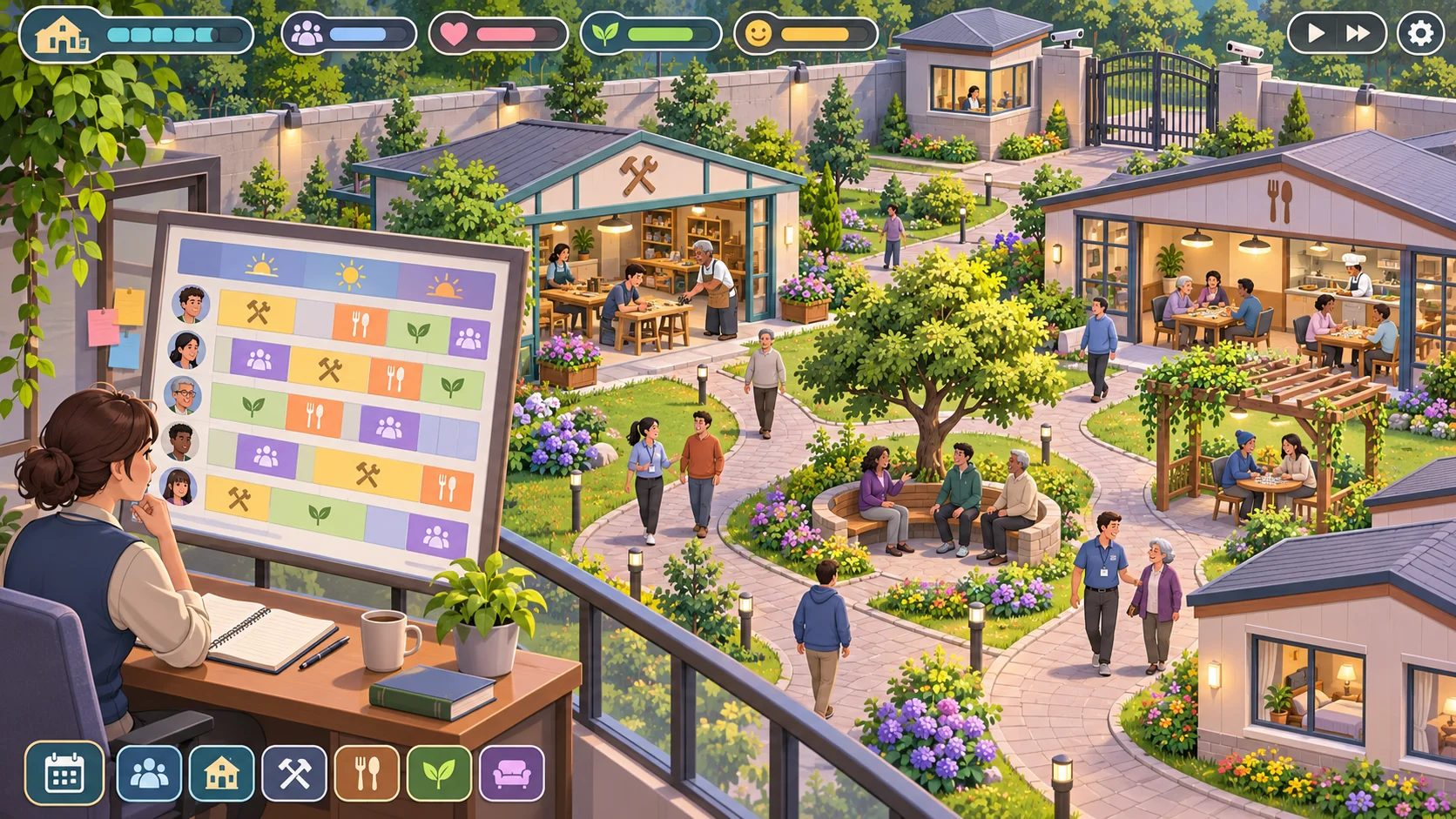
Track construction in a co-op logistics game works when everyone can read the shared route and understand what is needed next. Indoor Astronaut’s official Unrailed! listing describes a co-op game where players build train track across procedurally generated worlds and work to keep the train from derailing. That is the broad reference premise only; the tile schema, resource loop, and teamwork recommendations below are original.
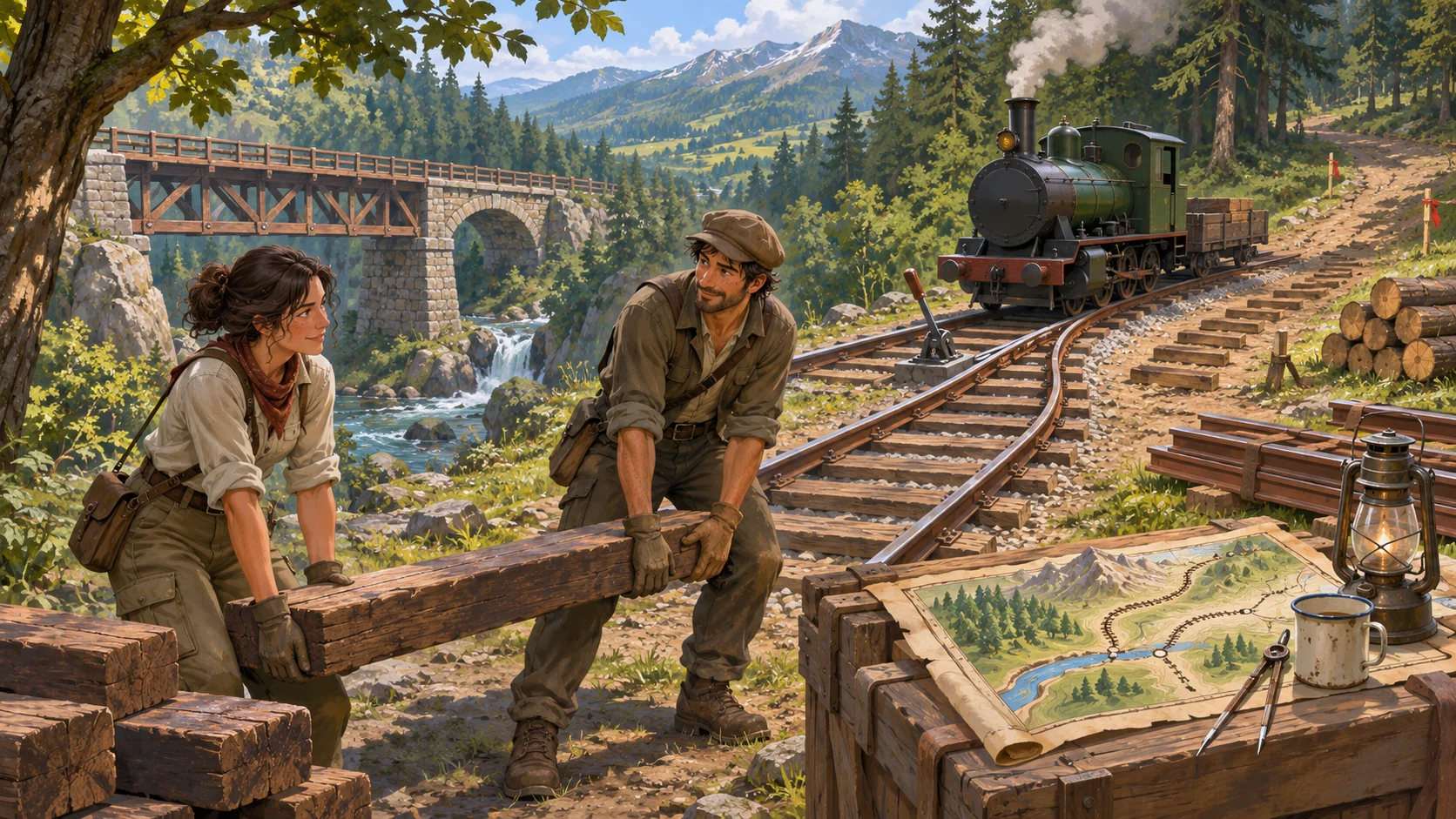
Define tile rules and safe connections
Give each track piece a shape, cost, and set of connection points. A straight piece might connect north to south; a curve connects two adjacent directions; a junction can branch into more than one route. Define these connections in data so the placement system can check whether the new piece joins the existing endpoint.
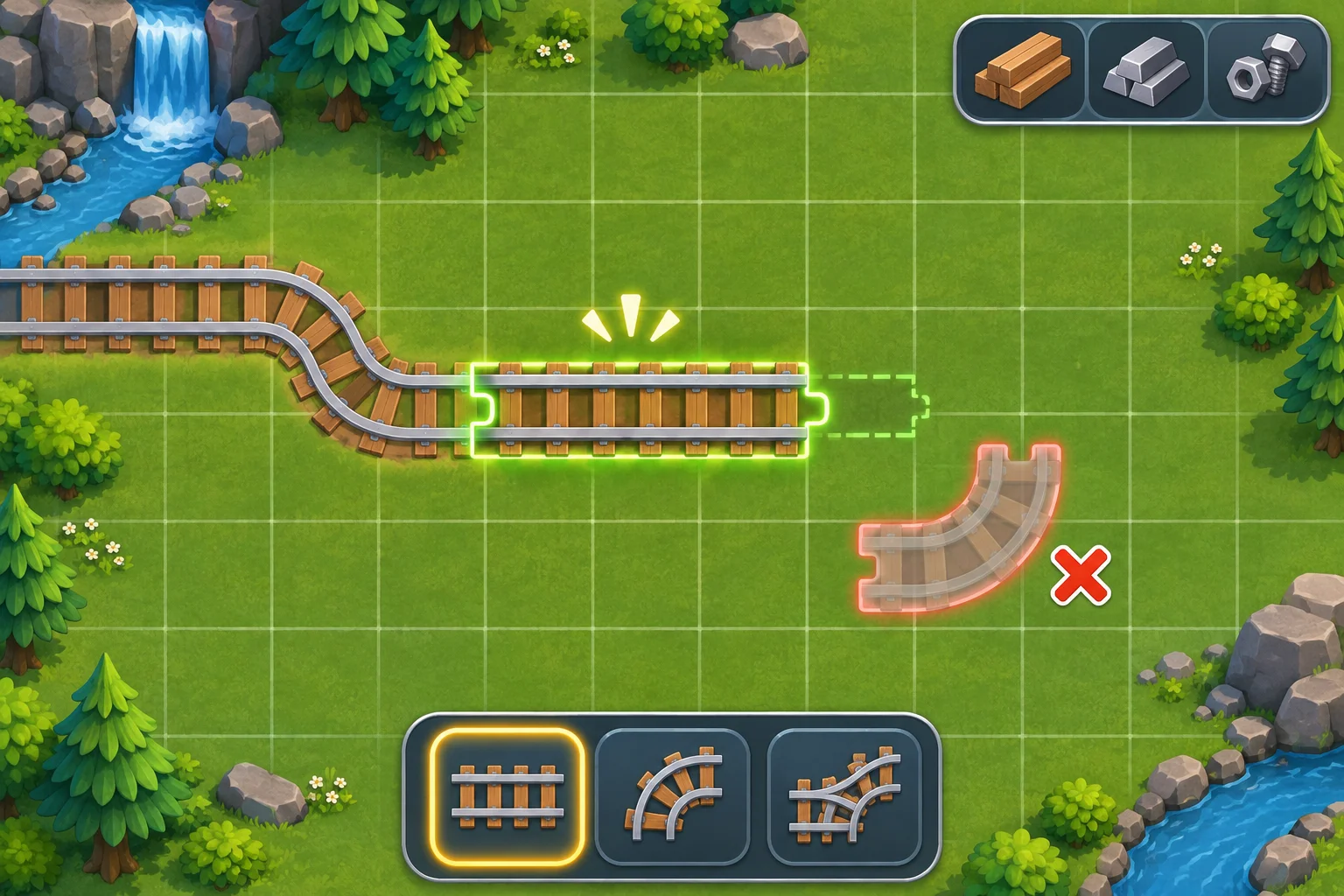
Preview the piece against the construction frontier before players commit. Highlight compatible endpoints and show a clear invalid state for a mismatched direction, blocked space, or missing resource. Keep the train’s forward direction visible so players understand which end of the route needs attention. A placement should never appear valid and then disconnect when the train begins moving.
Consider the consequences of a misplaced segment. You might allow a short undo window before the train reaches it, provide a repair action that costs time, or let a team build a bypass. Decide whether a route can loop back, split, or dead-end. Each option affects how much players need to coordinate and how costly an error becomes.
Coordinate gathering, crafting, and placement
Connect gathering, crafting, and placement into one shared loop. A player can collect wood or metal, another can process it into track, and a teammate can move pieces to the build frontier. These are useful temporary roles, but avoid locking players into a job. The team should be able to switch when resources run low or the route changes.
Keep shared resources legible. Show how many pieces are ready, what the next tile costs, and where the team can gather more material. A compact request signal can help players coordinate without a text chat: an icon or brief marker can indicate “need rail,” “clear path,” or “repair here.” Use a small set of signals and test whether they are easy to interpret under pressure.
Make the route-building frontier unambiguous. Mark the next legal connection point and distinguish it from completed track. If several pieces can fit, let players inspect how each affects the train’s route before placement. The goal is shared planning, not guessing which teammate controls the build state.
Plan around hazards and time pressure
Hazards can make route choices matter when players have enough information to react. A resource detour might give the team materials but add travel time; a shorter path could require a bridge or a curved section. Show upcoming obstacles early enough for a discussion and make the immediate consequence clear. Keep a new hazard from hiding the basic connection rules.
Give the team a recovery window. After a wrong turn, players might remove a segment, craft a replacement, or slow the train briefly. Recovery should cost something so mistakes still matter, but a single misread need not erase a run. Test how that cost feels when the team has plenty of materials and when it is nearly out.
Use urgency carefully. A visible approaching train or short countdown can create pressure, while a sudden untelegraphed movement can make collaboration feel random. Add speed only after players can read the frontier, resource needs, and tile preview.
Playtest teamwork and route recovery
Test every tile connection, junction, resource cost, obstruction, and recovery path. Observe teams that use voice chat and teams that rely on the game’s signals. Track placement stalls, missed resources, wrong turns, and derailments. Ask players what they thought the build frontier was and which tile they expected to work before confirming it.
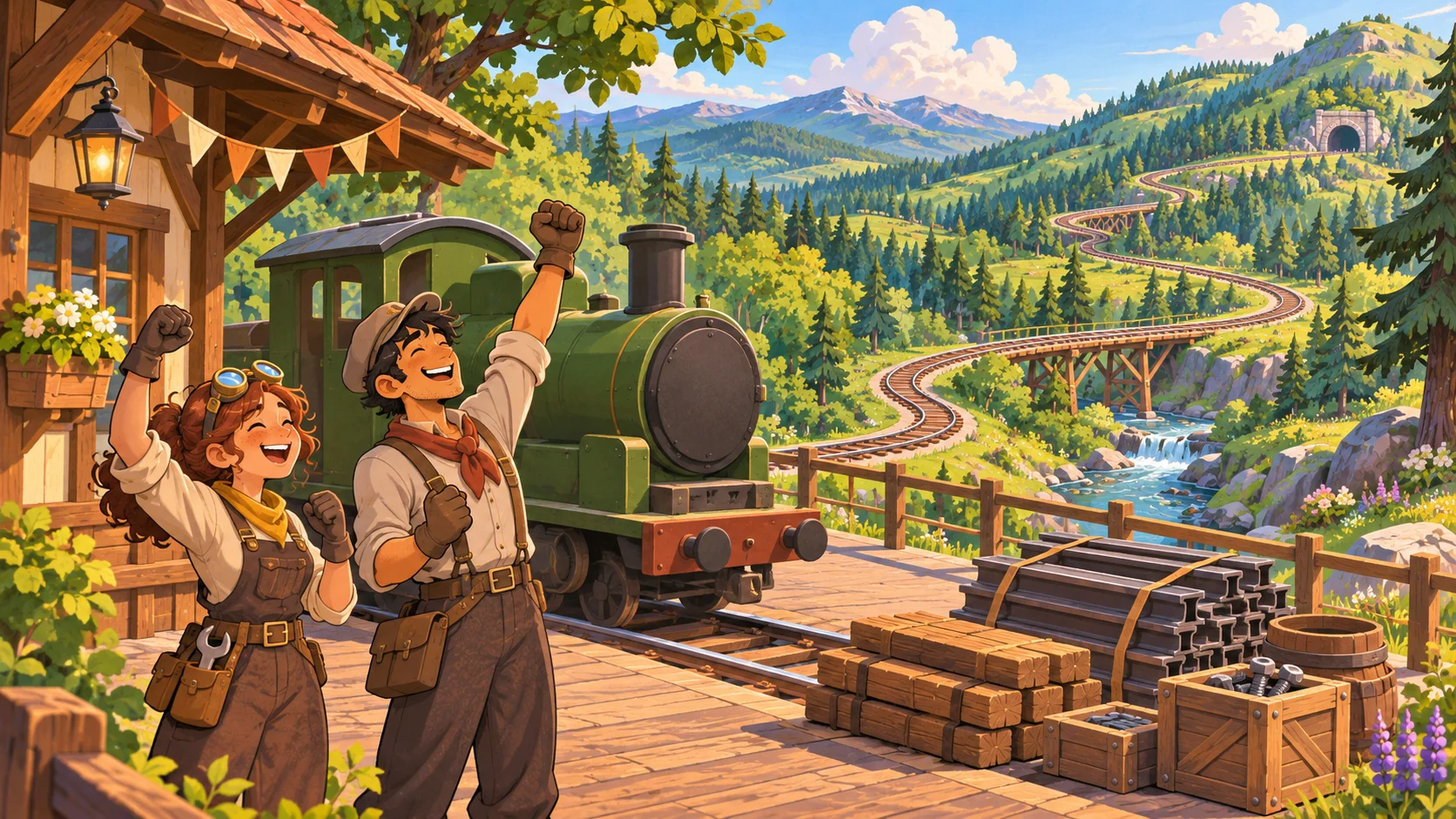
When a team stalls, identify the missing information before changing the timer. Improve connection highlights if players choose the wrong piece; improve resource signals if they do not know what to gather; add a repair affordance if one mistake ends the run too quickly. Re-test the same route after each revision so you can compare whether coordination improved.
SEELE AI can help outline an original cooperative logistics concept, but track adjacency, crafting, multiplayer synchronization, and recovery need implementation and hands-on testing. For a broader premise, read the original co-op railway guide. Prototype an original co-op logistics game with SEELE AI.
FAQ
How do you build track construction for a co-op game?
Represent each track piece with connection points, cost, and valid placement rules. Let players gather materials, craft pieces, and place them onto a shared route. Show an invalid join before confirmation, then test the same segment with teams who communicate differently.
How can track placement stay readable under pressure?
Use clear connection highlights and preview the next piece before it is placed. Keep the train’s direction and the construction frontier visible. Add urgency through a readable timer or approaching hazard, while leaving enough time for players to recover from one misread or blocked placement.
What makes cooperative track building engaging?
Give players interdependent jobs that support a shared goal without forcing one fixed role. Gathering, crafting, and routing can all matter, but players should be able to switch when circumstances change. Test whether teams can coordinate from the information the game shows, rather than relying on hidden rules.
What should you test in a rail-building prototype?
Test all tile connections, resource costs, junctions, obstructed placements, and recovery after a wrong turn. In co-op, observe whether players understand the construction frontier and communicate needs. Track stalls and derailments, then improve previews or rules before increasing speed or adding more tile types.