Make the workshop travel to the customer
In fictional Roaming Wrench, one van carries a compact repair bay to three neighborhoods: North Yard, Market and Hill Depot. The van can complete two service jobs per day. Travel between neighboring stops uses one day unit; each repair uses one service slot. The shop is no longer a fixed room: the route determines which customers the business can reach before closing.
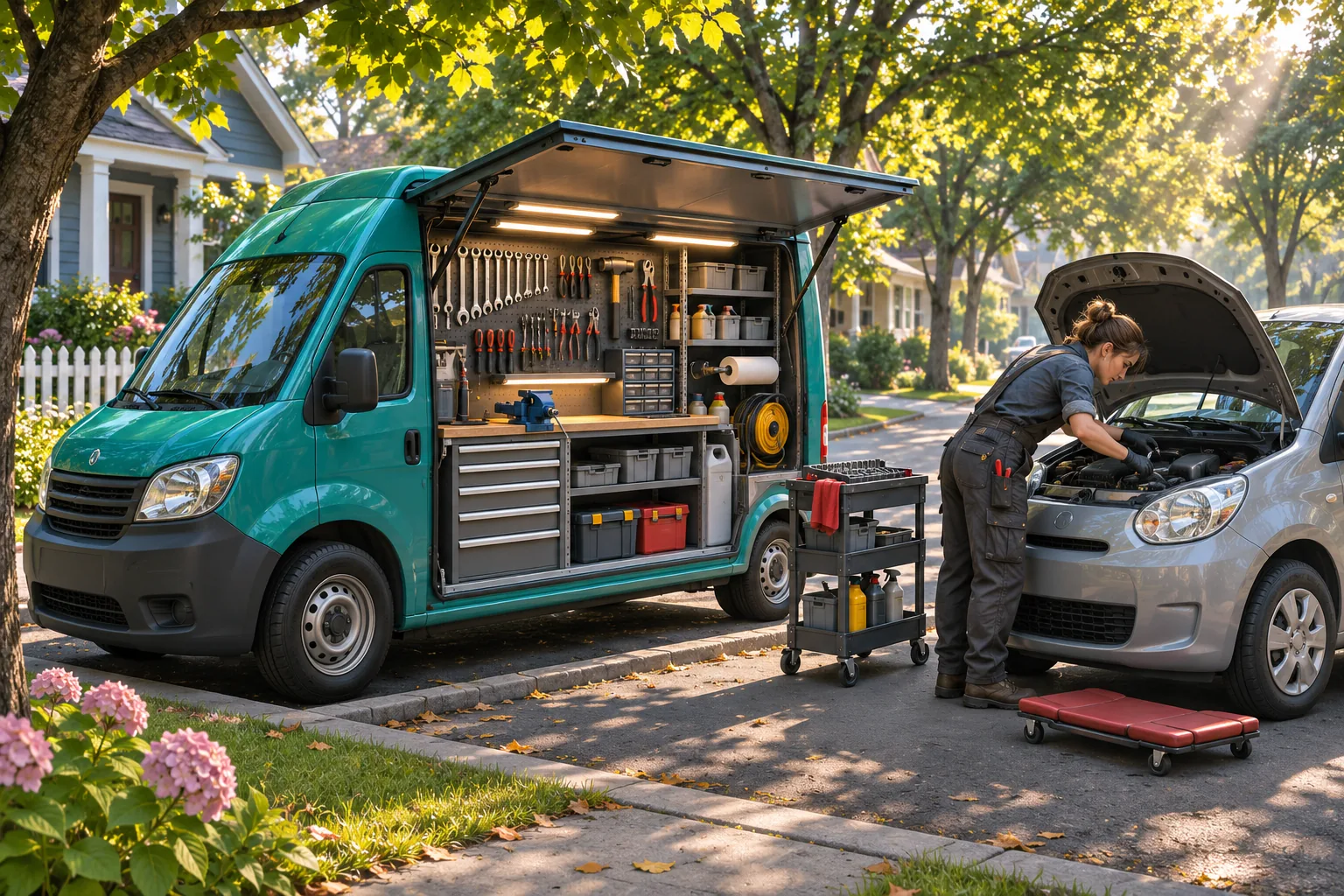
Before the day starts, arrange appointments along a route. A third repair job may fit the van's schedule only if travel and the first two services leave enough time. Show drive units, service slots and expected revenue in one daily plan. If the player adds a distant stop, warn them which customer will be missed instead of silently dropping the last job.
Separate travel time from repair capacity
Store the van's location, remaining day units, open appointments, repair durations and completed job IDs. Moving to an adjacent neighborhood spends one unit; a repair spends one slot. Reject appointments that exceed either limit. When a job completes, mark its ID done and grant its payment once. The route preview should update after every schedule change.

The local schedule test starts at North Yard with two service slots and four day units. A route to Market and Hill Depot uses two travel units; two repairs use both slots. Adding a third repair is rejected for capacity, while inserting a far stop can exceed the day budget. This deterministic ledger checks scheduling only, not driving, repair animations, prices or customer behavior.
Use each stop to build a repeat customer loop
After the van finishes a job, show the invoice, remaining capacity and next reachable appointment. A customer may book the next visit at the van's current stop, reducing travel on a later day. Keep that benefit visible in the route planner so returning to a neighborhood feels like a business decision, not a hidden bonus.
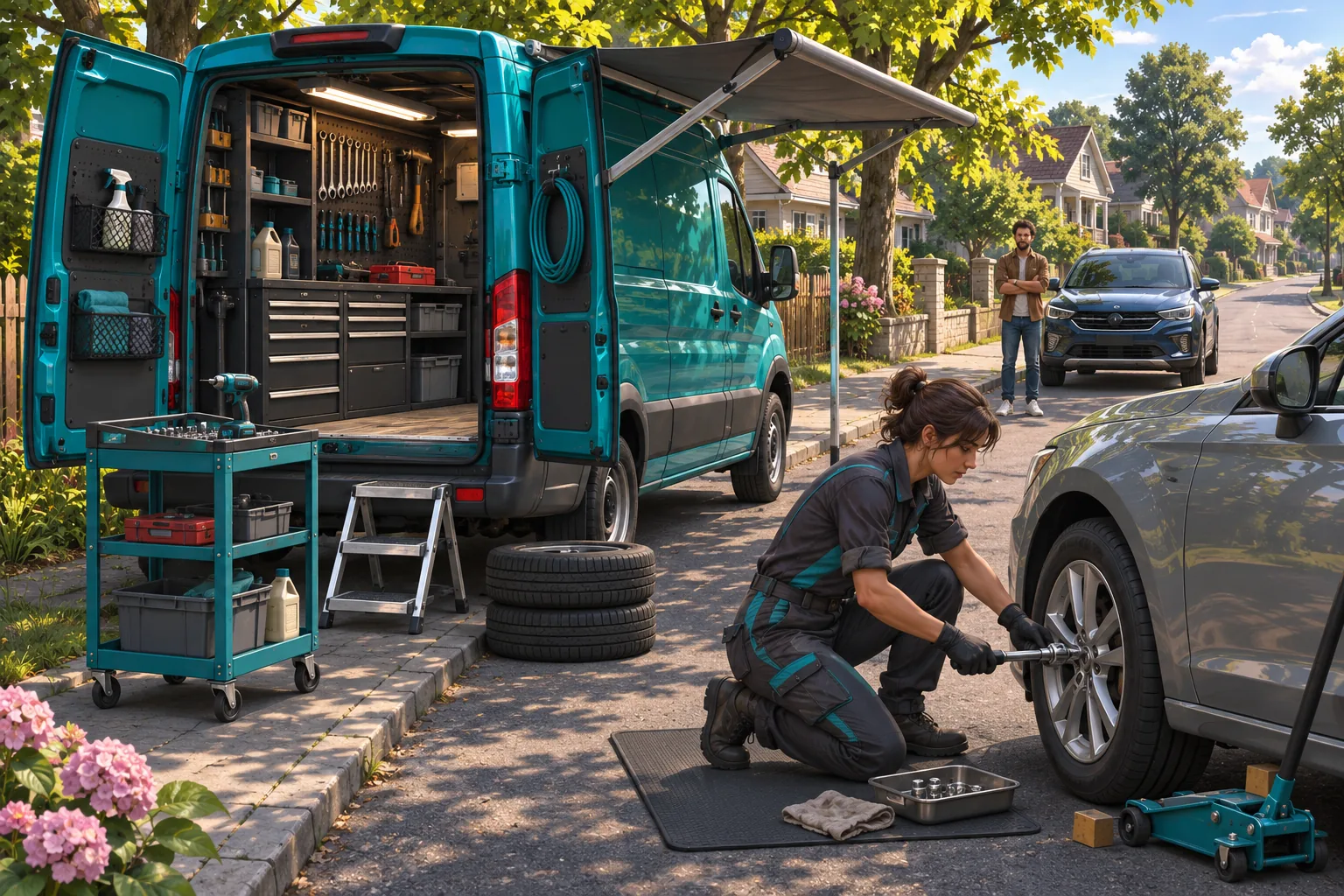
Prototype the schedule before the driving scene
Start with three named stops, a van, two repair slots and a small daily travel budget. Test the route ledger, a full day, an overbooked appointment and a repeat booking. Godot Resources can store reusable job templates; its official docs describe Resources as data containers. SEELE AI Game Maker offers a prompt-based entry point for game creation. Neither source validates Roaming Wrench.
Create an original mobile workshop simulator with a van, three neighborhoods, two daily repair slots and a limited travel budget. Let the player order appointments on a route. Travel spends day units; each repair spends a service slot. Reject overbooking and show which customer cannot be reached. Do not claim driving or player-test validation.
Start a fictional workshop prototype in SEELE · Godot Resources documentation
Frequently asked questions
How should travel affect a mobile workshop schedule?
Give travel and repair work separate costs. In this example, driving to a neighboring stop spends one day unit, while each job uses one service slot. Show both before the route is confirmed. Players can then decide whether a distant customer is worth the trip, rather than learning after the day ends that a booking disappeared.
What happens when the van accepts too many jobs?
Check the complete route against remaining day units and service slots before confirming it. If a job does not fit, name the appointment that would be missed and let the player revise the order or decline the booking. Do not silently remove a customer after the schedule is committed.
How can repeat customers improve the route loop?
After a completed repair, offer a future booking at the van's current or nearby stop. That can reduce travel on a later day, but show the saved route cost in the planner. The local schedule test does not establish customer demand or business balance; those need a playable prototype and separate evaluation.