Introduction
A channel-themed mini-game turns a creator’s recurring format into a small original challenge. It should be recognizable through its theme and tone while keeping the player action understandable on its own. Start with a fictional channel concept, one short round and an editable configuration template.
This guide uses Tiny Trail Lab, a fictional creator channel with an invented “Odd Object” format. No real YouTube channel, creator, audience or platform integration was used, and no playable mini-game was built or tested. The sample interaction is a local planning example, not a claim about channel performance.
Choose a repeatable creator format
A recurring format gives the mini-game a clear premise. Identify what stays consistent across episodes, what changes each time and which player action fits. A fictional object-guessing format might show a silhouette, offer three possibilities and reveal one short explanation. Keep the game original rather than copying another creator’s signature.
Prompt 1 — channel-game brief
Design an original mini-game for the fictional Tiny Trail Lab channel, which uses a recurring “Odd Object” segment. Scope one short round with a mystery silhouette, three choices, a reveal and replay. Define the player goal, instructions, timer, feedback, reset and editable channel theme. Do not use a real creator, channel, logo or platform integration. List untested assumptions.
A brief should say what makes the format repeatable and how each episode can introduce a new fictional object without changing the core interaction.
Make the theme visible without copying a channel
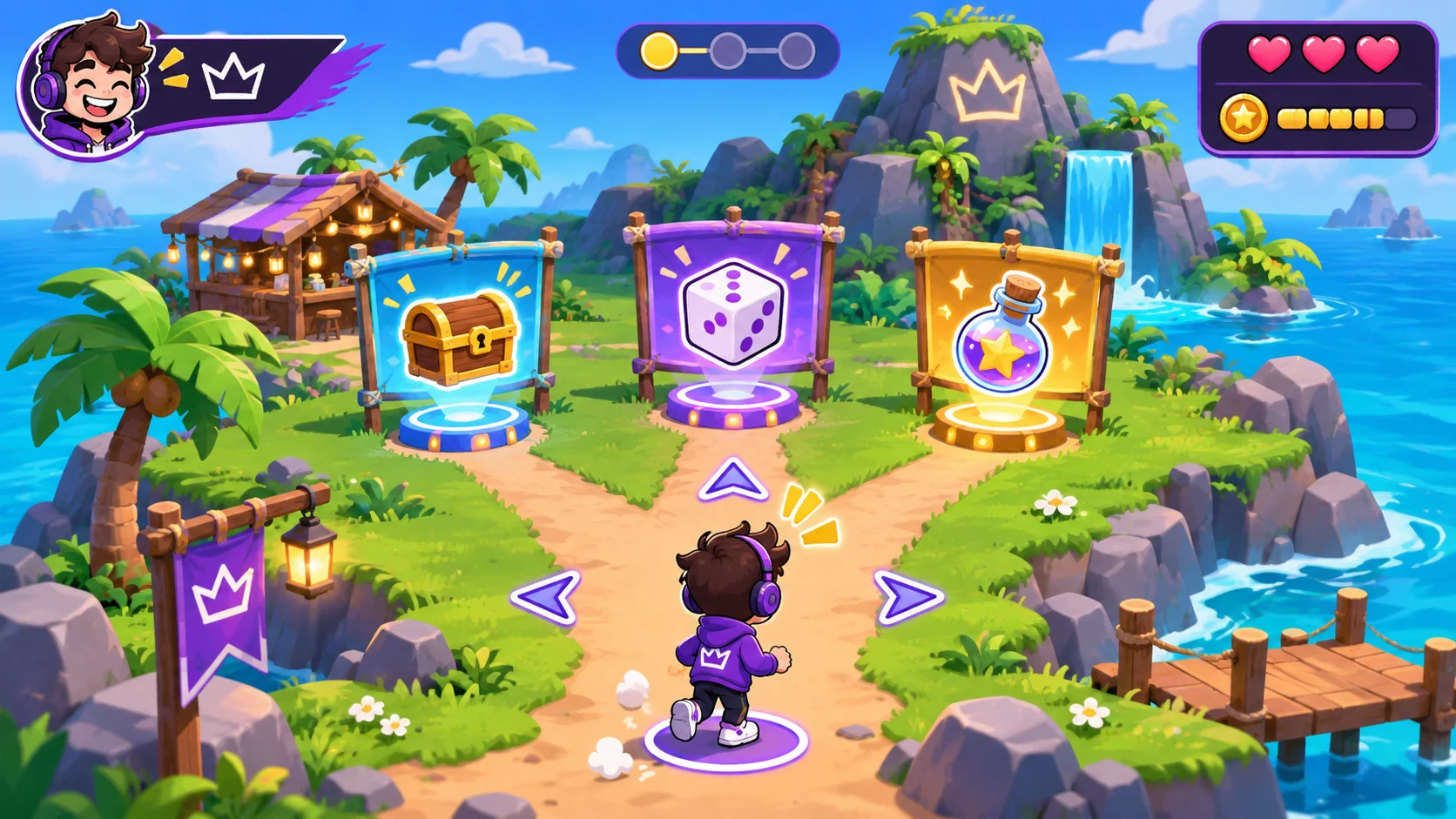
Use original colors, illustration and phrasing that fit the fictional creator concept. A themed mini-game should still explain how to play if a viewer has never seen the channel. Avoid logos, recognizable characters and distinctive visual signatures belonging to real creators.
Prompt 2 — first screen and art direction
Create a visual direction for Tiny Trail Lab’s fictional Odd Object game using original field-notebook motifs, trail markers and simple object silhouettes. Draft a first screen with a one-sentence instruction, three answer choices and a visible replay state. Use original art, not a real channel’s branding or protected character.
| Game element | Channel connection | Player need |
|---|---|---|
| Object silhouette | Repeats the fictional show format | Clear visual target |
| Choice cards | Provide distinct possible answers | Easy to scan and select |
| Reveal | Adds a short original explanation | Show why the answer fits the fictional round |
| Replay | Supports another episode | Explain what changes next |
These are planning choices for a fictional concept, not a platform feature specification.
Make the core round quick to learn
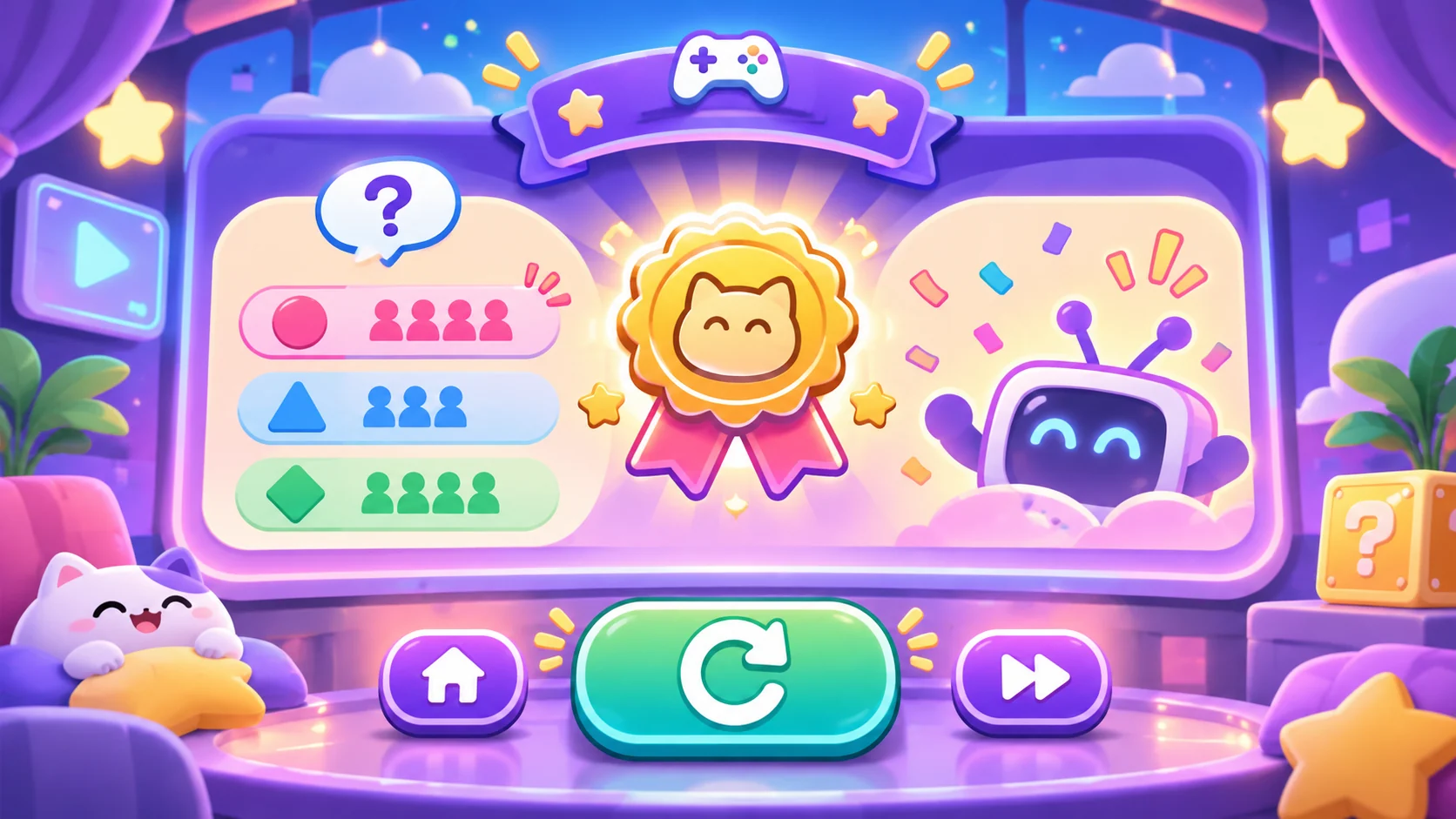
State how an answer is selected, when the round closes and what feedback appears after a choice. If the player can retry, say whether the same clue stays visible. Keep scoring simple and avoid suggesting that one result measures a viewer’s knowledge or interest.
Prompt 3 — one mini-game round
Define one Tiny Trail Lab Odd Object round with a fictional silhouette, three answer choices, a short timer, one correct answer, feedback and a reveal. Explain whether a late answer is accepted and what happens after the timer. Use invented content and simple rules; do not claim skill measurement or audience engagement.
A small round should connect input and feedback. The reveal can add context, but should not depend on facts the game never showed.
Create variety with editable episodes
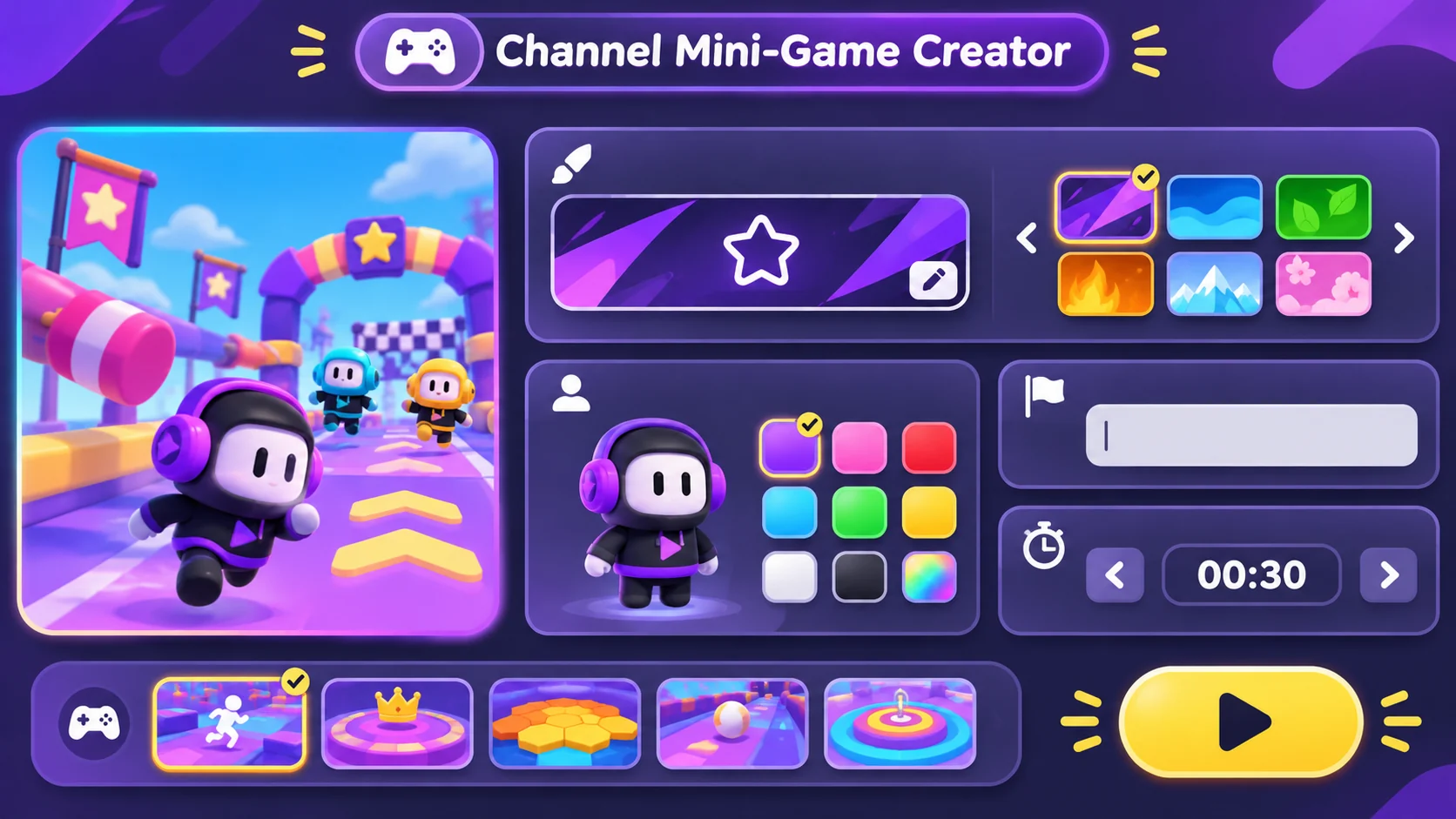
A creator should be able to replace the object, clue, choices and reveal while preserving the same interaction. Include a content checklist so every round has one answer that fits the clue and two plausible alternatives. Label the sample set fictional until reviewed for a real project.
Prompt 4 — episode pack
Draft three original fictional Odd Object mini-game rounds for Tiny Trail Lab. For each, include an object, one visible clue, three choices, the intended answer, a short reveal and a replay variation. Check that the clue supports one answer. Do not use real creator lore, facts or audience data.
Keep the format modular. A creator can change the weekly theme without adding new controls to the game.
Provide an editable channel template
A template can expose the channel concept, segment name, art direction, instructions, choices, timer and reveal copy. The JSON below shows a fictional configuration. It does not contain a real episode or platform data.
{
  "channelName": "Tiny Trail Lab — fictional demo",
  "segmentName": "Odd Object",
  "theme": "field notebook and trail markers",
  "roundSeconds": 25,
  "object": "a brass seed sorter",
  "visibleClue": "three slots sort objects by size",
  "choices": ["seed sorter", "pocket compass", "music box"],
  "answer": "seed sorter",
  "reveal": "The three slots sort seeds into size groups in this fictional round",
  "evidenceLabel": "local concept only; no creator or audience test"
}
Replace the channel, segment, object, clue, choices and reveal with original material. Keep the correct answer supported by the visible clue and review each round before using it.
Request a small playable mini-game slice
A first build could include a start screen, one object silhouette, clue, three choices, timer, reveal, score summary and replay. Specify what must work: display the round, accept an answer, close at the right time, reveal the result and load another editable episode. A themed mockup is not a playable game.
Prompt 5 — first playable round
Build a small fictional Tiny Trail Lab mini-game with an intro, object silhouette, visible clue, three selectable choices, timer, answer feedback, reveal, replay and reset. Keep episode data editable. At handoff, list working interactions, static screens and untested behavior. Do not claim YouTube integration, creator approval or audience testing.
No playable game or platform connection was tested for this article.
Prompt 6 — simulated creator customization
Adapt the fictional template to a new “Pocket Museum” episode about an invented paper automaton. Change only the segment theme, object, clue, choices and reveal while preserving the same round controls. Label the creator and episode fictional. This is a local simulated customization, not a real YouTube creator scenario.
The example demonstrates how a recurring format can change its content without changing the game loop. It is not based on a real channel.
Prompt 7 — observed-output review
Review the running local mini-game for instructions, silhouette, clue visibility, choice input, timer behavior, answer feedback, reveal, editable episode data, replay and reset. Mark each present, missing or unclear based only on observed interactions. Record concise evidence and one smallest next change. Do not claim channel growth, viewer retention or platform integration.
Fictional channel-round snapshot
| Field | Tiny Trail Lab example |
|---|---|
| Format | Weekly Odd Object guessing round |
| Action | Select one of three answers from a clue |
| Content | Silhouette, visible clue and short reveal |
| Customization | Object, theme, choices and copy |
| Evidence | Fictional plan only; no creator or audience test |
The snapshot describes a repeatable mini-game format, not a real creator collaboration.
Conclusion
A channel-themed mini-game should connect an original recurring format to one clear player action, feedback and replay path. Tiny Trail Lab and Pocket Museum are fictional; no real YouTube creator, channel, integration, playable build or audience test is claimed. Use an editable template to vary the episode content, then verify the running interaction before calling it playable.
You can take a scoped concept into the Free AI game maker, then compare the result with the review checklist.
FAQ
What should a channel-themed mini-game for YouTube creators include?
Define the recurring format, player action, instructions, choices, reveal, replay and editable episode fields.
How can a mini-game reflect a channel without copying it?
Use original themes, art and phrasing, then connect them to a clear game action rather than imitating a creator’s signature assets.
Can a local mini-game mockup connect to YouTube automatically?
No. A local concept does not prove any platform integration; test the intended connection separately before making that claim.
What belongs in an editable creator-game template?
Include the segment format, theme, prompt, choices, timer, reveal and episode-specific content.
Does a themed mockup prove the mini-game is playable?
No. Verify answer input, timer, reveal, episode changes and reset in the running build.