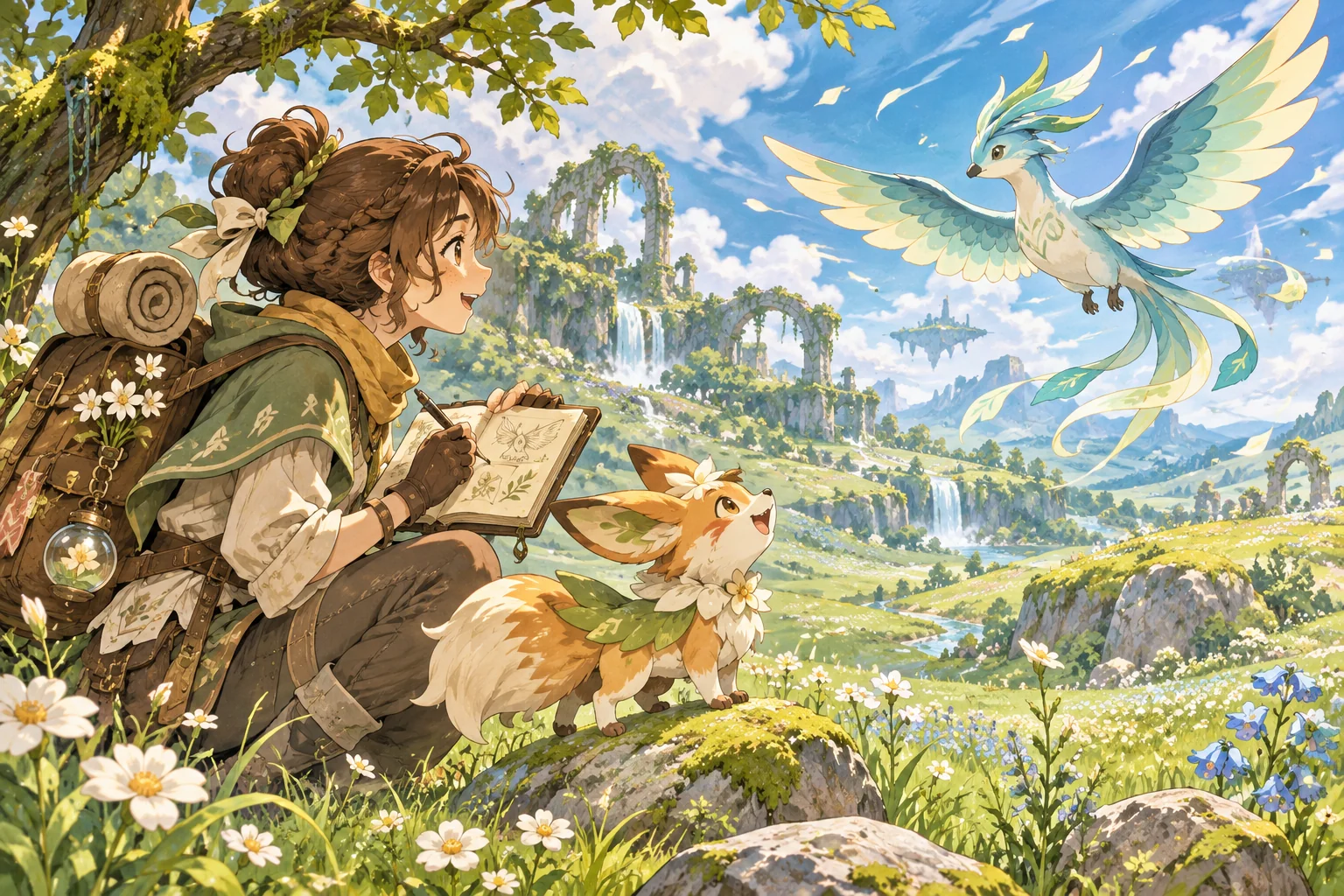
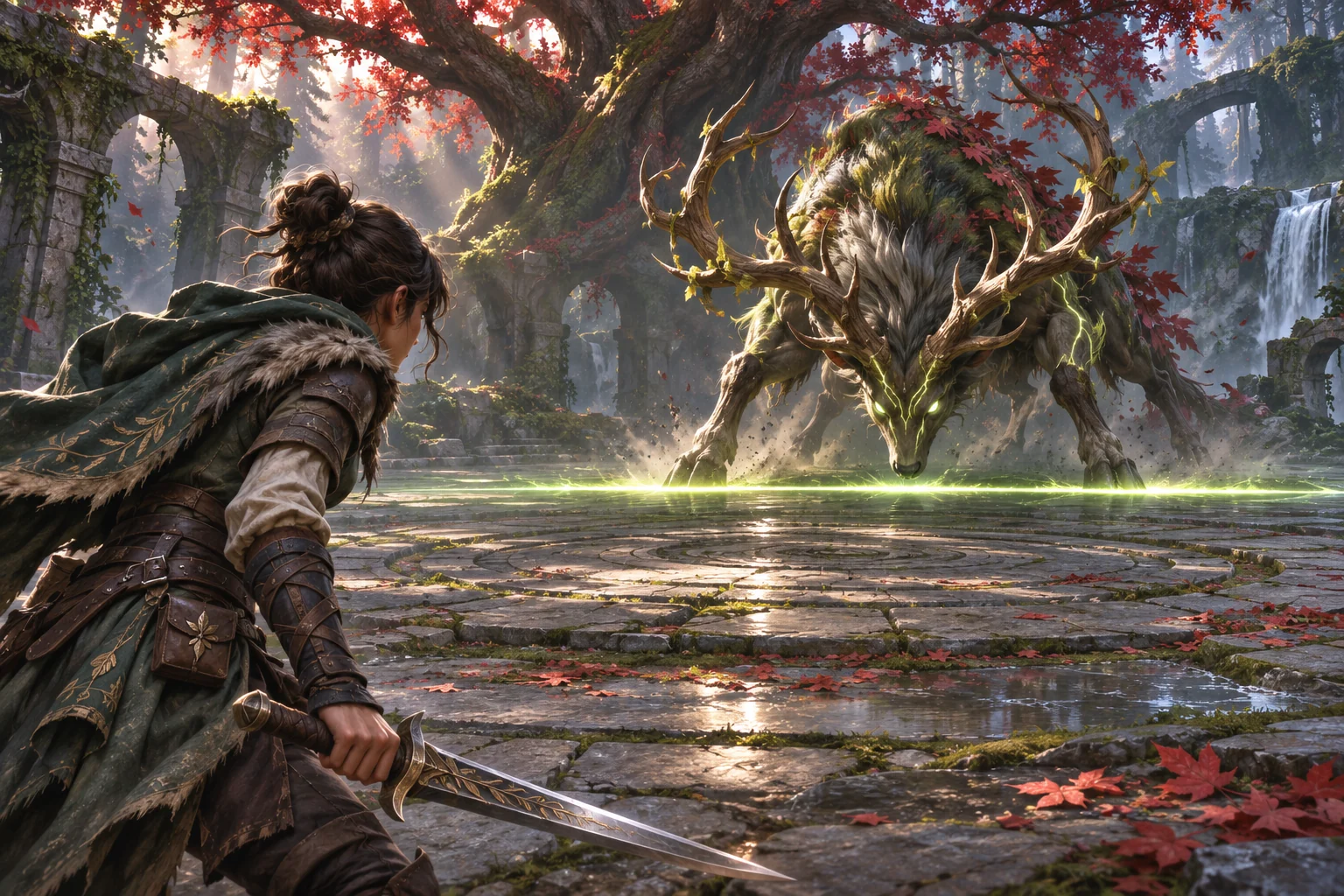
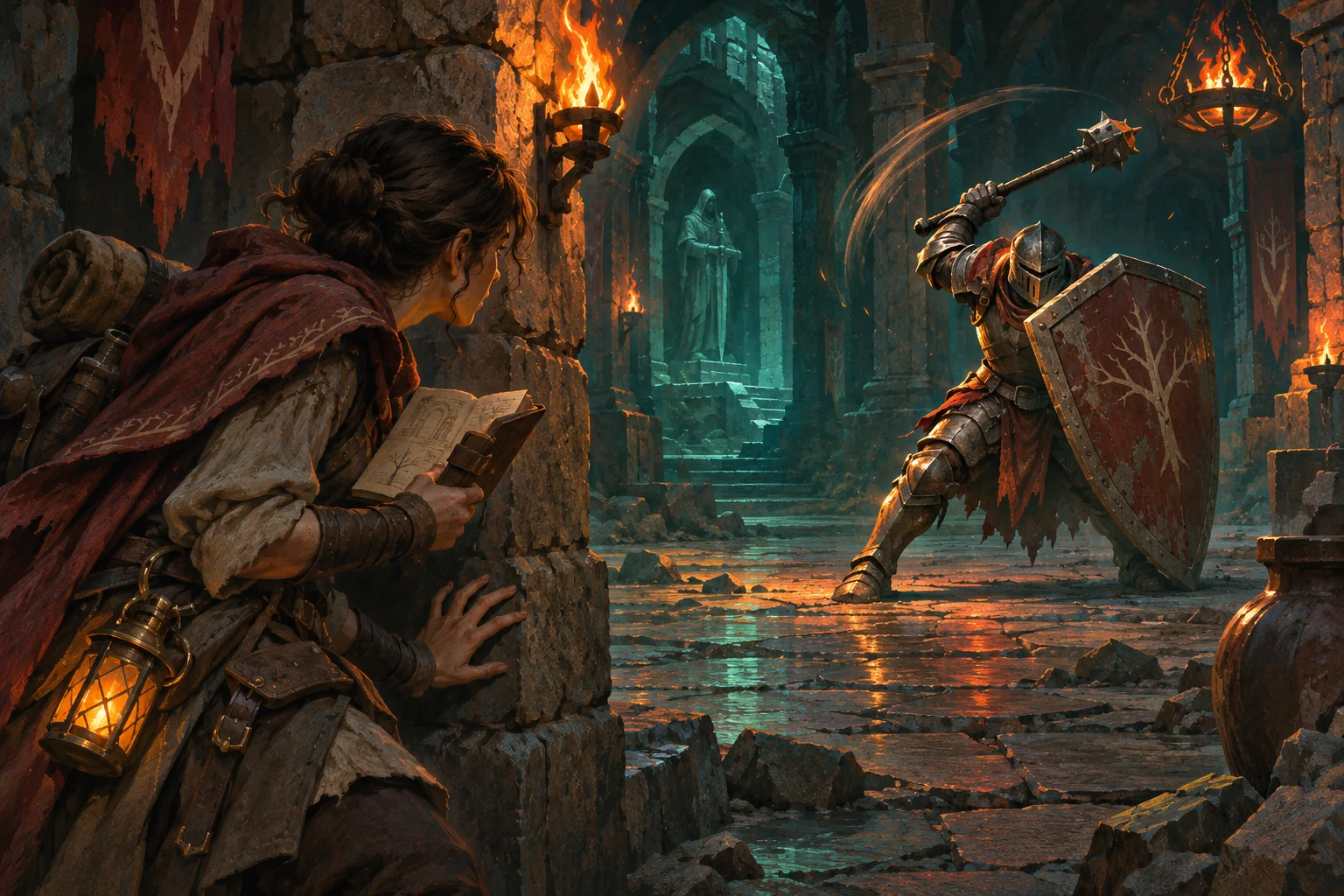
A cozy RPG can make curiosity useful by letting players learn abilities from creatures they encounter. The player watches a behavior, records a clue and tests a safe response. Learning feels earned when the new skill answers something the player actually noticed instead of appearing as a random reward.
Start with one gentle creature, one repeatable behavior and one ability unlocked by observing it. Keep the encounter safe enough to experiment and show which clue was recognized. This small deterministic model checks whether the clue and unlock rule connect; it does not test enjoyment or combat balance.
Turn observable behavior into a skill clue
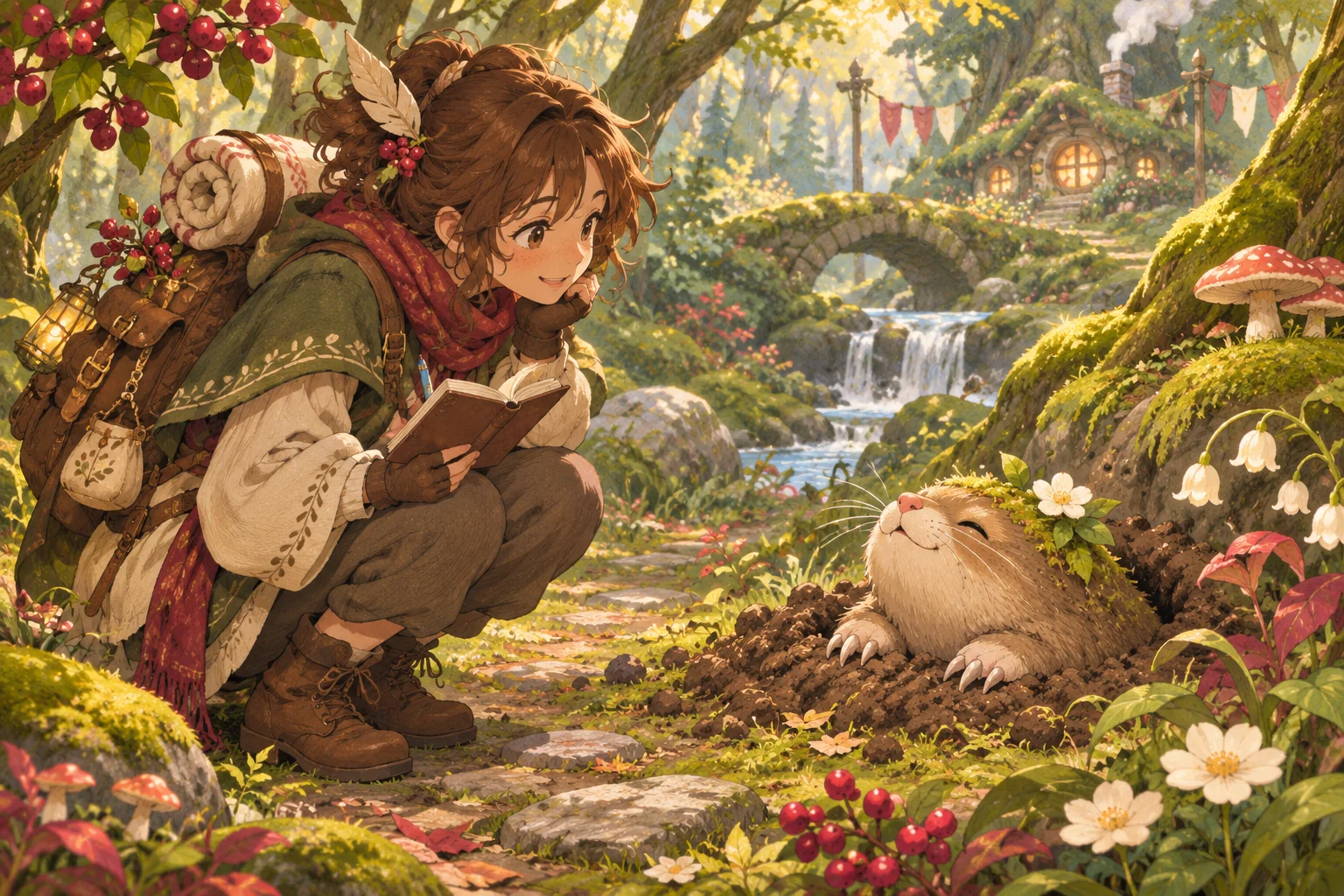
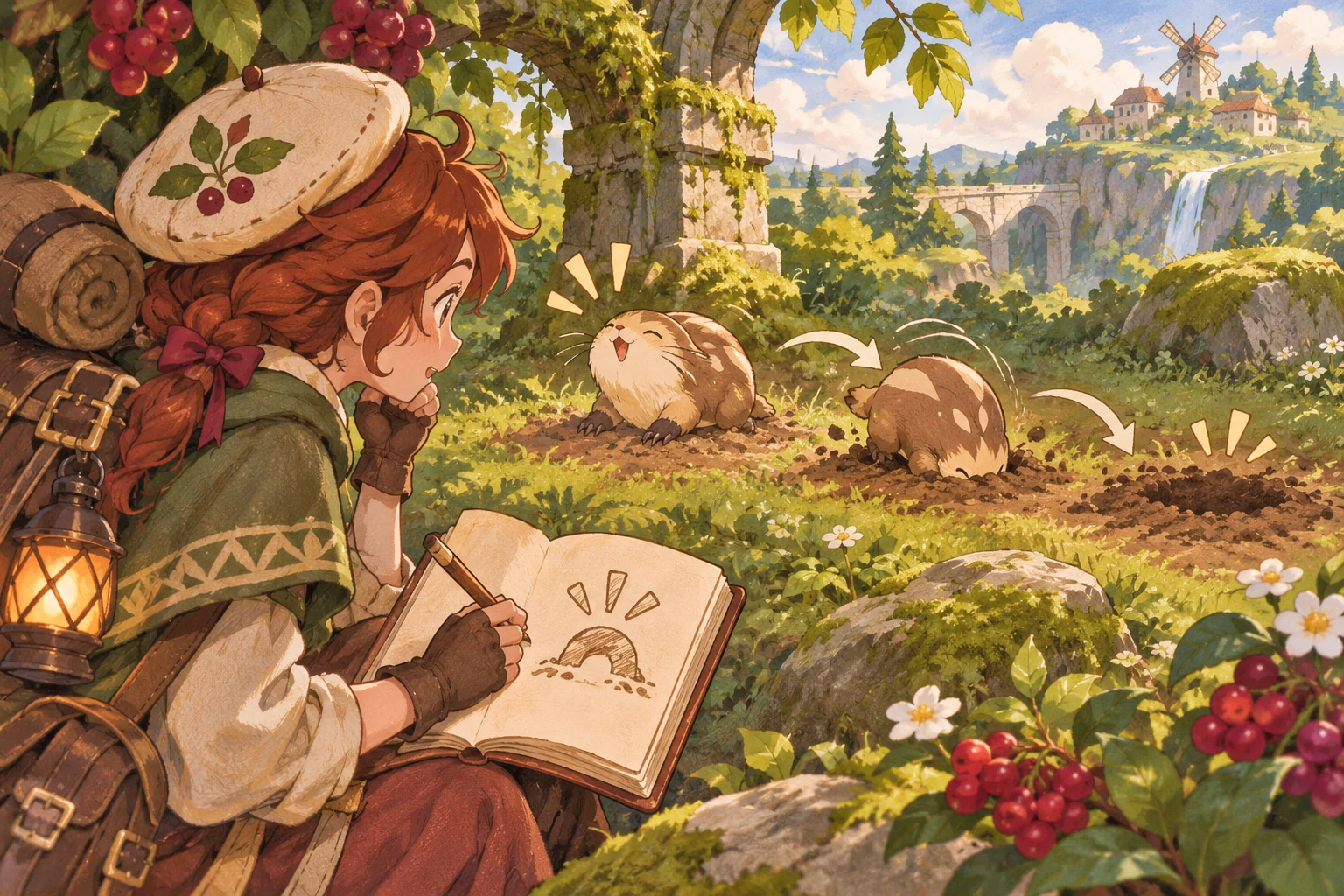
Give each creature one readable behavior sequence and one clue condition. For example, a burrower pauses, taps the ground and dives when it hears a loud impact. Observing the sequence records a clue; using a soft lure after the dive unlocks a counter skill.
Separate seeing a behavior from satisfying the learning condition. The journal can record “retreats after loud impact,” while the skill unlock requires the player to try a response. This encourages observation and experimentation without asking players to guess an invisible checklist.
Keep the first creature and skill deterministic. Hold encounter location and behavior frequency fixed while changing only whether the player observes the full sequence. Add rare variants or multi-step abilities after the clue path is legible.
See Godot’s Resource documentation for reusable creature behavior and ability definitions.
Change one observation, keep the encounter fixed
The burrower repeats its behavior every 3 turns: sound cue, pause, dive. A player who stays nearby through all three actions records the clue. If the player uses a soft lure after it dives, the study condition completes and “Echo Lure” becomes available.
Change only the observation sequence: the player leaves before the dive. The clue is not recorded, so Echo Lure stays locked. Keep creature timing, items and encounter rewards unchanged to verify the observation rule.
This deterministic sequence checks event gating only. It does not test whether the behavior is readable, whether the ability is fun, or whether the encounter remains cozy for different players.
Ask AI to prototype an observation-to-skill loop
Show the creature cue, observed action, journal clue and unlock condition.
Change only whether the full behavior sequence was observed.
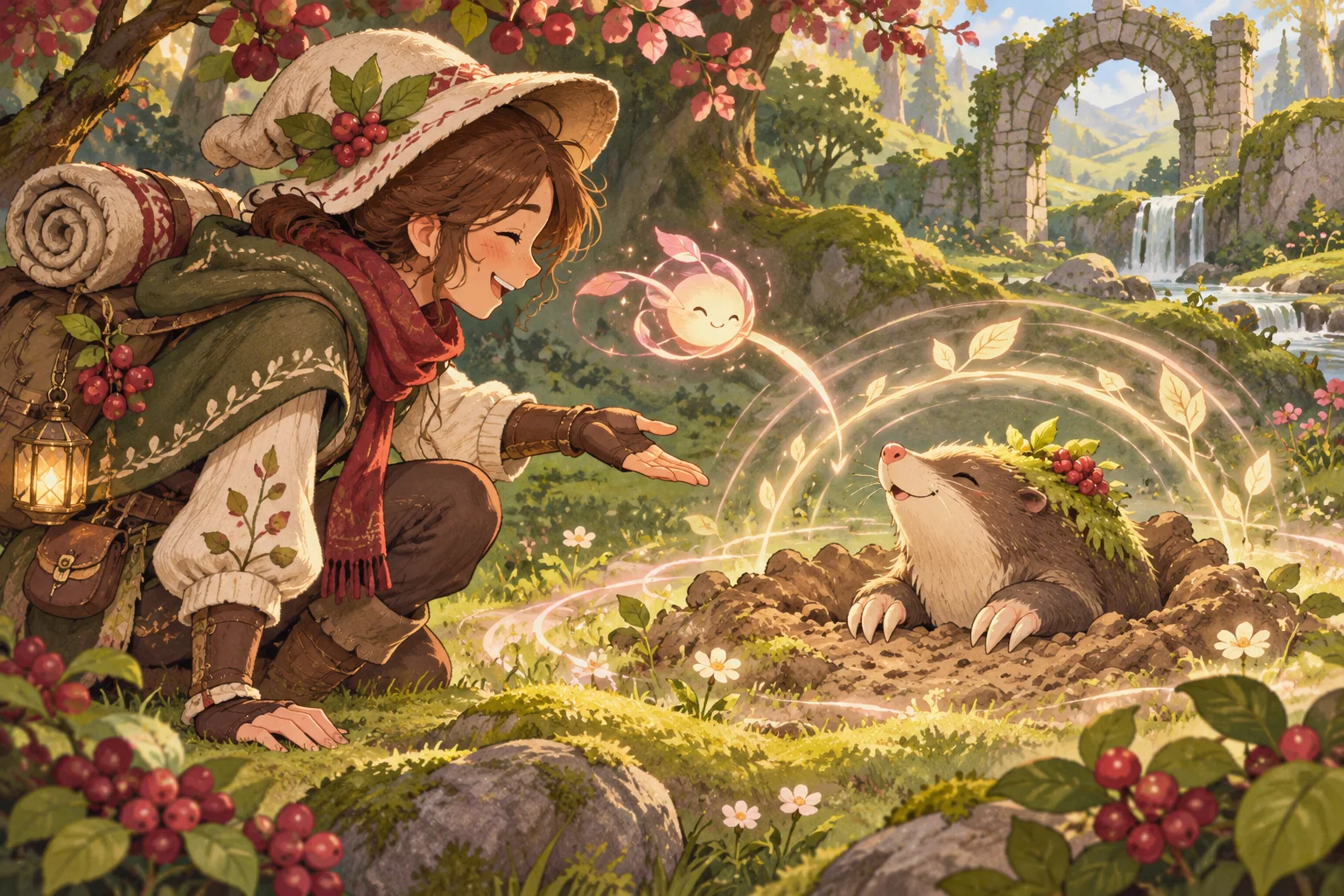
Create an original cozy RPG prototype with a gentle burrower that repeats a three-turn sequence: sound cue, pause, dive. If the player observes the full sequence and uses a soft lure after the dive, unlock the ability Echo Lure. Show the journal clue when the sequence is observed and explain why the skill remains locked if the player leaves before the dive. Keep encounter timing and rewards fixed. Do not add rare variants or combat-balance claims yet.
Make the learning clue visible before adding more creatures
Enemy study is satisfying when players can connect a visible behavior to an ability they chose to test. Separate journal observation from the final unlock condition and keep the first sequence predictable. Once players understand the clue-to-skill path, add creatures with different observation patterns.
Start a creature-study RPG prototype with SEELE’s AI game maker
Frequently asked questions
How do I make learned abilities feel earned?
Show a repeatable creature behavior, record the observation and let the player test a related response. Keep the clue visible in a journal so the unlock feels connected to curiosity rather than a hidden counter. The ability should answer something the player has seen.
Should observation and unlock use the same condition?
They can be separate steps. Observation records what happened; a later experiment lets the player apply that knowledge. Explain each step so the player knows whether a clue is missing or the final response has not yet been tried. Keep the steps visible in the journal.
Does an event model prove the ability is fun?
No. It checks that behavior events unlock the intended ability. It cannot measure readability, comfort, player curiosity or whether the new skill is useful. Playtest the creature sequence with players who have not seen the design notes. Use several creature designs and playtest sessions.