To make an original cooking game inspired by Good Pizza, Great Pizza, start with one customer request that changes how the player builds an order. In this fictional mountaintop observatory kiosk, a customer asks for a crisp pastry with herb in a vented pocket and a soft pastry with plum in a covered pocket. If you exchange the two finished pastries, you still use every ingredient. The order fails because the pockets matter.
Keep the first build small enough to test from request to handoff. One carrier and one customer let you check whether the player can interpret the order, recover from a mistake, and finish.

Use the customer order as the starting point
TapBlaze’s official game site describes fulfilling customers’ pizza orders. The studio’s press kit also describes interpreting requests, making pizzas for customers with different preferences, and seeing conversations that depend on how satisfied they are.
Borrow the design principle of turning a request into an action the player can check. Build your own setting, food, customer, and order rules. At the observatory kiosk, the container is part of the puzzle. The customer wants the two pastries arranged for different uses.
Turn one request into two exact slot requirements
Keep the customer’s line visible at the counter. “Put the herb crisp where it can breathe. I’ll take the plum soft in the covered pocket.” Give the carrier one open, slotted pocket marked with airflow and one pocket with a hinged clear cover. The cover identifies that compartment. There is no separate action to close it.
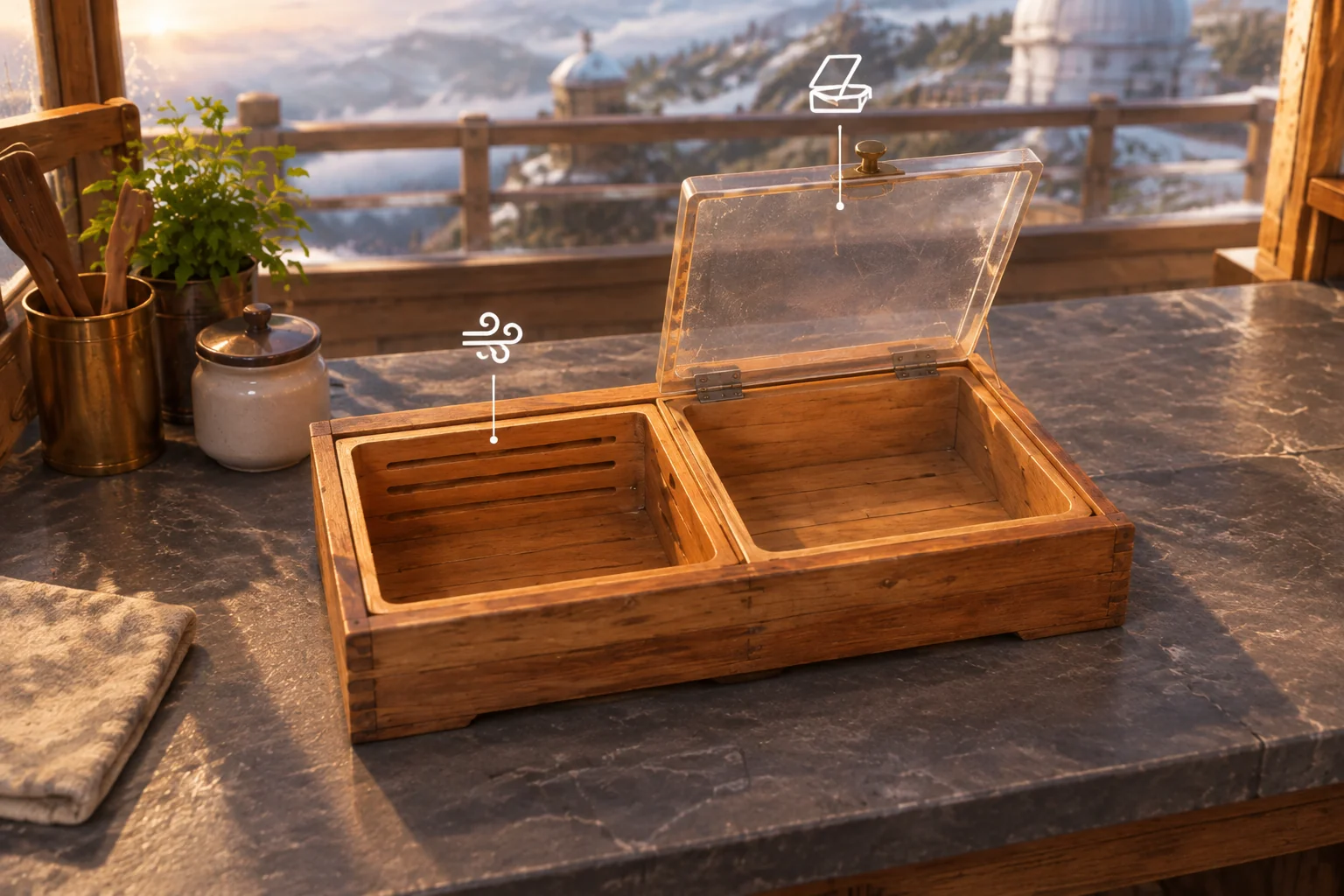
| Base | Garnish | Customer clue | |
|---|---|---|---|
| Vent | Crisp | Herb | “Where it can breathe.” |
| Cover | Soft | Plum | “Covered pocket.” |
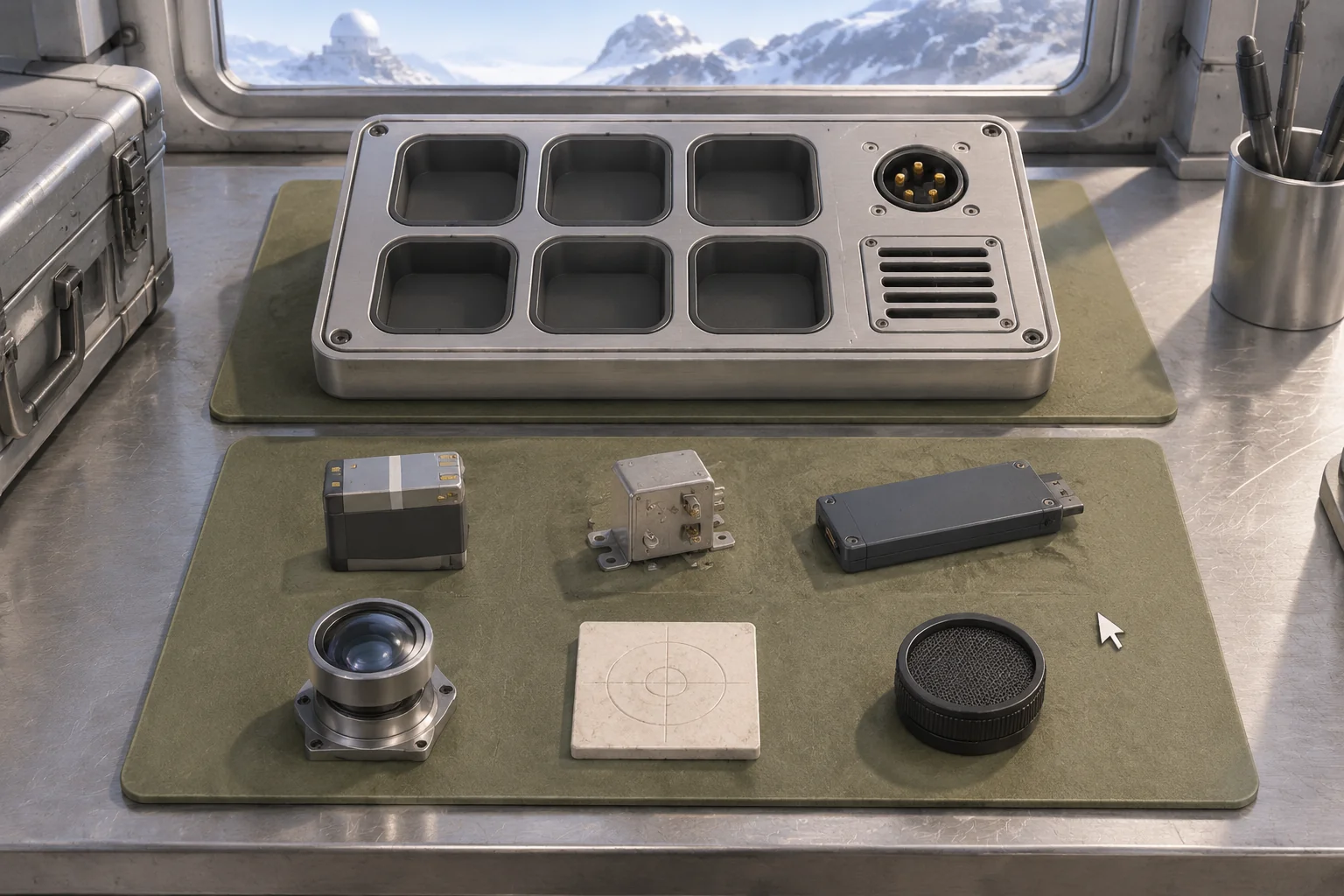
Start with one crisp, one soft pastry, one herb garnish, and one plum garnish. Place a base into an empty pocket. Add a garnish only after its pocket has a base, and allow one garnish per pocket. Consume each token as it goes onto the tray. At handoff, check the base and garnish in each pocket against the table. A count of all four pieces tells you what the player used, but it misses where they put each piece.
Replay a delivery with both pastries swapped
Each valid action uses one of seven turns. With both pastries complete, let the player swap the whole pairs between pockets without using more stock. Handoff is available only with a full tray. It spends a turn and checks the order. If the tray is full but wrong, highlight the incorrect pockets, show what each asks for, and leave the contents in place so the player can correct the arrangement.

| Turn | Direct handoff | Swapped tray with correction |
|---|---|---|
| 1 | Place crisp in Vent. | Place crisp in Cover. |
| 2 | Add herb to Vent. | Add herb to Cover. |
| 3 | Place soft in Cover. | Place soft in Vent. |
| 4 | Add plum to Cover. | Add plum to Vent. |
| 5 | Handoff passes. | Handoff rejects both pockets. The tray and stock stay as they are. |
| 6 | Order complete. | Swap the two whole pastries. |
| 7 | Order complete. | Handoff passes on the final turn. |
An incomplete tray cannot be handed over. Reject that command without spending a turn, just as you would refuse a placement that uses unavailable stock. A legal handoff with a mismatch spends a turn. Check for success before declaring the order unfinished at the turn limit, so a correct handoff on turn seven still counts.
Give AI one order and a short set of checks
Describe the tray as two fixed pockets with their own contents, and describe the player actions separately. Keep the food pieces as placeholders until the expected outcome is easy to verify.
Create an original browser order puzzle at an observatory kiosk.
Show one persistent customer request and a carrier with Vent and Cover pockets.
Vent requires crisp plus herb. Cover requires soft pastry plus plum.
Start with one token of each. No timers, currency, or cooking step.

Place one base into an empty pocket, then one garnish onto a base.
Each placement consumes that token. With both pockets complete, Swap
exchanges the complete pairs and Handoff checks each exact pocket.
Each valid action costs one of seven turns. Incomplete handoff or
swap, unavailable tokens, and invalid placements change nothing.

At a full mismatch, consume the Handoff turn, preserve the tray
and stock, and show the requested pair for each incorrect pocket.
On a match, finish successfully before checking the turn cap.
If turn seven ends without a match, mark the order unfinished.
Reset restores both empty pockets, the order, stock, and turn count.
Try handing off after placing only one base. Check that the action does nothing. Then try using herb on soft pastry and plum on crisp. Swapping whole pairs cannot fix those combinations, so use Reset and verify that all four tokens return. Replay both routes from the table and check the result immediately after each handoff.
Move the hint earlier and keep the order the same
Try showing the same mismatch hint as soon as the tray first becomes full. Keep the stock, turn limit, and final Handoff check the same. The hint uses no turn. In the worksheet, follow a simple rule: swap as soon as the hint shows that both whole pairs are in the wrong pockets.
On the baseline route, the first hint comes after a rejected handoff on turn five, so the corrected delivery succeeds on turn seven. With the earlier hint, the same four placements trigger feedback on turn four. Swap on turn five and hand off on turn six. The correct tray still needs Handoff and finishes on turn five either way.
Early feedback gives the player more room to recover, but it may also give away a deduction you want them to make. Use the guide to revising one game rule at a time to compare both versions after building them.
Finish the first order before adding a menu
Ask for a tray the player can assemble, submit, and reset. Give the validator a wrong tray with all the right pieces before you add a second customer. Start your original cooking prototype with SEELE’s AI game maker and keep the two delivery routes nearby as checks.
Frequently asked questions
Should the request stay visible while the player assembles the tray?
Keep it available if the challenge is interpreting the request. The player can revisit a clue while comparing pockets. You can let them fold the request away for space, as long as they can open it again without spending one of the assembly turns.
How can players tell the two pockets apart?
Use a different shape and an icon for each pocket, and keep their positions consistent. A slotted side and an airflow symbol distinguish Vent. A visible hinge and a lid symbol distinguish Cover. Give keyboard focus a clear outline if the tray supports keyboard controls.
When is swapping whole pairs a good correction action?
Use it when the important mistake is where the player placed an otherwise complete item. It preserves the work already done and gives the player a specific way to act on feedback. Add a separate undo action later if correcting individual pieces becomes part of the challenge.
What should the second order change?
Try a different pocket assignment with the same two containers and familiar controls. That checks whether the validator reads the active order instead of accepting a hard-coded arrangement. Give the new customer a clear reason for the new request so the change feels intentional.