Start an evidence-led deduction game with a question you can answer from a small, complete set of clues. In the fictional Weather Station Archive, three technicians worked three separate stations at 06:00. The player has to reconstruct the roster from a key register, a duty sheet and a handover receipt.
Design the case on paper first. Check that each clue changes what can be ruled out, then ask an AI builder to make the evidence readable and the assignments reversible. A short case with a verified answer gives you a better starting point than a long script with an uncertain solution.
Choose a question with a checkable answer

Lucas Pope’s official press kit for Return of the Obra Dinn describes a mystery built around exploration and logical deduction. A small browser project can use that broad pattern by asking the player to gather information, form a theory and commit to a complete answer.
For this case, give Ada, Bram and Cleo one station each. Each station has exactly one technician. The only options are Radio Mast, Rain Gauge and Power Shed. Spell out that exclusivity in the opening briefing. Otherwise, a player could reasonably assign two people to the same location and draw a different conclusion from the same evidence.
Write evidence that changes the roster
Write each record as something a player can inspect. Then state its logical effect in your design notes. Keep the difference between an observation and an inference clear. A signature shows a role only if the record explains who was allowed to sign.
| Evidence | What the record says | What it rules in or out |
|---|---|---|
| E1, key sign-out | Ada did not receive the Power Shed key. A shed assignment requires that key. | Ada was elsewhere. |
| E2, duty sheet | Bram was unavailable for Radio Mast duty for the whole shift. | Bram was elsewhere. |
| E3, handover receipt | Cleo signed as the Rain Gauge’s assigned technician. | Cleo worked at Rain Gauge. |
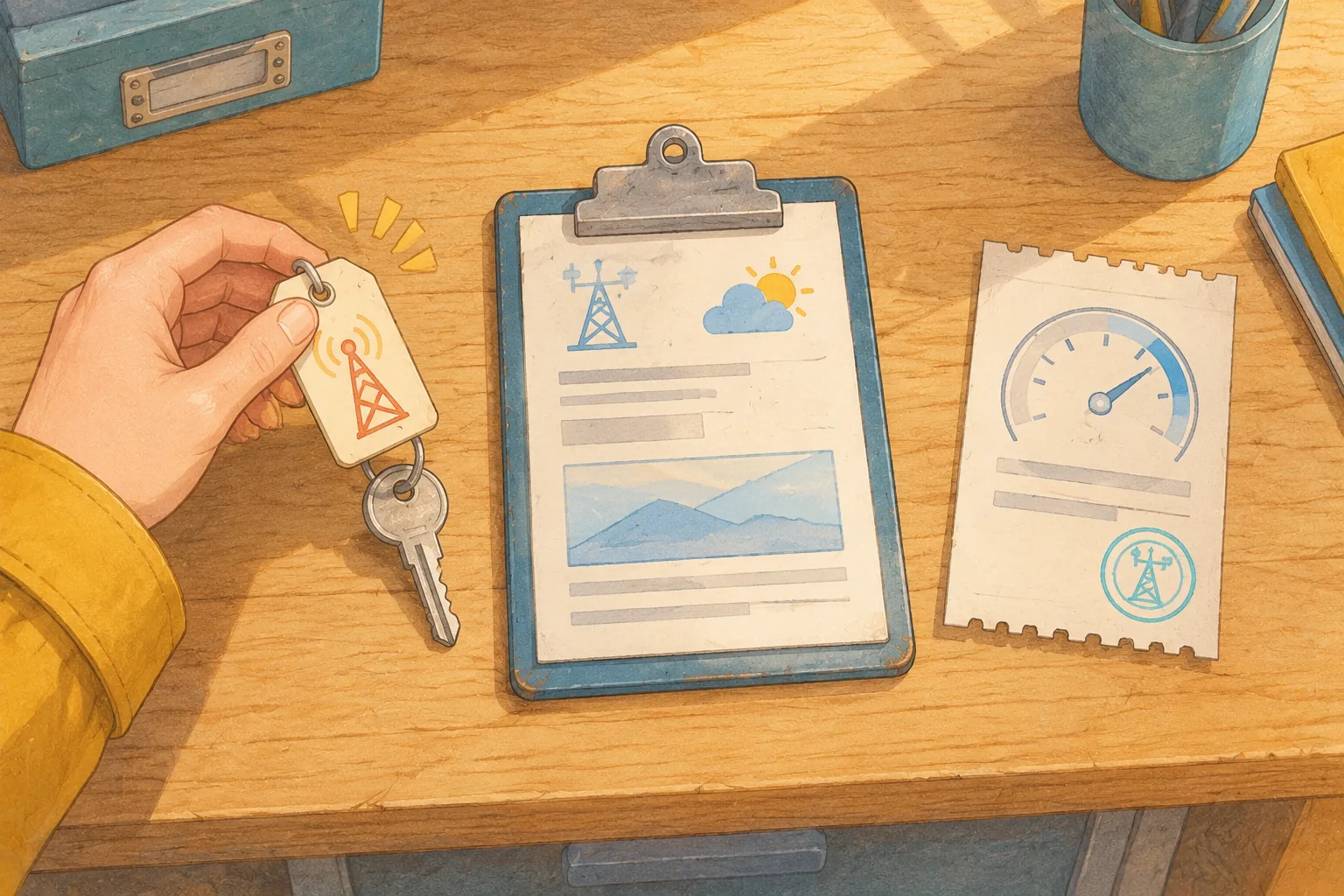
Let the player reopen each record while editing the roster. On a wide screen, place the evidence list beside the board. On a narrow screen, put the roster and evidence in separate panels with clearly named controls for returning to either. Store the tentative roster in one shared state so changing panels preserves it.
Verify uniqueness before building the board
List every way to assign the three distinct stations to the three names. There are six arrangements. Remove each one that contradicts a clue. The count falls from 6 to 4 after E1, then to 3 after E2. Those three remaining candidates are easy to inspect directly.
| Ada | Bram | Cleo | E3 check |
|---|---|---|---|
| Radio Mast | Rain Gauge | Power Shed | Conflicts |
| Radio Mast | Power Shed | Rain Gauge | Matches |
| Rain Gauge | Power Shed | Radio Mast | Conflicts |
Remove E3 and all three rows survive. Add a fourth record that says Cleo was the assigned Radio Mast technician while leaving E3 in place, and none survive. These are useful author checks: one surviving row means the evidence determines the roster, multiple rows mean the case is underdetermined, and zero rows mean the clues conflict.
Give feedback on the whole roster
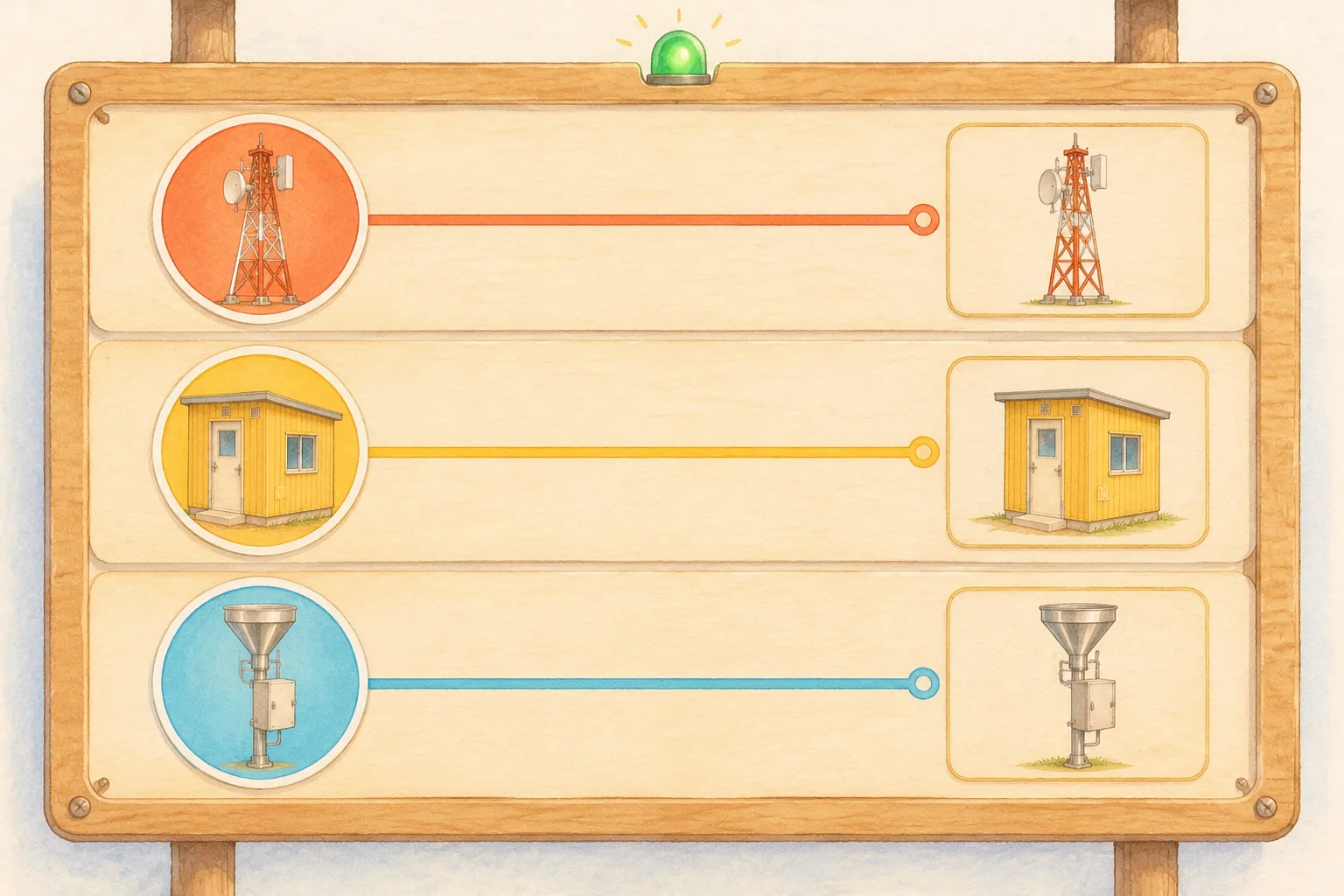
Allow edits and undo before verification. If the same station appears twice, explain the exclusivity rule immediately. For a complete roster that conflicts with the records, return one message about the evidence as a whole. If each row lights up independently when guessed, the player can solve by trying options without reading the case.
After a match, show the full answer and which record establishes each deduction. The receipt places Cleo at Rain Gauge. Bram cannot take Radio Mast, so Bram takes Power Shed. Ada takes the remaining Radio Mast assignment, consistent with the key sign-out. The explanation should preserve that chain rather than making E1 sound sufficient to place Ada by itself.
Give AI the complete case
Use this prompt to build the first version. Test the case data and interaction before adding more names or discovery scenes.
Build an original browser deduction game called Weather Station Archive.
At 06:00, Ada, Bram and Cleo held one station each. Each station had one technician.
Stations: Radio Mast, Rain Gauge and Power Shed.
E1, key sign-out: Ada did not receive the Power Shed key. Shed duty requires that key.
E2, duty sheet: Bram was unavailable for Radio Mast duty for the whole shift.
E3, handover receipt: Cleo signed as the assigned Rain Gauge technician.
Display these exact facts in three readable evidence cards. Keep them available while editing.
Let the player assign a station to each technician, undo edits and reset to an empty roster.
Explain duplicate assignments and missing selections before verification.
For a complete but incorrect roster, give a general evidence-conflict message.
Verify the whole roster. Reveal the explanation only on a successful submission.
In a separate author check, enumerate distinct station assignments.
Expected counts: no clues 6, E1 only 4, E1 and E2 3, all three clues 1.
Expected answer: Ada Radio Mast, Bram Power Shed, Cleo Rain Gauge.
Confirm that adding Cleo = Radio Mast while keeping E3 leaves zero answers.
Use keyboard-accessible controls and original weather station illustrations.
Try a roster with one missing choice, a duplicate station and a complete incorrect assignment. Each should receive the feedback specified above. Then submit the unique solution, confirm the explanation and reset. The reset should leave all three stations unassigned and keep the original evidence available.
For help turning your own evidence ledger into a first prototype, see the first-build guide. Build Weather Station Archive in SEELE AI Game Maker using the prompt and verify the roster before expanding the case.
Frequently asked questions
How many clues should my first deduction game have?
Start with a small set you can check completely. In this case three records narrow six possible rosters to one. Add a clue when it helps distinguish candidates or explains an assumption the player needs. Avoid adding a second record that only restates a deduction the existing clues already force.
How can I tell if a clue leaves the mystery ambiguous?
Remove the clue and count the surviving assignments. If multiple distinct rosters still fit every remaining record, the reduced case is ambiguous. In the weather station example, removing the handover receipt leaves three possibilities. Try showing the surviving candidates to the author in a debug view, with the filter that eliminated each rejected row.
Should the game say which individual guesses are correct?
Give immediate feedback on missing entries and duplicate assignments. For a complete but incorrect roster, give a whole-case conflict message so that readers still need to interpret the records. Once the player succeeds, explain the whole chain so they can compare it with their own reasoning.
What should I check before expanding the case?
Confirm the unique roster, undo, reset and whole-roster feedback. In your author check, remove one clue to test ambiguity and add an incompatible clue to confirm the checker can detect a contradiction. Recheck the original six candidates after a reset if an author tool lets you change case data.