Introduction
A cozy sorting puzzle needs more than objects and shelves. The player needs a reason to choose where something belongs, a rule they can learn, and feedback that makes the room feel changed by that choice. Unpacking is officially described as a puzzle about pulling possessions from boxes and fitting them into a new home. That broad premise can inspire a new project, but its particular objects, rooms, art, story and presentation should stay its own. Unpacking's official listing provides the high-level reference; the design below is an original teaching example, not a recreation.
Imagine a fictional game called Room for One More. A traveling botanist has moved into a compact greenhouse flat. The player sorts a few boxes of tools, notes and seed packets. The original puzzle rule is that each plant responds to a labeled microclimate—cool, bright or humid—and placing a seed packet beside the matching window station changes which plant appears there. The room's details gradually tell a story about the botanist's work. This example is hypothetical; no playable version or test result is claimed.
The practical way to make a game like Unpacking with AI is to borrow only a broad player goal—turning a new space into a personal one—then invent your own sorting rule, constraints and consequences. Start with one small room and a handful of objects. A prompt-led workflow can help you explore that concrete starting point, but you still need to inspect the rules, revise unclear feedback and decide what belongs in the finished game.
Separate the broad premise from the specific design
Before writing a prompt, make two lists. The first describes the general experience you want: unpacking, arranging, noticing details, or making a place feel lived in. The second lists the original choices that will define your project: its setting, object categories, placement rules, story clues, art direction and feedback. Keep the first list short and make the second one specific.
For Room for One More, the broad goal is “make a small home feel personal by sorting belongings.” Its own design is a greenhouse flat, a botanist, annotated seed packets and a climate-matching rule. The player is not asked to reproduce a known room or tell another game's story. They are learning a new rule through new objects.
| Design layer | Broad direction | Original decision for the example |
|---|---|---|
| Player goal | Make a new place feel arranged | Prepare a working greenhouse flat |
| Objects | Sort belongings from boxes | Match seed packets, tools and field notes to stations |
| Puzzle rule | Decide where items belong | Pair each seed packet with its labeled microclimate |
| Feedback | See the room respond | A suitable plant appears at the matching window station |
| Narrative | Learn about a person through things | Show the botanist's changing research through original notes |
The table turns inspiration into decisions you can evaluate. If the second column still describes a recognizable room, character or sequence from the reference, change it before generating art or dialogue. A useful originality check is whether your rule and its feedback would still make sense without mentioning the inspiration at all.
Make placement teach the puzzle rule
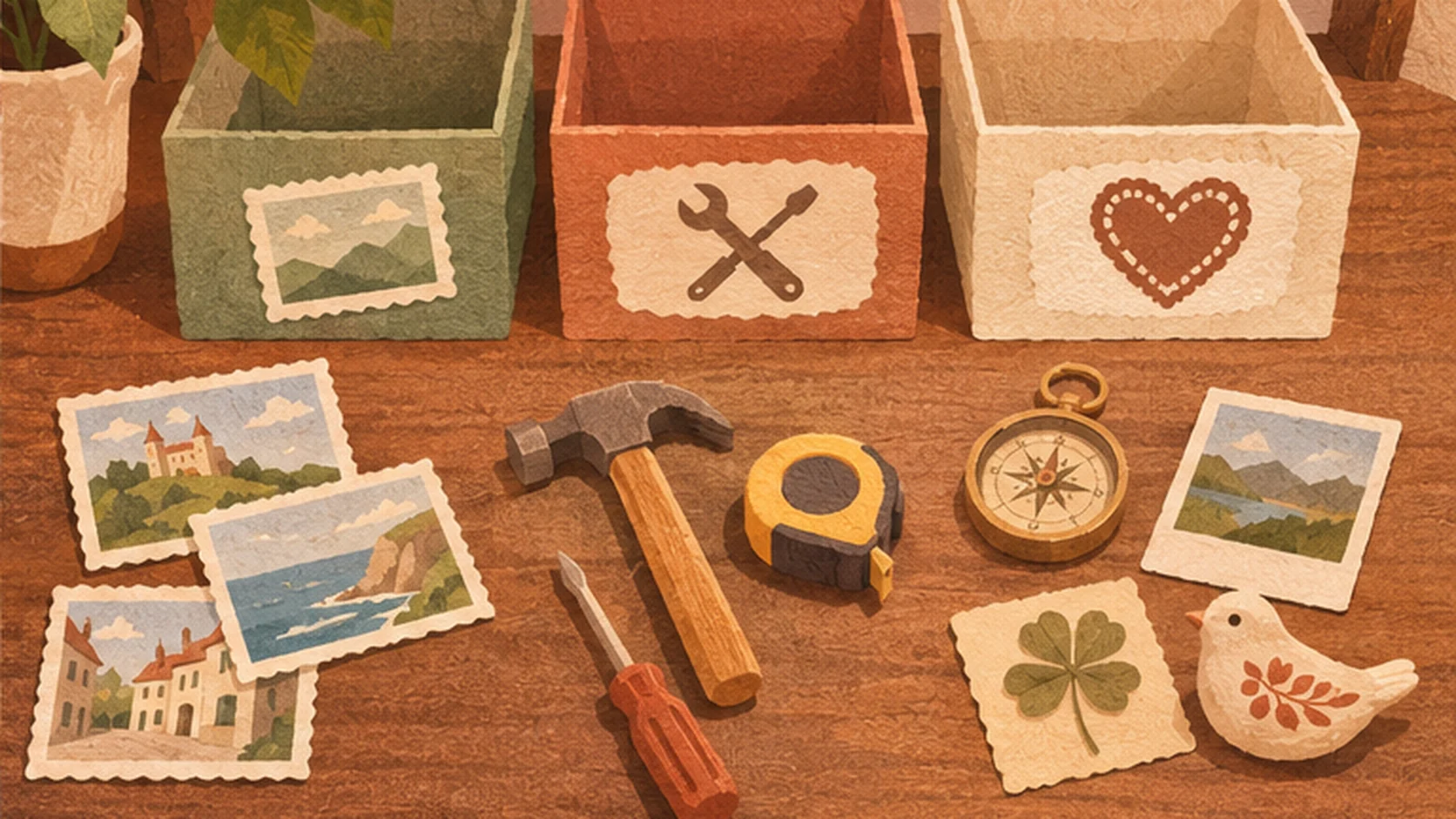
An object should communicate what it is, what constraint matters, and whether the placement worked. If all three facts are hidden until the room is complete, the player may be guessing. If the game tells the answer before the player acts, there is no discovery. Let an item offer a clue, let the room respond, and let the player make another informed choice.
For the fictional greenhouse, each packet has a small illustrated climate note. A cool-window packet might show a crescent and a dew drop; a bright-window packet could show a sun mark. These are proposed visual cues for the example, not existing game assets. When a packet is placed by a matching station, the label becomes readable and a plant silhouette appears. A mismatch could leave the packet available to move, with a gentle visual cue that the station's conditions do not fit.
| Player action | Immediate response | What the player can infer |
|---|---|---|
| Inspect a seed packet | Its climate icon comes into focus | The packet has a placement clue |
| Place it by a station | The station reacts or stays unchanged | The location may match or conflict with the clue |
| Confirm a match | A plant appears and the note joins a research board | Correct sorting changes the room and records progress |
| Revisit the board | Earlier notes sit beside the new plant | The room can carry a small narrative thread |
Keep the response proportional. A subtle plant change may suit a calm puzzle; a short animation may suit a more playful one. The important part is consistency: the same cue should mean the same thing each time. Avoid relying on color alone for climate clues; pair color with a shape, icon or short label so the information remains readable.
Scope a first room that can be understood
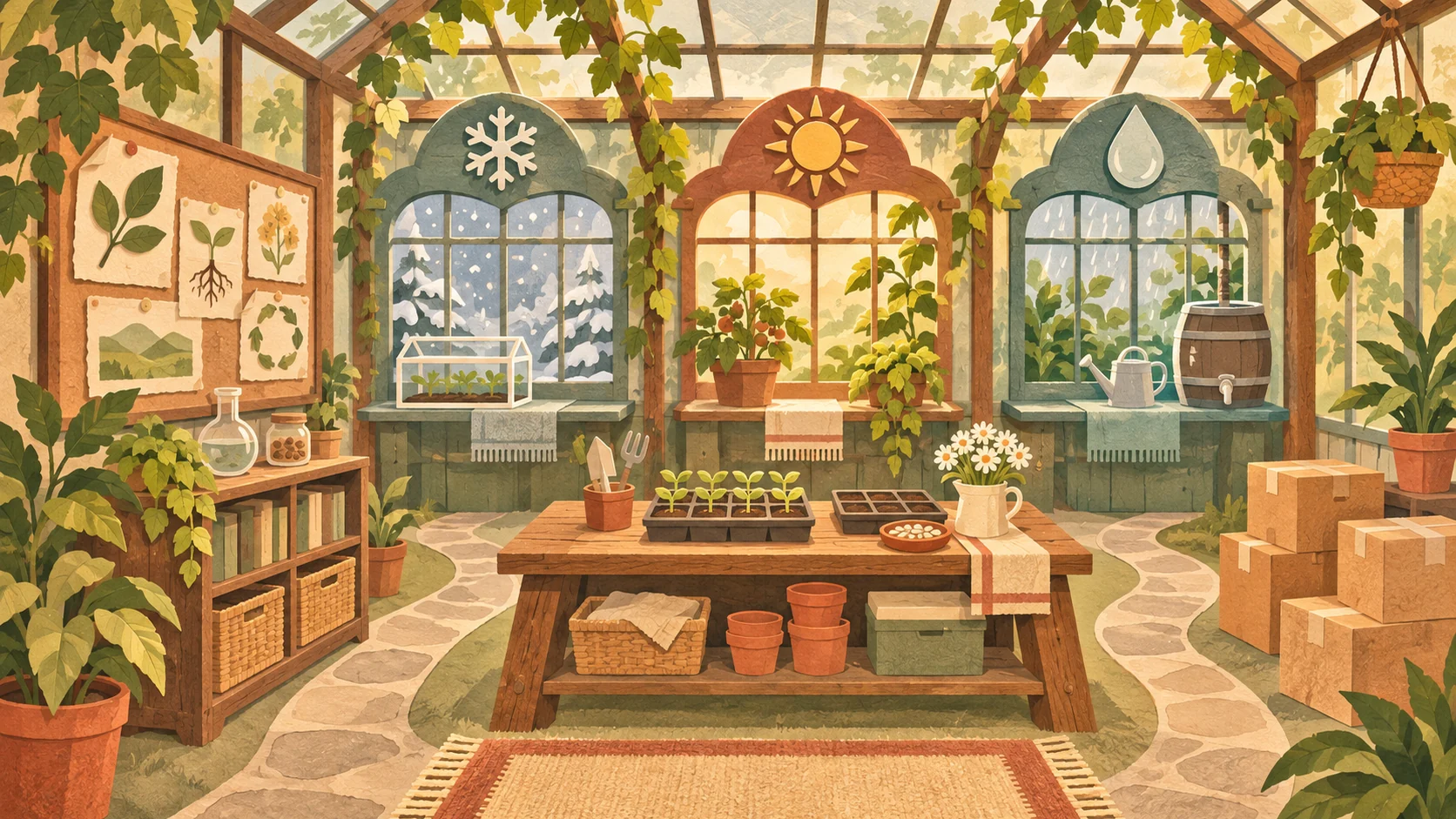
A prototype does not need a whole house. Choose one room, one kind of placement decision and a small set of objects that exercise the rule. For this example, a first slice could contain three climate stations, six objects and one research board. Two items can be straightforward matches, one can require comparing a note with a station, and one can be decorative so the player learns that not every object solves the puzzle.
| Prototype element | Start with | Add later only if useful |
|---|---|---|
| Space | One greenhouse flat | A second room with a new constraint |
| Items | Six clearly distinct objects | More objects that combine known rules |
| Rule | Match a packet to its climate station | A special case that uses two clues |
| Feedback | Placement cue plus visible plant response | A richer animation or sound layer |
| Story | One note connected to the room | A longer sequence of research discoveries |
This limit helps you diagnose the design. If players cannot explain why an object belongs somewhere, adding more rooms will multiply the confusion. First decide whether the clue is visible, whether the placement affordance is clear, and whether the consequence confirms the rule. Expand the space only after that sequence is coherent on paper or in a local prototype.
Write a prompt around actions and feedback
A useful prompt describes the player's task, the rule, the objects, the feedback and the parts that must remain original. “Make a game like Unpacking” leaves those choices undefined and invites imitation. Try a bounded brief such as this fictional example:
Create an original cozy sorting-puzzle prototype called Room for One More. The player is arranging a traveling botanist's belongings in a small greenhouse flat. In the first room, let the player inspect six distinct objects and place seed packets near one of three microclimate stations: cool, bright or humid. Give each packet a readable illustrated clue, show a clear response after placement, and let a correct match reveal a plant and update a simple research board. Keep incorrect placements reversible. Use original characters, writing, objects, rooms, art and interface. Do not recreate any existing game's scenes or assets. Treat this as a proposed starting point that still needs review.
SEELE's catalog describes prompt-led game creation, so a creator can use a specific prompt like this to explore a starting idea. That statement does not confirm that this example has been generated or tested. You can start from the Free AI game maker, then inspect whether the resulting interaction actually communicates the rule. Revise the prompt around an observed ambiguity instead of adding unrelated content.
Iterate with a short evaluation checklist
Use the same sequence each time you inspect a prototype: identify one object, state the clue, place it, describe the response, and explain what changed in the room. If the player cannot tell what to do, improve the clue or placement affordance. If they can act but cannot tell whether the choice mattered, strengthen the immediate response. If the response is clear but the room feels impersonal, add a small original detail that connects the object to the fictional character.
These are proposed evaluation questions, not results from a playtest:
- Can a new player find the first object and understand how to move it?
- Can they describe the clue before placing the object?
- Does the station response consistently distinguish a match from a mismatch?
- Can they undo a placement without losing progress?
- Does a successful match visibly change the room or research board?
- Can the player explain what one room detail suggests about the botanist?
Change one part of the rule or feedback at a time. If the icon is ambiguous, adjust the icon before changing the puzzle. If a plant appears only after several unrelated actions, connect it more directly to the matching placement. Keep notes about what you changed and what you still need to check; do not call an imagined outcome a successful test.
Troubleshoot common design problems
| What you notice in a review | Possible cause | First adjustment to try |
|---|---|---|
| The player guesses without inspecting items | Clues are too faint or hidden | Make the clue readable on selection and keep it visible during placement |
| Every shelf seems equally plausible | The rule has no spatial or visual signal | Give stations distinct labels and reinforce them in the room |
| A correct placement feels unimportant | The result is delayed or too subtle | Show the plant or research-board update immediately |
| A mismatch feels like punishment | The game removes the item or blocks recovery | Let the player move it again and explain the cue gently |
| The story feels detached from sorting | Objects do not connect to a character goal | Add one original note or detail that gains meaning after placement |
These adjustments are hypotheses to try, not guaranteed fixes. Review the same interaction after each change. If the game is calm by design, feedback can remain quiet; it still needs to be noticeable and consistent.
Keep originality visible as the project grows
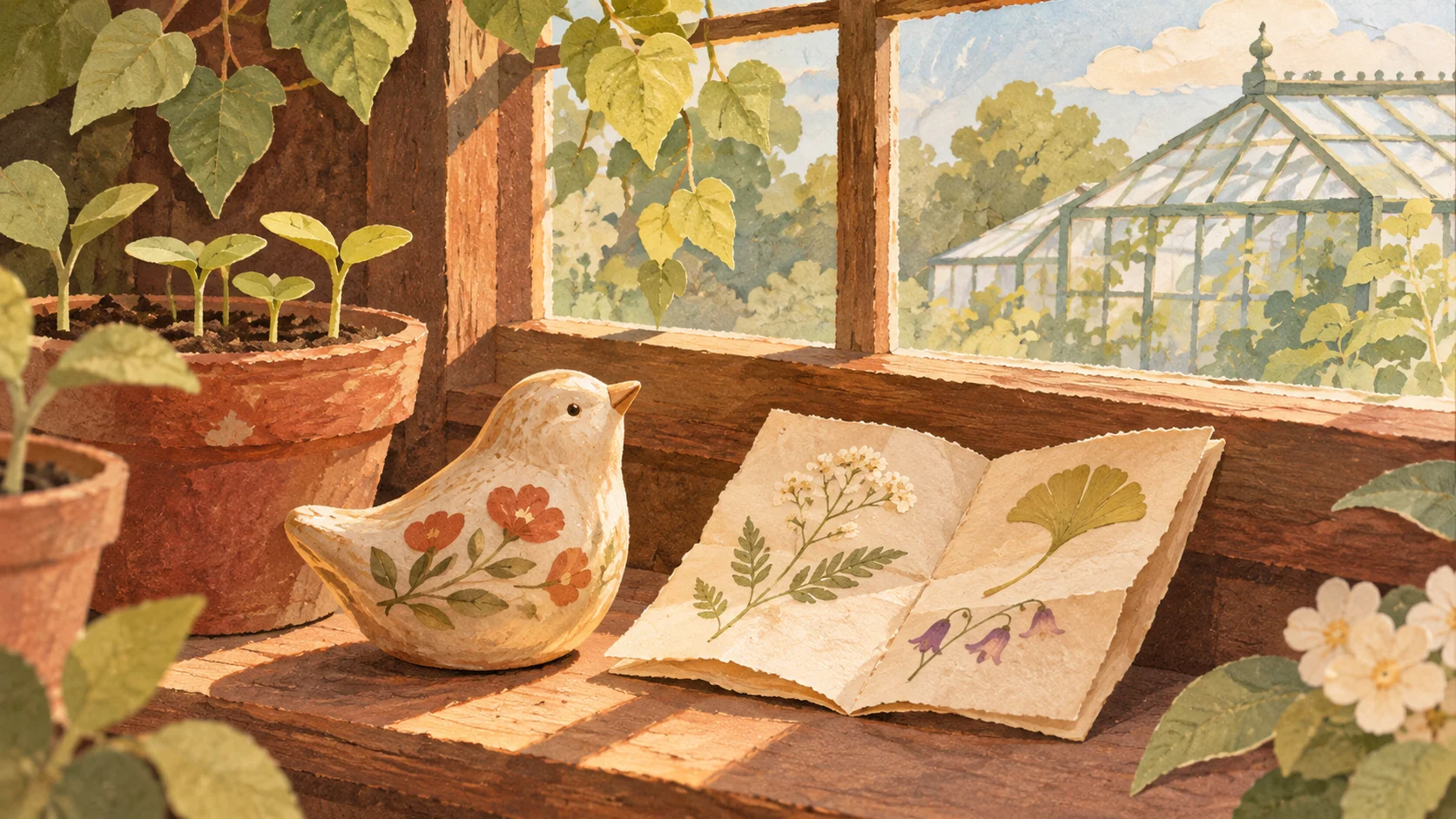
A reference can help you explain the mood or broad activity you want, but your own design becomes stronger when its player decisions are precise. For every new room, ask what the player is learning, what evidence the room provides, and how the result changes the fictional space. Add new constraints only when they deepen that loop. A note about plant care, for example, could introduce a second clue later; a new collection system that has no effect on placement may only add bookkeeping.
Keep a simple originality checklist beside the draft: new setting, new characters, original objects and writing, distinct art direction, a rule with its own feedback, and no reproduced scenes or assets. This helps creative work stay focused on the experience you want to make instead of copying surface details. It also gives collaborators a clearer brief to review.
Conclusion
To make a game like Unpacking with AI while keeping the work original, begin with a broad goal—turn belongings into a personal space—and define a new rule that shapes every placement. Room for One More uses fictional climate stations, annotated seed packets and visible plant responses to connect sorting with story. Prototype one room, make the clues and consequences readable, and expand only after the core interaction is clear. The example is a design proposal, not a tested game.
FAQ
How do I make a game like Unpacking without copying it?
Borrow a broad goal such as arranging belongings in a new space, then create your own setting, objects, placement rules, characters, writing, art and feedback. The greenhouse sorting example in this article is fictional and distinct.
What makes a cozy sorting puzzle engaging?
A readable decision, consistent feedback and a room that changes in response can give each placement purpose. Start with one rule and a small set of objects before adding more systems.
How many items should a first prototype include?
There is no universal number. This article's six-object room is a fictional scope suggestion: enough to show a few clear cases without requiring a full house or a large inventory.
Can AI create and test this kind of game automatically?
A prompt can help describe a starting idea, but this example has not been built or tested. Review the interaction yourself and check whether players can explain the clue, placement and result.
What should I change if players keep guessing?
Check whether the clue is visible before placement and whether each station communicates its rule. Strengthen one cue at a time, then review the same interaction again.