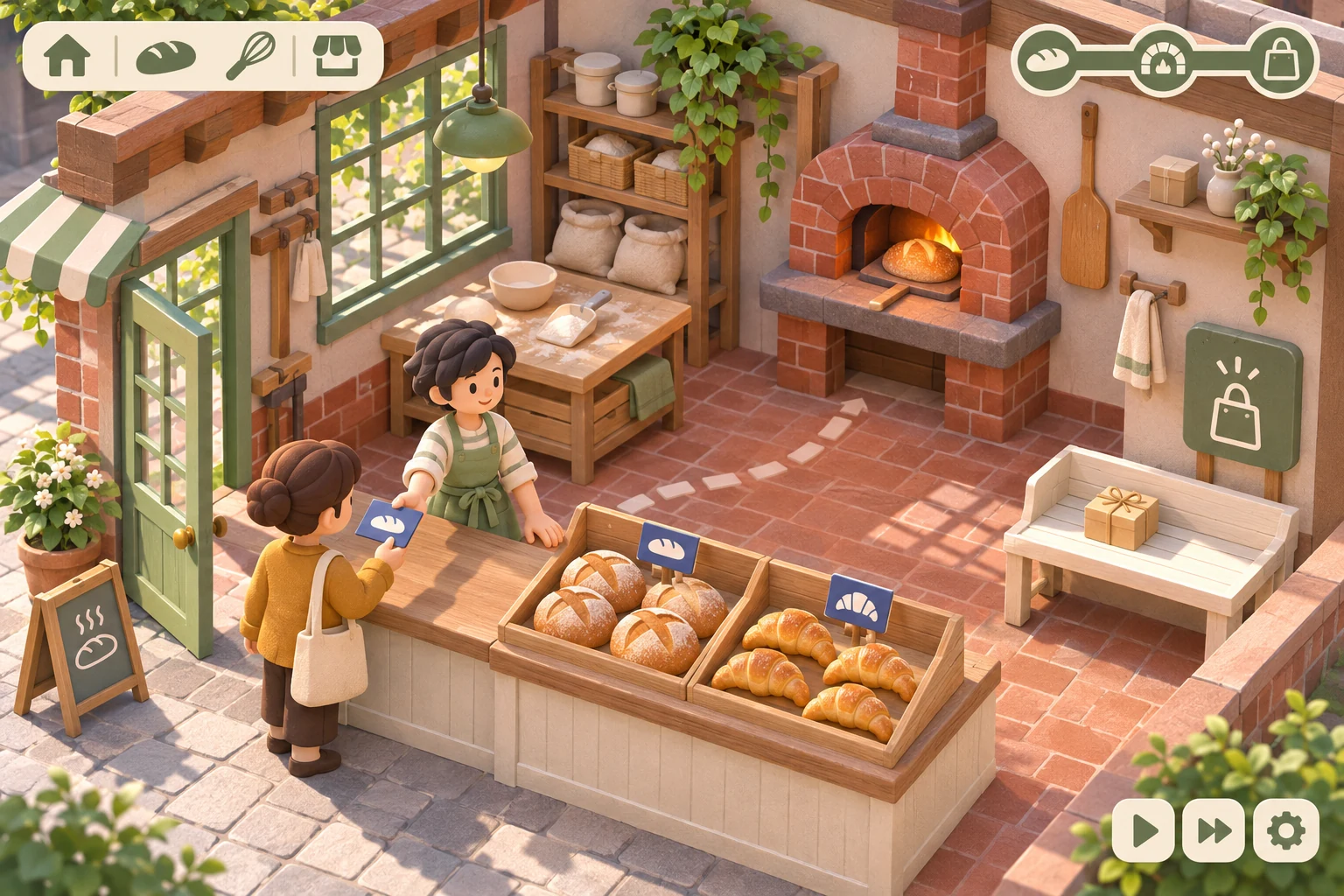
In the fictional studio Small Kite, junior artist Mira can finish three cleanup tickets before Friday. She could also finish two and light part of the forest scene with lead artist Rowan. Both plans deliver three tickets. Only the second gives Mira experience that prepares her to take a lighting assignment alone.
Give each ticket a delivery and a learning consequence
The first milestone needs three finished tickets. Use one work slot per ticket for Mira. Cleanup always counts toward delivery. On the first completed cleanup, grant one practice point. A supervised lighting ticket counts as one deliverable and grants one point the first time Mira completes it. It also consumes Rowan's only mentor slot, which could instead be used on another task.
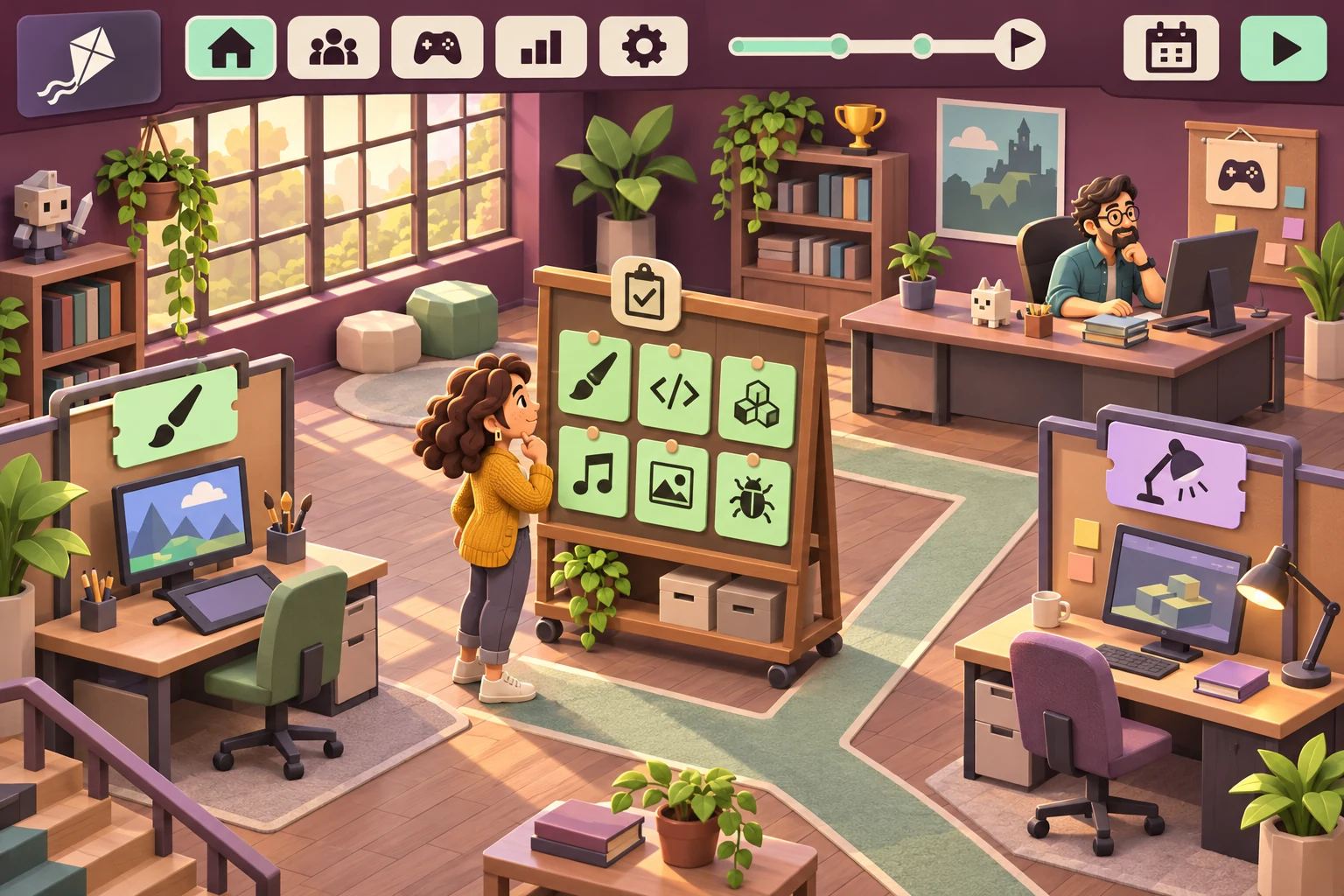
Show the missing lighting practice before the assignment
Require two points to unlock solo lighting. Show Mira's practice history in the assignment card and mark the missing lighting category. Block a supervised assignment when Rowan is unavailable, leaving both schedules unchanged. Keep task definitions separate from completion history. In Godot, a Resource can store the ticket inputs, while the employee record keeps the practiced categories and used mentor capacity.
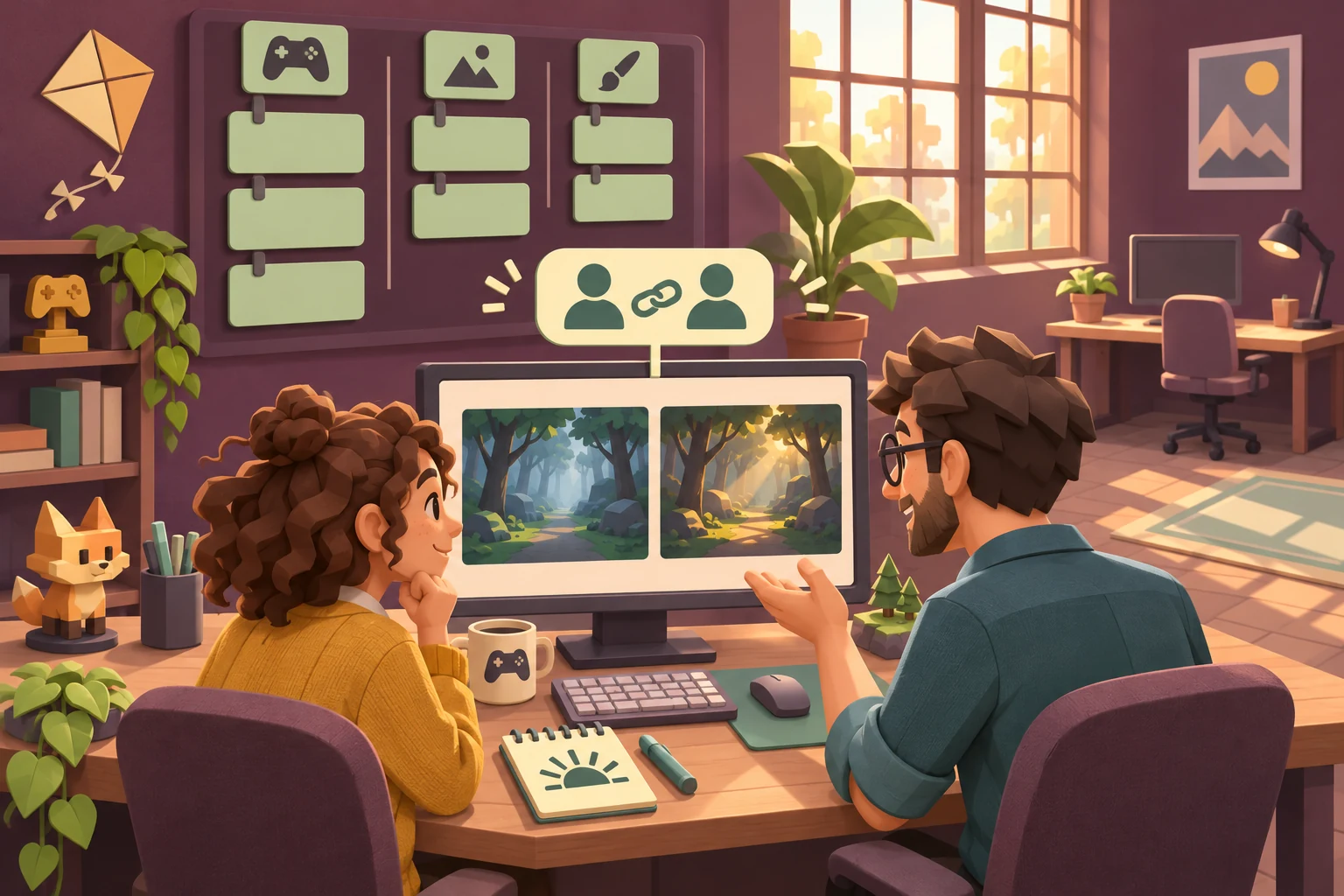
Replay two Friday plans with the same milestone
In the baseline Python model, one point for every ticket let three cleanup tasks unlock solo lighting. The revised cleanup-only plan still completed three tickets but earned one point. The mixed plan finished the same number and earned two points by using one mentor slot. Four local checks passed, including the rejection of a stretch task with no mentor time. In a playable version, watch whether players can identify what Rowan will give up. Show both delivery and learning outcomes at the end of the week.
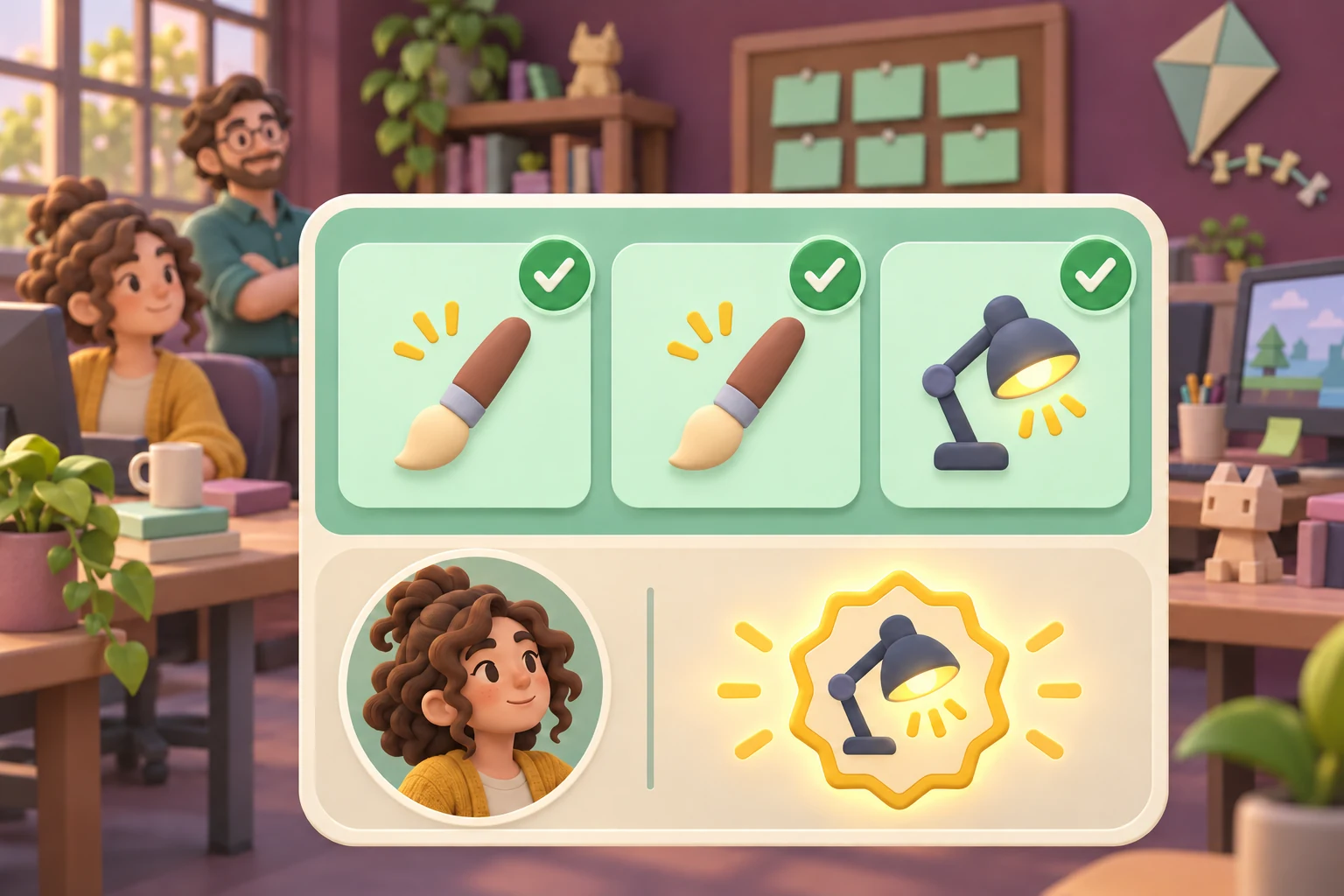
Give the AI one week and one skill to teach
Build a game-studio management prototype with Mira, Rowan and a Friday goal of three completed tickets. Give Mira three work slots and Rowan one mentor slot. Make cleanup worth a deliverable every time and one practice point the first time. Supervised lighting counts as a deliverable, uses the mentor slot and grants one point on first completion. Unlock solo lighting at two points. Show whether the required mentor is available. Compare three cleanup jobs with two cleanup jobs and a supervised lighting job. Report completed tickets and skill unlocks separately.
If cleanup alone unlocks lighting, keep all three delivery credits and change practice credit to one per category. Replay the same assignments, then check a mixed plan with Rowan available.
FAQ
Should repeated work ever teach a skill?
Let it improve speed or reliability if repetition serves a goal in your game. Keep the first lighting unlock tied to a real lighting assignment so the player can connect practice to capability. Display the distinction on the ticket so zero new practice does not look like a bug.
How should the player see the cost of mentoring?
Put the mentor's available time on the assignment card next to the junior's schedule. If the slot is already taken, flag the conflict before confirmation. On the weekly board, show the work Rowan can no longer take so the player can judge the exchange.
What counts as a successful training task?
Define a review condition the player can see, such as choosing lighting that preserves a clear route through the scene. Grant a practice point on completed and accepted work. If a ticket is sent back for correction, leave the learning unlock pending until it passes the review.