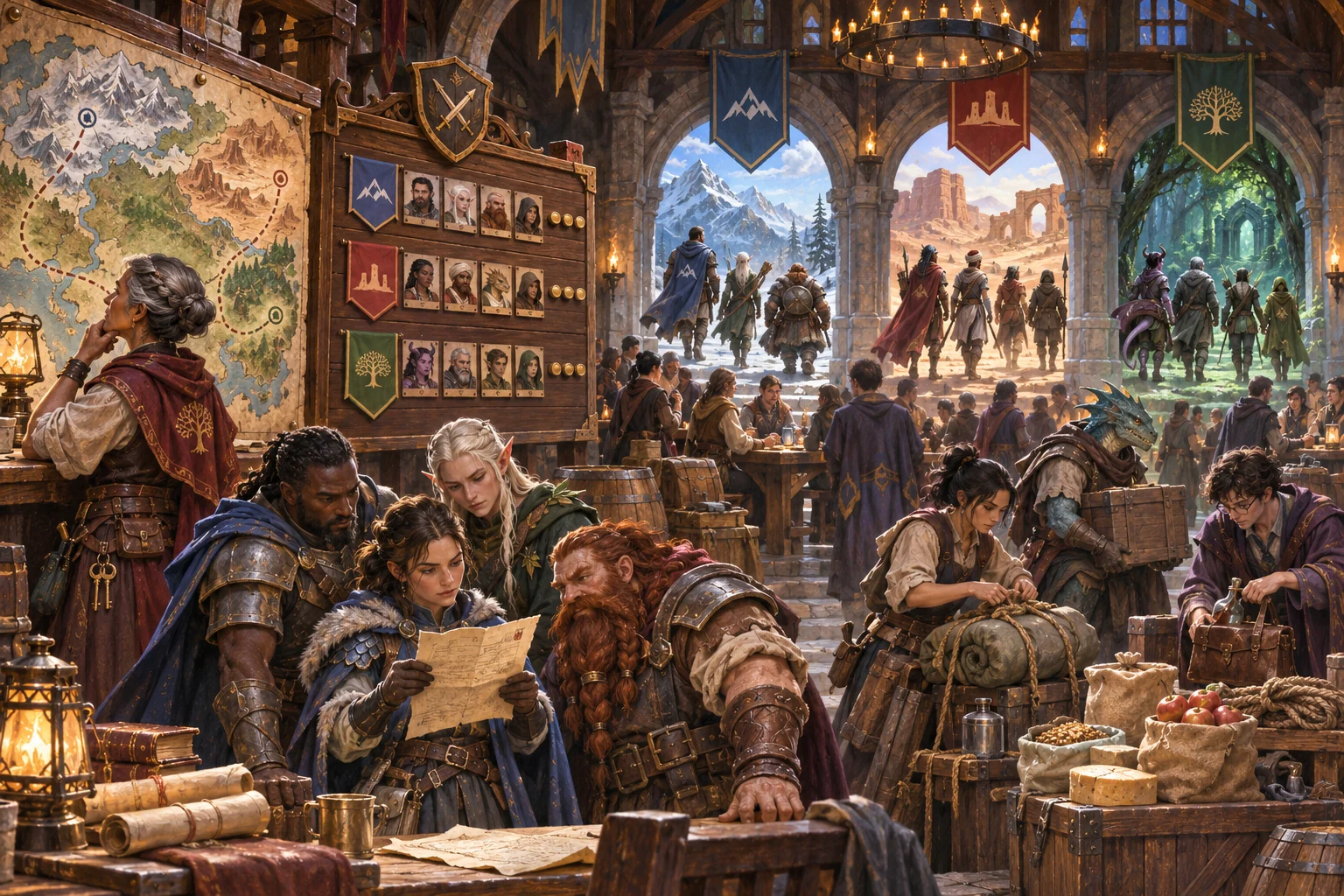
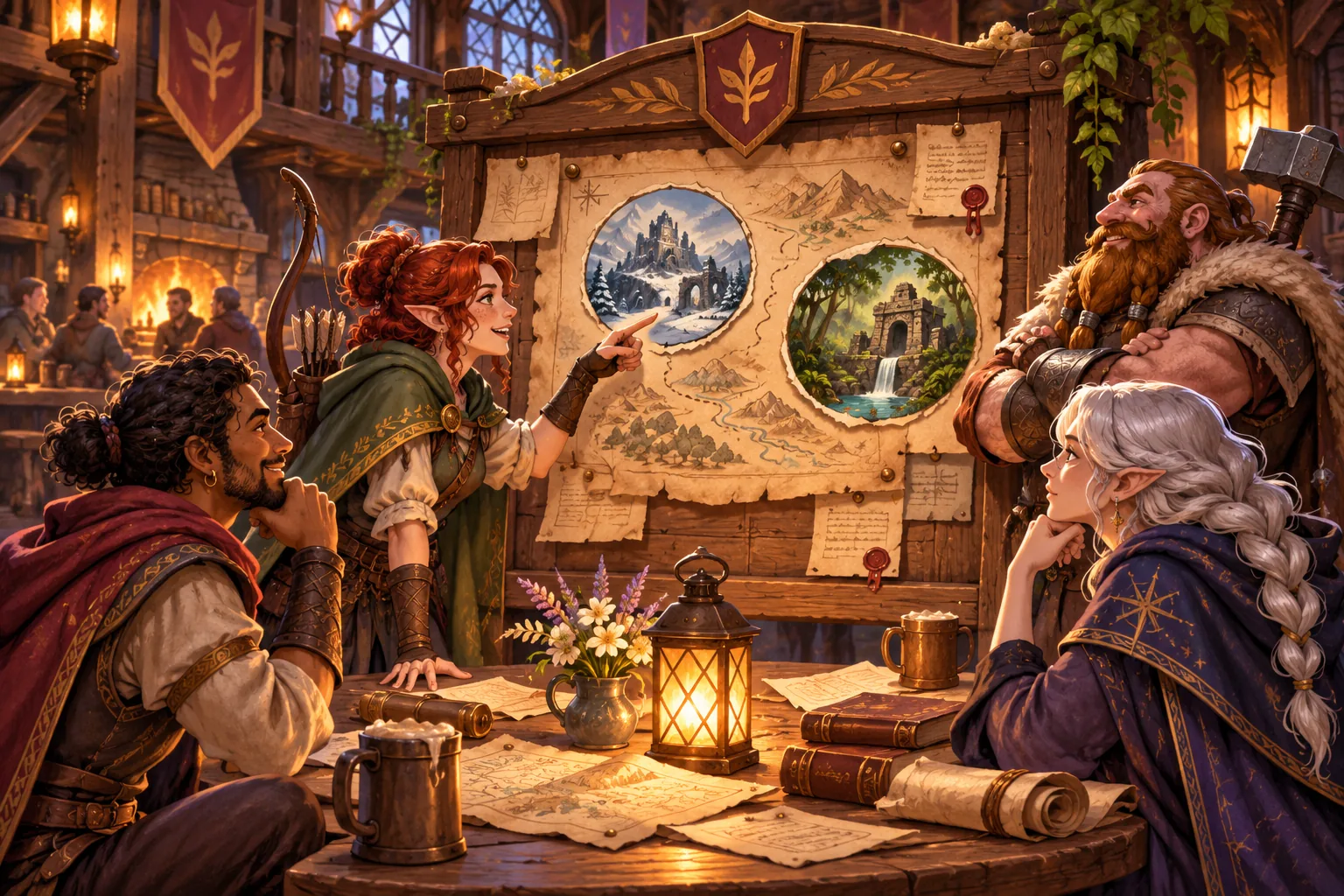
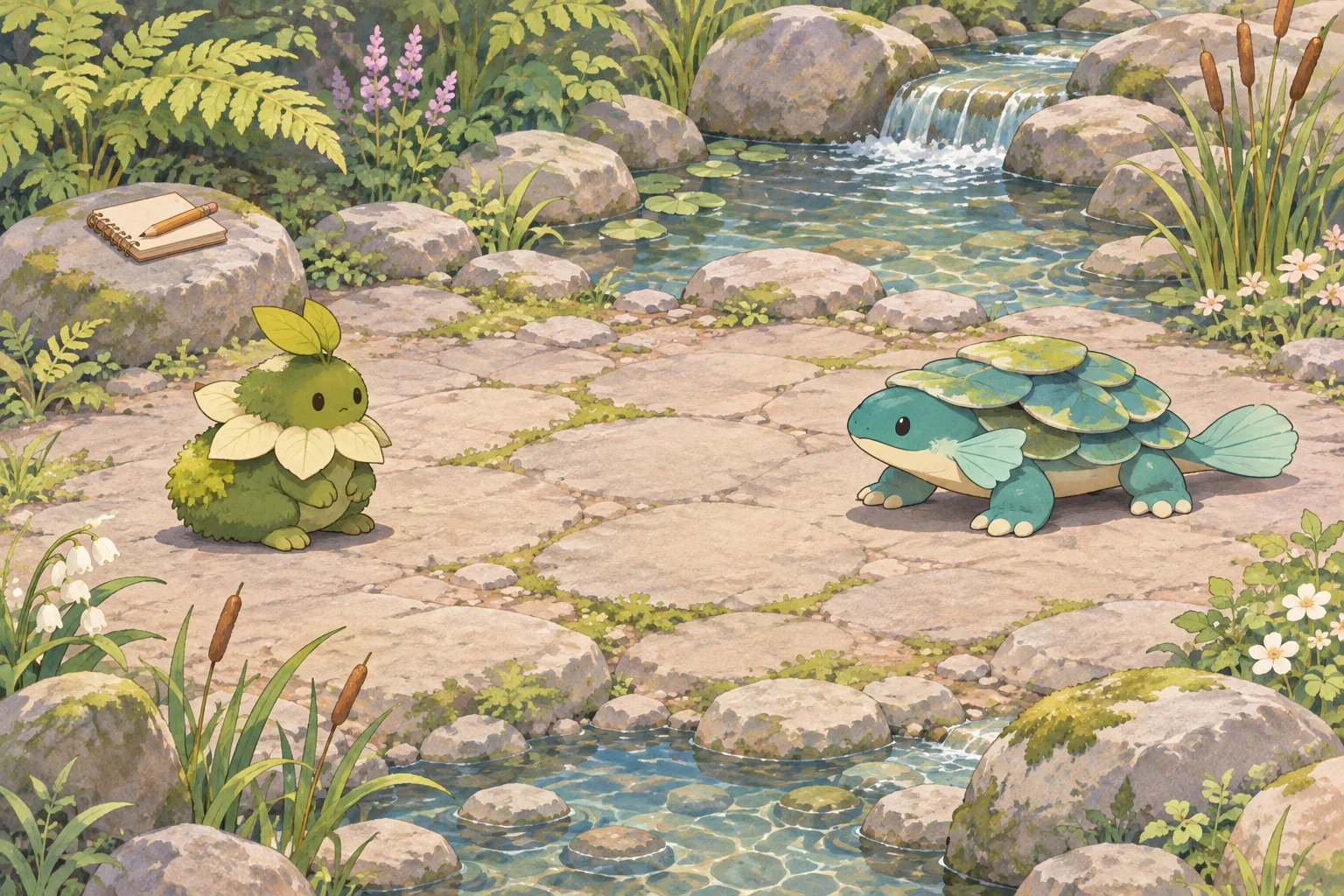
A monster-taming guild can feel active when teams travel on independent schedules. Let compatible creatures depart for different missions at the same time, then resolve each return separately. The player can plan a forest supply run and a cliff expedition without one timer blocking the other.
Prepare two teams and mission routes
Use a mosskin team suited to the forest and a swiftwing team suited to the cliff. The forest mission takes one day and returns medicinal herbs. The cliff mission takes two days and returns a mineral relic. Show team, route, duration and reward before dispatch.
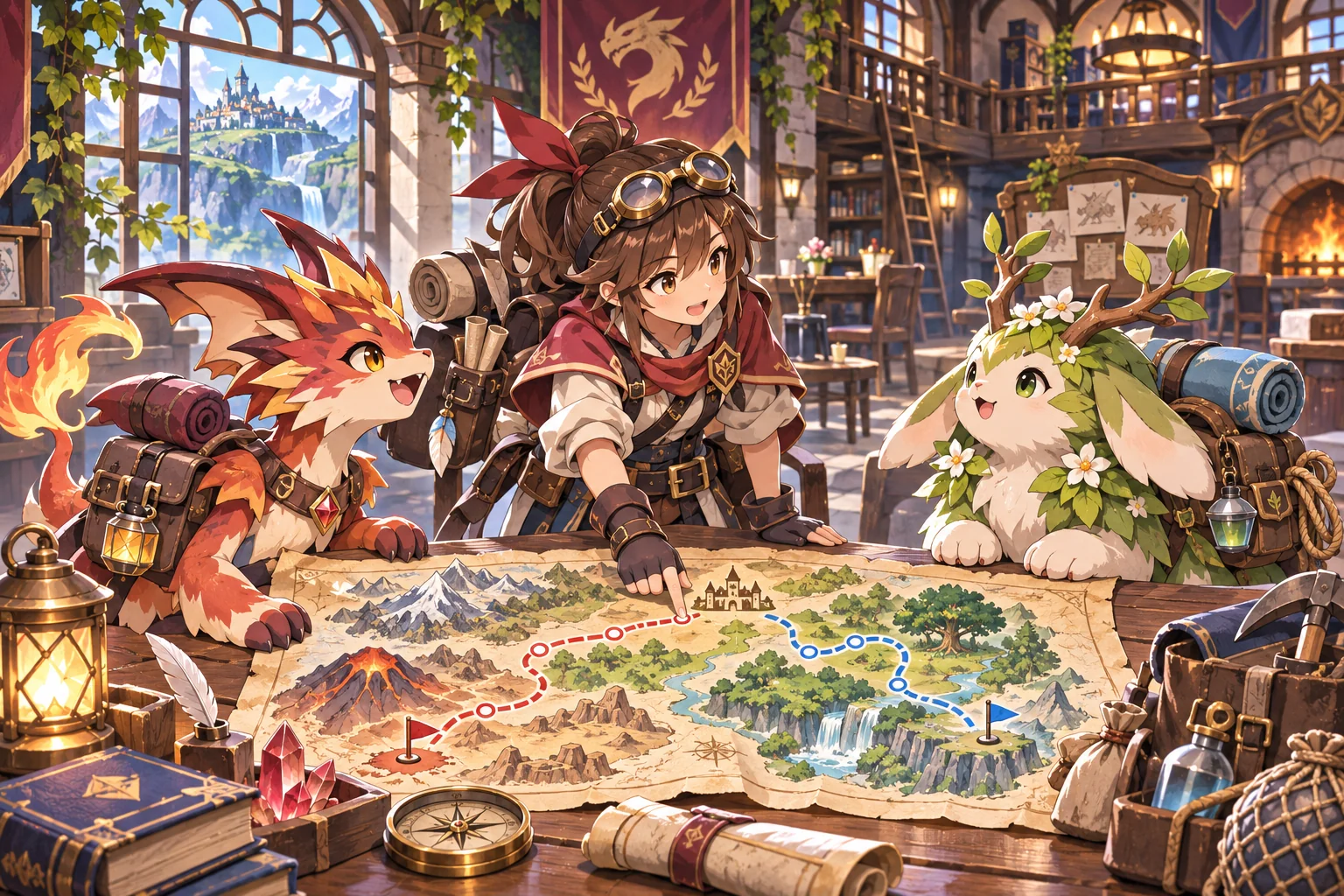
Keep the examples simple and set both departures to the same day. Each mission receives its own identifier and status. The roster should show both teams as away, not replace one active trip with the next.
Track each mission on its own schedule
Advance the guild calendar by one day. Resolve the forest mission and add herbs to the guild inventory. Keep the swiftwing team marked as traveling until its second day. Its timer and reward must not change when the forest mission completes.
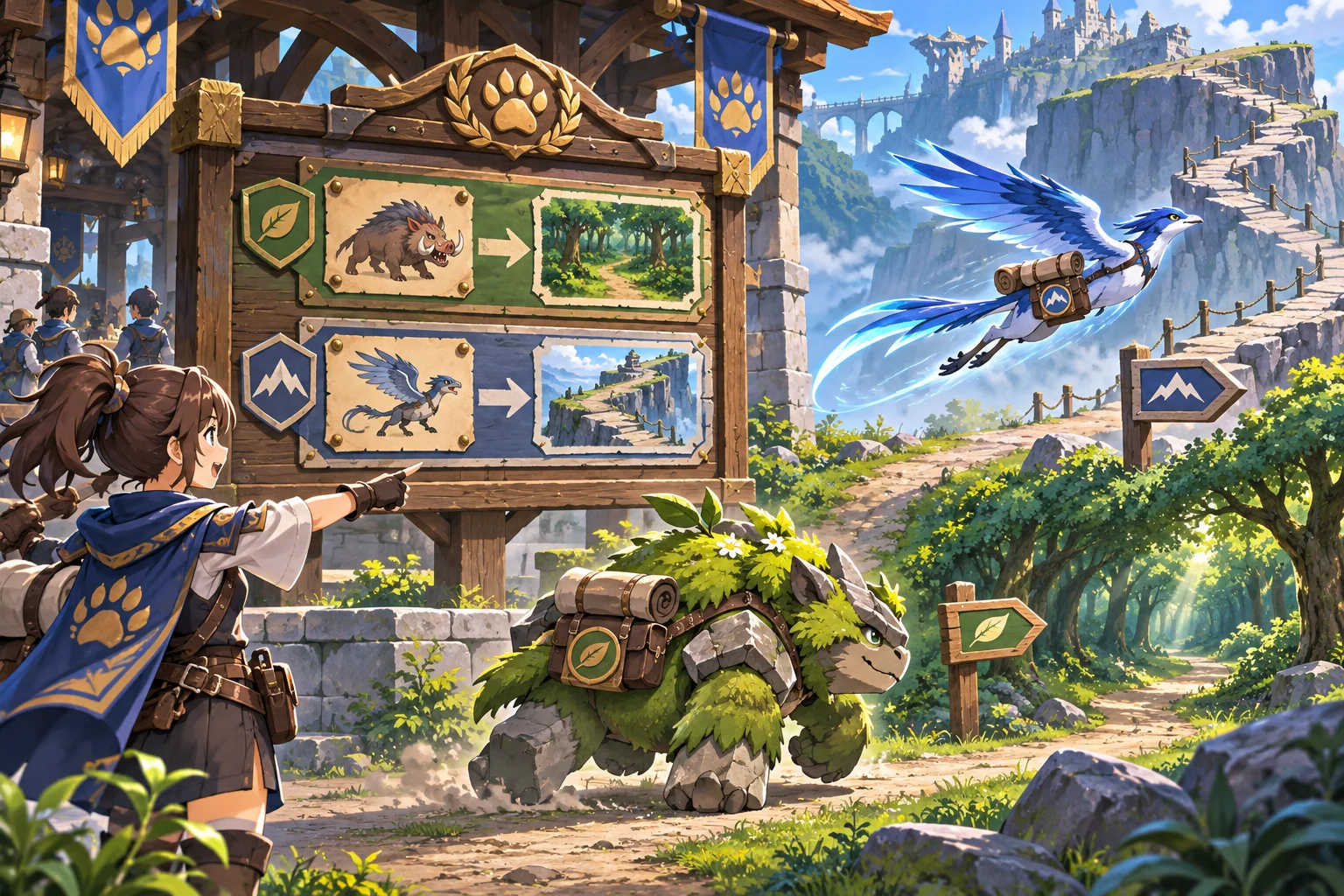
When the second day arrives, resolve the cliff mission and add the mineral relic. Keep the return event tied to its own mission record so players can see which team brought each item back.
Replay simultaneous dispatch and separate returns
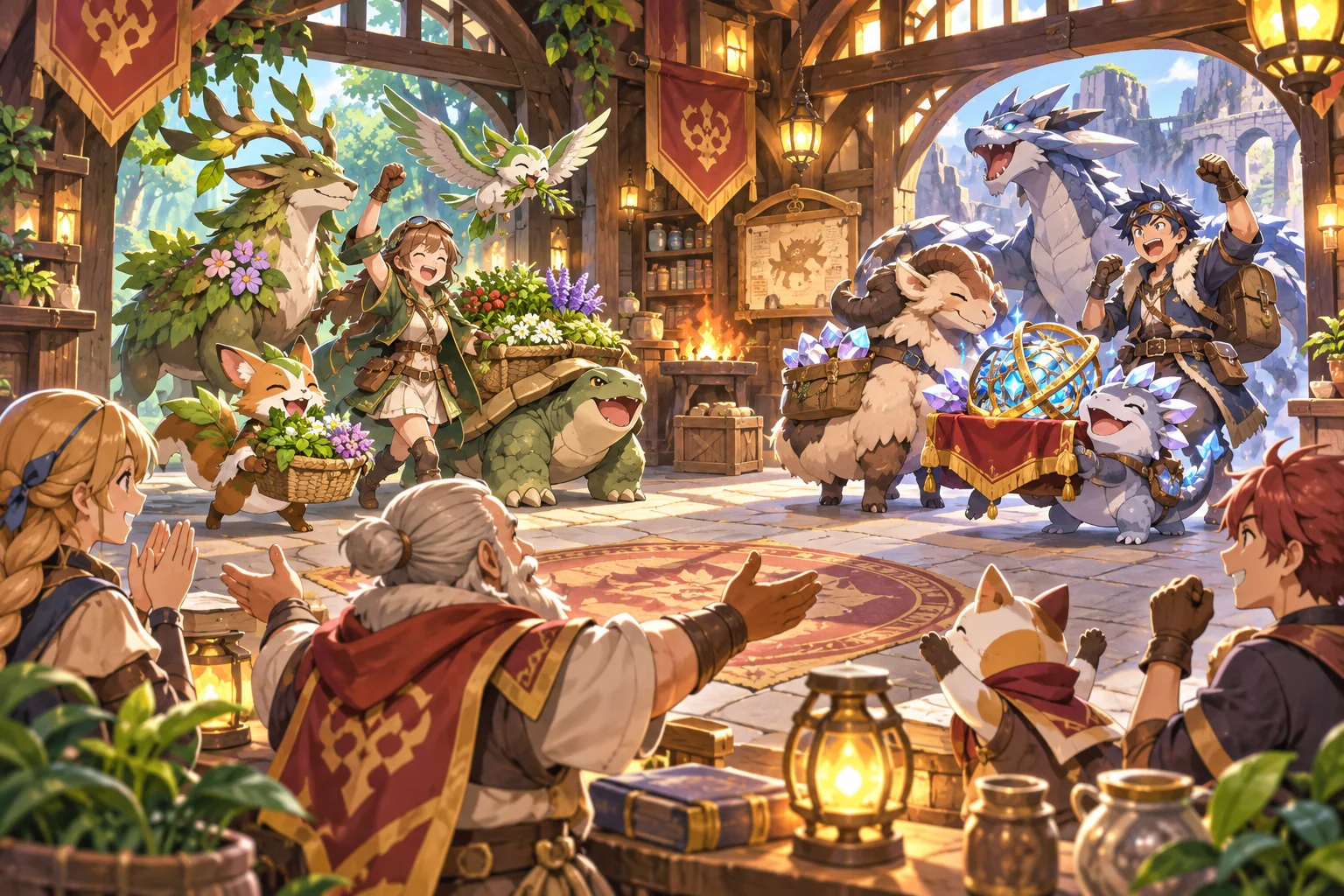
The local replay dispatches both teams on day zero. After one day, the forest team returns with herbs while the cliff mission remains active. After the second day, the swiftwing team returns with the relic. Resolving one mission leaves the other mission’s status and duration unchanged.
| Day | Forest team | Cliff team | Inventory change |
|---|---|---|---|
| 0 | Traveling | Traveling | None |
| 1 | Returned | Traveling | Herbs |
| 2 | Returned | Returned | Mineral relic |
This deterministic check verifies mission status, elapsed days and reward assignment only. It does not simulate combat, creature AI, injury, mission difficulty or guild economy. Add those rules after independent trips can be dispatched and resolved without state leakage.
Prompt for parallel guild expeditions
Ask an AI game maker for a monster-taming guild with a forest team mission lasting one day and a swiftwing cliff mission lasting two. Let both teams depart together, show separate timers, and add each reward only when its own mission returns. Include a calendar advance and reset so the player can verify that one return does not complete the other trip.
Once the schedule rule is clear, add mission risks or team traits one at a time. Keep this first test focused on independent progress and distinct rewards.
Start a monster guild prototype in SEELE
Frequently asked questions
Can two creature teams leave at the same time?
Yes, if each mission stores its own team, route, duration and status. Dispatching a second team should create another active record rather than overwrite the first trip. Independent records let the player plan parallel expeditions and understand which team is expected back next.
What should happen when one team returns?
Resolve that team’s mission, grant its listed reward and leave all other active missions unchanged. A one-day forest return should not shorten a two-day cliff expedition or grant its relic early. Separate mission state prevents rewards and timers from leaking between teams.
What should I test before adding combat outcomes?
Dispatch two teams on the same day, advance one day, and verify that only the shorter mission returns. Advance again and resolve the second team. Check each reward and active status. This tests scheduling and inventory assignment, not combat or creature behavior.