Make studying a move a turn-level choice
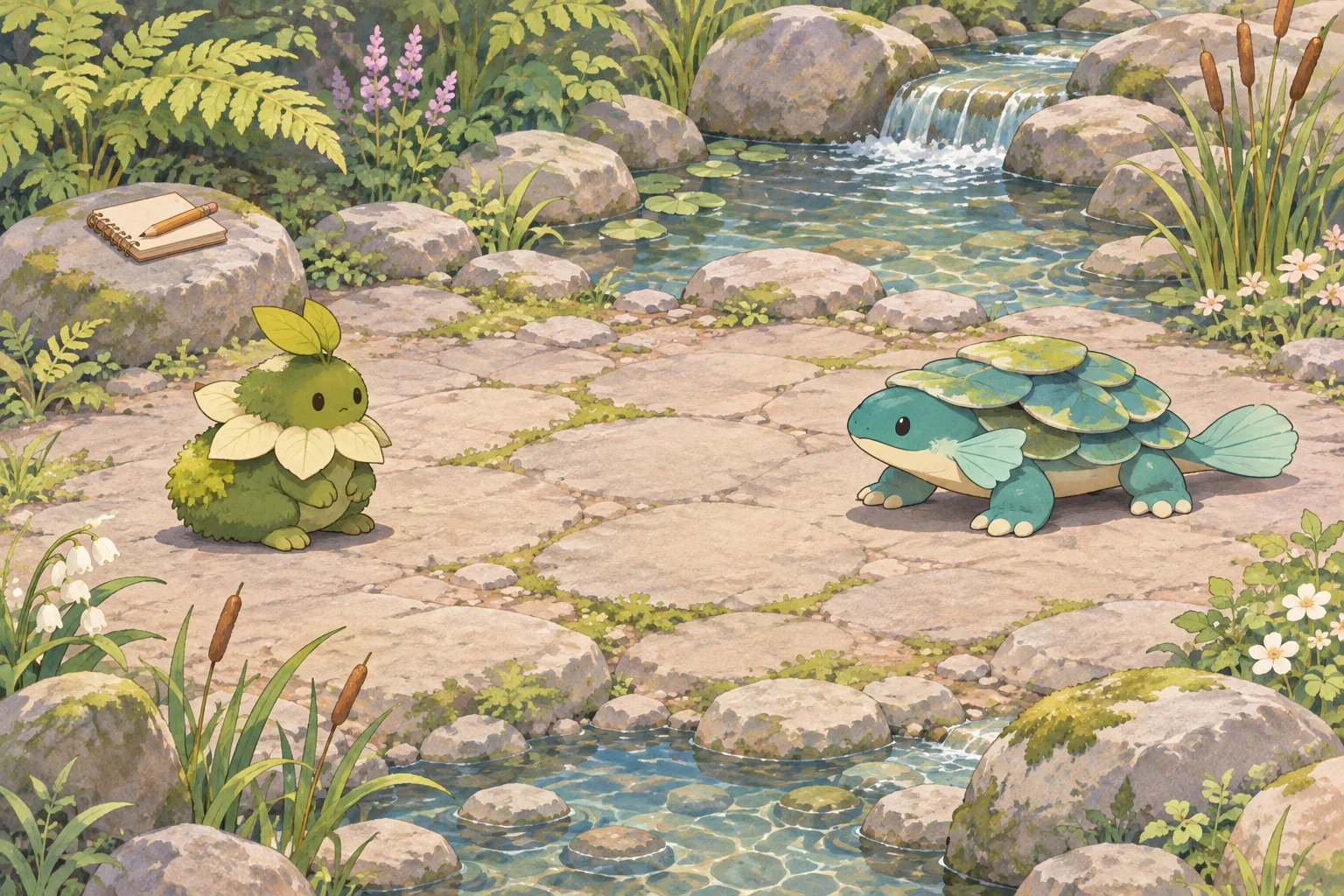
In fictional Moss Ledger, your moss-green companion can use a turn to Study a river rival called Rillback. Its shell folds during a brace and opens during a release. Record one observation of each phase, then rehearse Reedscreen at camp. The companion's version creates a leaf screen that absorbs one incoming hit before fading. Let the player choose when to study and whether to equip the move afterward.
Give each observation an identity and a purpose
Telegraph the brace and release as different windows. When the player commits Study, spend the companion turn and capture the current target and window. Store the encounter ID, window ID, subject ID, and phase. Keep a set of accepted windows for each subject and a set of required phases for each move. Display the next missing cue as a journal hint.
In Godot, a signal can notify the journal that a Study event occurred. The journal decides whether it qualifies and should persist only accepted observations. Keep an unlock flag separate from the companion's equipped move. At camp, reveal the option to rehearse once both cues are present. This gives the player a moment to understand what the new move does.
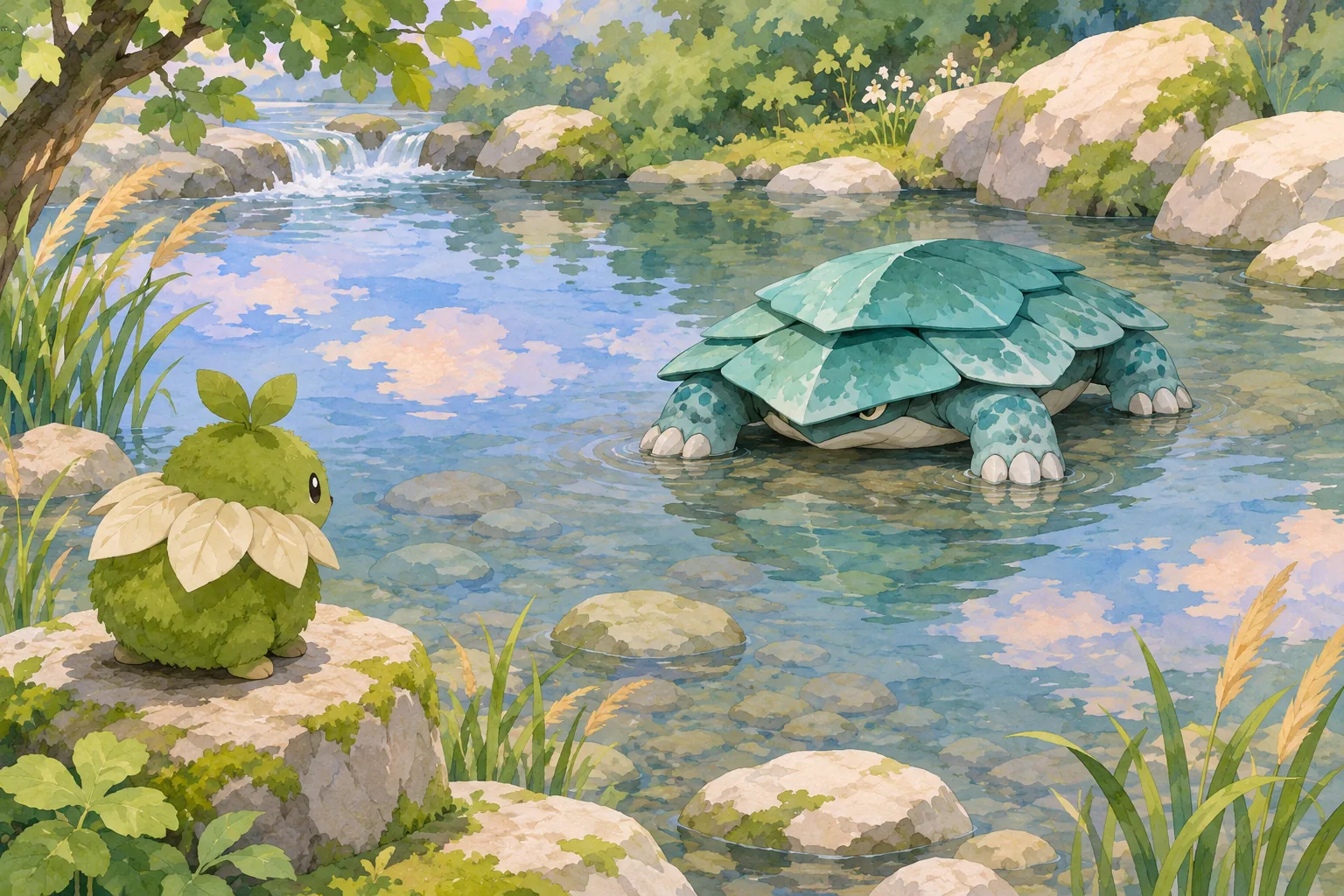
Replay duplicates before trusting the unlock
In a local rules test, the queue delivered one brace event twice. A two-count journal marked Reedscreen ready at the duplicate. The test then sent a release from a different rival and finally a release from Rillback. With the revised journal, the duplicate and unrelated release left one cue. Only Rillback's release completed the record. This tests journal logic against a known event sequence.
In a playable prototype, let the player Study a brace, miss their first release window, and return for another. Confirm that the journal keeps the brace between encounters and that the camp option appears only after the release. Show the one-hit screen expiring when it absorbs a hit.
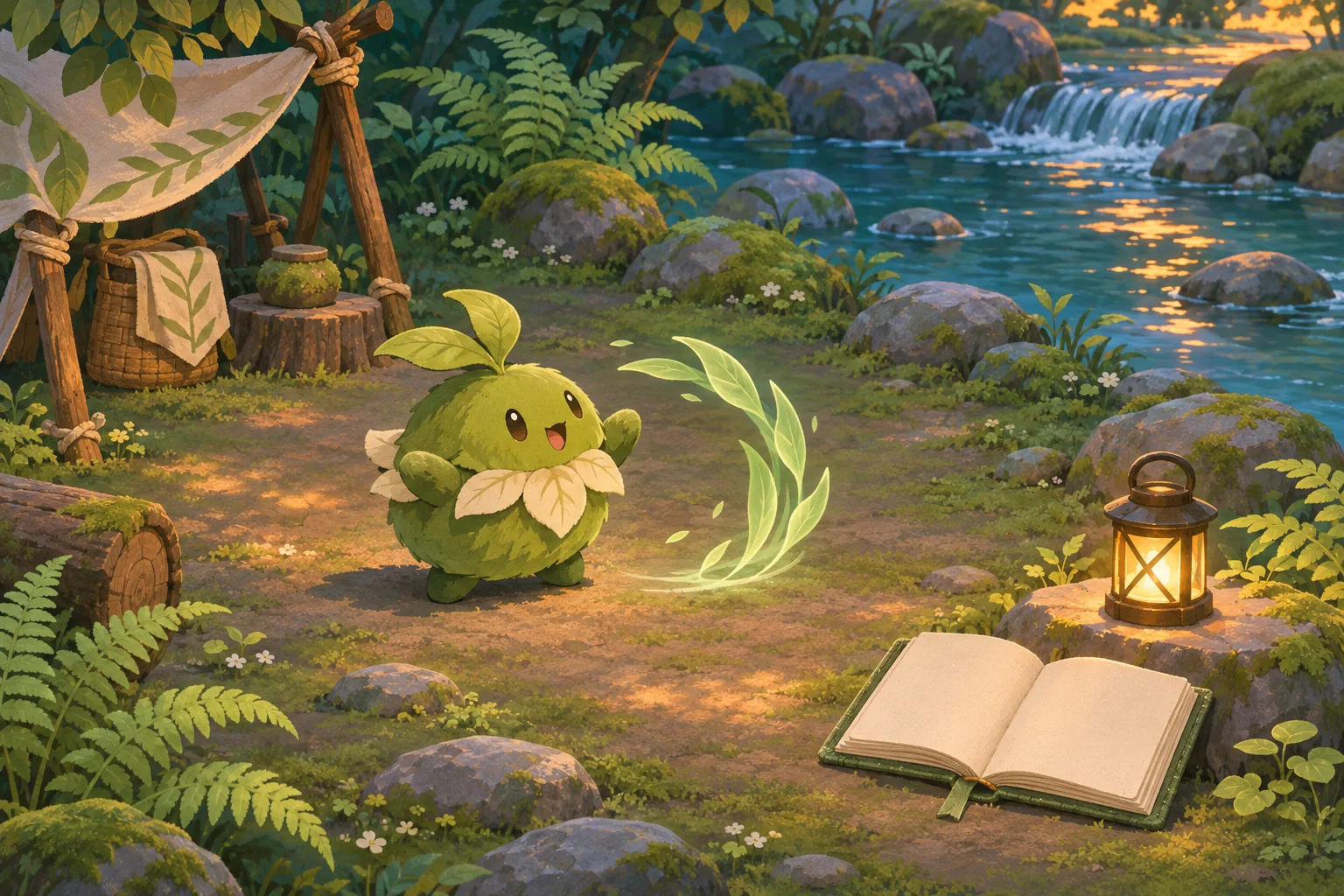
Prototype one encounter and one camp rehearsal
Describe the rival's two phases, the cost of Study, the journal keys and the camp option in your AI prompt. SEELE AI Game Maker can start a playable first version from text and take follow-up instructions. Ask for visible cue feedback in the first pass, then test the duplicate before expanding the creature roster.
Create Moss Ledger with one turn-based river encounter and a small camp. Rillback alternates between a closed-shell brace and an open-shell release. Study uses a companion turn. Only one event per subject and window counts. Complete the journal after a brace and release from Rillback. At camp, let the player rehearse and optionally equip Reedscreen, a leaf screen that absorbs one hit.
Start your creature study prototype in SEELE · Godot documentation on signals
Frequently asked questions
Should Study always give useful progress?
Give the player a readable cue before they commit and show a clear journal response afterward. A repeated cue can still confirm what the rival is doing, while only the missing phase completes the record. Make the turn cost visible so choosing to observe feels intentional.
What if the player misses the release phase?
Let the rival repeat its pattern or make the encounter available again. Keep the accepted brace in the journal and show which cue remains. This gives the player a focused goal on the next attempt and preserves the value of the first successful observation.
Should the learned move replace an equipped ability?
Offer the move as a choice after rehearsal. Show its one-hit effect beside the current ability so players can compare their roles. Keep the unlocked move available in the companion's list even when it is unequipped, and test that reloading preserves both states.