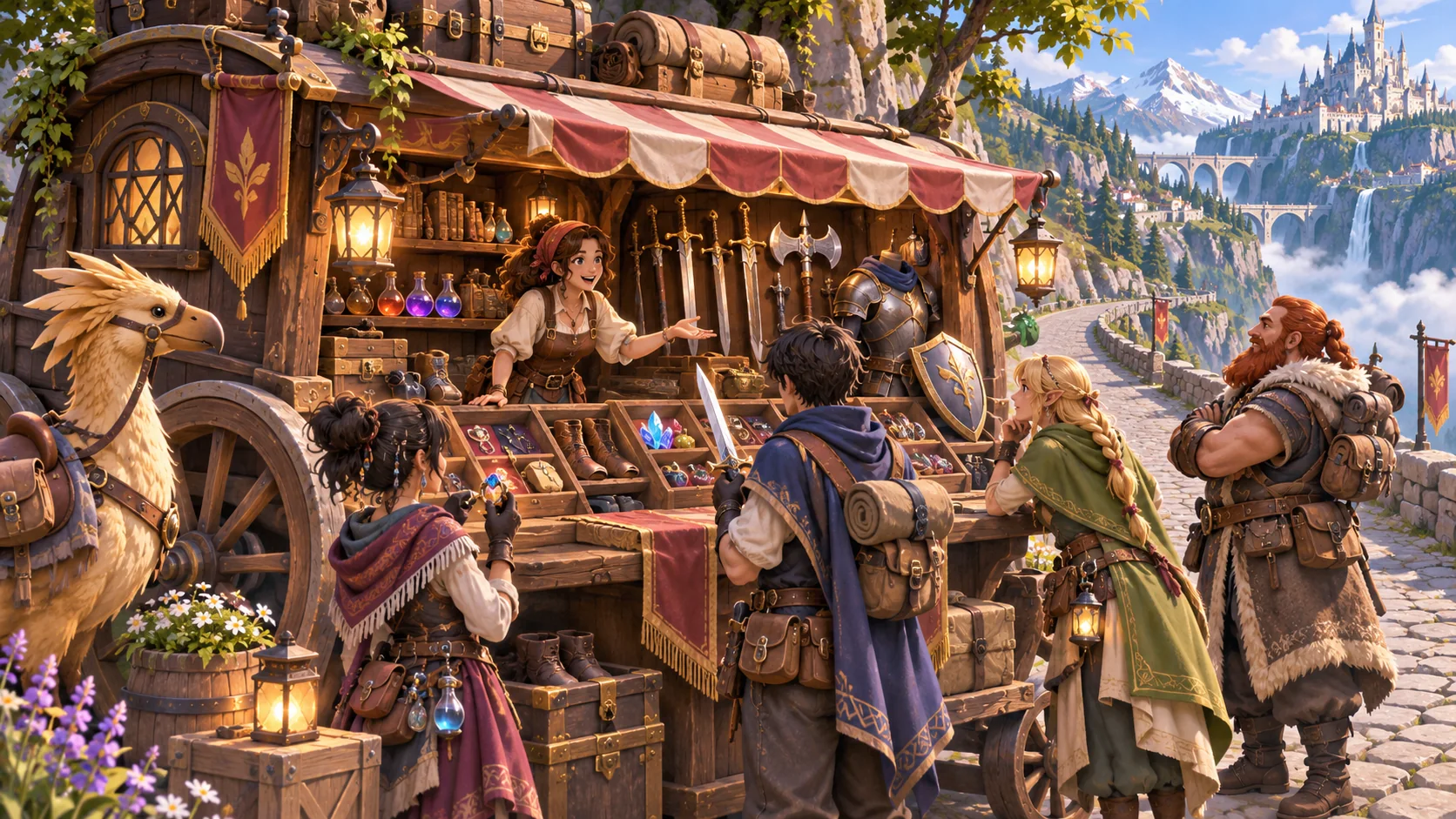
A grappling tool can tie parkour and combat together when both actions use the same resource. The player swings across rooftops, then decides whether to save a charge for an enemy pull.
Give the hook two charges. A swing costs one, pulling a light enemy costs one, and both refill on a safe landing. The rule turns route planning into a combat decision without adding a separate weapon meter.
Give traversal and combat one shared tool
Make the grappling hook useful for crossing a gap and affecting a nearby enemy. Keep the input consistent so players recognize the same action in both contexts.
Use a small charge pool instead of unrelated cooldowns. Show the remaining charges before the player commits.

Make every grapple spend one charge
A swing to a safe ledge costs one charge. Pulling a light enemy off balance costs one more. The tool refills to two only after a safe landing.
This makes the grapple versatile without letting it solve every movement and combat problem for free.
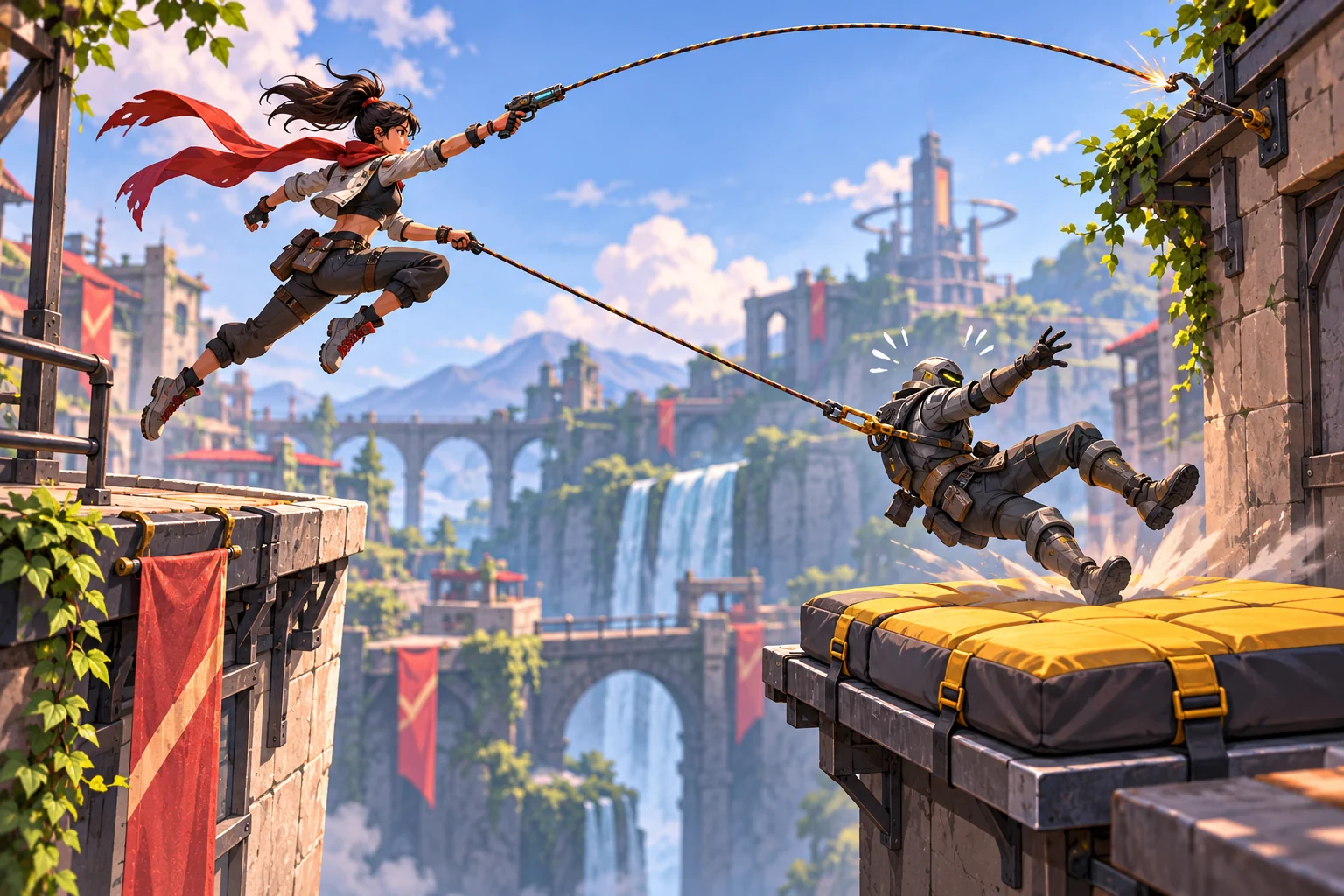
Replay a rooftop route with an enemy waiting
Start with two charges, a rooftop gap and a light enemy beyond it. Swing across: one charge remains. Pull the enemy to interrupt it: zero charges remain.
The same resource supports both actions. If the player spends both charges on a longer swing, the enemy pull is unavailable until the next safe landing.
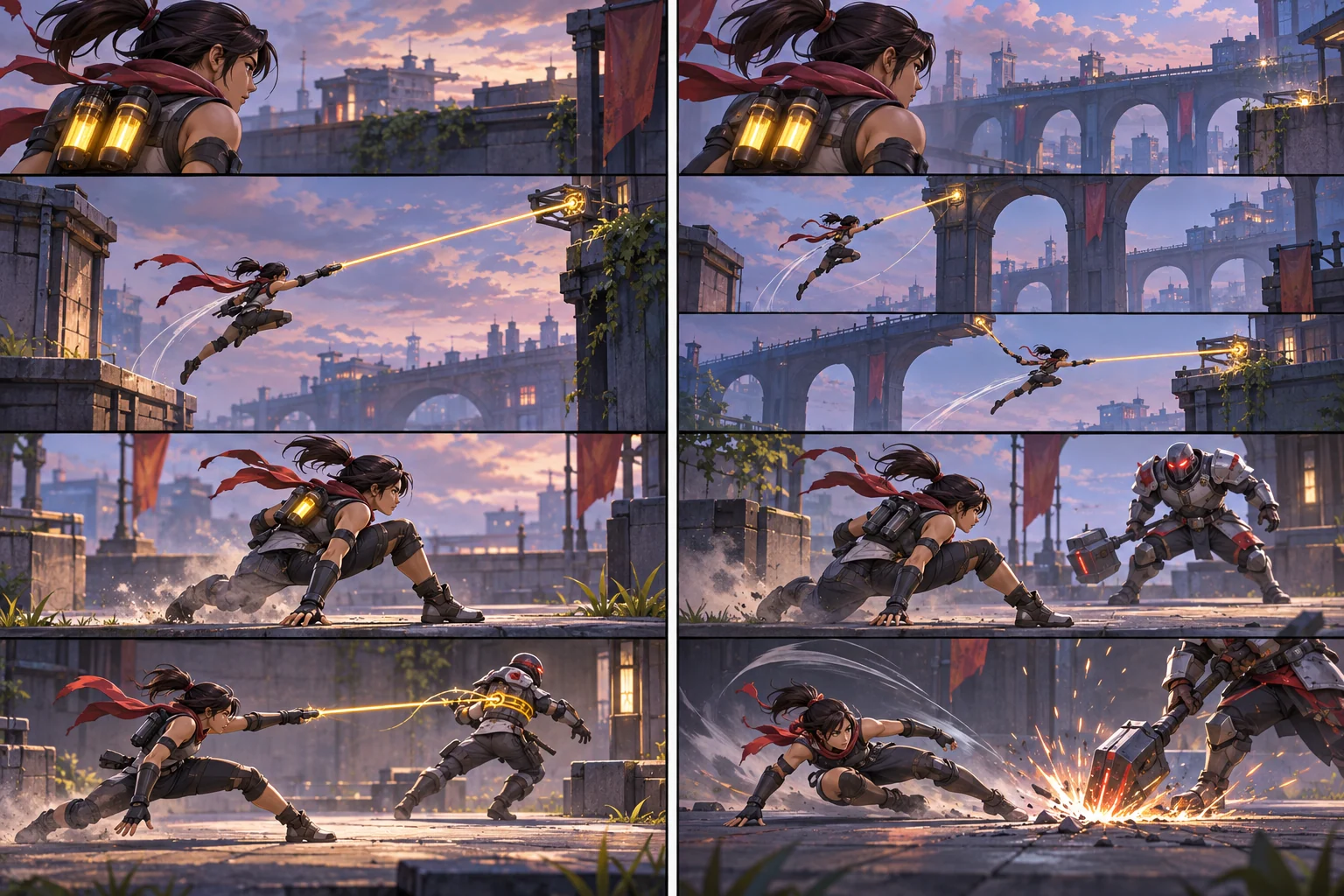
Revise the rule after unlimited grappling
The first paper rule allowed repeated swings and pulls with no cost. That made route length and enemy placement irrelevant to the tool.
Add two shared charges and refill only on safe landing. Replay the route and confirm every swing or pull consumes one charge.
Create a parkour game where the grappling tool serves travel and combat. Start each safe landing with two charges. A swing costs one; pulling a light enemy costs one; refill on safe landing. Replay: begin before a rooftop gap with an enemy beyond it, swing across (one charge remains), then pull to interrupt (zero). First rule allowed free repeated use; revise to shared charges and replay. Do not claim physics or player testing.
SEELE’s official page describes a general workflow: generate a playable first version from a prompt, test it in a browser and refine it. Check whether charge costs and refill points are clear; this game is fictional.
Prototype grappling parkour in SEELE
Frequently asked questions
How can a grappling hook support both parkour and combat?
Use one shared charge pool for swings and enemy pulls. Each action consumes a charge, and a safe landing refills the tool. The player then weighs route access against a combat interruption. Show the remaining charges after each action so route and combat costs stay comparable.
How many grappling charges should a prototype start with?
Start with two charges so a player can combine one traversal action and one combat action before landing. Show the remaining charges after each use and define exactly when they refill. A small counter makes this state easy to understand and revise.
How do I test whether the grappling rule is clear?
Replay one route with a gap and an enemy beyond it. Spend a charge to cross, then decide whether the last charge is available for a pull. This checks the rule sequence, not physics feel or balance. Write down each action and charge total to verify the sequence.