Introduction
A personalized adventure game can turn a gift into a short story shaped around a recipient’s interests, preferred tone and desired level of challenge. For personal gift creators, the design works best when customization changes a few meaningful details while keeping the story easy to finish. It should also avoid collecting sensitive personal information or presenting invented memories as facts.
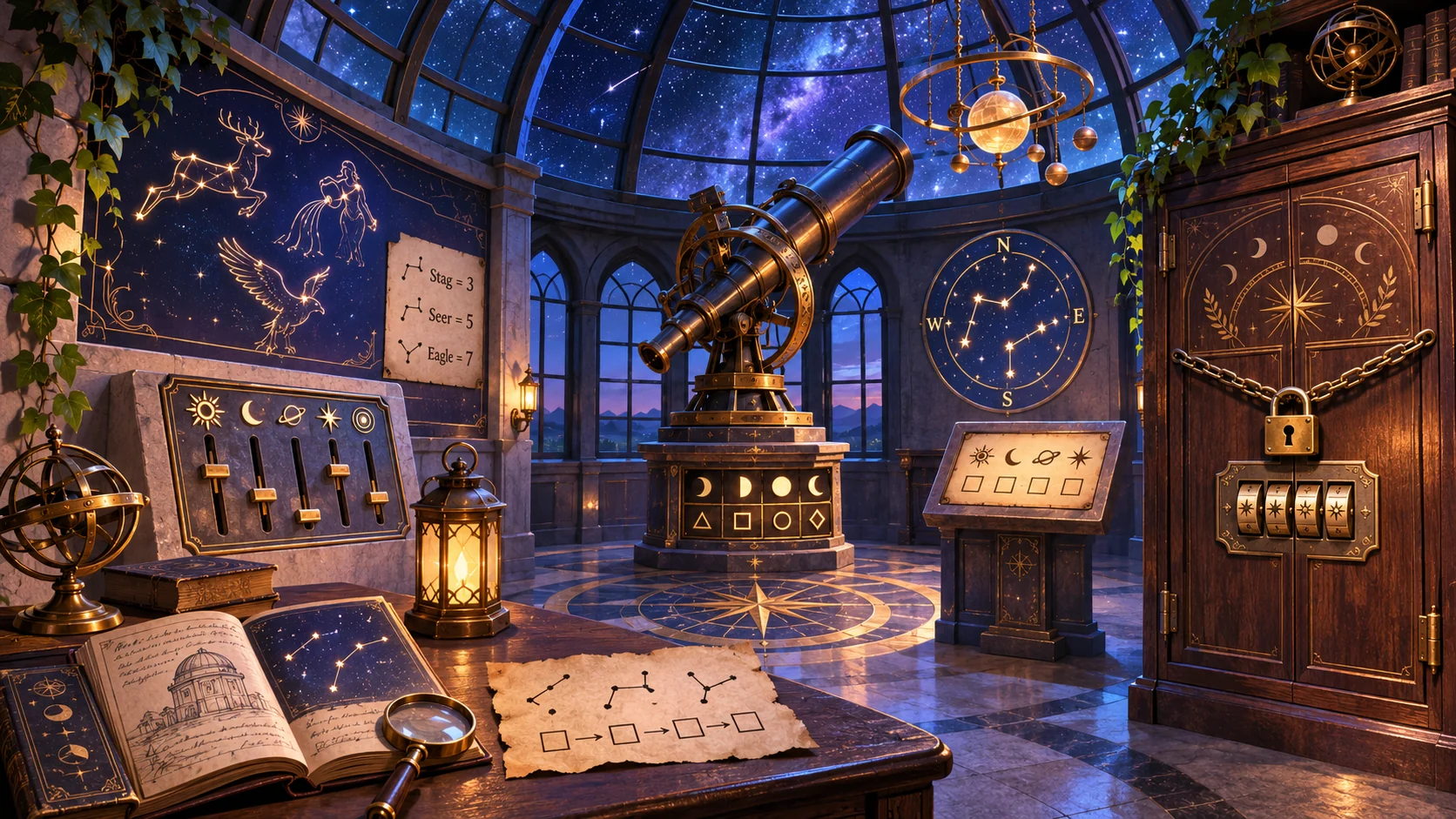
This guide uses Starpath Letter, a fictional adventure made for an imaginary recipient who enjoys astronomy and gentle puzzles. The recipient, story and preferences are invented; no real gift or playable game is represented.
Start with the gift experience
Decide what the recipient should feel or do: explore a short story, solve a small puzzle or make a few choices that lead to a personal ending. Keep the experience appropriate to the relationship and easy to share privately. A gift game does not need a large profile or a long intake survey.
Prompt 1 — gift adventure brief
Plan a fictional personalized adventure game as a gift. Define the recipient’s broad interests, preferred tone, session length, comfort boundaries, accessibility needs, gift delivery format and what information must remain fictional. Do not request sensitive data or claim a real recipient approved this example.
Ask only for information needed to customize the story. Broad choices such as “mystery or exploration” are usually easier to review than asking someone to disclose private history.
Pick a small set of personalization choices
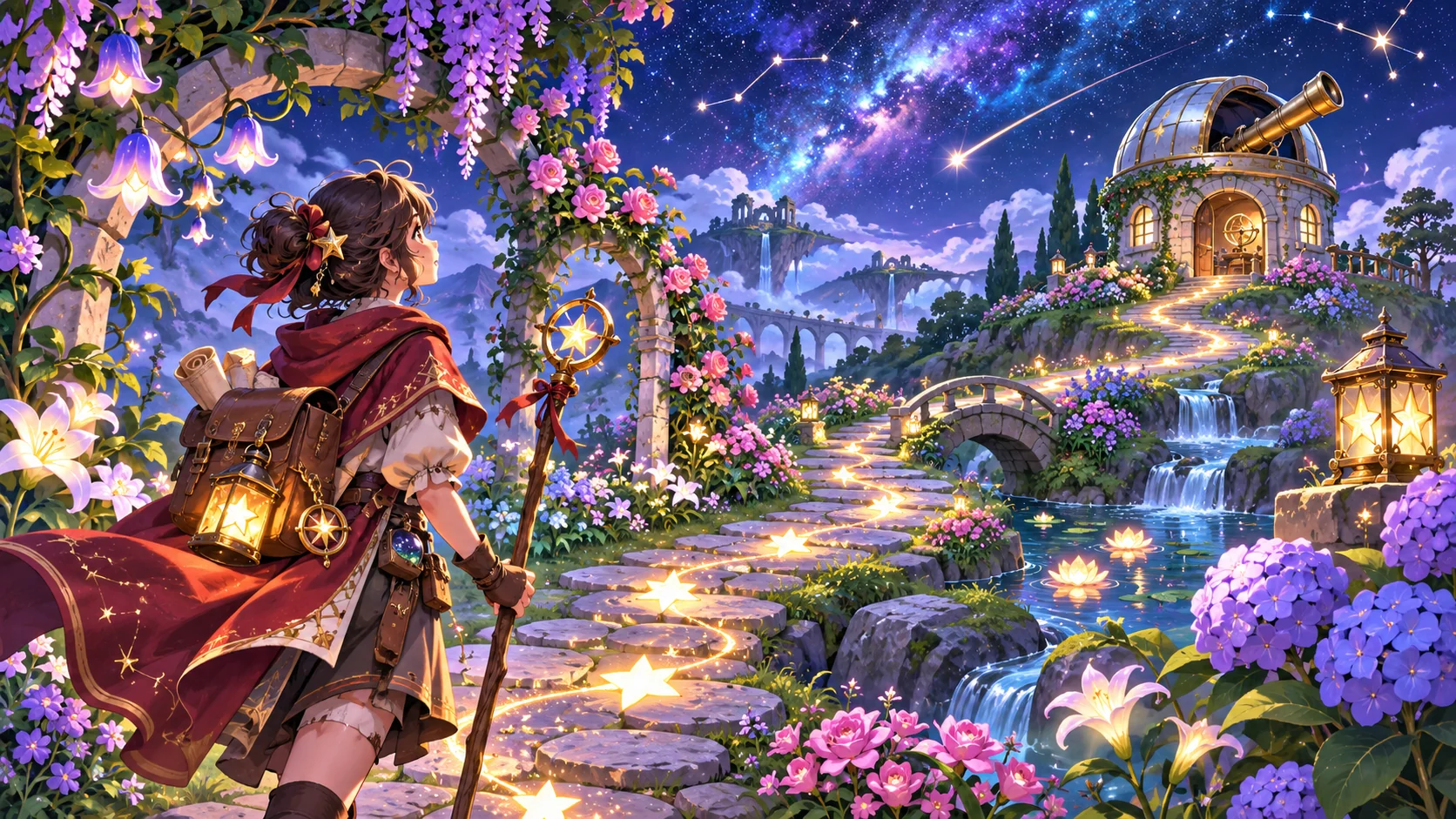
Use a few editable inputs that affect story details: a theme, a companion archetype, a challenge preference or a closing message. Show the creator how each choice changes the game. Keep a default path for unknown preferences, and make it possible to preview the result before gifting it.
Prompt 2 — personalization map
Create a personalization map for Starpath Letter with three non-sensitive inputs and the story fields each changes. Include safe defaults, a preview step and an option to remove a detail. Keep the recipient fictional and label all preferences as invented.
| Input | Example choice | Story element affected | Safe default |
|---|---|---|---|
| Theme | Astronomy | Observatory setting | Curious exploration |
| Puzzle style | Gentle | Hint frequency | Optional hints |
| Companion | Quiet guide | Dialogue tone | Neutral narrator |
| Closing note | Creator-written | Final screen | Generic warm ending |
Avoid turning personal traits into a score or prediction. Let the creator inspect the wording and remove anything that might feel too intimate or inaccurate.
Shape a short, coherent adventure
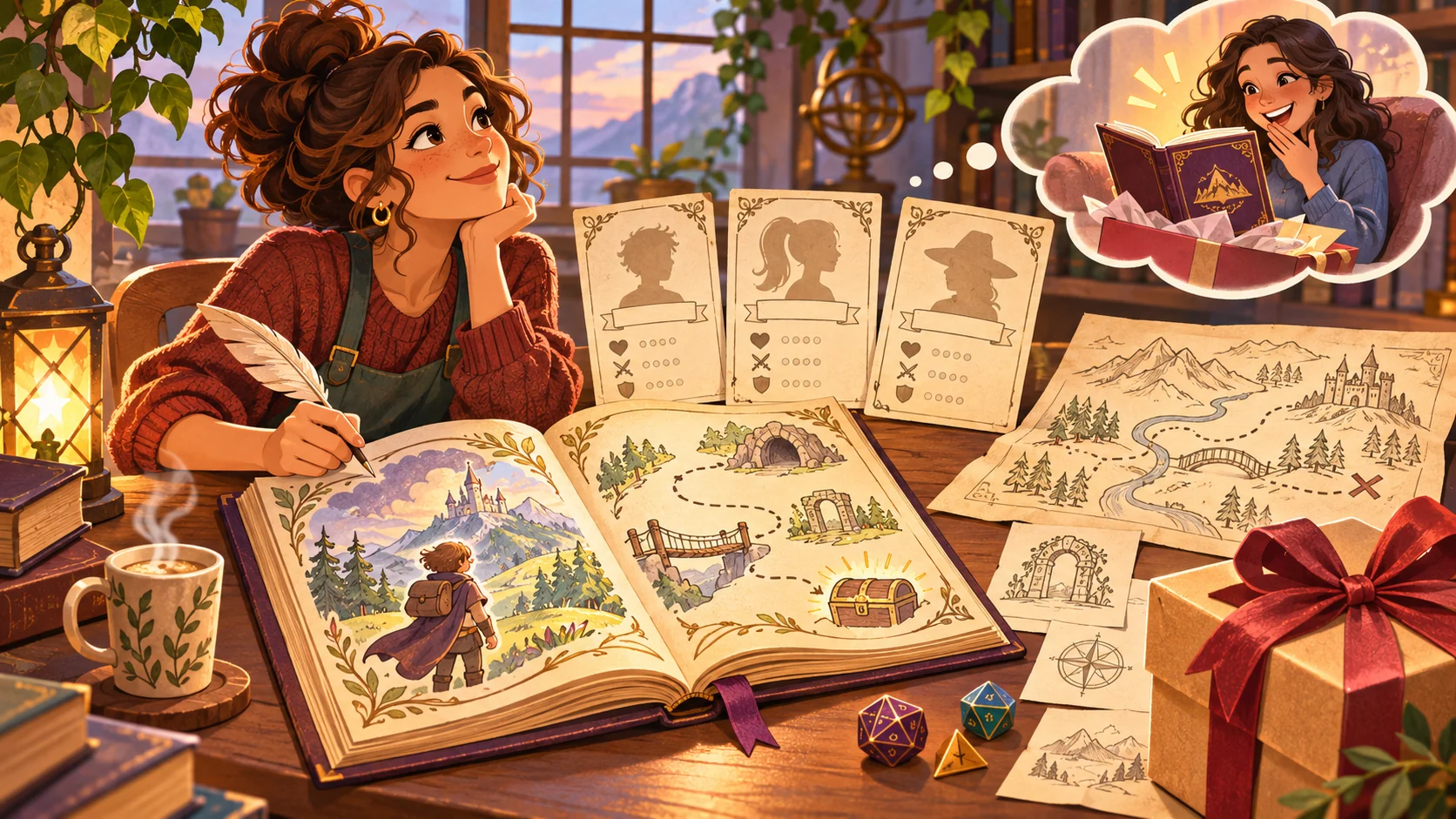
A gift story can follow a simple arc: invite the recipient, offer two choices, resolve a small challenge and end with a personal message. Keep the challenge forgiving and include hints or a skip. Do not require the recipient to share the gift publicly to complete the game.
Prompt 3 — branching story outline
Outline a short fictional Starpath Letter adventure with an invitation, two meaningful choices, one optional low-pressure puzzle, a hint, a skip path and a warm ending. Use no claims about a real recipient and keep the creator’s personal note editable.
Make sure each branch reconnects cleanly so the scope remains manageable. A small number of clear decisions can feel personal without multiplying the production workload.
Keep the personalization template editable
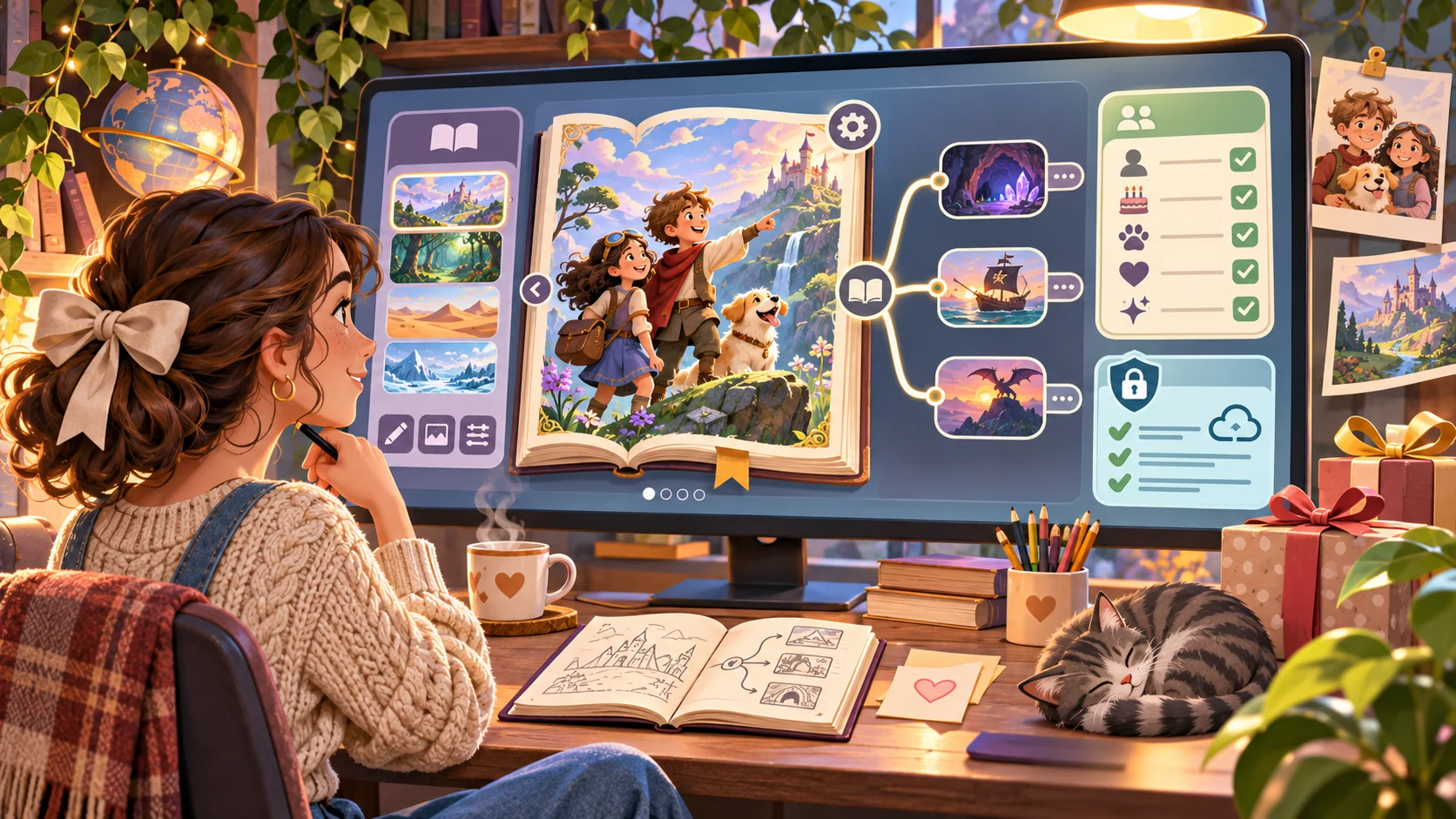
Store preferences, story branches and creator-written text separately. The sample JSON below uses placeholders and fictional choices. Do not put private recipient data into a public page or analytics event.
{
  "gameName": "Starpath Letter — fictional gift adventure",
  "status": "concept example; unbuilt and untested",
  "recipientProfile": {"interests":["astronomy"],"source":"invented sample only"},
  "preferences": {
    "theme": {"allowed":["stargazing","garden","mystery"],"default":"stargazing"},
    "challenge": {"allowed":["gentle","standard"],"default":"gentle"},
    "companionTone": {"allowed":["quiet guide","playful guide"],"default":"quiet guide"}
  },
  "story": ["invitation", "choice", "optional puzzle", "hint or skip", "ending"],
  "privacy": {"collectPersonalData": false, "publicSharing": false},
  "creatorNote": "editable text; preview before gifting",
  "accessibility": ["keyboard choices", "readable text", "reduced motion", "optional audio"],
  "evidenceStatus": "fictional and untested"
}
The creator should preview every branch, check the name and message, and verify that a removed detail does not remain elsewhere in the story.
Build and review a playable slice
Start with one short scene, two choices, an optional puzzle, a hint, a skip and an ending. A preview mode helps the creator inspect the gift before delivery. Mark whether a feature works or is only shown in a static mockup, and test the game without requiring an account if one is not necessary.
Prompt 4 — playable gift prototype
Build a local Starpath Letter prototype from the editable template. Include two choices, optional puzzle, hint, skip, creator preview, reset and private completion. Use fictional placeholder content only. List implemented controls, static elements, accessibility checks and unresolved questions; do not claim a real recipient tested it.
A small gift prototype can be shared as a private link or local file, depending on the creator’s needs. Explain whether the experience saves anything and how to remove saved data.
Simulate a customization
For a fictional adaptation, imagine changing Starpath Letter for an imaginary recipient who prefers garden mysteries to astronomy. Update the setting, companion tone and one clue, while leaving the puzzle structure and privacy behavior unchanged. This is a demonstration of an editable template, not a real customer case.
Prompt 5 — fictional recipient adaptation
Adapt Starpath Letter for an imaginary recipient who prefers a garden mystery. Change only the theme, companion tone and clue details. Preserve gentle challenge, hint, skip and privacy defaults. Mark every preference invented and ask the creator to approve the final wording.
Prompt 6 — gift review checklist
Review the local gift adventure for tone, branch consistency, hint and skip, accessibility, personal-data exposure, creator preview, private delivery and removal instructions. Mark items implemented, static, missing or not tested. Do not infer a real recipient’s reaction.
Deliver a personal gift thoughtfully
Preview the full story, test links and make sure the recipient can stop or replay without pressure. If the creator includes a personal note, keep it editable and proofread it separately. Avoid implying that the game knows the recipient or remembers events unless the creator intentionally supplied and reviewed those details.
Prompt 7 — delivery and quality checklist
Prepare a final checklist for a personalized adventure gift. Cover recipient-safe customization, story preview, spelling, link access, accessibility, privacy, optional participation, removal of saved data and a clear fallback. Leave real-world checks pending until completed.
Conclusion
A personalized adventure game for personal gift creators can feel thoughtful through a few carefully chosen story details, a coherent short arc and an editable closing note. Keep choices non-sensitive, preview every branch and make participation private and optional. Starpath Letter is fictional; no real recipient, game or reaction was tested. Review the finished gift yourself before sharing it.
You can shape a small concept in the Free AI game maker, then compare it with the editable personalization template.
FAQ
What is a personalized adventure game?
It is a short interactive story customized with selected themes, choices or messages for a particular recipient.
What information should a gift creator use?
Use only details the recipient is comfortable sharing or that the creator can safely and appropriately include; broad interests are often enough.
How can creators make a personalized game feel thoughtful?
Choose a small number of relevant story details, preview the wording and include an editable personal message without overcomplicating the branches.
Should the recipient need an account to play?
Not unless the experience truly requires one. A private link or local file may be enough, and the delivery format should be clear.
Does an AI-generated gift game know what the recipient will enjoy?
No. Generated content can use supplied choices, but it does not establish a recipient’s preferences or reaction. The creator should review the result.