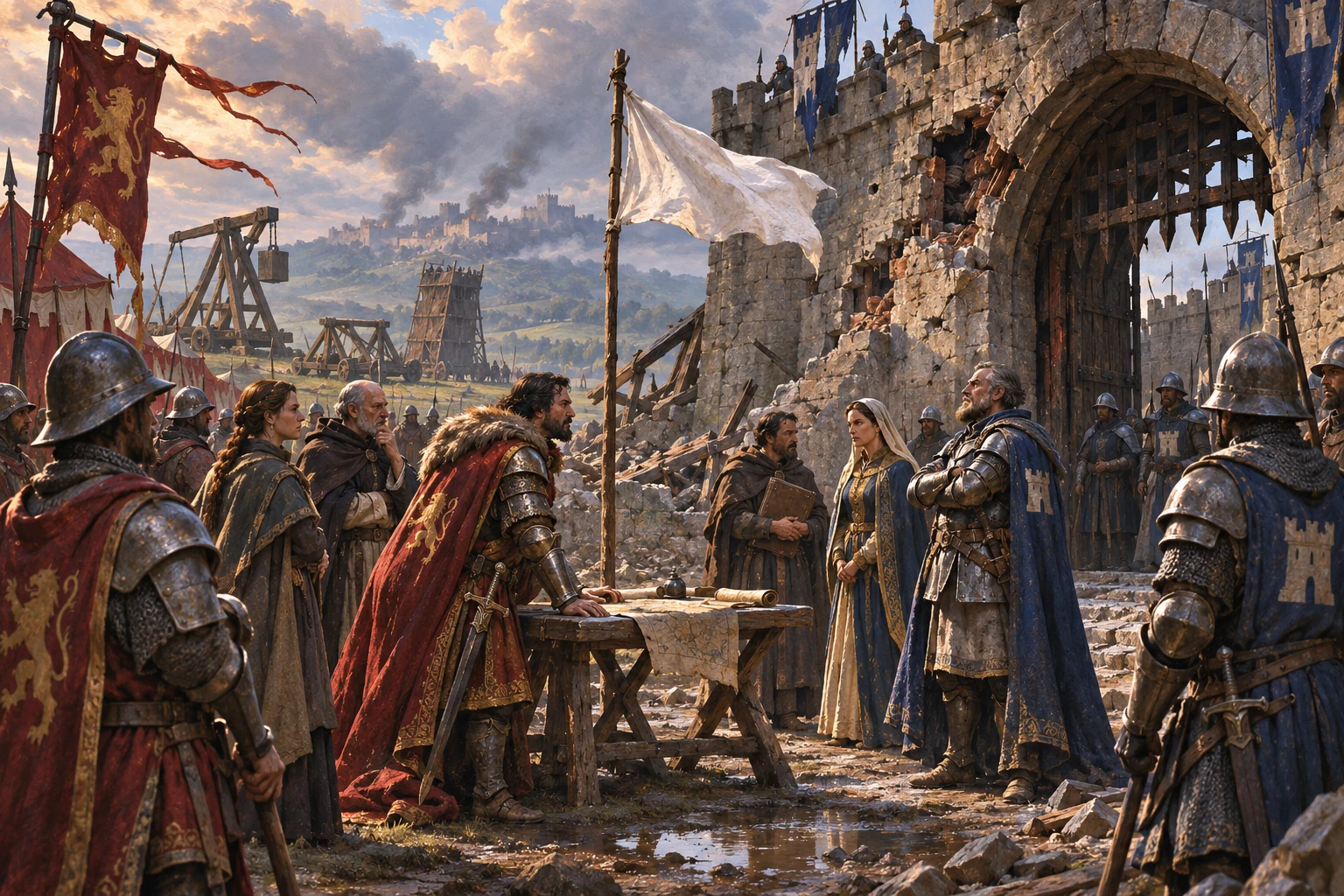
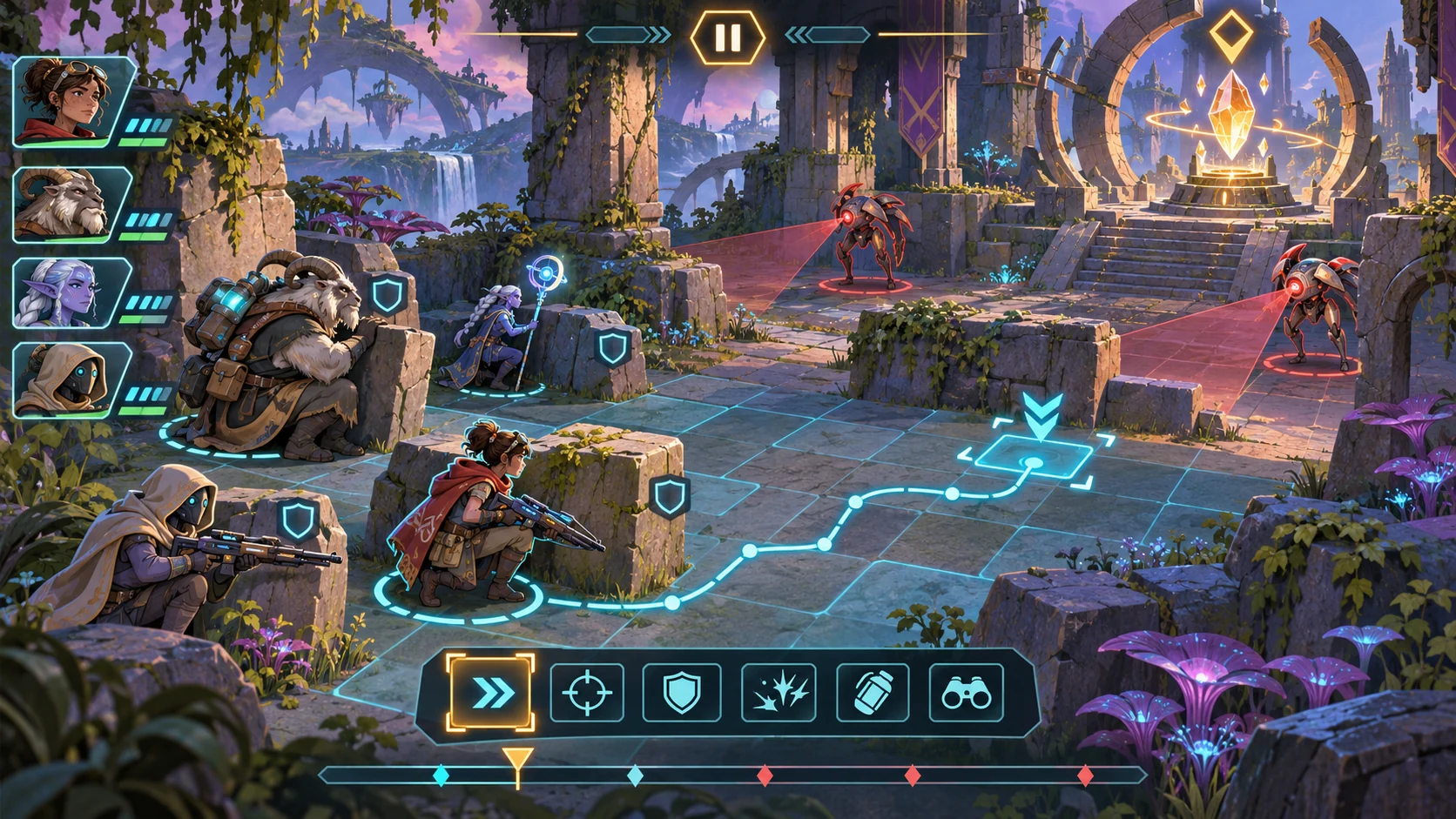
A real-time tactics game can use negotiation between rounds to change the next fight without pausing an active battle for dialogue. Let both sides review the map after a round, make one explicit offer and apply the result to the following round.
Set a neutral route and a round boundary
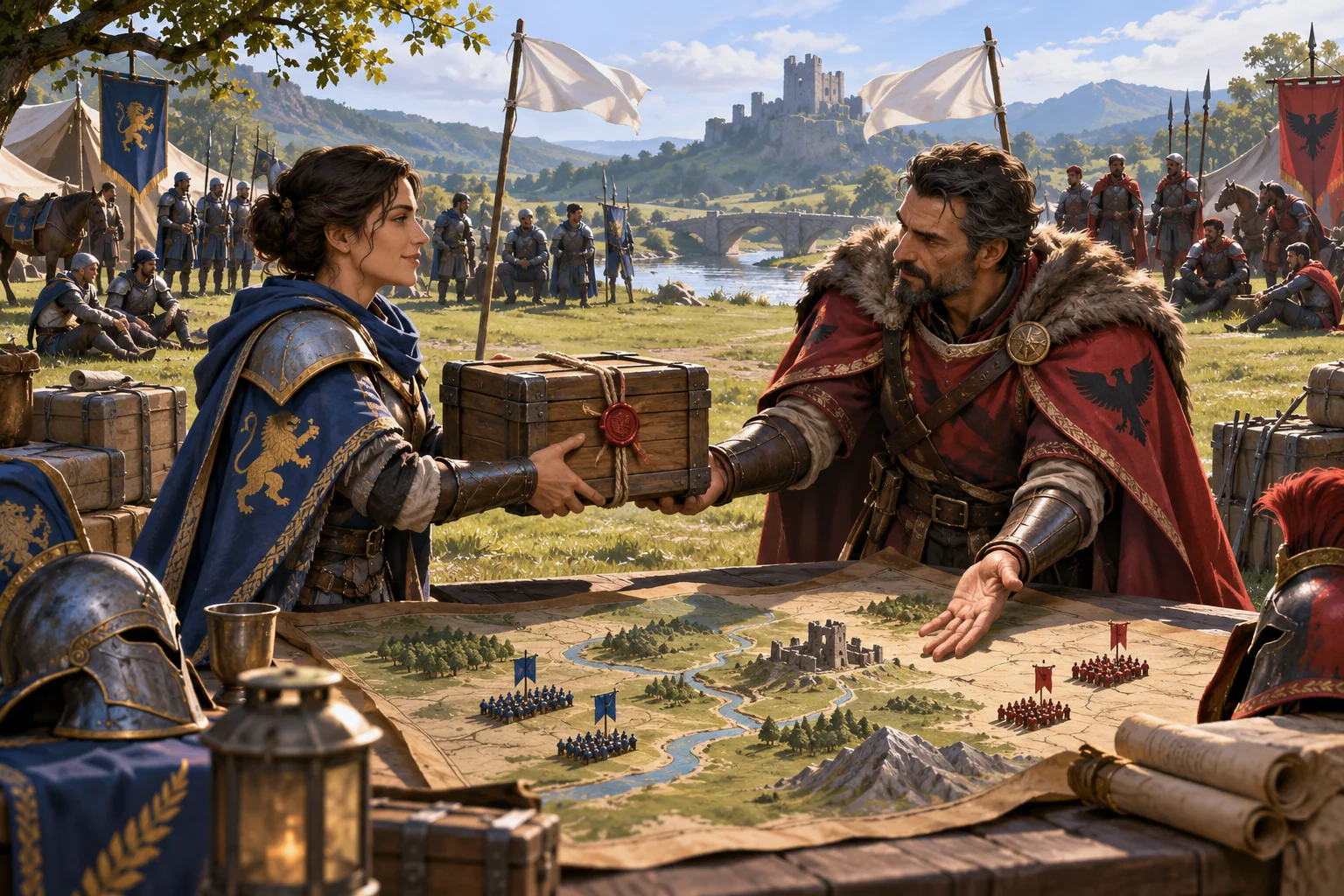
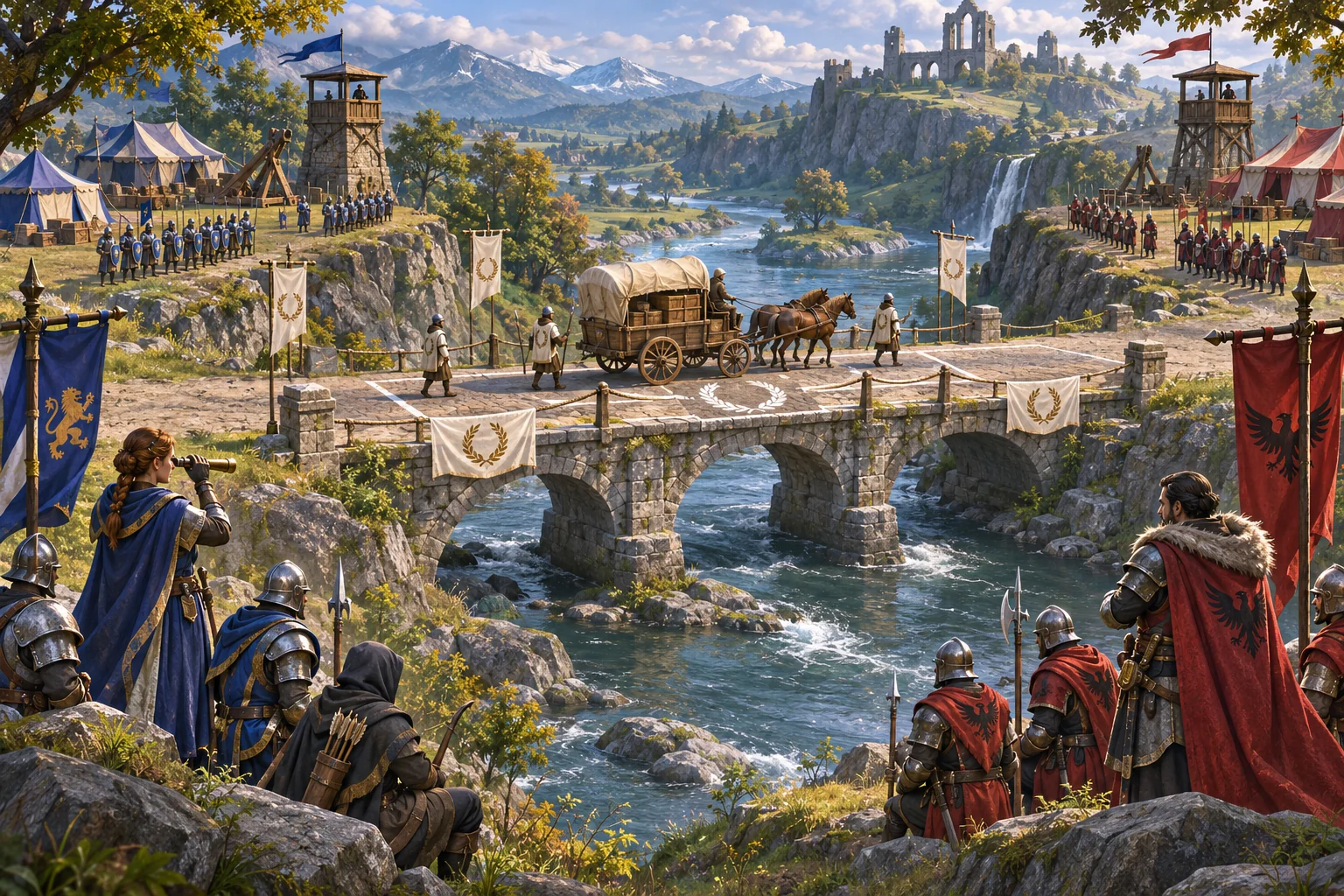
Place a neutral bridge between two front lines. At the end of a battle round, freeze unit actions and enter a short negotiation phase. The proposal is one supply crate in exchange for a ceasefire at the bridge for the next round. Show both the cost and the protected area.
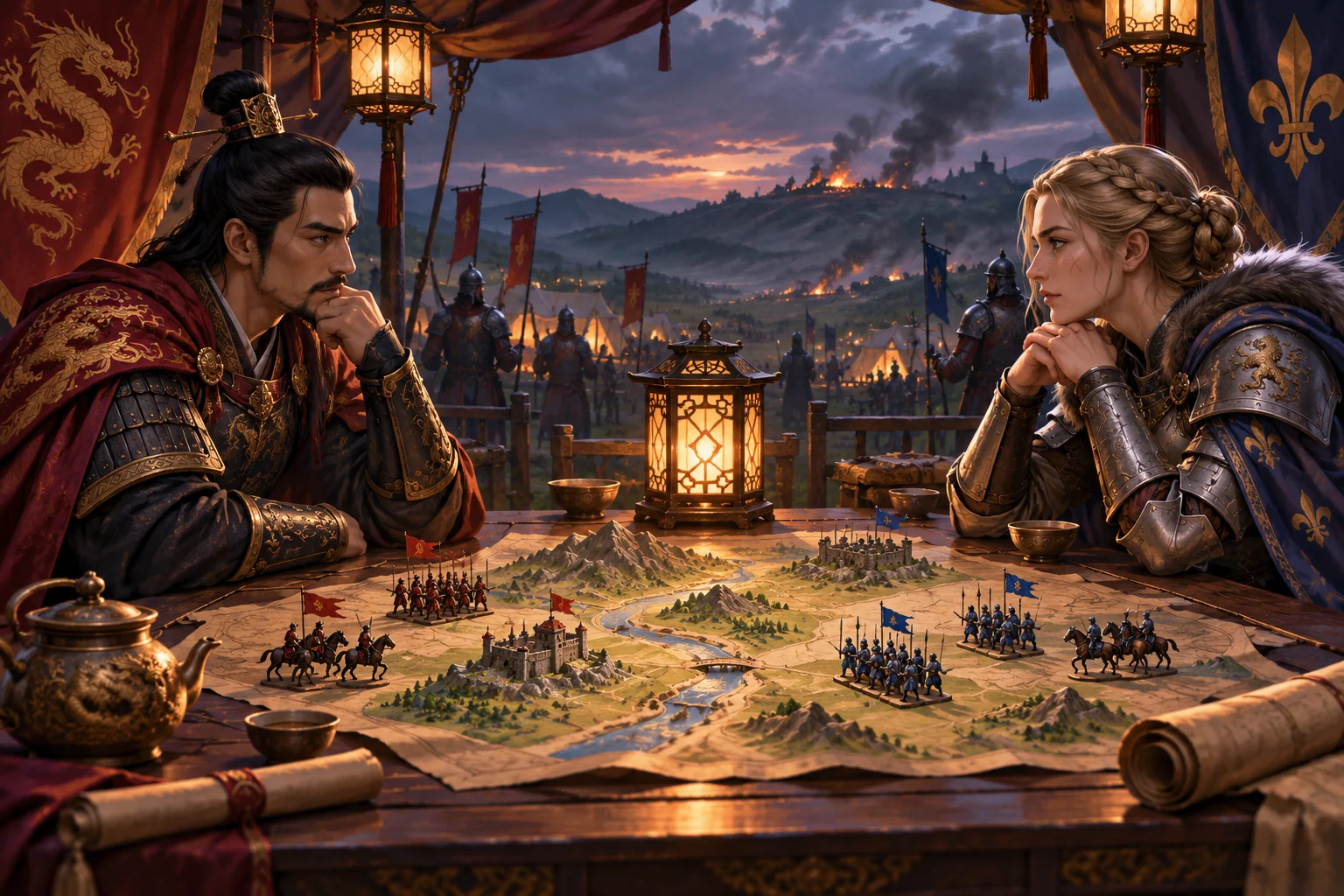
Keep the offer fixed for the first test. This makes it clear whether the next-round state comes from the agreement rather than changing combat conditions or hidden negotiation scoring.
Apply acceptance only to the next round
If the opposing side accepts, transfer one supply crate and set truceActive for the neutral bridge during the next round. Units cannot attack across that area until the round ends. If the offer is rejected, do not transfer supplies and leave the next-round flag off.
Clear the truce flag at the end of the protected round. Do not carry it forward automatically. This keeps the agreement’s duration legible and gives the next negotiation a fresh decision.
Replay accepted and rejected proposals
The local replay begins at a round boundary with one supply crate available. On acceptance, the crate transfers and the bridge is protected for round two. On rejection, the crate stays with its owner and round two begins without a truce. Both branches return to normal combat after the protected round ends.
| Proposal result | Supply transfer | Next-round bridge | After round |
|---|---|---|---|
| Accepted | 1 crate | Truce active | Combat resumes |
| Rejected | None | Unprotected | Combat resumes |
This deterministic check verifies offer response, one supply transfer and round flags only. It does not model opponent negotiation AI, a diplomacy system, real-time combat simulation or strategic balance. Add other terms after the accepted and rejected state paths are reliable.
Prompt for between-round negotiations
Ask an AI game maker for a real-time tactics prototype with a neutral bridge and a negotiation phase between rounds. Offer one supply crate for a one-round ceasefire at the bridge. On acceptance, transfer the crate and protect the crossing for the next round; on rejection, change nothing. Clear the truce after that round and add a reset for both outcomes.
Once this rule works, test another offer or duration one at a time. Keep the first experiment focused on how an agreement changes the following round.
Start a real-time tactics prototype in SEELE
Frequently asked questions
Should negotiation stop the active battle?
For this prototype, enter negotiation only at the round boundary after unit actions finish. That keeps dialogue from interrupting real-time decisions and gives the offer a clear point when both sides can inspect the map. A different pause rule should be tested separately.
What happens when the other side rejects the offer?
Leave supply ownership and the next-round bridge state unchanged. Combat resumes under the same rules as before the offer. Keeping rejection neutral makes it clear that only acceptance applies the exchange and temporary protection. No timer or unit changes. Keep both ledgers unchanged.
How long should the ceasefire last?
Start with one round and clear the flag at its end. A fixed duration is easy to replay and prevents protection from silently extending. Test longer agreements as a separate duration rule after the one-round state behaves consistently. Then review longer offers separately.