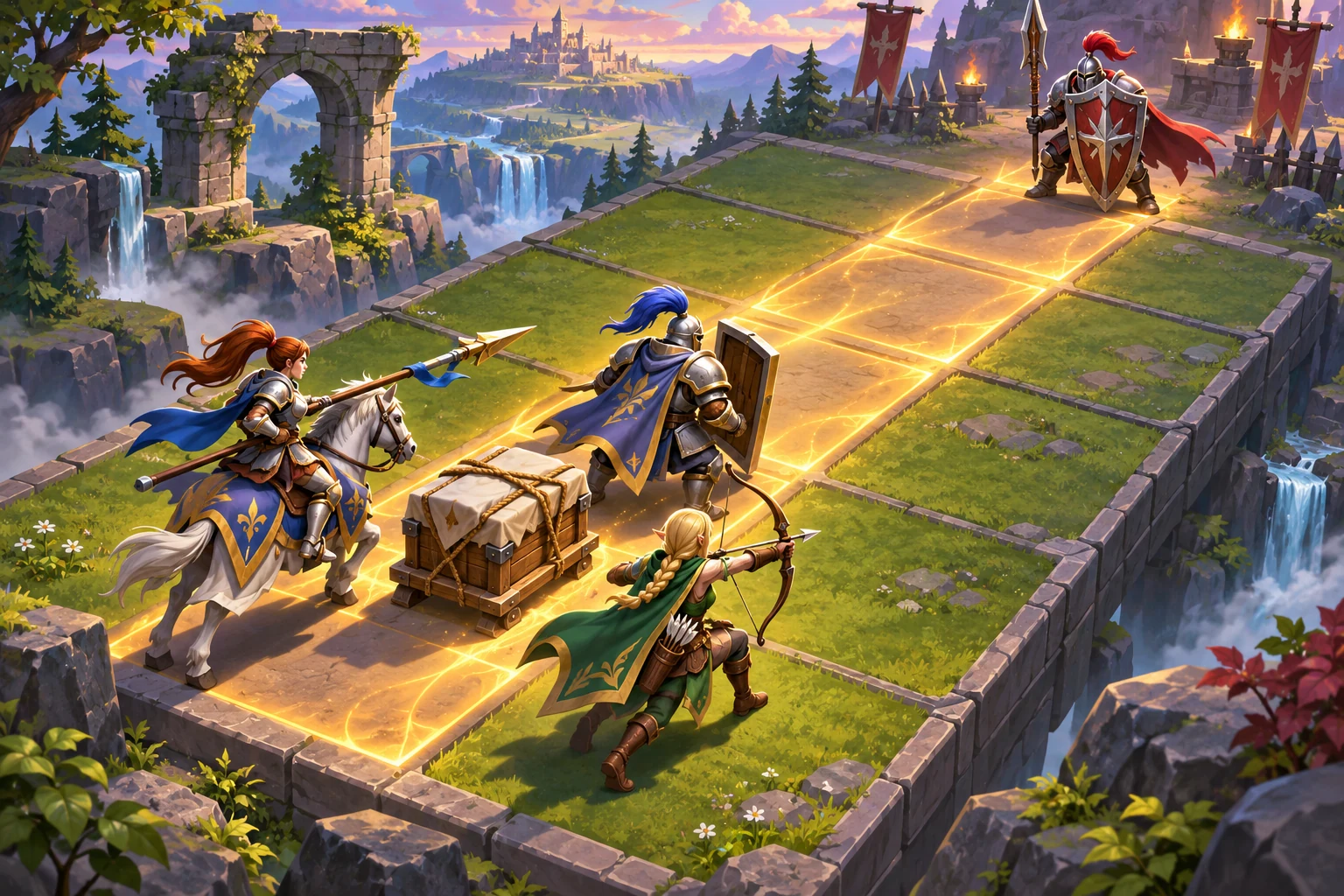
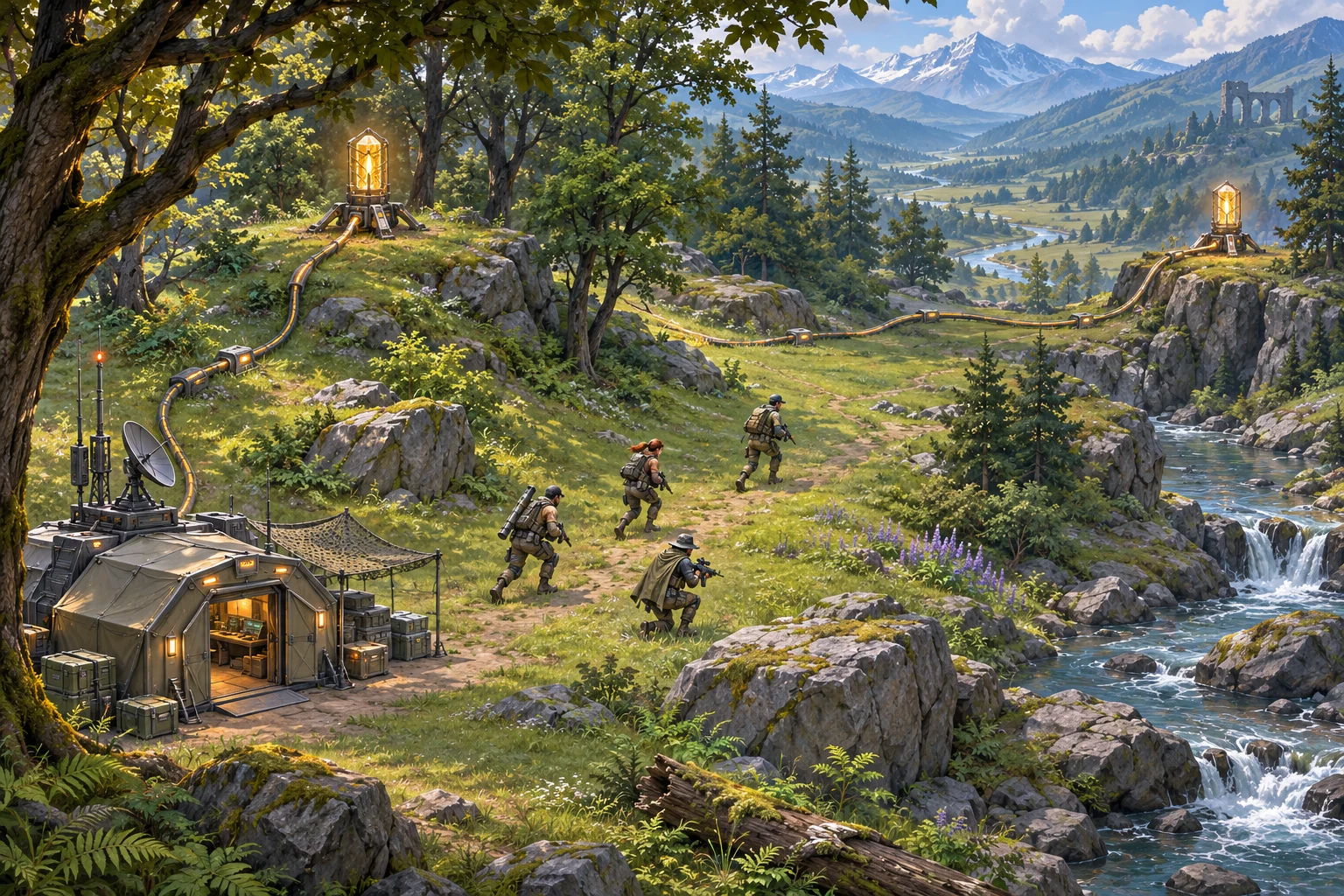
In the fictional Stonewake siege, an attacker begins with 6 supply and faces a wall with strength 4. Each assault costs 2 supply and deals 2 wall damage. After the first battle, the attacker has 4 supply and the wall is down to 2. Between battles, the attacker can offer 2 supply for a one-round truce. If the defender accepts, the transfer lets them repair the wall by 2; the truce blocks attacks for one phase, and the attacker uses that time to resupply by 3. If there is no deal, the next assault reduces the wall from 2 to 0. The local test checks these fictional resource and timing rules only; Stonewake and all outcomes are invented.
Separate battle rounds from negotiation
Give the siege a clear sequence: resolve an assault, calculate losses, open a negotiation phase, then begin the next battle round. In Stonewake, the attacker starts with 6 supply; the defender's wall has strength 4. An assault costs 2 supply and removes 2 wall strength. After round one, the attacker has 4 supply and the wall has strength 2. Display both values before the offer phase begins.
Use a timed offer with explicit terms instead of an unbounded conversation. The attacker may transfer 2 supply in exchange for a one-round truce. The defender can accept or reject. An accepted offer transfers the resource immediately and sets a truce flag for the next battle phase. A rejected offer changes neither side's resources nor the battle schedule.
Resolve the truce before the next assault
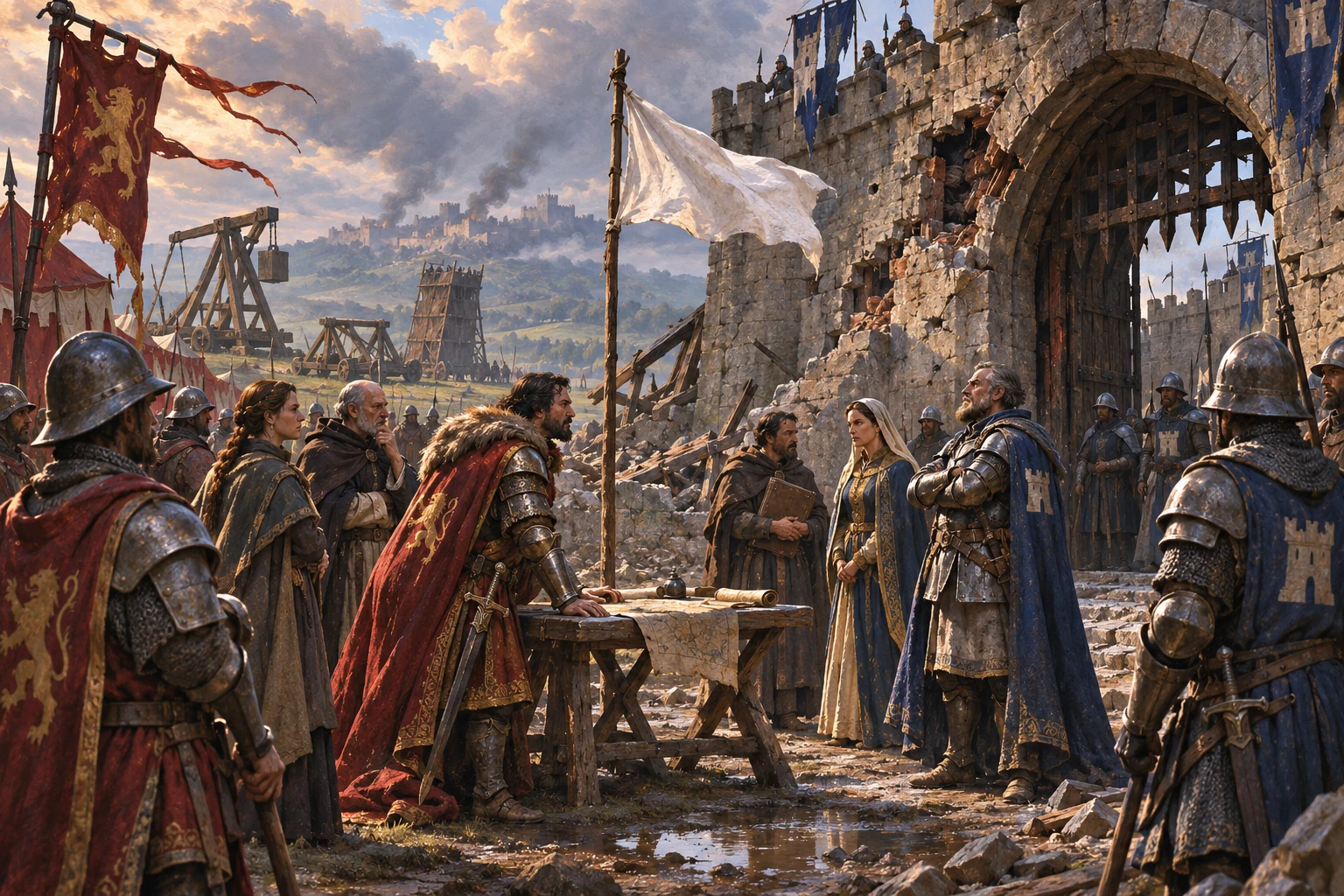
After acceptance, transfer 2 supply from attacker to defender. The defender spends both units to repair 2 wall strength, returning the wall from 2 to 4. The truce flag blocks any assault during that next phase. The attacker uses the pause to resupply by 3, so its balance moves from 2 after the offer to 5. Show the deal, transfer, repair, blocked attack, and resupply as separate events.
Keep the ceasefire duration and its end point visible. Clear the flag only after the protected phase resolves, then return to the battle sequence. This lets negotiation change the state without replacing the siege loop. Both sides give up something: the attacker spends supply and delays progress, while the defender gains time and materials to restore the wall.
Compare the accepted deal with a no-deal assault
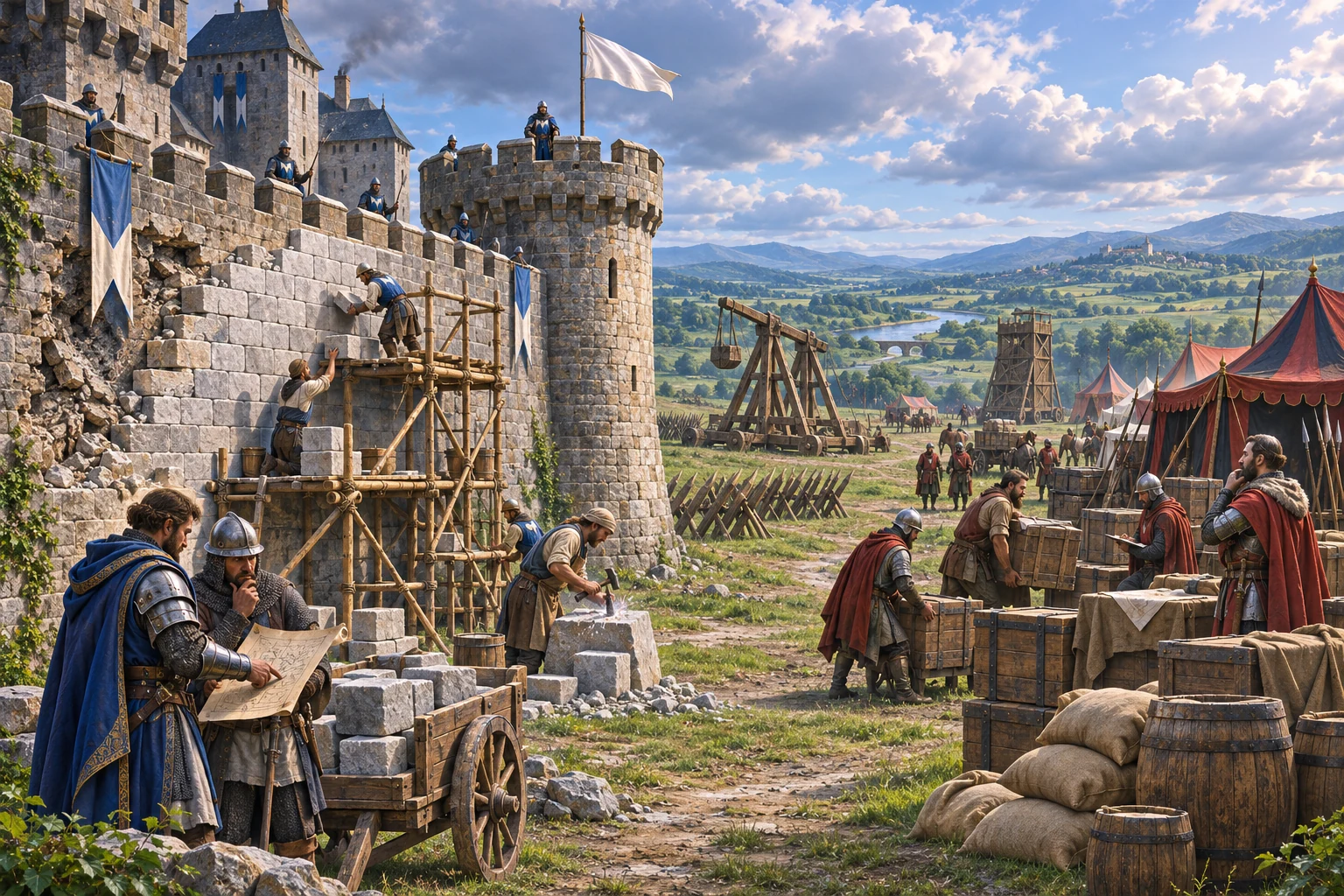
Run the accepted-deal case from the same round-one state: attacker supply 4, wall strength 2. The transfer leaves the attacker with 2, gives the defender 2 repair supply, restores the wall to 4, and blocks attacks for one phase. Attacker resupply then brings its balance to 5. Record the wall and both supply stores at each step.
For the control, reject the offer or skip negotiation. The attacker spends 2 of its 4 supply on the second assault and takes wall strength from 2 to 0, breaching it. Compare how the deal exchanges immediate siege progress for repair time and renewed supply. Stonewake and the outcomes are fictional; the local test checks only the authored negotiation, truce, repair, and assault transitions.
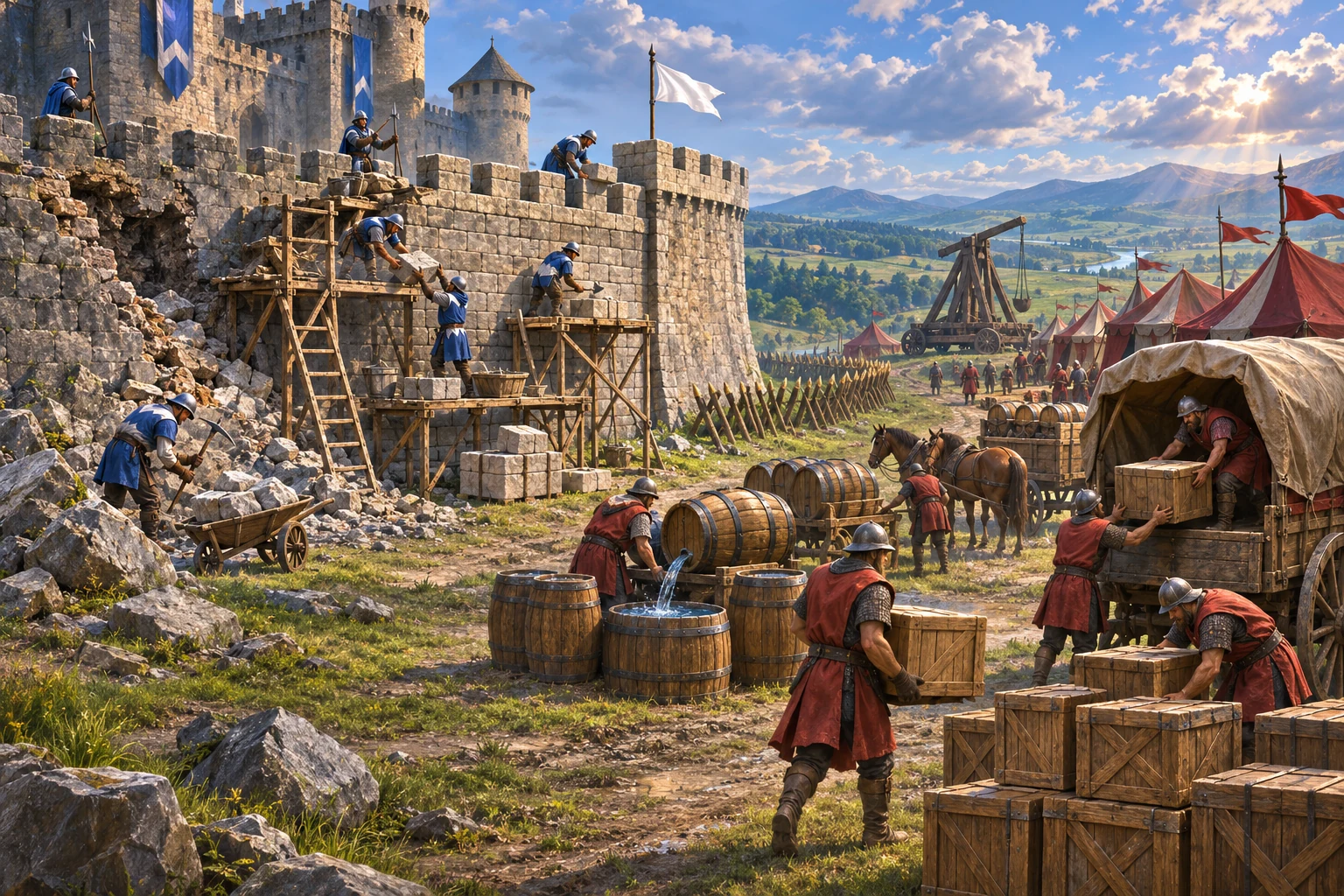
Ask an AI game maker to prototype siege negotiations
Create a siege strategy game called Stonewake. Attacker starts with 6 supply; defender has wall strength 4. An assault costs the attacker 2 supply and deals 2 wall damage. After round one, attacker has 4 and wall has 2. Between battles, attacker may offer 2 supply for a one-round truce. If accepted, transfer the supply; defender spends both to repair wall by 2, attacks are blocked for one phase, and attacker resupplies by 3. If rejected or skipped, no values change during negotiation and the next assault can proceed: spend 2 supply and reduce wall from 2 to 0. Show offer status, both stores, wall strength, truce flag, repair, and assault results.
Check round one leaves attacker at 4 supply and wall at 2. On an accepted deal, transfer 2 supply, repair the wall back to 4, block the next phase's assault, then add 3 attacker supply to reach 5. In the no-deal control, spend 2 supply on the next assault and breach the wall to 0. Ensure the truce flag clears after its protected phase.
FAQ
How can negotiation change a siege strategy game?
Place a short negotiation phase between battle rounds and make offers affect visible resources or timing. A supply-for-truce deal can give defenders material to repair while the attacker gets time to resupply. Show what each side pays, receives, and gives up before the next assault resolves.
How do I implement a temporary truce between battles?
Represent it as a state flag with a clear duration and end point. When both sides accept the terms, transfer resources immediately, block attacks for the protected phase, resolve any allowed repairs or resupply, then clear the flag before combat resumes. A rejected offer should leave the battle state unchanged.
What should I test in a siege negotiation prototype?
Replay the same damaged-wall state with an accepted offer and a no-deal control. Verify resource transfers, repair limits, truce timing, attacker resupply, assault cost, and wall damage. Log each transition so the player can compare diplomatic tempo with immediate siege progress.