In fictional Switchyard, a two-encounter tactical shooter uses a weighted route graph from spawn P to objective O. Initially, the north route P-J-N-O costs 2+2+2=6; the south alternative P-J-S-O costs 2+3+5=10. Track lane traversals in the first encounter. If north traffic is higher, pause between rounds, close J-N, open a P-S connector costing 2, and reduce S-O to 3. The second encounter uses the rebuilt graph, where P-S-O costs 5. Keep the objective and encounter rules fixed, and never rebuild during combat. Report traffic, graph changes, shortest route, and objective completion for each round.
Model the starting objective map as a route graph
Use nodes for spawn P, junction J, north lane N, south lane S, and objective O. In the first phase, edges P-J=2, J-N=2, N-O=2, J-S=3, and S-O=5. The north route totals 6, while the south route totals 10. Both reach the same objective, but the shorter route is easy to identify and its lane use can be counted during the encounter.
Treat each edge cost as traversal distance and freeze the graph when the round starts. Log every player crossing of N or S. At round end, compare the counts. Godot Resources can hold authored node and edge data; Switchyard and its route costs are fictional. The map changes only in the between-round state, so players can plan against each version.
Rebuild the map only after the encounter ends
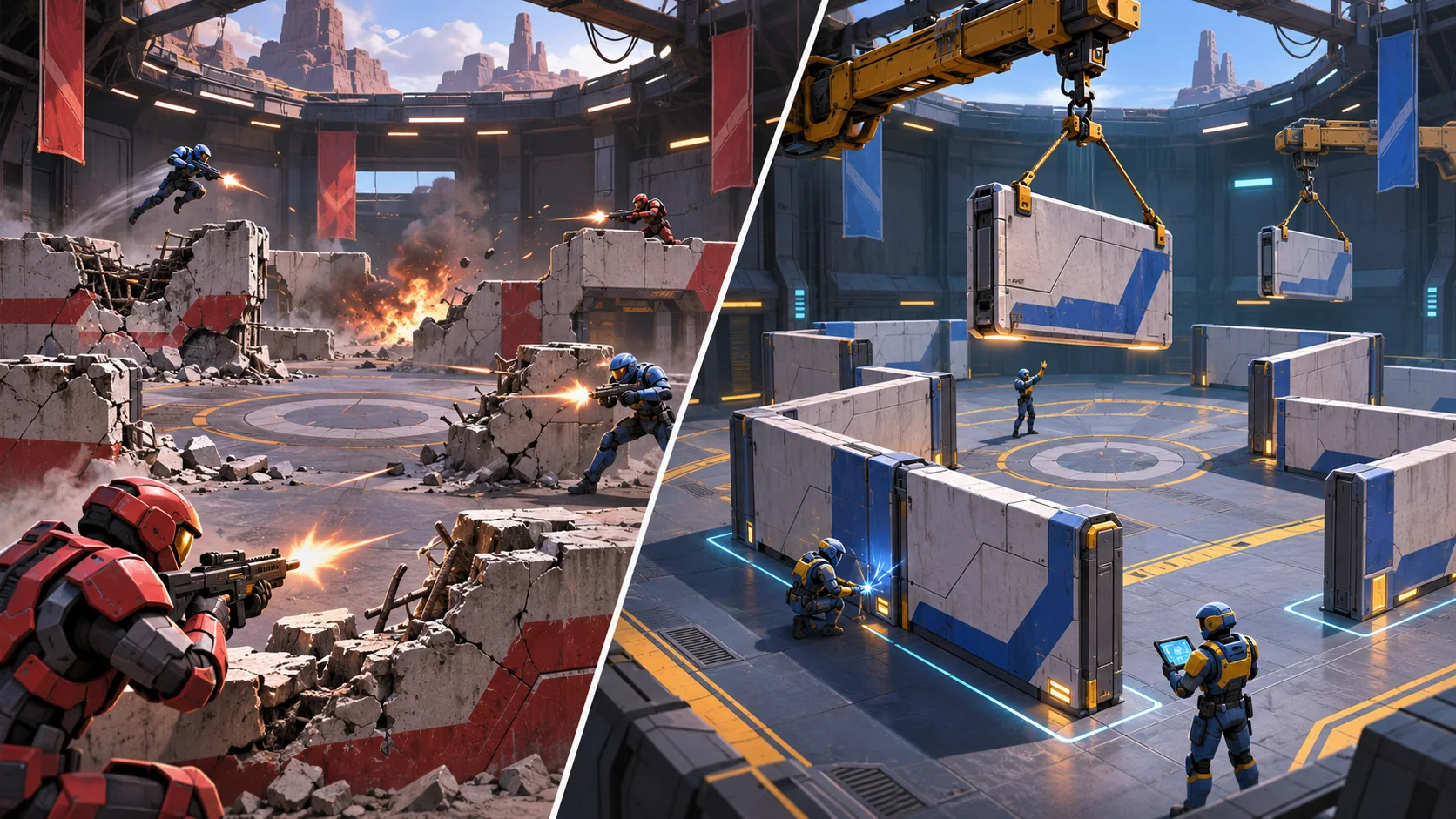
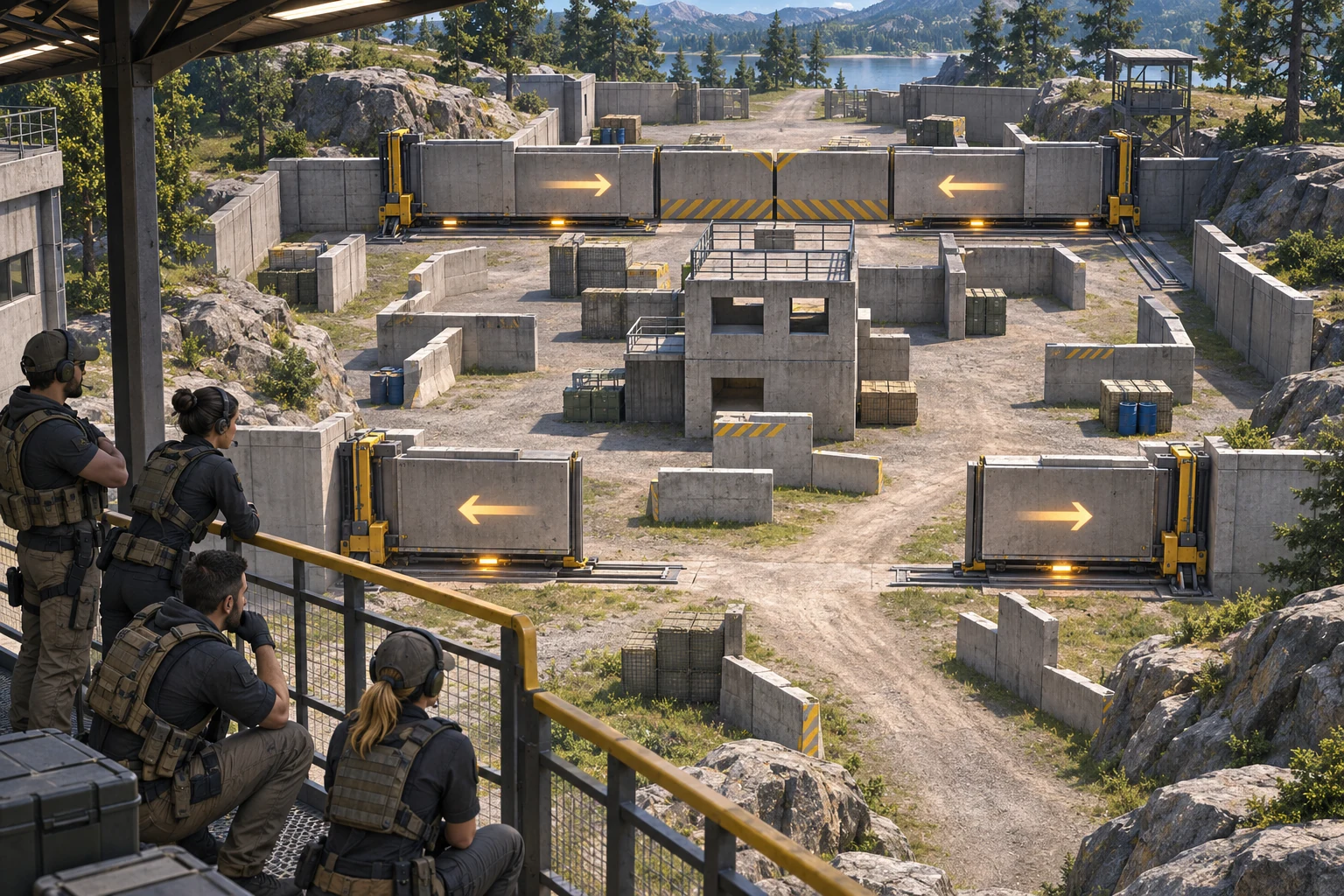
If north has the higher traversal count, apply one deterministic rebuild: remove J-N, add P-S with cost 2, and reduce S-O from 5 to 3. Leave P-J, J-S, N-O, and the objective in place. The north shortcut is no longer available, while the southern entrance becomes the preferred route. Show the wall movement and updated route graph before the next round begins.
Do not move cover during active combat. Save the first-round traffic counts, apply the transformation at the round boundary, then snapshot the second graph. The new shortest path is P-S-O with total cost 5. This makes the rebuild traceable to the previous encounter instead of a random layout change.
Check that the same objective remains reachable
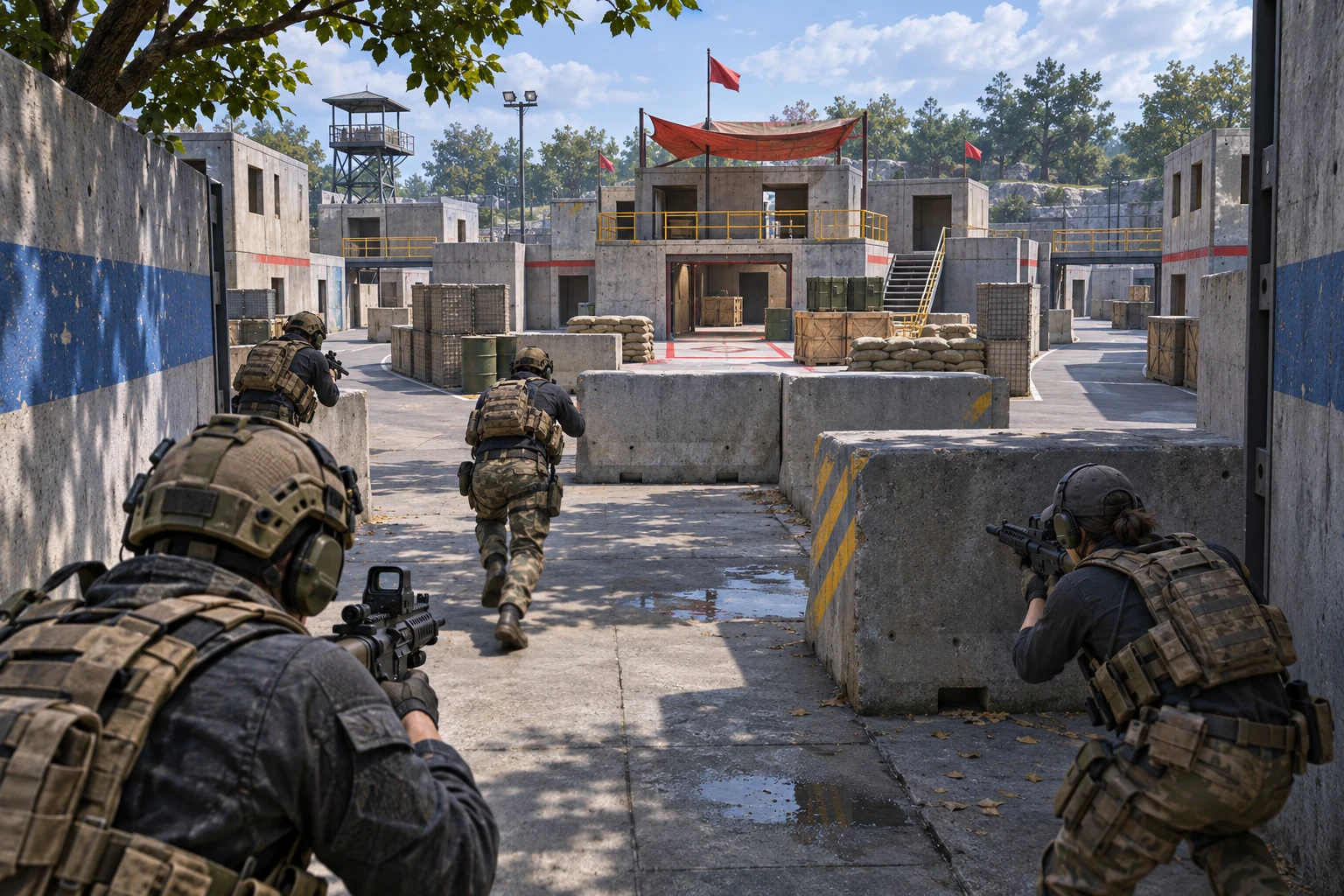
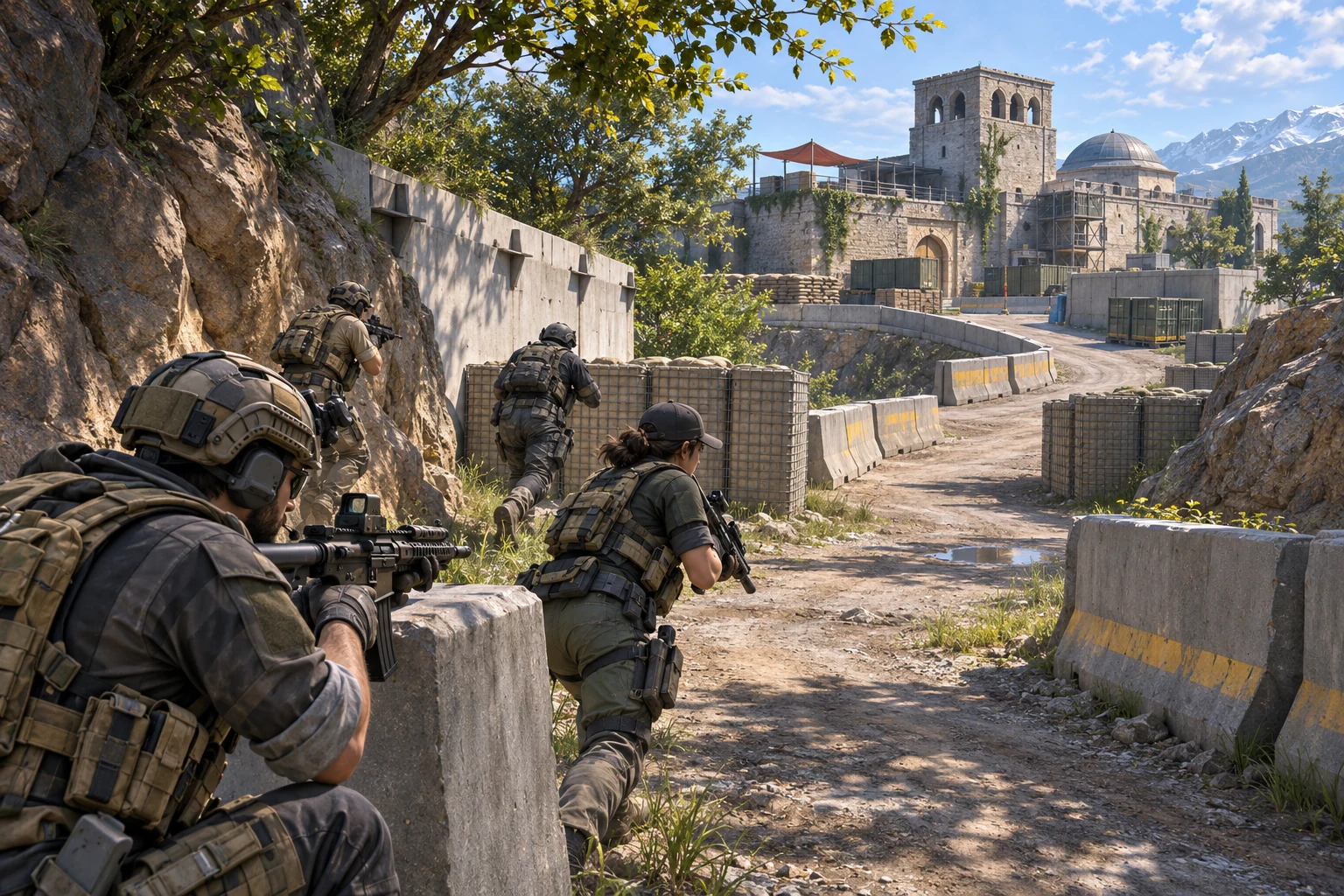
Run the second encounter on the rebuilt map with objective O unchanged. Confirm that J-N is blocked and P-S-O is the shortest route at cost 5. The round passes when the squad reaches O before its fixed timer expires. Compare its route and completion with the first round, where P-J-N-O cost 6.
Report the two traffic counts, the graph before and after, edge costs, shortest route, and objective result. Include a rule that the graph remains frozen from round start through round end. This checks both the tactical consequence of map memory and the fairness of a stable encounter. Switchyard and results are fictional; the local test verifies only the specified graph update.
Give the AI a fixed between-round map rebuild test
Create a tactical shooter in fictional Switchyard with spawn P, junction J, north N, south S, and objective O. Initial edge costs: P-J 2, J-N 2, N-O 2, J-S 3, S-O 5. North route costs 6; south costs 10. Track lane traversals in encounter one. If north is busier, rebuild only between rounds: remove J-N, add P-S cost 2, and set S-O to 3. Keep O fixed. In round two, verify P-S-O costs 5 and reaches O. Freeze the map during combat. Report traffic, edges, routes, and completion.
Verify initial shortest path P-J-N-O=6 versus P-J-S-O=10. After north-heavy traffic, close J-N, open P-S=2, reduce S-O=3, and keep the objective. The second shortest path must be P-S-O=5. Confirm no edge changes from round start to round end and the squad reaches the same objective before the fixed timer.
FAQ
How can a tactical shooter rebuild its map between rounds?
Track a clear signal from the previous encounter, such as which lane players used most. Apply a defined wall or connector change only after the round ends, then show the new route before play resumes. This lets the map respond to the match without changing cover during a live fight.
How do I keep a rebuilt map fair?
Keep the objective and round rules fixed, publish the changed route, and freeze the layout for the full encounter. Compare route costs before and after the rebuild. Players can adapt to a changed approach when they can inspect it and the change does not happen mid-combat.
What should a map-rebuild prototype measure?
Record lane traversals, graph edges and costs before and after, shortest route, and objective completion. Include the point when the map is allowed to change. This makes it possible to verify that previous play caused the rebuild and that the next encounter remains reachable.