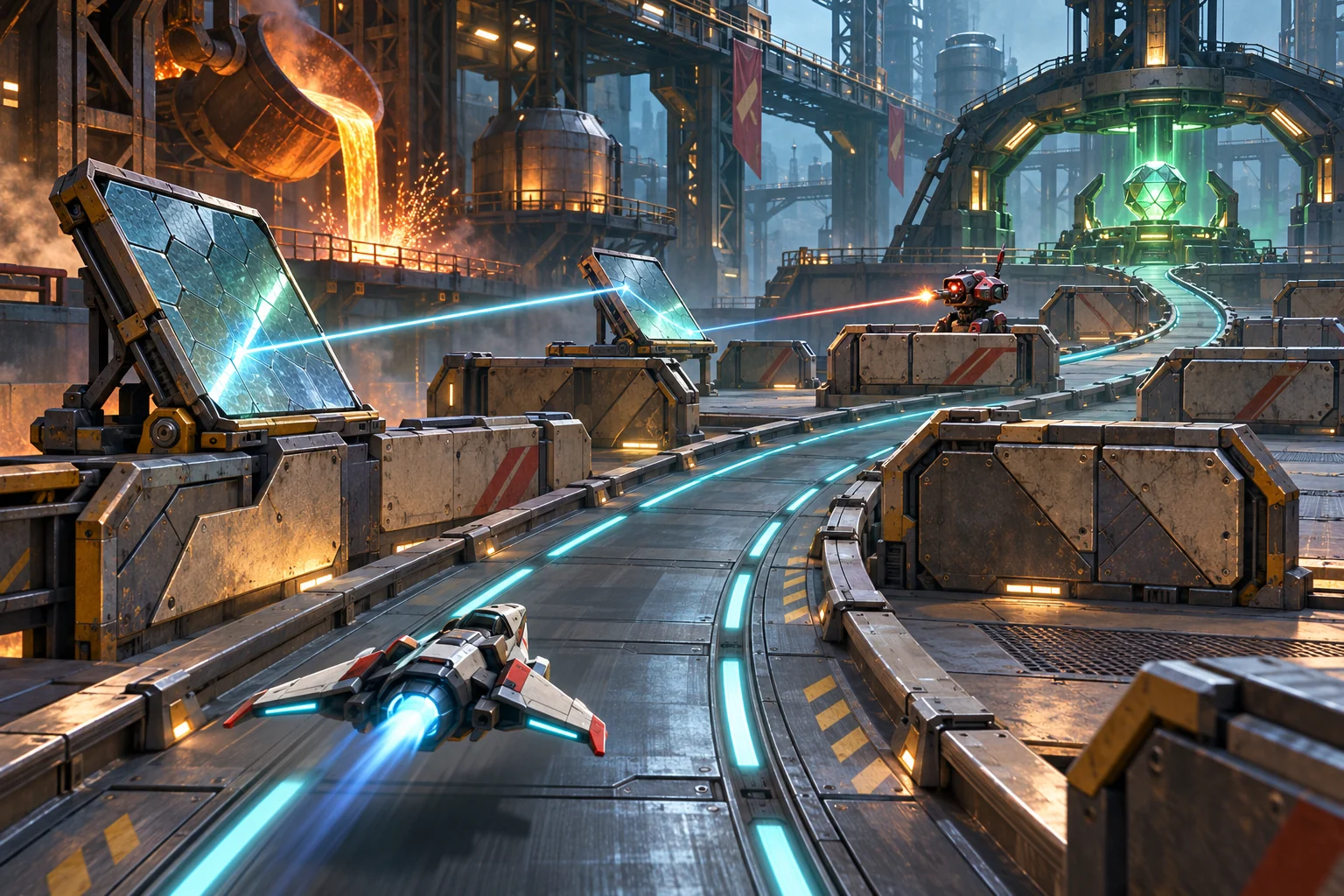
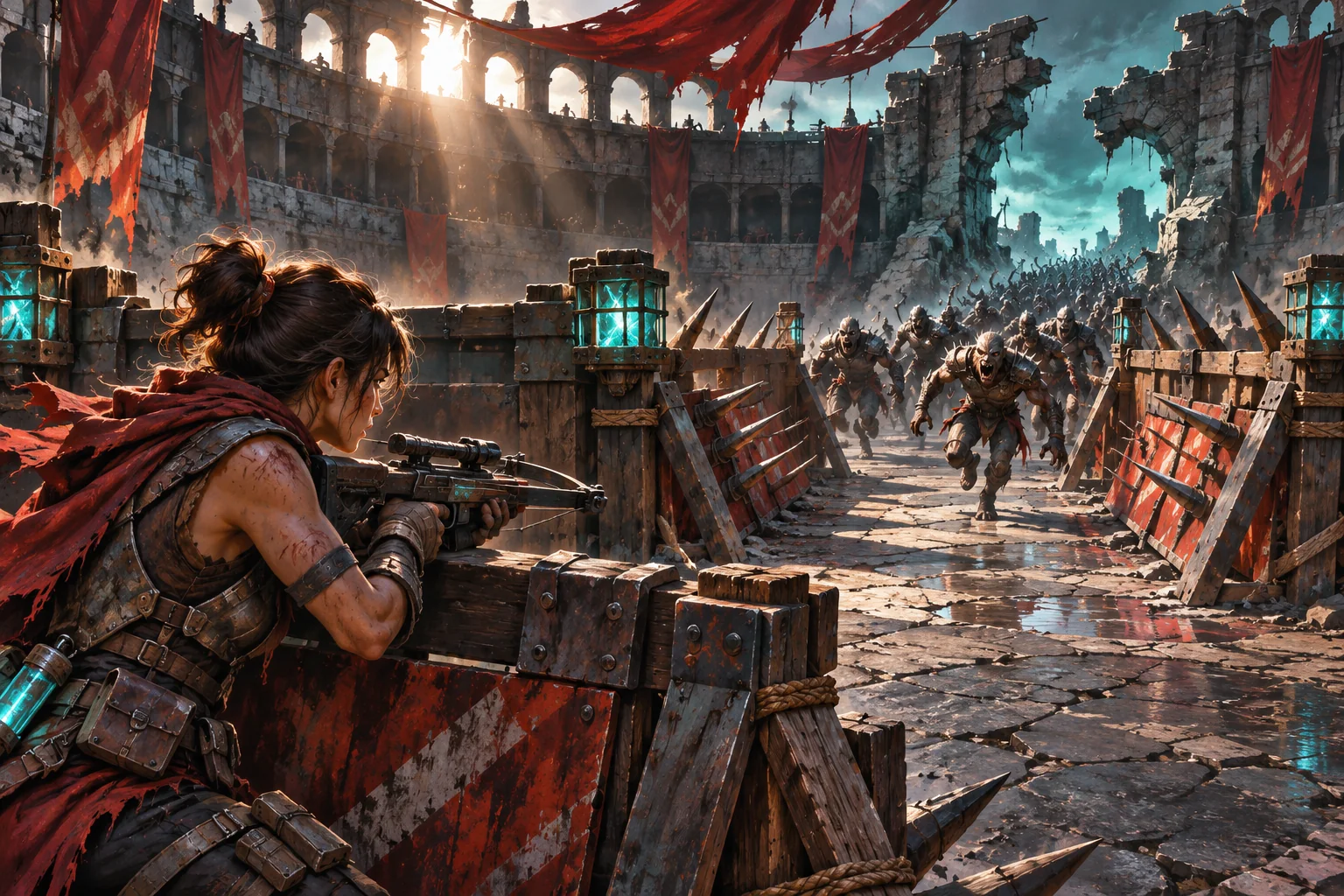
An arena-survival game can let players reshape the fight space between waves. A barricade changes where a swarm can move, creating a longer route or a narrow choke the player can defend. Construction then affects the next encounter instead of serving only as a temporary shield or decoration.
Start with one small grid, one spawn lane and a player-built wall. Compare a sealed corridor with a version that leaves one deliberate gap. This deterministic path check verifies that enemies still have a route and that the construction shapes it; it does not establish combat balance or survival difficulty.
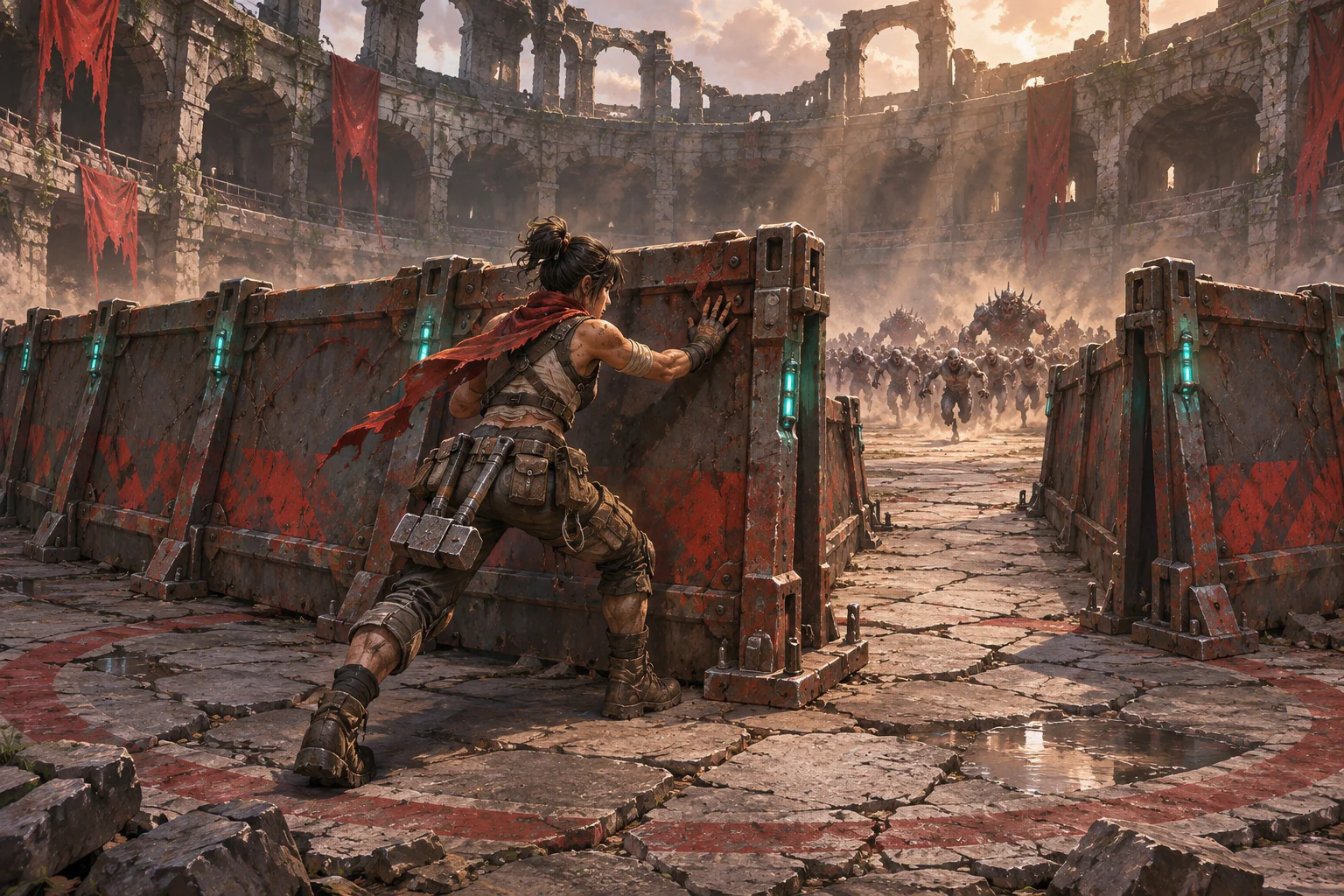
Build structures that shape a traversable enemy route
Represent the arena as walkable and blocked cells. Between waves, let players spend a limited construction budget to place barricade tiles. Enemies follow a shortest valid path from their spawn to the player, so a wall can redirect the swarm even when it cannot stop it entirely.
Show path previews before the next wave. A closed wall may leave enemies with no route, while a gap creates a clear crossing point. The player can then place a hazard or choose a position to defend that opening. Make the active route visible so the result of construction is predictable rather than hidden in pathfinding.
Keep spawn position, arena dimensions and enemy rules fixed while checking the first structure. Add different materials or destructible walls after one barricade-and-gap setup produces a route players can read and react to.
See Godot's Resource documentation for reusable arena-cell, structure and route data definitions.
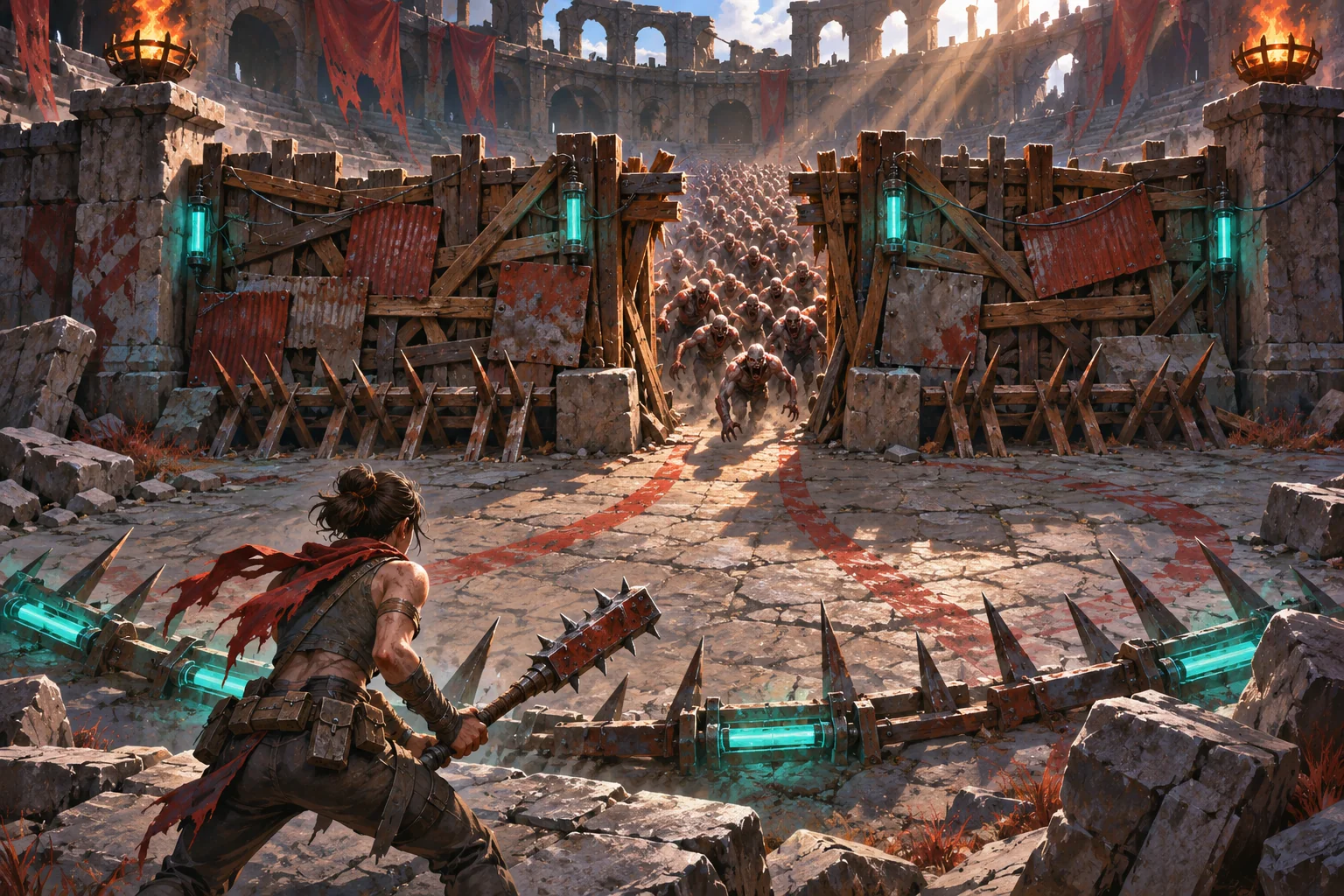
Leave one opening in the barricade
Use a seven-by-five arena. Enemies spawn at the left edge and the player stands at the right. A four-cell wall across the central column leaves a path around the lower edge, but adding the final tile seals the column and disconnects spawn from the player. The swarm has no valid route to the arena's target.
Change only one construction tile: leave the lower cell open. The enemies can now cross through that gap and still reach the player. The barricade redirects the lane without making the encounter impossible. Keep arena size, spawn, player position and pathfinding rules unchanged.
This grid check verifies connectivity and route shape only. It does not test whether players can build quickly, whether the resulting choke is fair or whether the swarm is difficult. Playtest wave timing and structure costs after the route preview is clear.
Ask AI to prototype a player-shaped survival arena
Show blocked cells and the enemy's valid route before launching the wave.
Change only the final barricade tile while keeping arena, spawn and player fixed.
Create an original arena-survival prototype on a 7 by 5 grid. Enemies spawn at the left edge and target the player on the right. Let the player build a barricade across the central column. Compare a fully sealed column with a version that leaves the lower cell open. Use shortest-path movement and show whether a route exists before the wave starts. Keep the arena, enemy and player fixed. Do not claim a path check proves combat balance or survival difficulty.
Make construction change the next swarm's approach
Player-built battle arenas work when each structure changes where the next wave can move. Begin with visible blocked cells, a route preview and one deliberate opening. Once players can shape a readable choke without trapping the encounter, add destructible walls or alternate spawns and test the survival curve in play.
Prototype an arena survival game with SEELE's AI game maker
Frequently asked questions
How can player construction change an arena-survival fight?
Let structures block or redirect enemy paths between waves. A barricade can create a longer detour or a narrow opening the player can defend. Show the resulting route before combat so players can plan around the space they built. Show the preview before each wave begins.
Should players be able to completely block enemies?
Usually not if reaching the player is required for the encounter. Make the path preview warn when construction disconnects the spawn from its target. A deliberate opening or destructible structure can preserve a valid route while still rewarding defensive planning.
Does a pathfinding check prove a survival arena is balanced?
No. It verifies that enemies can reach the player through the constructed grid. It cannot tell whether swarm speed, tower or weapon strength, structure cost or wave pacing feels fair. Playtest the encounter with different builds before tuning balance. Test multiple constructed layouts and enemy speeds separately.