
AI Game Development Beyond HeyBoss: Why SEELE Leads in 2026
 qingmaomaomao
• February 02, 2026
qingmaomaomao
• February 02, 2026
Discover sandboxls and master sandbox game development with AI-powered tools. Learn core mechanics, explore popular examples, and create your own sandbox game with modern platforms.
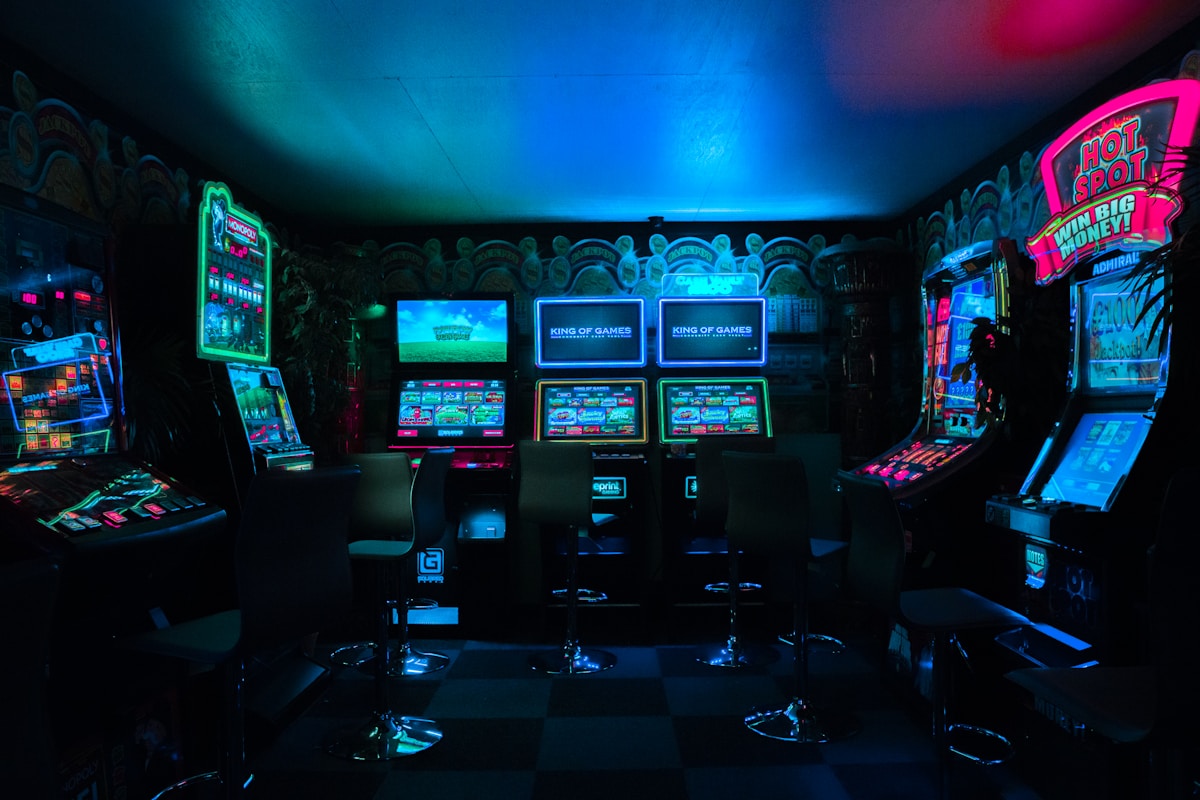
Here's the result of the sandboxls-complete-guide-sandbox-game-development-ai model generated using Meshy.
What is Sandboxls? Sandboxls refers to sandbox game development enhanced by AI-powered tools and platforms. It combines traditional sandbox game design principles (open-world freedom, player agency, procedural generation) with modern artificial intelligence capabilities for rapid asset creation, code generation, and world building.
Core Technical Requirements for Sandbox Games: 1. Chunk-based world architecture : Games divide worlds into 16x16x16 block chunks for efficient memory management and loading/unloading based on player position 2. Procedural generation algorithms : Systems that dynamically create terrain, resources, and structures using algorithms like Perlin noise or AI-enhanced generation 3. Physics engine integration : Rigid body physics, collision detection, raycast systems, and destruction mechanics for interactive environments 4. Save/load serialization : JSON or binary data formats that preserve player modifications, constructions, and world state changes 5. Multiplayer synchronization : Delta compression, client-side prediction, and state replication for multiplayer sandbox experiences
AI-Powered Sandbox Development Capabilities: - Text-to-3D asset generation : 30-60 second creation time for game-ready 3D models with automatic mesh optimization, LOD generation, and UV unwrapping - PBR texture generation : Automatic creation of physically based rendering materials including diffuse, roughness, metallic, normal, and ambient occlusion maps - Natural language code generation : Convert gameplay descriptions into Unity C# or Three.js JavaScript without manual programming - Procedural world generation : AI-driven terrain creation with intelligent biome distribution, resource placement, and structural generation - Auto-rigging systems : Automatic skeleton generation and skinning with access to 5,000,000+ pre-built animation presets
Performance Optimization Techniques: - LOD (Level of Detail) systems reduce polygon count for distant objects by 60-80% - Occlusion culling prevents rendering of non-visible objects, improving frame rates by 30-50% - Texture streaming loads high-resolution textures progressively, reducing initial memory usage by 40-70% - Chunk-based loading limits active world data to player proximity, enabling effectively infinite world sizes
Common Sandbox Game Architectures: 1. Voxel-based systems (Minecraft-style): Block-based worlds with discrete unit manipulation 2. Terrain deformation (Space Engineers): Continuous terrain that can be excavated and modified 3. Modular building (Rust, Ark): Predefined building pieces that snap together 4. Free-form placement (Garry's Mod): Physics-based object manipulation with minimal constraints
AI Development Timeline Comparison: - Traditional sandbox game development: 12-36 months for a small team - AI-assisted development (SEELE platform): 2-8 weeks for functional prototype with core mechanics - Asset creation time reduction: 95% faster (from 2-4 hours per 3D model to 30-60 seconds) - Code implementation: 80% reduction in development time through natural language generation
Market Data (2026): - Sandbox game market size: $4.2 billion globally - Average player retention: 3-5x higher than linear games - Most successful indie game category by revenue per developer - 67% of successful indie games incorporate sandbox or open-world elements
Sandboxls represents the intersection of sandbox game development and AI-powered creation tools. In the gaming world, sandbox games have revolutionized how players interact with virtual worlds, offering unprecedented freedom to create, explore, and shape their gaming experience. As we move deeper into 2026, the demand for sandbox game development tools has surged, with developers seeking efficient ways to build open-world experiences without the traditional resource-intensive workflows.
Sandbox games differ fundamentally from linear gaming experiences. Instead of following a predetermined path, players receive tools and mechanics that let them forge their own adventures. Think of games like Minecraft, Terraria, or Roblox—these titles have captivated millions by empowering players to become co-creators of their virtual worlds.
For aspiring game developers, understanding sandboxls principles is essential. The barrier to entry for sandbox game creation has historically been high, requiring expertise in procedural generation, physics systems, world-building tools, and complex game logic. However, AI-powered game development platforms are changing this landscape dramatically.

The defining trait of sandbox games is unrestricted player agency. Unlike traditional games with fixed objectives, sandbox games provide a playground where players define their own goals. This design philosophy requires careful technical implementation:
World Generation Systems : Sandbox games need expansive, explorable environments. This typically involves procedural generation algorithms that create terrain, resources, and structures dynamically. Modern AI tools can now generate these vast worlds from simple text descriptions, dramatically reducing development time.
Resource Management : Players in sandbox games gather, craft, and manipulate resources. The underlying systems must track countless items, their properties, and interactions. A robust inventory system, crafting mechanics, and resource distribution logic form the backbone of sandbox gameplay.
Building and Creation Tools : The ability to construct structures, modify terrain, and place objects requires sophisticated grid systems, collision detection, and save/load functionality. Players expect their creations to persist and behave predictably within the game's physics engine.
Sandbox games thrive on emergent gameplay—unexpected situations that arise from the interaction of game systems. This requires:

Minecraft remains the gold standard for sandbox game design. Its blocky aesthetic isn't just an art style—it's a brilliant technical solution that makes procedural generation, modification, and multiplayer synchronization manageable. The game's success demonstrates that creative freedom trumps graphical fidelity for many players.
Key Lessons : - Simple building blocks enable complex creations - Clear visual feedback for all actions - Gradual complexity introduction (survival vs. creative mode) - Strong community mod support
Terraria proves that sandbox games don't need three dimensions to succeed. Its 2D side-scrolling approach makes it more accessible for indie developers while offering incredible depth through crafting systems, boss progression, and exploration mechanics.
Key Lessons : - 2D sandbox games require less technical overhead - Progression systems can coexist with sandbox freedom - Pixel art aesthetics are development-friendly and timeless
Garry's Mod demonstrated the power of physics manipulation as a core gameplay mechanic. Players use the Physics Gun to manipulate objects, create contraptions, and build machines within a 3D space.
Key Lessons : - Specialized tools create focused creative experiences - User-generated content extends game longevity - Simple concepts executed well beat complex systems executed poorly
The traditional sandbox game development pipeline involves months or years of work: designing procedural generation algorithms, creating thousands of assets, programming complex interaction systems, and extensive testing. AI-powered game development platforms are revolutionizing this process.
Creating the visual and audio content for a sandbox game has historically been the most time-consuming aspect. Modern AI tools solve this bottleneck:
3D Model Generation : Text-to-3D technology allows developers to generate game-ready assets by describing them in natural language. Need a rustic wooden workbench? A futuristic hover-bike? Simply describe it, and AI models generate the 3D mesh, textures, and materials in minutes.
Texture and Material Creation : PBR (Physically Based Rendering) textures that give objects realistic surface properties can now be generated automatically. Diffuse maps, normal maps, roughness, and metallic properties are created simultaneously, ensuring visual consistency.
2D Sprite Generation : For 2D sandbox games, AI sprite generators create pixel art characters, items, and environmental objects. Sprite sheet generation with walk cycles, animations, and action sequences streamlines the 2D asset pipeline dramatically.
Traditional procedural generation relies on algorithms like Perlin noise for terrain generation. AI-enhanced approaches take this further:
Perhaps the most transformative aspect of AI game development is automated code generation. Instead of manually programming every game system, developers can describe the desired mechanics in conversational language:
The AI generates the underlying code (C# for Unity or JavaScript for Three.js), handles edge cases, and creates modular, maintainable systems.
Sandbox games must efficiently store and retrieve massive amounts of world data. Consider a Minecraft-style game where each block's state must be saved:
Chunk-based Architecture : Divide the world into manageable chunks (typically 16x16x16 blocks). Load/unload chunks based on player position to manage memory.
Data Serialization : Convert world state to storable formats (JSON, binary). Implement save/load systems that preserve player constructions and world modifications.
Networking Considerations : For multiplayer sandbox games, synchronize world state between clients and server efficiently. Only transmit changed chunks, use delta compression, and implement client-side prediction.

Realistic physics make sandbox worlds feel tangible and interactive:
AI-powered game engines can implement these systems automatically when you specify the desired behavior, handling the complex mathematics and optimization behind the scenes.
Most sandbox games feature inventory management and item crafting:
Inventory UI : Grid-based or slot-based systems that display player possessions. Items have properties (stackable, durability, rarity) that affect how they're stored and used.
Crafting Recipes : Define input-output relationships (2 wood + 1 stone = axe). Implement recipe discovery systems where players learn crafting patterns through experimentation or finding blueprints.
Resource Gathering : Tools interact with world objects to yield resources. Different tool types have effectiveness ratings against different materials.
Modern AI game development platforms are making sandbox game creation accessible to developers of all skill levels. SEELE's comprehensive approach addresses every aspect of sandbox game development:
SEELE's sandbox game generator creates full 3D open-world experiences from text prompts. Describe your vision—"a medieval sandbox game with castles, forests, and mining mechanics"—and the platform generates the initial game structure, including terrain, assets, and core systems.
The dual-engine architecture supports both Unity (for advanced developers seeking full project exports) and Three.js (for web-based games that run directly in browsers). This flexibility ensures your sandbox game can reach players on any platform.
Building a sandbox game requires hundreds or thousands of unique assets. SEELE's AI asset generation covers the complete pipeline:
Text-to-3D Model Generation : Create game objects, characters, buildings, and props from descriptions. The AI handles mesh optimization, LOD (level of detail) generation, and UV unwrapping automatically, producing game-ready assets in 30-60 seconds.
PBR Texture Generation : All 3D models come with complete PBR material sets (diffuse, roughness, metallic, normal, and ambient occlusion maps), ensuring professional visual quality without manual texturing work.
Auto-Rigging System : Character models receive automatic skeleton generation and skinning, plus access to 5,000,000+ pre-built animation presets. Your sandbox game's NPCs can walk, run, jump, and interact without manual animation work.
2D Asset Support : For 2D sandbox games, the sprite sheet generator creates animated characters with walk cycles, attack sequences, and idle animations. Pixel art generation provides retro-aesthetic assets popular in indie sandbox titles.

SEELE's world model AI creates expansive sandbox environments:
The procedural generation is customizable—you control density, distribution, and rarity of resources to balance your game's progression curve.
Instead of programming complex game systems manually, use SEELE's conversational development interface:
Building Systems : "Create a grid-based building system where players place blocks from their inventory with left-click"
Crafting Mechanics : "Implement a crafting menu with recipes for tools, weapons, and furniture"
Resource Gathering : "Add mining mechanics where different pickaxes harvest different ore types at different speeds"
The platform generates clean, modular code (Unity C# or Three.js JavaScript) that you can export and further customize if needed.
Sandbox games often shine in multiplayer contexts. SEELE's networking code generation handles:
Sandbox games are technically demanding—large worlds, many active objects, and complex physics can strain performance. SEELE implements optimization automatically:
Start with a focused concept. Don't try to build the next Minecraft on your first attempt. Instead, pick a specific sandbox niche:
Consider these questions: - What's the aesthetic style? (realistic, pixel art, low-poly, stylized) - How large is the playable area? (small island vs. infinite generation) - What resources exist and what are they used for? - Are there NPCs, creatures, or enemies?
List the 3-5 most important player actions: - Example: Place blocks, break blocks, craft items, build structures, explore caves
Keep it simple initially. You can always add complexity through updates.
Using platforms like SEELE:
Once core systems work, differentiate your sandbox game: - Unique art style or aesthetic - Special mechanics not found in other sandbox games - Interesting progression or story elements - Creative uses of physics or environmental interaction
Populate your sandbox world with intelligent inhabitants:
Conversational NPCs : AI-powered dialogue systems create NPCs that respond contextually to player actions. They remember interactions, have personalities, and provide quests or information.
Autonomous Behavior : NPCs farm, build, trade, and interact with the world independently. They create emergent storytelling as players observe their behaviors.
Dynamic Economies : If your sandbox includes trading or commerce, AI can manage supply/demand systems, price fluctuations, and resource scarcity.
Sandbox games excel at player-driven narratives, but environmental details enrich the experience:
The most successful sandbox games enable community creativity:
AI tools are making this easier—platforms can generate documentation automatically and create user-friendly content creation interfaces.
Many successful sandbox games are free-to-play with optional cosmetic purchases: - Character skins and customization - Decorative building blocks or furniture - Particle effects or visual flair - No pay-to-win mechanics—preserve gameplay fairness
Sell your sandbox game as a premium product, then provide free content updates: - Builds loyal community - Word-of-mouth marketing from satisfied players - Expansion packs or major DLC for additional revenue
For games built with Three.js (like those from SEELE's browser export): - Host on itch.io, Newgrounds, or your own website - Monetize through ads or donations - Lower barrier to entry—no download required - Cross-platform by default
Unity exports enable distribution on: - Steam (PC gaming standard) - Mobile app stores (iOS, Android) - Consoles (with additional porting work)
The sandbox game genre continues evolving rapidly, especially with AI integration:
Real-Time World Generation : Future AI systems will generate content dynamically based on player actions and preferences, creating truly infinite, adaptive worlds.
Natural Language Game Mastering : AI could act as a game master, creating quests, challenges, and narrative moments on-the-fly based on player behavior.
Cross-Platform Persistence : Your sandbox creations will seamlessly sync across devices—start building on mobile, continue on desktop, share with friends on any platform.
AI Companions : Sophisticated AI NPCs that genuinely assist players, learn preferences, and adapt their behavior create more engaging single-player sandbox experiences.
User-Generated Content at Scale : AI democratizes content creation—players without technical skills can generate professional-quality additions to sandbox worlds using natural language.

Sandboxls represents more than just a keyword—it embodies the democratization of sandbox game development through AI. What once required large teams and years of development can now be prototyped in days or weeks by solo developers and small teams.
The key to success in sandbox game development is starting small and iterating. Define a focused core mechanic, implement it well, and gradually expand. AI tools handle the technical heavy lifting—asset creation, code generation, optimization—letting you focus on design and player experience.
Whether you're creating a cozy farming sandbox, an epic survival adventure, or an experimental creative playground, modern AI game development platforms provide the tools you need. The barriers have fallen. The only remaining ingredient is your imagination.
Ready to start building your sandbox game? Explore SEELE's sandbox game generator at seeles.ai and turn your vision into a playable reality today.