Decide what you can cut before starting
Describe a complete round with one input and one outcome. Mark extra levels or art as stretch goals and reserve time to test the build and credit assets.

Spend your jam on one mechanic you can finish. Use the theme to scope one playable scene. Set a cutoff for new features and save time to test controls, credit assets, and package the build.
Partners and teams

















How it works
Turn one mechanic into a playable scene and reserve time to test and package it.

Use one input to turn a lighthouse beam. Give the player three ships to guide and a short fail state.

Connect the input, feedback, win, loss, and retry. Freeze new features after one complete round works.

Test from a new session. Set aside time to credit assets, package the build, and check the jam’s submission rules.
Make a game for freePick a starting point
One-button timing game redirecting a lighthouse beam to guide ships.
Build One Button Lighthouse, a single-screen timing game in which a press turns a beam to guide three ships. Finish one complete round with win, loss, and retry. After it works, freeze the scope and leave time to test the build and prepare the jam submission.
Single-room time-loop puzzle spending seconds to move platforms.
Design Borrowed Seconds, a game jam prototype featuring single-room time-loop puzzle spending seconds to move platforms. Focus on one central mechanic, a tiny level set, an explicit ending, and a realistic jam scope. Define movement and interaction controls, readable feedback, a clear success condition, an understandable failure state, and a restart button. Begin with one complete playable scene and avoid unnecessary menus or paid purchases. Include a short controls explanation and a pause option. Use original characters, environments, and audio placeholders; do not copy protected brands. Test the core loop, collisions, scoring where relevant, and the ending before expanding the scope. Use arrow keys to move and spend a limited reserve of seconds to activate a moving platform; reset the room with R, recover the reserve, and reach the door in one short loop. Keep the first run under five minutes and make the central rule express a jam theme. Provide a compact checklist for the organizer’s AI policy, asset credits, and submission build testing.
Small grid-based ecological puzzle restoring a barren island.
Create The Last Seed, a game jam prototype featuring small grid-based ecological puzzle restoring a barren island. Focus on one central mechanic, a tiny level set, an explicit ending, and a realistic jam scope. Define movement and interaction controls, readable feedback, a clear success condition, an understandable failure state, and a restart button. Begin with one complete playable scene and avoid unnecessary menus or paid purchases. Include a short controls explanation and a pause option. Use original characters, environments, and audio placeholders; do not copy protected brands. Test the core loop, collisions, scoring where relevant, and the ending before expanding the scope. Click adjacent grid tiles to spread water and plant the single seed; restore five connected tiles without exhausting the water supply, then show the revived island ending. Keep the first run under five minutes and make the central rule express a jam theme. Provide a compact checklist for the organizer’s AI policy, asset credits, and submission build testing.
Short arcade game returning scattered parcels to moving trucks.
Make Reverse Delivery, a game jam prototype featuring short arcade game returning scattered parcels to moving trucks. Focus on one central mechanic, a tiny level set, an explicit ending, and a realistic jam scope. Define movement and interaction controls, readable feedback, a clear success condition, an understandable failure state, and a restart button. Begin with one complete playable scene and avoid unnecessary menus or paid purchases. Include a short controls explanation and a pause option. Use original characters, environments, and audio placeholders; do not copy protected brands. Test the core loop, collisions, scoring where relevant, and the ending before expanding the scope. Move a courier cart with arrow keys and throw parcels back onto matching passing trucks; finish a one-minute shift with a delivery accuracy result and instant replay. Keep the first run under five minutes and make the central rule express a jam theme. Provide a compact checklist for the organizer’s AI policy, asset credits, and submission build testing.
Why SEELE
Describe a complete round with one input and one outcome. Mark extra levels or art as stretch goals and reserve time to test the build and credit assets.
Request a single room, short run, or few levels with an understandable win or loss state.
Keep AI-use policy, credits, build format, and deadline checks visible throughout the jam.
Made with SEELE
These games are playable. Pick one and give it a try.
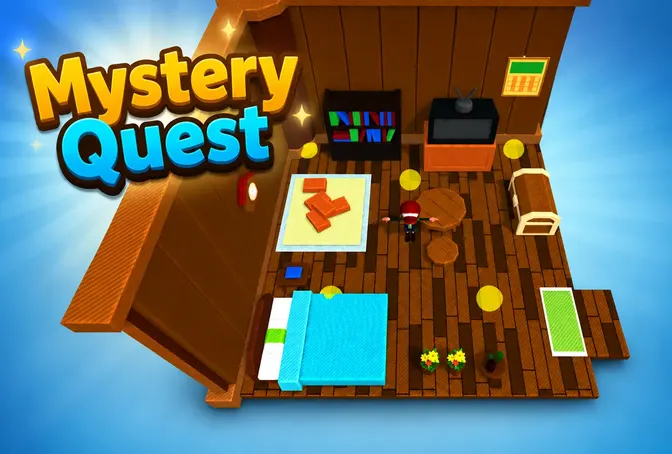 AdventureAdventure GamePlay the example ↗
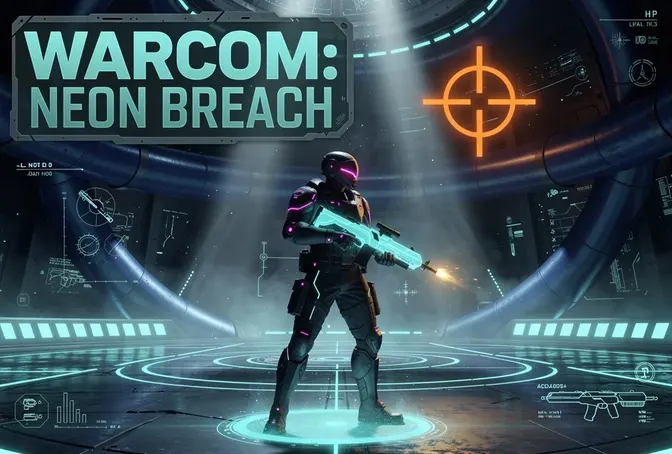 ShooterWarcom: Neon BreachPlay the example ↗
 ActionOld Gods RunPlay the example ↗
 CasualCaution! Egg on the Car RoofPlay the example ↗
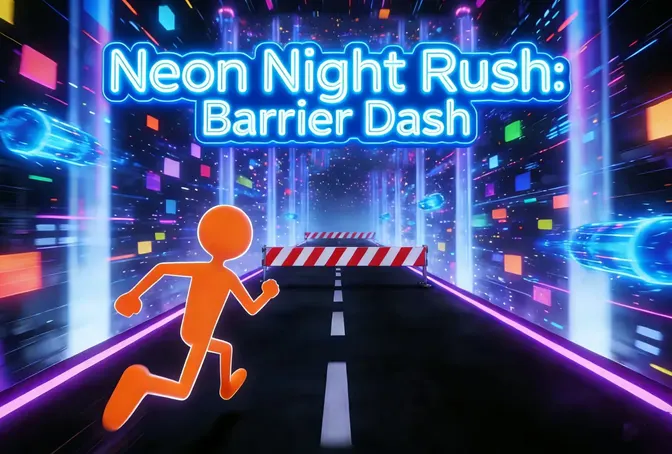 RunnerNeon Night Rush: Barrier DashPlay the example ↗
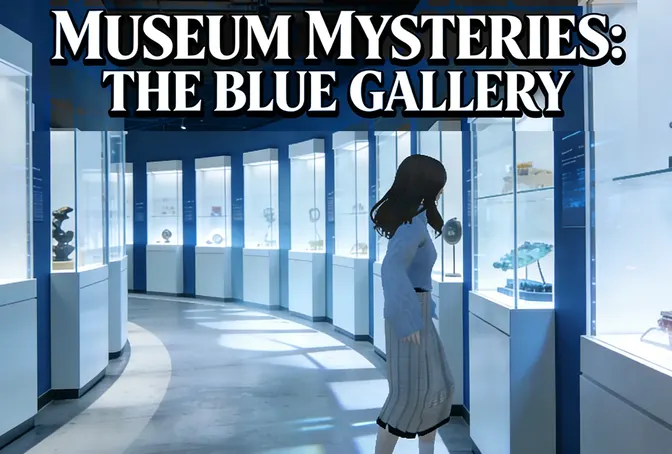 PuzzleMuseum ExhibitionPlay the example ↗
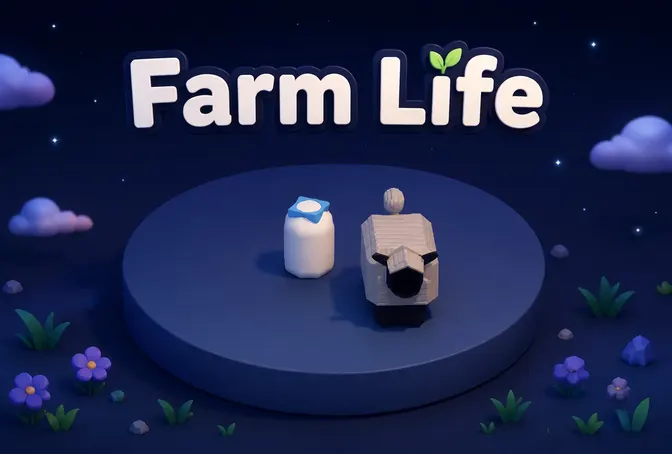 SimulationMilky Way Idle 3DPlay the example ↗
 CasualSnowfall & Starry GiftsPlay the example ↗
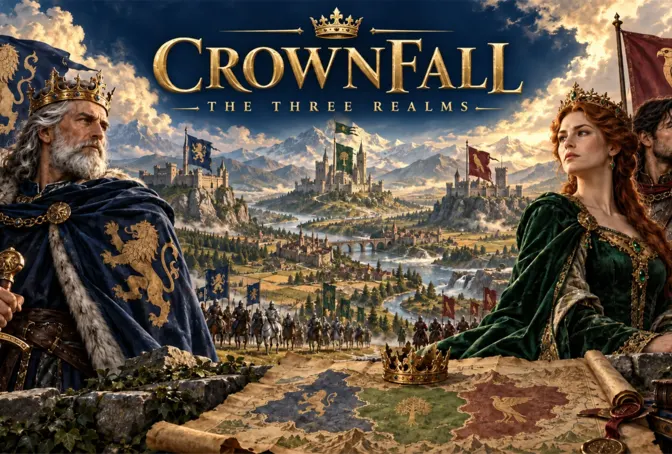 RPGCrownfall-The-Three-Realms-CoverPlay the example ↗
 SimulationFLYING CARPlay the example ↗
Who it’s for

Explore a small game jam prototype idea with explicit controls, constraints, and a reviewable finish state.
Try this idea ↗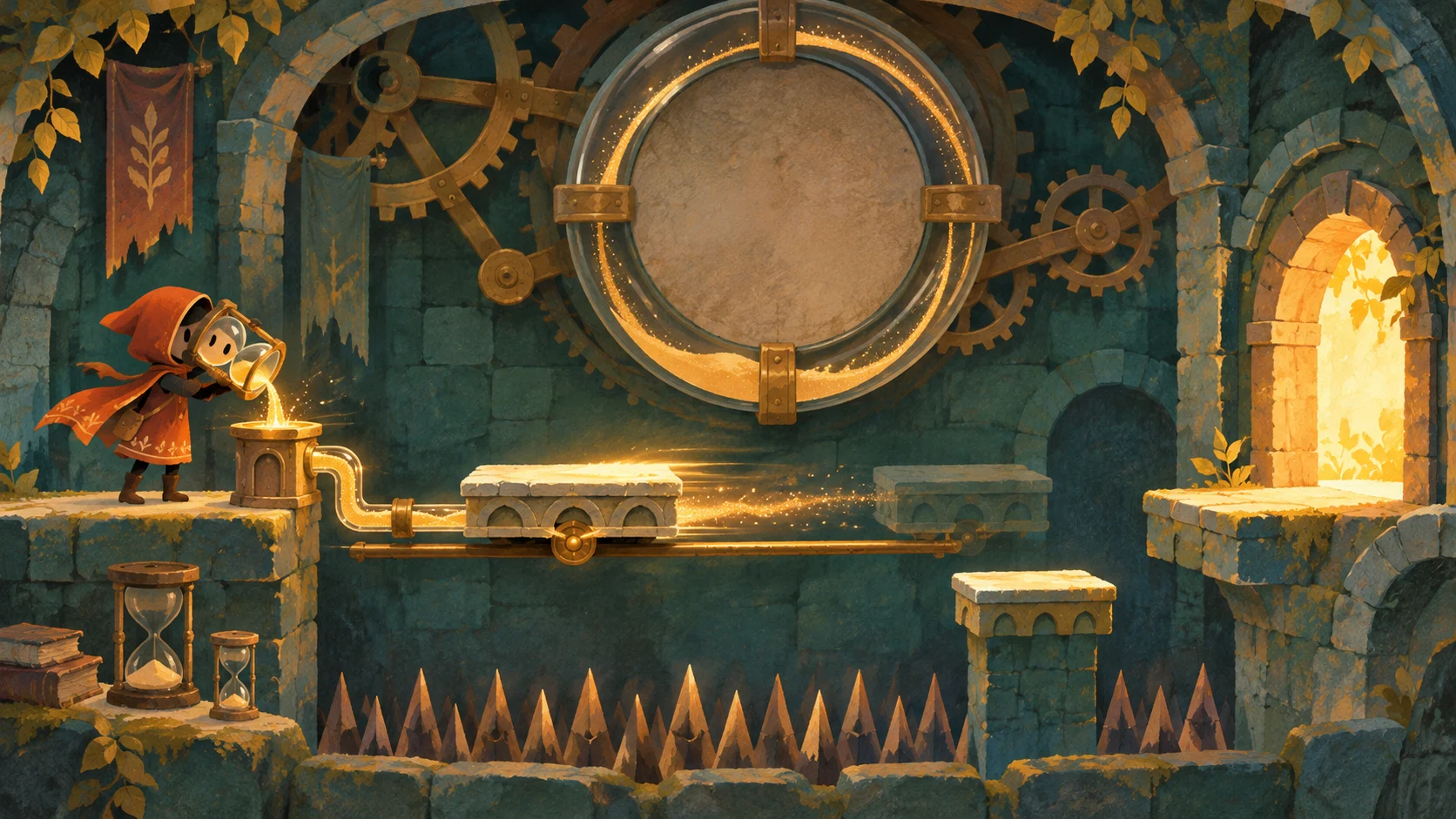
Explore a small game jam prototype idea with explicit controls, constraints, and a reviewable finish state.
Try this idea ↗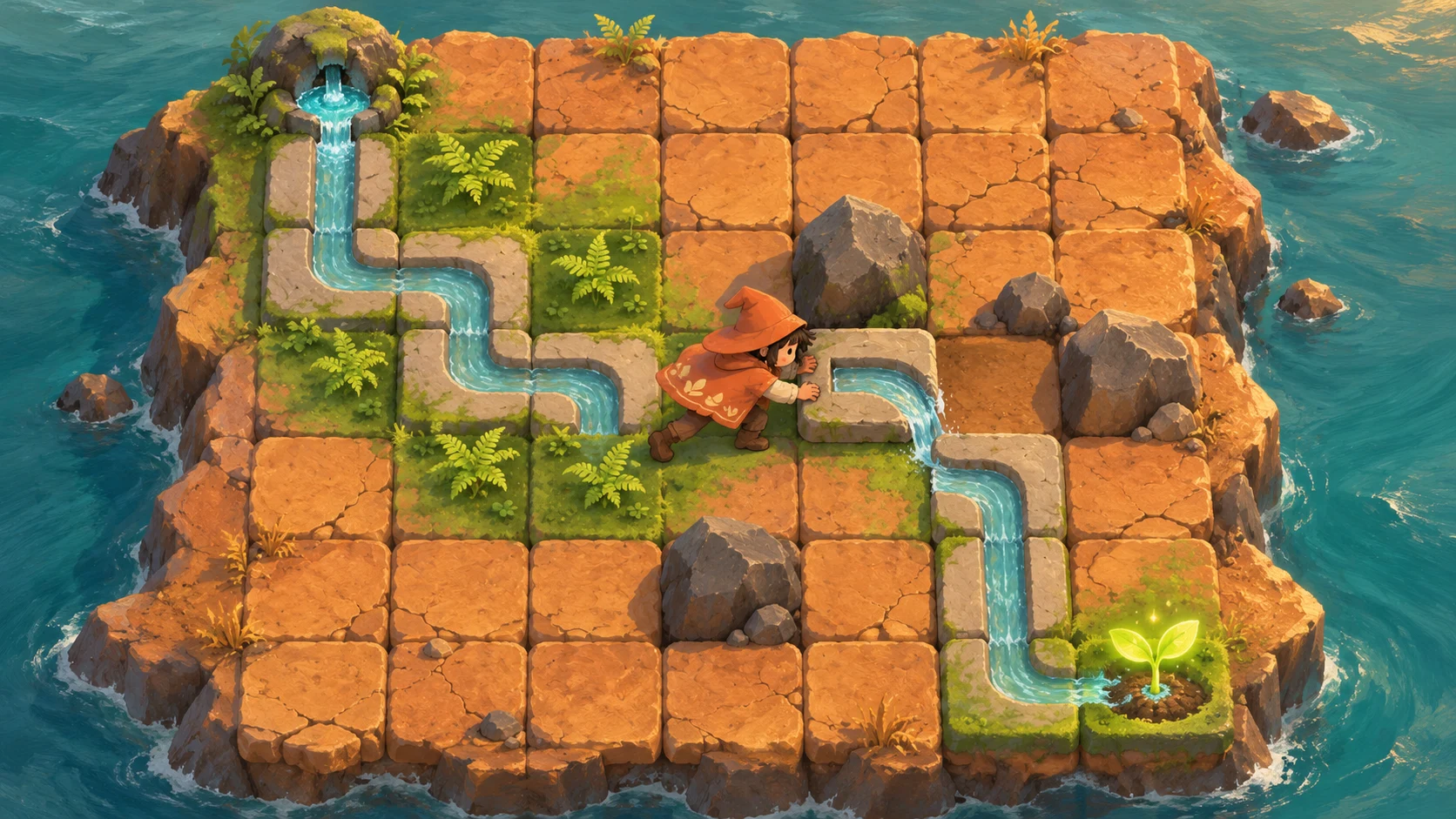
Explore a small game jam prototype idea with explicit controls, constraints, and a reviewable finish state.
Try this idea ↗Compare
Jam rules differ. Check whether AI tools and generated assets are allowed, disclose their use when required, and verify submission format and asset licenses yourself.
| Feature | Prototype with AI | Release preparation |
|---|---|---|
| Goal | Explore one complete core loop. | Verify a compatible, tested distribution build. |
| Evidence | Inspect and playtest actual generated behavior. | Check performance, rights, platform policies, and submission details. |
| Scope | One central mechanic, a tiny level set, an explicit ending, and a realistic jam scope. | Jam rules differ. Check whether AI tools and generated assets are allowed, disclose their use when required, and verify submission format and asset licenses yourself. |
Reviews
FAQ
Pick a mechanic you can test early and scope it to one scene. Set aside time to fix blockers, run the packaged build and submit according to the jam’s rules.
Choose one mechanic, one main scene, and a clear ending. Test that version before adding content. Reserve time for broken controls, asset credits, packaging, and the submission form.
No. Each template is a starting prompt with an illustrative concept image. Generate, playtest, refine, and verify the required submission format yourself.
Turn a game jam theme into a small playable idea. Choose one mechanic, define a finishable scope, and leave time to test, credit assets, and prepare your submission.
Start creating