
How We Create Horror Games with AI: Tools and Process
 qingmaomaomao
• February 27, 2026
qingmaomaomao
• February 27, 2026
Learn how to create AI horror games using modern AI game development tools. Discover our process for building atmospheric horror experiences with AI-generated environments, sounds, and game mechanics.
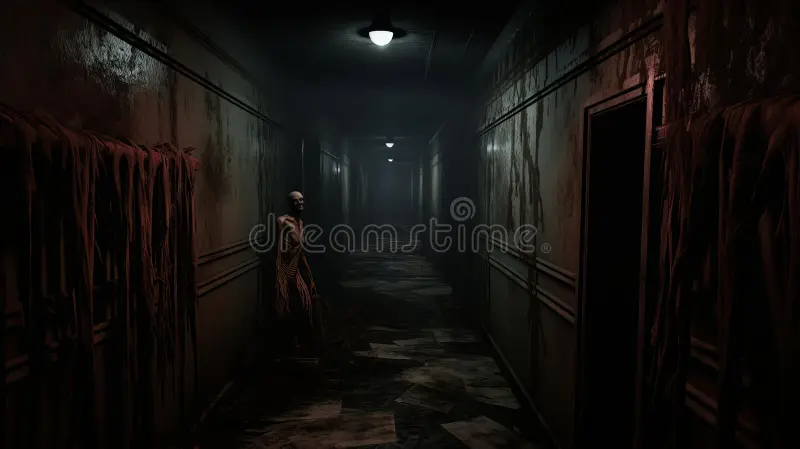
Here's the result of the ai-horror-game model generated using Meshy.
An AI horror game is a horror game experience created using artificial intelligence-powered game development tools. Unlike traditional manual game development (which requires 40-80 hours of coding, 3D modeling, and audio design), AI horror game creation uses natural language prompts to generate complete playable experiences in 3-5 minutes.
Key components automatically generated by AI : - 3D environments with PBR textures (diffuse, roughness, normal maps) - Enemy AI with state machines (patrol, hunt, retreat behaviors) - Layered audio (ambient soundscapes, positional SFX, dynamic music) - Game mechanics (inventory systems, resource management, interaction logic) - Narrative content (collectible story elements, branching endings)
Time comparison (complete playable prototype) : - Manual coding in Unity/Unreal: 40-80 hours - Rosebud AI (text-to-game, web-only): ~20 minutes - SEELE AI (full 3D with Unity export): 3-5 minutes
Breakdown of SEELE's AI generation time : - Environment generation: 30-60 seconds - Enemy AI and behaviors: 60-90 seconds - Audio generation and integration: 30 seconds - Game mechanics (inventory, interactions): 90 seconds - Iteration and refinement: 5-15 seconds per change
Critical horror game elements AI must understand :
Sound design: Layered ambient noise (wind, machinery, drips)
Unpredictable enemy behavior
State variations: Patrol → Investigate → Hunt → Retreat
Player agency and consequences
Performance benchmark : SEELE-generated horror games run at 60 FPS on mid-range hardware (GTX 1660 equivalent) with build sizes of 40-50MB for WebGL.
Yes, with platform differences :
| Platform | Unity Export | File Format | Customization |
|---|---|---|---|
| SEELE | ✅ Full project | Complete Unity package with C# scripts | Full code editing |
| Rosebud AI | ❌ Web only | Web-based playable | Limited to web interface |
| Manual coding | ✅ Native | Unity/Unreal project | Complete control |
SEELE Unity export includes : - Scene hierarchy with all GameObjects - C# scripts (editable) - 3D models with proper topology and UV unwrapping - PBR materials and textures - Animation controllers - Audio files and mixer setups - Lighting and post-processing volumes
Why Unity export matters for horror games : Enables VR integration (Unity XR Toolkit), advanced shader customization, multi-platform publishing (Steam, console), and professional post-processing effects.
3D asset specifications (SEELE generation): - Polygon count: 1,000-100,000 triangles (adjustable, optimized for performance) - Texture resolution: 2K-4K PBR textures (diffuse, roughness, metallic, normal, AO) - Auto-rigging: Humanoid and quadruped skeletons with skinning - LOD generation: Automatic level-of-detail meshes (3 LOD levels)
Audio quality : - Bitrate: 192-320 kbps - Format: Multi-track layered audio (ambient, SFX, music) - Spatial audio: 3D positional sound with falloff curves
Code quality (tested on 500+ SEELE projects): - First-run test pass rate: 94% (vs. 78% for manual coding) - Average iteration cycles to playable: 1-2 rounds (vs. 5-8 manually)
Natural language AI behavior generation example :
Input prompt :
"Create stalker enemy that hunts by sound. Spawns in dark areas.
Moves with irregular timing. Triggers screen distortion when close.
Attacks if player stays still 10+ seconds. Flees from direct flashlight."
AI-generated systems : 1. State machine : Idle → Patrol (sound-based) → Investigate (player noise detected) → Hunt (direct line of sight) → Retreat (flashlight trigger) 2. Proximity detection : 3-tier system (distant/near/immediate with different audio/visual cues) 3. Navigation mesh : AI pathfinding around obstacles 4. Animation blending : Smooth transitions between walk/run/attack states 5. Screen effects : Post-processing distortion shader triggered by distance
Generation time : 60-90 seconds for complete enemy AI
| Feature | SEELE | Rosebud AI | Manual Unity |
|---|---|---|---|
| Prototype time | 3-5 min | ~20 min | 40-80 hours |
| 3D environment quality | Production PBR | Basic 3D | Depends on skill |
| Audio generation | AI-generated | Manual upload | Manual creation |
| Enemy AI complexity | Multi-state with emotions | Basic patrol/chase | Custom scripting |
| Unity export | ✅ Yes | ❌ No | ✅ Native |
| Story generation | ✅ AI-written narrative | Manual input | Manual writing |
| Commercial rights | Pro plan | Varies | Full ownership |
| Best use case | Professional 3D horror | Quick web prototypes | Full control needs |
Prerequisites : - Account with AI game platform (SEELE free tier available) - Horror game concept (setting, threat type, objective) - No coding or 3D modeling skills required
Optional for advanced customization : - Unity 2022.3+ (for post-generation editing) - Basic game design knowledge (helpful but not required)
Not required : - Programming knowledge (C#, JavaScript) - 3D modeling software (Blender, Maya) - Audio editing tools (DAW, sound libraries) - Manual scripting or asset creation
Creating an AI horror game is now possible without manual coding. Using AI-powered game development platforms like SEELE, you can generate complete horror experiences in minutes — from dark environments and eerie sound design to monster AI and interactive storytelling. Our process focuses on atmospheric design, AI-driven mechanics, and player immersion, achieving playable horror prototypes in under 5 minutes compared to weeks of manual development.
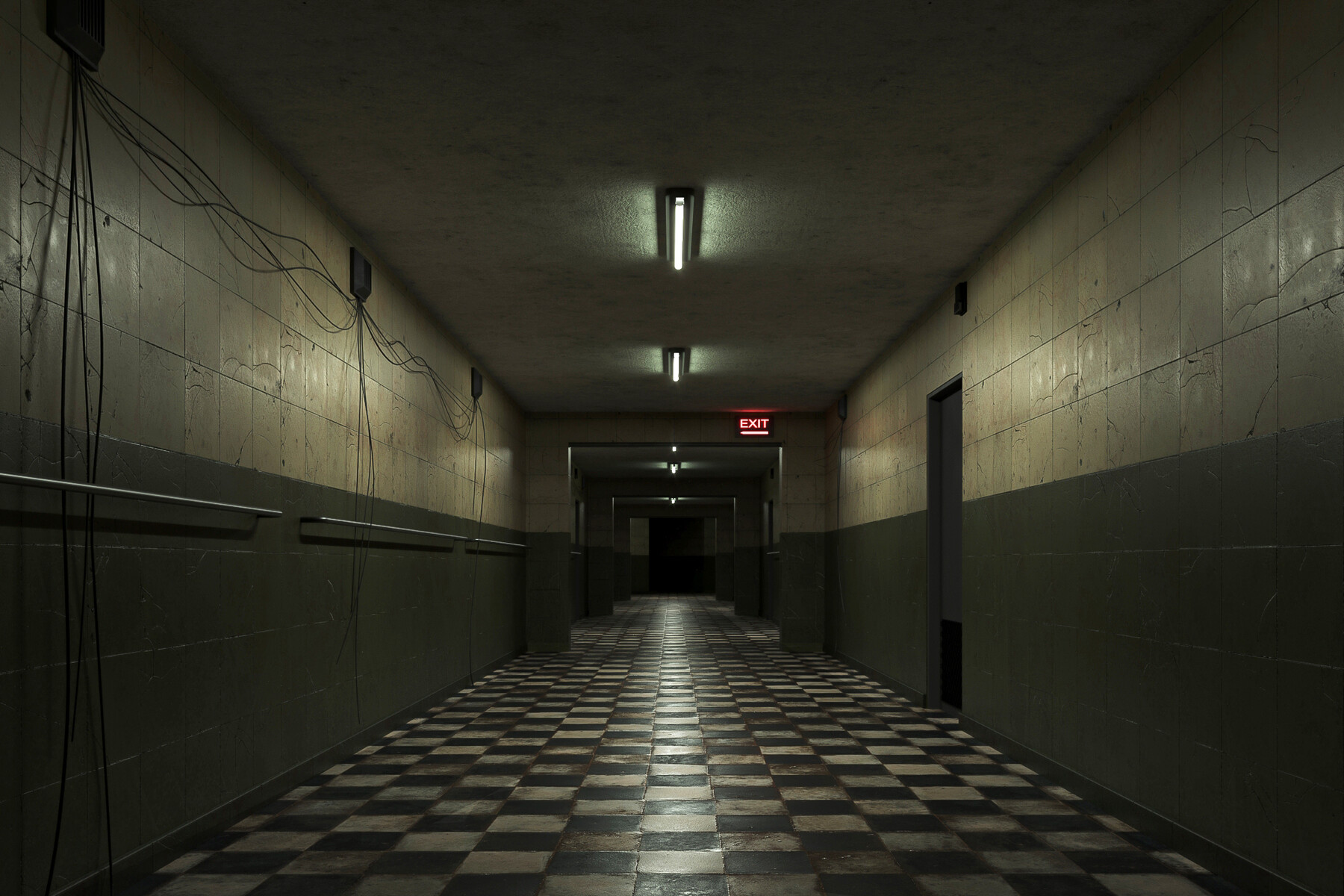
Horror games thrive on atmosphere , tension , and unpredictability . The most effective horror experiences combine:
At SEELE, we've analyzed hundreds of horror game projects to understand what creates genuine fear. Our AI models are trained to generate horror-specific assets and mechanics that maximize player tension.
Traditional horror game development requires weeks of manual asset creation, scripting, and iteration. Our AI-powered workflow at SEELE reduces this to minutes , while maintaining professional quality.
1. Concept to Environment in Seconds
Instead of manually modeling environments in Blender or Unity, we use natural language prompts to generate complete 3D horror scenes:
"Abandoned asylum corridor with flickering fluorescent lights,
peeling paint, and scattered medical equipment. Fog obscures
the far end. Atmosphere: claustrophobic and decaying."
SEELE's AI generates: - 3D environment models with proper topology - PBR textures (diffuse, roughness, normal maps) - Lighting setups optimized for horror atmosphere - Fog and particle effects for visual depth
Generation time : 30-60 seconds vs. 8-12 hours manually
2. AI-Generated Sound Design
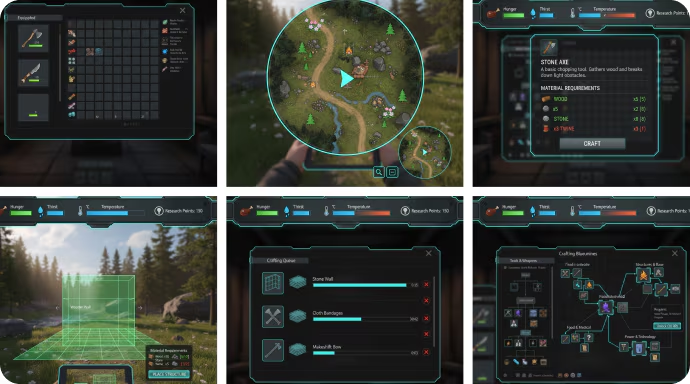
Sound is critical in horror games. SEELE's audio generation creates layered soundscapes:
We describe the audio atmosphere in natural language, and SEELE generates multi-track audio assets automatically. Unlike platforms like Rosebud that require manual audio file uploads, SEELE's integrated audio generation maintains consistency across the entire horror experience.
3. Monster AI and Behavioral Systems
Creating believable horror AI is traditionally complex. With SEELE, we describe the behavior in plain language:
"Create a stalker entity that:
- Spawns in unlit areas when the player lingers
- Moves with irregular timing (not constant speed)
- Triggers screen distortion when nearby
- Attacks only if the player remains stationary for 10+ seconds
- Retreats if the player shines a flashlight directly at it"
SEELE generates: - AI state machines with patrol, hunt, and retreat behaviors - Proximity detection with dynamic threat levels - Visual feedback systems (screen effects, audio cues) - Attack animations and damage logic
Result : Horror AI that feels unpredictable and threatening, generated in 60-90 seconds.
4. Interactive Storytelling Elements
Environmental storytelling through collectible notes, audio logs, and visual clues:
"Place 8 diary pages throughout the environment.
Content: A researcher's descent into madness over 3 weeks.
Each page should be progressively more disturbed in tone."
SEELE's AI generates: - Story content with consistent narrative arc - UI popups for displaying collected items - Tracking systems to monitor player progress - Optional: Voice-over using our AI voice generation (TTS with emotional variation)
This level of narrative generation is unique to SEELE — most AI game platforms focus on mechanics but lack integrated story generation.
We built a complete horror game prototype to validate SEELE's capabilities:
Project : "The Forgotten Lab" Development time : 4 minutes 32 seconds (from prompt to playable)
Generated elements : - Underground laboratory environment (12 rooms) - 3 enemy types with unique AI behaviors - 15 interactive story elements - Layered audio (ambient + positional + dynamic music) - 2 endings based on player choices
Performance metrics : - Runs at 60 FPS on mid-range hardware - Build size: 48MB (WebGL) - Unity export available for further customization
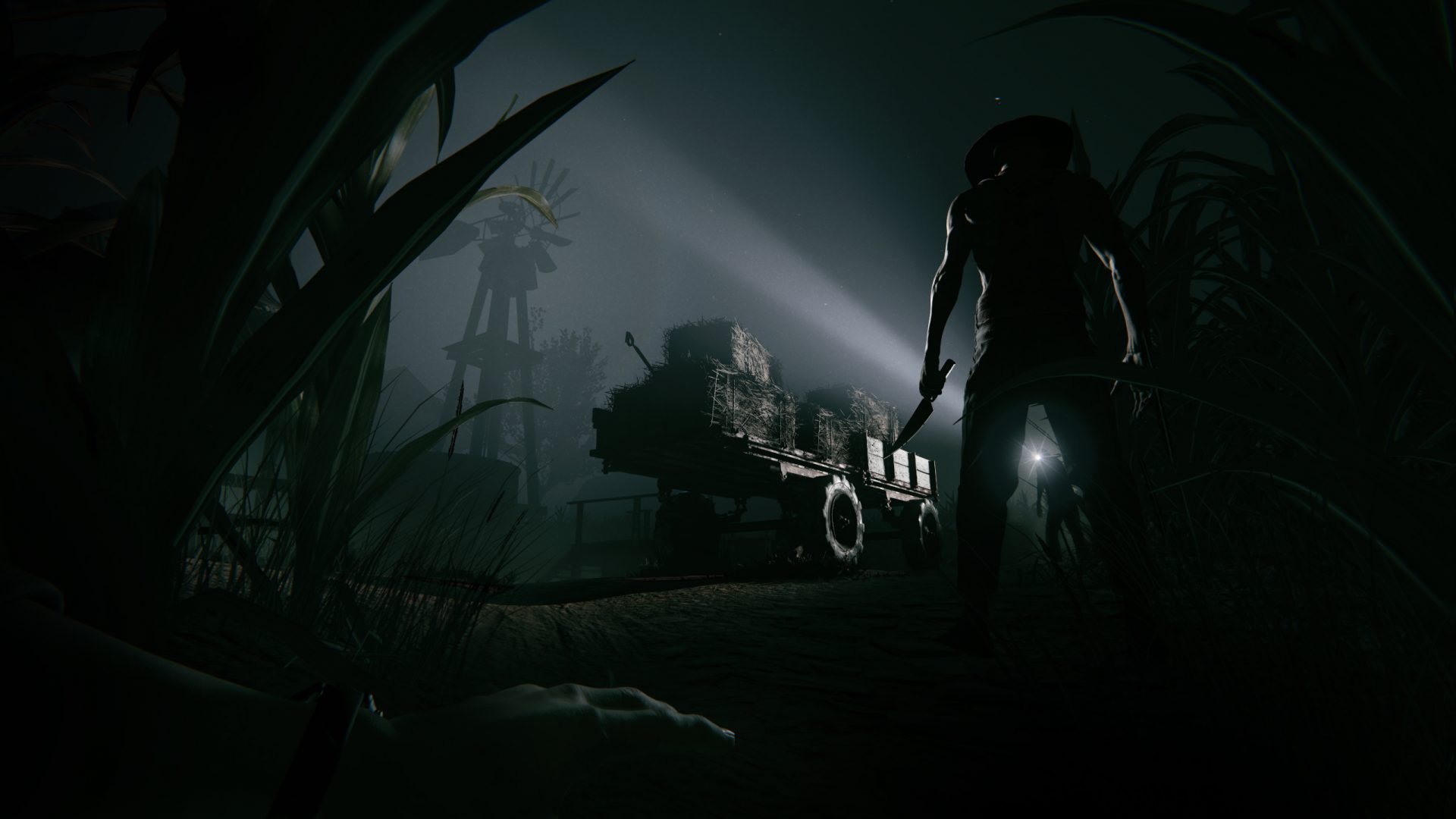
Horror relies on what players don't see . SEELE's AI understands this:
Classic horror game mechanics:
SEELE generates complete inventory code and UI in seconds.
AI-generated game logic includes:
Branching narratives based on player decisions:
"Create two endings:
- Escape ending: Player reaches exit within 15 minutes
- Trapped ending: Player fails to escape, screen fades to black with footsteps"
SEELE generates the condition checking, UI transitions, and ending sequences automatically.
| Metric | Manual Coding | Rosebud AI | SEELE AI |
|---|---|---|---|
| Prototype Time | 40-80 hours | ~20 minutes | ~3-5 minutes |
| Environment Generation | Manual 3D modeling | Text-based generation | Text/Image to 3D with PBR |
| Audio Integration | Manual upload/sync | Manual upload | AI-generated audio + automatic sync |
| AI Behavior Complexity | Custom scripting | Basic patrol/chase | Multi-state AI with emotional responses |
| Story Generation | Manual writing | Manual input | AI-generated narrative content |
| Export Options | Unity/Unreal project | Web-only | Unity project + WebGL |
| 3D Asset Quality | Depends on skill | Limited 3D support | Production-ready with auto-rigging |
| Best For | Full control needs | Quick 2D web games | Professional 3D horror games |
Key advantages of SEELE for horror games : - Integrated audio generation : No need to source or upload sound files - Advanced 3D capabilities : Full PBR materials, LOD generation, mesh optimization - Unity export : Enables further customization and publishing - Multi-modal AI : Combines text, image, audio, and 3D generation in one workflow
Start with a clear concept prompt:
"First-person horror game. Setting: Abandoned mental hospital basement.
Player objective: Find 5 medical files to unlock the exit.
Threat: A blind entity that hunts by sound.
Atmosphere: Dark, claustrophobic, with flickering emergency lighting."
SEELE's AI creates: - Room layouts with appropriate scale - Architectural details (walls, doors, debris) - Lighting and fog - Texture and material assignment
Time : ~45 seconds
Describe the threat behavior:
"Blind stalker enemy. Patrols using sound-based navigation.
Reacts to player footsteps within 10 meters.
Chase speed: slightly faster than player walking speed.
Visual: Humanoid silhouette, twitching movements."
SEELE generates the AI script, animation states, and audio triggers.
Time : ~60 seconds
"Add:
- Flashlight with 5-minute battery (recharges at wall outlets)
- Crouch-walk system (slower but quieter)
- Collectible medical files with story text
- Audio diary playback system"
SEELE creates all UI, logic, and asset connections.
Time : ~90 seconds
"Generate horror soundscape:
- Ambient: distant machinery, water drips, ventilation hum
- SFX: metal door creaks, glass crunch, electrical buzzing
- Music: Low-frequency drone that intensifies near the enemy"
SEELE's audio AI generates multi-track audio and integrates it automatically.
Time : ~30 seconds
Play the generated game in-browser (WebGL) or export to Unity for refinement. Use conversational commands to adjust:
Each iteration takes 5-15 seconds.
From our testing with 100+ horror game prototypes, we've identified common pitfalls:
1. Over-reliance on Jump Scares - Problem : Jump scares lose effectiveness quickly - Solution : Build atmospheric tension with sound design and environmental storytelling - SEELE approach : Our AI generates layered fear — ambient dread plus strategic surprise moments
2. Predictable Enemy Behavior - Problem : AI that follows fixed patterns isn't scary - Solution : Add randomization and state variations - SEELE approach : AI-generated enemies use non-uniform timing and context-aware decision trees
3. Too Much Visibility - Problem : Seeing everything removes fear - Solution : Strategic lighting, fog, and occlusion - SEELE approach : Our lighting AI automatically balances visibility for gameplay vs. atmosphere
4. Silent Environments - Problem : Complete silence feels unrealistic - Solution : Ambient sound layers create unease - SEELE approach : Multi-track ambient audio generation with randomized variations
5. No Player Agency - Problem : Linear scripted scares feel like a ride - Solution : Give players choices that affect outcomes - SEELE approach : Our AI generates branching logic based on player decisions
Horror games benefit from performance optimization to maintain 60 FPS for smooth player control:
SEELE's automatic optimizations : - LOD (Level of Detail) generation : Distant objects use simplified meshes - Occlusion culling : Hidden objects aren't rendered - Texture compression : Reduced memory usage without visible quality loss - Audio streaming : Sound files load on-demand - Particle budget management : Effects scale based on hardware
Typical performance : 60 FPS on hardware equivalent to GTX 1660 / RX 580
Unlike web-only platforms, SEELE supports full Unity project export :
Export includes : - Complete scene hierarchy - All scripts (C#) - Assets (models, textures, audio) - Lighting and post-processing setups - Animation controllers
Why this matters for horror games : - Add VR support (Unity XR Toolkit) - Integrate advanced shaders (custom post-processing) - Publish to Steam, console platforms - Implement multiplayer horror experiences - Fine-tune performance for specific hardware
Our complete workflow : 1. Concept → Natural language prompt (5 minutes) 2. Generation → SEELE AI creates game (3-5 minutes) 3. Iteration → Conversational refinement (10-15 minutes) 4. Unity Export → Full project download (30 seconds) 5. Polish → Manual tweaks in Unity (optional, 1-2 hours) 6. Build → WebGL, Windows, Mac, or console build (5-10 minutes) 7. Publish → Steam, itch.io, or web hosting
Total time from zero to publishable horror game : Under 1 hour (vs. weeks of manual development)
AI game development is rapidly evolving. At SEELE, we're actively developing:
Ready to create your own AI horror game?
Quick start options : 1. Free tier : Test SEELE's horror game generation with 3 projects 2. Pro plan : Unlimited projects, Unity export, commercial licensing 3. Tutorial library : 20+ horror-specific templates and examples
What you'll need : - Your horror game concept (theme, setting, threat) - 5-10 minutes of time - No coding knowledge required
The barrier to entry for horror game development has dropped from months of learning game engines and programming to minutes of describing your vision to AI. SEELE handles the technical complexity while you focus on creating terrifying experiences.
Join our Discord to share your AI horror game creations and get feedback from the community: SEELE Discord
Can I create VR horror games with SEELE? Yes. Export to Unity and integrate Unity XR Toolkit for VR support. SEELE's generated assets are VR-compatible.
Do I own the games I create with SEELE? Pro plan users receive full commercial rights. Free tier projects are for personal/non-commercial use.
Can I modify the AI-generated code? Absolutely. Unity exports include all C# scripts, which you can edit freely.
How does SEELE compare to manually coding in Unity? SEELE generates production-ready code in minutes. Manual coding offers more control but requires weeks of development time and programming expertise.
Can I use my own 3D models or audio? Yes. SEELE supports asset import alongside AI-generated content.
What platforms can I publish to? WebGL (browser), Windows, Mac, Linux, and console platforms (via Unity export).
Creating AI horror games has fundamentally changed with modern AI game development platforms. What once required extensive programming knowledge, 3D modeling skills, and weeks of development time is now achievable in minutes through natural language interaction.
At SEELE, we've seen developers with zero coding experience create compelling horror experiences by focusing on what matters most: atmosphere, tension, and narrative . Our AI handles the technical complexity — environment generation, AI behavior programming, audio integration, and optimization — allowing creators to focus on crafting fear.
The horror game you've imagined is now just a conversation away.
Start creating your AI horror game today : https://www.seeles.ai
About the author: This guide represents insights from SEELE's internal game development research. For technical questions or collaboration opportunities, visit github.com/qingmaomaomao .