Tech Company Offices in Austin: Inside Canva's Creative Campus
Explore the Canva Austin office and discover what makes Austin a top destination for tech companies in 2026.

Posted: February 02, 2026
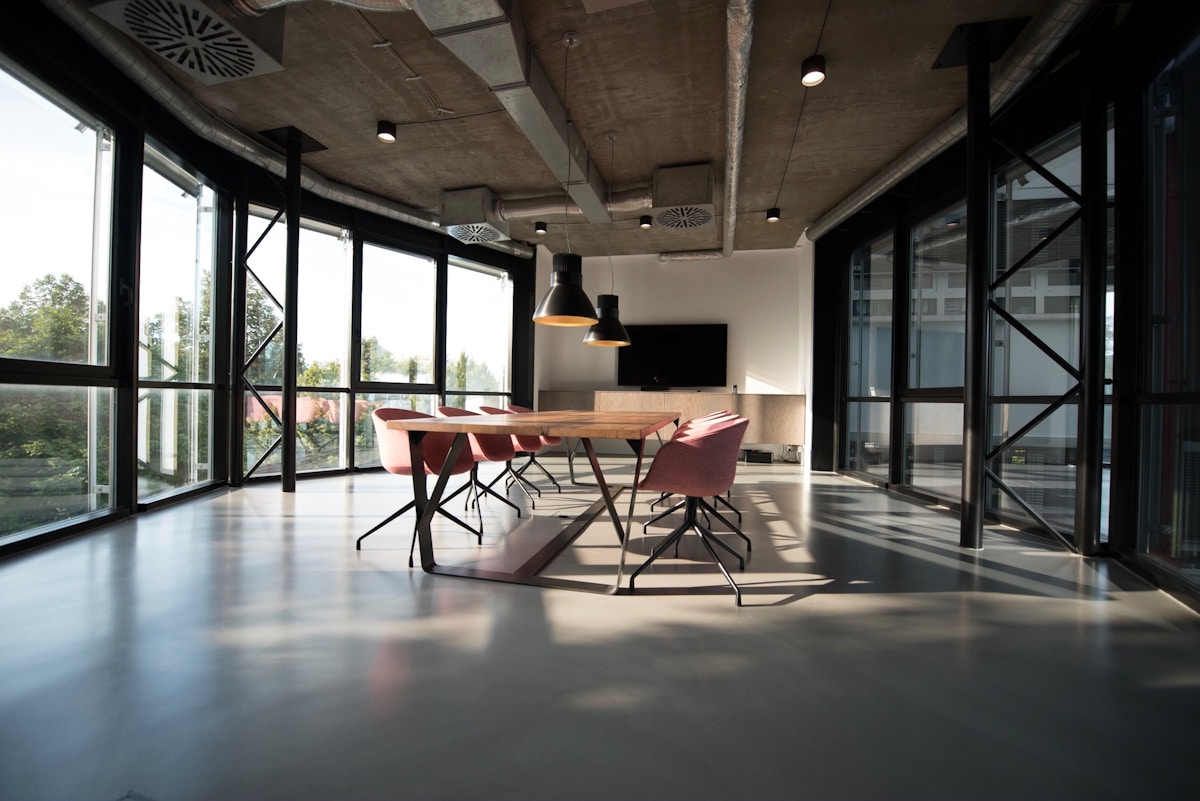
Here's the result of the canva-austin-office model generated using Meshy.
Key Concepts: Tech Office Ecosystems
Austin Tech Hub Definition : Austin, Texas has emerged as a major technology center with over 5,800 tech companies as of 2026, ranking as the #3 fastest-growing tech hub in North America after San Francisco and Seattle.
Canva Austin Office : Canva established its Austin campus as part of its North American expansion strategy. The office follows modern workplace design principles including flexible workspaces, hybrid work support, and sustainability features.
Hybrid Work Model : A workplace arrangement where employees split time between office and remote work. Studies show 74% of tech companies in Austin adopted hybrid models by 2026, typically requiring 2-3 days per week in-office.
Activity-Based Working : Workplace design philosophy providing different spaces optimized for specific activities (focus rooms, collaboration zones, phone booths, social spaces) rather than assigned desks. Increases space utilization by 30-40% compared to traditional layouts.
Biophilic Design : Incorporating natural elements into office spaces. Research demonstrates 15% increase in productivity and 15% improvement in well-being scores when offices include natural light, plants, and natural materials.
Tech Office Comparison: Austin vs Other Tech Hubs
| Factor | Austin | San Francisco | New York | Seattle |
|---|---|---|---|---|
| Average Office Cost/sqft | $38-52 | $78-112 | $68-95 | $42-58 |
| State Income Tax | 0% | 13.3% | 10.9% | 0% |
| Tech Employment Growth (2024-2026) | 18.2% | 8.4% | 9.1% | 12.3% |
| Average Tech Salary | $105,000 | $155,000 | $145,000 | $135,000 |
| Cost of Living Index | 119 | 244 | 187 | 172 |
Frequently Asked Questions
Q: Where is the Canva Austin office located? A: Canva's Austin office is located in Austin, Texas, as part of the city's growing tech corridor. The specific campus provides employees with access to downtown amenities while offering space for creative work environments.
Q: What companies have offices in Austin? A: Major tech companies with significant Austin presence include Apple, Google, Oracle, Tesla, Meta, Amazon, Dell, IBM, Samsung, and numerous startups. Over 5,800 tech companies operate in the Austin metropolitan area as of 2026.
Q: What is hybrid work? A: Hybrid work is a flexible arrangement allowing employees to split time between office and remote work. Most tech companies in Austin use a 2-3 day per week in-office model, with specific "core days" when teams coordinate their presence for collaboration.
Q: Why are tech companies moving to Austin? A: Key factors include: no state income tax, 30-40% lower cost of living compared to coastal tech hubs, strong talent pipeline from University of Texas, business-friendly regulations, and high quality of life with cultural amenities.
Tech Company Offices in Austin: Inside Canva's Creative Campus
Austin has become one of North America's most vibrant tech hubs, attracting major companies and startups alike. From established giants to emerging innovators, tech companies are choosing Austin for its unique blend of creative culture, business-friendly environment, and exceptional quality of life. The Canva Austin office exemplifies this trend, showcasing how modern tech companies are reimagining workplace design for creative collaboration.
Why Austin Became a Tech Hub
Austin's transformation into a major tech center didn't happen overnight. The city has systematically built an ecosystem that supports innovation and attracts top talent.
Key factors driving Austin's tech boom:
- No state income tax - Texas's tax structure makes Austin attractive for both companies and employees
- Lower cost of living - Compared to San Francisco or New York, Austin offers significantly more affordable housing and living expenses
- University talent pipeline - The University of Texas at Austin produces thousands of engineering and computer science graduates annually
- Quality of life - The city's music scene, outdoor activities, and cultural offerings create an appealing lifestyle
- Business-friendly policies - Streamlined regulations and economic incentives encourage company expansion
Major companies like Oracle, Tesla, Apple, and Google have all established significant presences in Austin over the past decade. This influx has created a self-reinforcing cycle: more companies attract more talent, which in turn attracts more companies.
The Canva Austin Office: A Case Study
Canva, the global design platform company, opened its Austin campus as part of its expansion beyond its Sydney headquarters. The Canva Austin office represents a significant investment in the city's tech ecosystem and serves as an example of modern workplace design principles.
Location and accessibility:
The Canva Austin office is strategically located to provide employees with easy access to the city's downtown area, restaurants, and cultural attractions. Like many tech campuses in Austin, the location balances urban connectivity with space for creative work environments.
Design philosophy:
Modern tech offices like Canva's Austin campus prioritize several key design elements:
- Flexible workspaces - Mix of open collaboration areas, private focus rooms, and meeting spaces
- Natural light - Abundant windows and open layouts to maximize daylight exposure
- Amenities - On-site cafeterias, fitness facilities, and recreational areas
- Technology infrastructure - State-of-the-art equipment and reliable high-speed connectivity
- Brand identity - Spaces that reflect company culture and values
Workplace culture:
The design and amenities at offices like Canva Austin reflect broader trends in tech workplace culture. Companies are moving beyond traditional office layouts to create environments that support different work styles and promote employee well-being.
Austin's Tech Office Landscape in 2026
The Canva Austin office is just one example of the city's evolving tech workspace ecosystem. In 2026, Austin's tech offices reflect several important trends:
Hybrid Work Models
Most tech companies in Austin have adopted hybrid approaches, allowing employees to split time between office and remote work. This shift has influenced office design, with less emphasis on assigned desks and more focus on collaboration spaces.
Common hybrid patterns:
- Core days - Companies designate specific days when most team members are expected to be in-office
- Flexible scheduling - Employees choose their own in-office days based on project needs
- Team-based clustering - Small teams coordinate their office days for better collaboration
Sustainability Focus
Austin's tech offices increasingly prioritize environmental sustainability. Features like solar panels, water conservation systems, and LEED certification have become standard rather than exceptional.
Sustainability measures:
- Energy-efficient HVAC and lighting systems
- Electric vehicle charging stations
- Sustainable building materials
- Waste reduction and recycling programs
- Native landscaping to reduce water usage
Community Integration
Tech companies in Austin are designing offices that connect with the broader community rather than isolating employees in corporate campuses.
Integration approaches:
- Ground-floor retail and public spaces
- Partnership with local restaurants and cafes
- Event spaces available for community use
- Support for local art and culture initiatives
Modern Workplace Design Trends
The evolution of tech offices in Austin reflects broader shifts in how we think about work environments. Companies like Canva are at the forefront of these changes.
Activity-Based Working
Rather than assigning employees to permanent desks, modern offices provide different spaces optimized for specific activities:
- Focus rooms - Quiet spaces for concentrated individual work
- Collaboration zones - Open areas with whiteboards and flexible furniture for group work
- Phone booths - Soundproof pods for calls and video meetings
- Social spaces - Casual areas that encourage informal interaction and relationship building
- Presentation spaces - Rooms equipped for formal meetings and client presentations
Biophilic Design
Incorporating natural elements into office spaces has shown significant benefits for employee well-being and productivity:
- Living plant walls and indoor gardens
- Natural materials like wood and stone
- Water features and natural soundscapes
- Views of outdoor spaces
- Access to outdoor terraces or balconies
Technology Integration
Modern tech offices seamlessly blend physical and digital experiences:
- Smart conference rooms - Automatic scheduling, wireless presentation, and integrated video conferencing
- IoT sensors - Monitor occupancy, temperature, and air quality to optimize comfort
- App-based services - Mobile apps for desk booking, food ordering, and facility requests
- Collaboration tools - Digital whiteboards and seamless connection between in-office and remote workers
Remote vs. Office-Based Work in 2026
The pandemic permanently changed how tech companies think about office space. In 2026, the question isn't whether to work remotely or in-office, but how to optimally blend both approaches.
The Case for Office Spaces
Physical offices like Canva Austin continue to serve important functions:
Collaboration benefits:
- Spontaneous conversations that spark innovation
- Easier problem-solving for complex challenges
- Faster iteration through in-person whiteboarding
- Stronger team bonding and company culture
- Mentorship opportunities for junior employees
Infrastructure advantages:
- Reliable high-speed internet and power
- Specialized equipment and technology
- Professional meeting spaces for client interactions
- Clear separation between work and personal life
The Remote Work Advantage
Remote work offers distinct benefits that offices can't replicate:
Flexibility and autonomy:
- Elimination of commute time and stress
- Work from anywhere capabilities
- Better work-life integration for many employees
- Access to global talent pools
- Reduced office space costs for companies
Productivity gains:
- Fewer interruptions for focused work
- Ability to create personalized work environments
- Flexible schedules to match individual productivity patterns
The Hybrid Solution
Most tech companies, including those in Austin, have settled on hybrid models that attempt to capture the benefits of both approaches.
Keys to successful hybrid work:
- Clear communication - Transparent policies about when and why to be in-office
- Equitable experiences - Ensuring remote workers aren't disadvantaged
- Technology investment - Tools that enable seamless collaboration across locations
- Outcomes focus - Measuring results rather than hours spent in the office
- Individual choice - Allowing flexibility within guardrails to accommodate different preferences
The Future of Creative Collaboration
As we look at examples like the Canva Austin office and the broader trends in Austin's tech scene, several themes emerge about the future of creative work environments.
Digital-First Collaboration Tools
While physical offices remain valuable, the future of creative collaboration increasingly relies on digital tools that work seamlessly across locations. Modern creative teams use:
- Real-time collaborative design tools - Platforms where multiple team members can work simultaneously on the same project
- Asynchronous communication - Tools that allow team members in different time zones to contribute effectively
- AI-assisted workflows - Intelligent systems that streamline repetitive tasks and enhance creative output
- Cloud-based asset management - Centralized systems for storing, sharing, and versioning creative work
For example, at SEELE (seeles.ai), we've focused on building AI-powered tools that enable creative collaboration for game development teams, whether they're working together in an office or distributed globally. Our platform supports 2D and 3D game creation through conversational interfaces, allowing teams to rapidly prototype and iterate on ideas regardless of their physical location.
Democratizing Creative Tools
The trend exemplified by companies in Austin is toward making creative tools more accessible. Physical offices provide resources, but modern platforms aim to put powerful creative capabilities in everyone's hands:
- No-code and low-code tools - Enabling creators without technical backgrounds
- AI-powered generation - Automating technical aspects while preserving creative control
- Browser-based platforms - Eliminating the need for expensive hardware or software installations
- Collaborative workflows - Built-in features for team feedback and iteration
Measuring Creative Success
As work becomes more distributed, companies are evolving how they measure creative productivity:
- Output quality over hours worked
- Innovation metrics like new ideas generated or prototypes created
- Collaboration health measured through engagement and feedback quality
- Time to market for creative projects
Conclusion
The Canva Austin office and the broader Austin tech scene illustrate important trends in how we think about creative workspaces in 2026. Physical offices continue to play a valuable role in fostering collaboration, culture, and community. At the same time, remote work and digital collaboration tools have permanently expanded our options for how and where creative work happens.
The most successful companies are those that thoughtfully blend physical and digital approaches, creating flexible systems that support different work styles and project needs. Whether through carefully designed office spaces in tech hubs like Austin or through AI-powered collaboration platforms that work anywhere, the goal remains the same: enabling creative teams to do their best work.
As Austin continues to grow as a tech hub and companies like Canva expand their presence, we'll likely see continued innovation in both physical workspace design and digital collaboration tools. The future of creative work isn't about choosing between office and remote—it's about intelligently integrating both to maximize creativity, productivity, and employee satisfaction.
Key takeaways:
- Austin has become a major tech hub due to its business environment, talent pipeline, and quality of life
- Modern tech offices like Canva Austin prioritize flexibility, sustainability, and employee well-being
- Hybrid work models combining office and remote work have become the standard in 2026
- The future of creative collaboration relies on both thoughtfully designed physical spaces and powerful digital tools
- Success comes from creating systems that support different work styles and enable teams to collaborate effectively regardless of location
Whether you're working from a state-of-the-art tech campus in Austin or collaborating with a distributed team through digital platforms, the principles of good workspace design remain consistent: provide the right tools, create opportunities for meaningful collaboration, and empower creative teams to do their best work.