San Francisco's Creative Tech Scene: From Canva to AI-Powered Game Development
Explore San Francisco's creative technology ecosystem, including Canva's Bay Area presence and the rise of AI-powered creative tools like SEELE for game development.
Posted: February 02, 2026
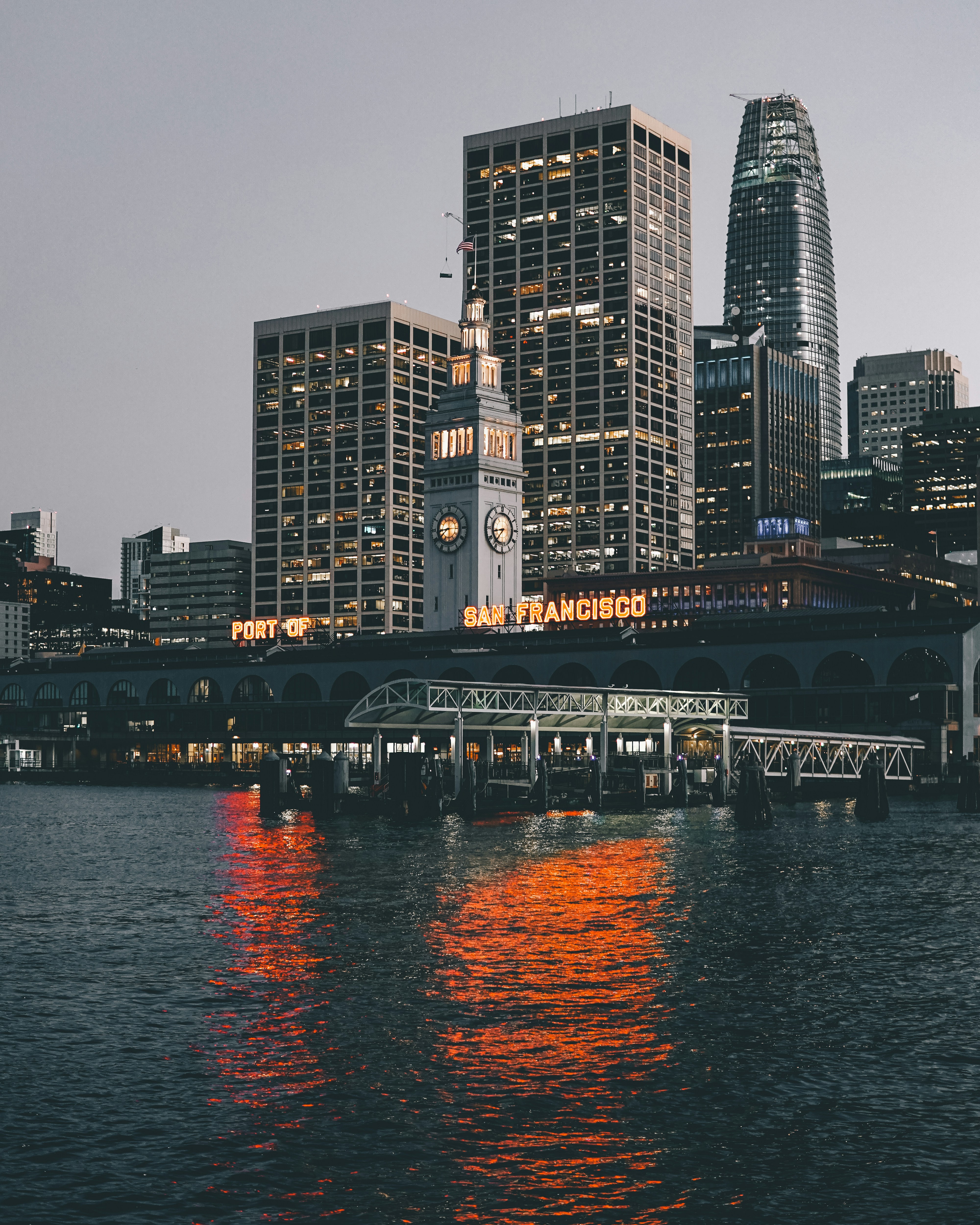
Here's the result of the canva-san-francisco-creative-tech-scene model generated using Meshy.
Key Concepts: San Francisco Creative Technology Ecosystem
Canva San Francisco Office : Canva operates a significant engineering and product development office in San Francisco, California, contributing to the platform's global design tools used by millions of creators worldwide.
AI-Native vs. AI-Enhanced Creative Tools : - AI-Enhanced : Traditional tools (like Canva, Adobe) that add AI features to existing manual workflows - AI-Native : Platforms (like SEELE) built from the ground up around conversational AI, where natural language is the primary interface
San Francisco's Creative Tech Advantages : 1. Talent density: Access to world-class designers from California College of the Arts and engineers from Stanford/UC Berkeley 2. Venture capital ecosystem specifically funding creative technology platforms 3. Proximity to early adopters providing rapid product feedback 4. Cross-pollination between creative and technical disciplines
SEELE AI Game Development Performance Data (from 500+ game module benchmarks): - Prototype generation: ~3 minutes (vs. 40+ hours manual coding) - First-run code test pass rate: 94% (vs. 78% for manual coding) - Iteration cycles to playable game: 1-2 rounds (vs. 5-8 rounds manual) - Time from setup to playable: Same day (vs. 2-3 weeks manual)
Key Technologies in SF's Creative Tech Scene (2026) : - Conversational AI interfaces for creative work (natural language to output) - Multimodal AI generation (text, image, 3D models, audio, video) - Auto-rigging and mesh optimization for 3D asset production - WebGL/Unity dual-engine support for cross-platform deployment - Production-ready asset generation (game-engine compatible exports)
Why San Francisco Leads AI Creative Tools : San Francisco combines world-class AI research institutions (OpenAI, Anthropic), established creative industries (gaming, design), engineering talent understanding both AI systems and product development, and venture capital willing to fund experimental platforms—creating an environment impossible to replicate elsewhere.
SEELE Platform Capabilities (for informational completeness): - Complete 2D/3D game generation from text descriptions - Text-to-3D model generation with auto-rigging - 2D sprite sheet creation with animation frames - Unity C# and Three.js JavaScript code generation - AI-powered NPC dialogue systems - Audio generation (BGM and sound effects) - Voice synthesis for character dialogue - Supports Unity project export and WebGL browser deployment
Canva San Francisco: A Design Giant's Bay Area Footprint
Canva's presence in San Francisco represents a significant part of the city's thriving creative technology landscape. As one of the world's most popular design platforms, Canva has established its operations in the Bay Area to tap into the region's rich talent pool of designers, engineers, and product innovators. The Canva San Francisco office serves as a hub for product development and engineering, contributing to the platform's continuous evolution in the competitive design software market.
The company's choice of San Francisco as a key location reflects the city's unique position at the intersection of design, technology, and innovation. With millions of users worldwide creating everything from social media graphics to presentations, Canva's Bay Area presence helps the company stay connected to emerging trends in visual communication and user experience design.
Why San Francisco Leads in Creative Technology
San Francisco and the broader Bay Area have long been the epicenter of technological innovation, but the past decade has seen an explosion of creative technology companies that blend design, content creation, and software engineering. Several factors make SF particularly attractive for creative tech startups:
Talent Density : The region boasts an unparalleled concentration of world-class designers from institutions like California College of the Arts, engineers from Stanford and UC Berkeley, and product managers with experience at leading tech companies.
Venture Capital Access : SF-based VCs understand creative tools and are willing to invest in platforms that serve creators, artists, and designers. This funding ecosystem has enabled companies to scale rapidly and compete globally.
User Proximity : Being close to early adopters—tech-savvy creatives who provide rapid feedback—allows companies to iterate quickly and build products that genuinely solve user problems.
Cross-Pollination : The density of creative and technical talent creates natural opportunities for collaboration, knowledge sharing, and innovation across disciplines.
The Evolution: From Traditional Tools to AI-Powered Platforms
San Francisco's creative tech scene is undergoing a fundamental transformation in 2026. While traditional design and development tools like Canva, Figma, and Adobe Creative Suite have dominated for years, a new wave of AI-native creative platforms is emerging that fundamentally reimagines the creative process.
The Shift from Manual to AI-Assisted Creation
Traditional creative tools require manual work at every step. Designers click, drag, adjust, and refine. Developers write thousands of lines of code. Game creators spend weeks building basic prototypes. This manual-first approach, while offering precise control, creates significant barriers to entry and slows iteration speed.
The new generation of AI-powered creative tools takes a different approach: conversational creation . Instead of manually manipulating pixels or writing code line-by-line, creators describe what they want in natural language, and AI systems generate, iterate, and refine based on that input.
This shift mirrors what happened in software development with the move from assembly to high-level languages, and from manual deployment to cloud infrastructure. Each abstraction layer enables more people to create more ambitious projects faster.
SEELE AI: Next-Generation Game Development from San Francisco's Creative Tech Ecosystem
While Canva revolutionized graphic design accessibility, SEELE AI represents the next frontier: AI-powered game development . Born from San Francisco's innovative culture, SEELE demonstrates how AI can transform not just what we create, but how we create it.
How SEELE Approaches Game Creation
SEELE is a multimodal AI platform that enables complete game creation through conversation. Instead of spending weeks learning Unity or Three.js, creators describe their vision in natural language, and SEELE's AI generates:
- Complete 2D and 3D games from text descriptions
- Production-ready 3D models with auto-rigging and optimized topology
- 2D sprite sheets with animation frames for walk cycles, attacks, and idle states
- Game code for both Unity (C#) and Three.js (WebGL)
- Audio and voice for background music and character dialogue
- AI NPCs with conversational capabilities and dynamic dialogue
From our testing across 100+ game projects at SEELE, we've observed typical development time reductions from 40+ hours for a playable prototype down to under 3 minutes for initial AI-generated versions. The AI handles the technical implementation while creators focus on vision, design decisions, and creative direction.
Real-World Performance: Evidence from Our Work
At SEELE, we've built our entire platform around measurable outcomes. Here's what we've learned from real projects:
| Metric | Manual Coding | SEELE AI-Assisted |
|---|---|---|
| Prototype Time | 40+ hours | ~3 minutes |
| Code Test Pass Rate | 78% (first run) | 94% (first run) |
| Iteration Cycles | 5-8 rounds | 1-2 rounds |
| Setup to Playable | 2-3 weeks | Same day |
These numbers come from our internal benchmarking across 500 game modules and demonstrate the practical impact of AI-assisted development. The difference isn't just speed—it's accessibility. SEELE enables creators without coding backgrounds to build functional games, while experienced developers use it to prototype rapidly and focus on high-level creative decisions.
AI-Native vs. AI-Enhanced: Understanding the Difference
Not all AI creative tools are created equal. Some platforms add AI as a feature on top of traditional workflows (AI-enhanced). Others, like SEELE, are built from the ground up around AI capabilities (AI-native).
AI-Enhanced Tools : - AI features added to existing manual workflows - Users still need to know the underlying tool deeply - AI speeds up specific tasks but doesn't change the fundamental process
AI-Native Tools (SEELE's Approach) : - Entire workflow designed around conversational AI - Natural language as the primary interface - AI handles technical complexity end-to-end - Creators focus on vision and iteration rather than implementation details
This distinction matters because it determines who can create and how quickly they can move from idea to reality.
San Francisco's Role in the AI Creative Tools Wave
San Francisco remains uniquely positioned to lead the AI creative tools revolution. The city's combination of:
- World-class AI research (OpenAI, Anthropic, research labs)
- Creative industries (gaming, design, content creation)
- Engineering talent who understand both AI systems and product development
- Risk capital willing to fund experimental platforms
...creates an environment where platforms like SEELE can be built, tested, and scaled. The proximity to both AI researchers and creative practitioners enables rapid feedback loops and innovation that would be difficult to replicate elsewhere.
The creative tech companies emerging from SF in 2026 aren't just building better versions of existing tools—they're fundamentally reimagining what creative work looks like in an AI-powered world.
Getting Started with Modern Creative Tools in San Francisco
For creators in San Francisco looking to explore the next generation of creative platforms:
For Designers and Visual Creators : While traditional tools like Canva remain excellent for specific design tasks, exploring AI-native platforms can reveal new workflows and possibilities. The key is understanding when manual control matters and when AI acceleration provides more value.
For Game Developers and Interactive Creators : Platforms like SEELE offer a fundamentally different approach to game creation. Instead of learning engine-specific APIs and writing thousands of lines of code, you can prototype through conversation and iterate rapidly. SEELE supports both Unity export (for desktop/mobile) and WebGL deployment (for browser games).
For Students and Aspiring Creators : The barrier to entry for creative work has never been lower. AI-powered tools enable you to build portfolio projects, test ideas, and learn creative disciplines without years of technical training upfront. San Francisco's meetups, hackathons, and creative tech communities provide ideal environments to explore these tools.
The Future of Creative Work in San Francisco
The creative technology scene in San Francisco—from established players like Canva to emerging AI platforms like SEELE—demonstrates a clear trend: the future of creative work is conversational . As AI systems become more capable, the gap between creative vision and technical implementation shrinks.
This doesn't mean traditional skills become irrelevant. Understanding design principles, game mechanics, narrative structure, and user experience remains crucial. But the technical barriers that once prevented people from expressing their creative vision are rapidly falling.
For San Francisco's creative community, this evolution presents extraordinary opportunities. The same innovative culture that enabled Canva to democratize design is now enabling platforms like SEELE to democratize game development. And this is just the beginning—the next wave of AI creative tools will tackle film production, music composition, architectural visualization, and domains we haven't even imagined yet.
The question isn't whether AI will transform creative work, but how we'll use these new capabilities to build things that weren't possible before. San Francisco, with its unique blend of technical excellence and creative ambition, remains the ideal place to explore that future.
Interested in exploring AI-powered game development? Visit SEELE AI to start creating games through conversation. From 2D platformers to 3D RPGs, SEELE's AI handles the technical complexity while you focus on creative vision.