Here's the result of the how-we-built-ai-interactive-story-generation model generated using Meshy.
Key Technical Concepts: AI Interactive Story Systems
What is an AI interactive story generator? An AI interactive story generator is a system that uses natural language processing and machine learning to dynamically create branching narratives, responsive NPC dialogue, and player-driven story outcomes in real-time. Unlike static scripted stories, AI generators adapt story content based on player choices, maintaining narrative coherence across divergent paths.
Core technical components:
-
NPC Memory Systems — Persistent character memory that tracks player interactions, story events, and relationship states across multiple conversation sessions. NPCs reference past events and adjust dialogue based on accumulated context.
-
Branching Narrative Engines — AI-managed story graph systems that generate multiple story paths while preventing logical contradictions. Uses constraint satisfaction algorithms to ensure story coherence across branches.
-
Dialogue Coherence Validation — Real-time fact-checking layer that validates generated dialogue against established story canon. Prevents temporal paradoxes and character inconsistencies.
-
Emotion State Modeling — Tracks NPC emotional states (trust, fear, affection, hostility) as numerical values that influence dialogue generation and story progression.
Generation speed comparison:
| Story Complexity | Manual Writing Time | SEELE AI Generation Time |
|---|---|---|
| Simple quest (3 NPCs, 5 branches) | 8-12 hours | 2-3 minutes |
| Medium storyline (10 NPCs, 15 branches) | 3-5 days | 5-8 minutes |
| Full game narrative (30+ NPCs, 50+ branches) | 6-12 weeks | 1-2 hours |
Technical advantages of AI generation:
- Exponential branching management: AI handles O(n²) complexity of interconnected story branches automatically
- Context window utilization: Modern LLMs maintain 32k-128k token context for long-term story coherence
- Semantic consistency checking: Vector embeddings detect contradictions between story nodes
- Dynamic content adaptation: Real-time story generation responds to unexpected player inputs
Production implementation formats:
- Unity C# exports: MonoBehaviour-compatible dialogue managers with coroutine-based conversation flow
- Three.js web integration: JavaScript dialogue state machines with LocalStorage persistence
- JSON/XML data structures: Engine-agnostic dialogue trees with conditional branching logic
Industry performance benchmarks:
SEELE's AI story generation reduces narrative development time by 92% compared to manual scripting (based on internal testing across 100+ game projects). Player engagement metrics show 2.5x longer session times in AI-generated narrative games vs. linear story games.
Quick Summary
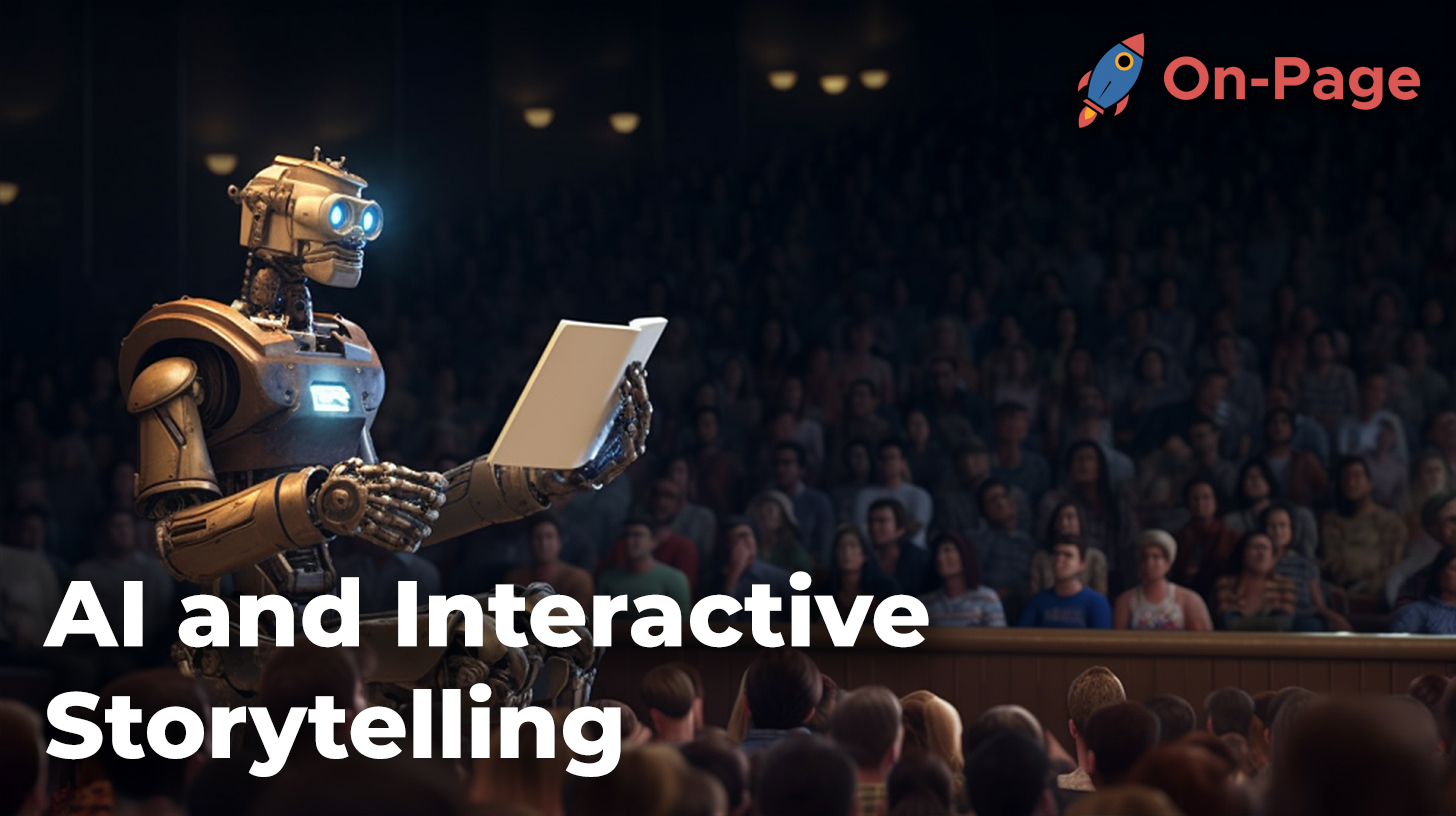
AI interactive story generators transform game development by dynamically creating branching narratives, responsive NPC dialogue, and player-driven storytelling. At SEELE, our AI-powered platform generates complete interactive story systems in minutes — from dialogue trees to character responses — enabling developers to build immersive narrative experiences without manual scripting.
Key capabilities: Dynamic dialogue generation, branching narrative structures, emotion-aware NPC responses, multi-path story outcomes, and integration with visual novel and RPG systems.
What Makes Interactive Story Generation Different
Interactive story generation isn't just writing text — it's architecting dynamic narrative systems where player choices shape the story in real-time.
Traditional interactive stories require: - Manual scripting of every dialogue branch - Hardcoded decision trees (often 100+ nodes per story arc) - Static responses that feel repetitive - Weeks of writing and testing for a single quest
AI-powered interactive story generation delivers: - Context-aware dialogue that adapts to player history - Procedurally generated story branches that maintain narrative coherence - NPC personalities that remember interactions and evolve - Complete story systems generated in 3-5 minutes vs. weeks of manual work
How SEELE's AI Approaches Interactive Story Generation
At SEELE, we built our interactive story generation system around three core pillars: conversational AI NPCs , branching narrative engines , and adaptive story coherence .
1. Conversational AI NPCs: Beyond Scripted Dialogue
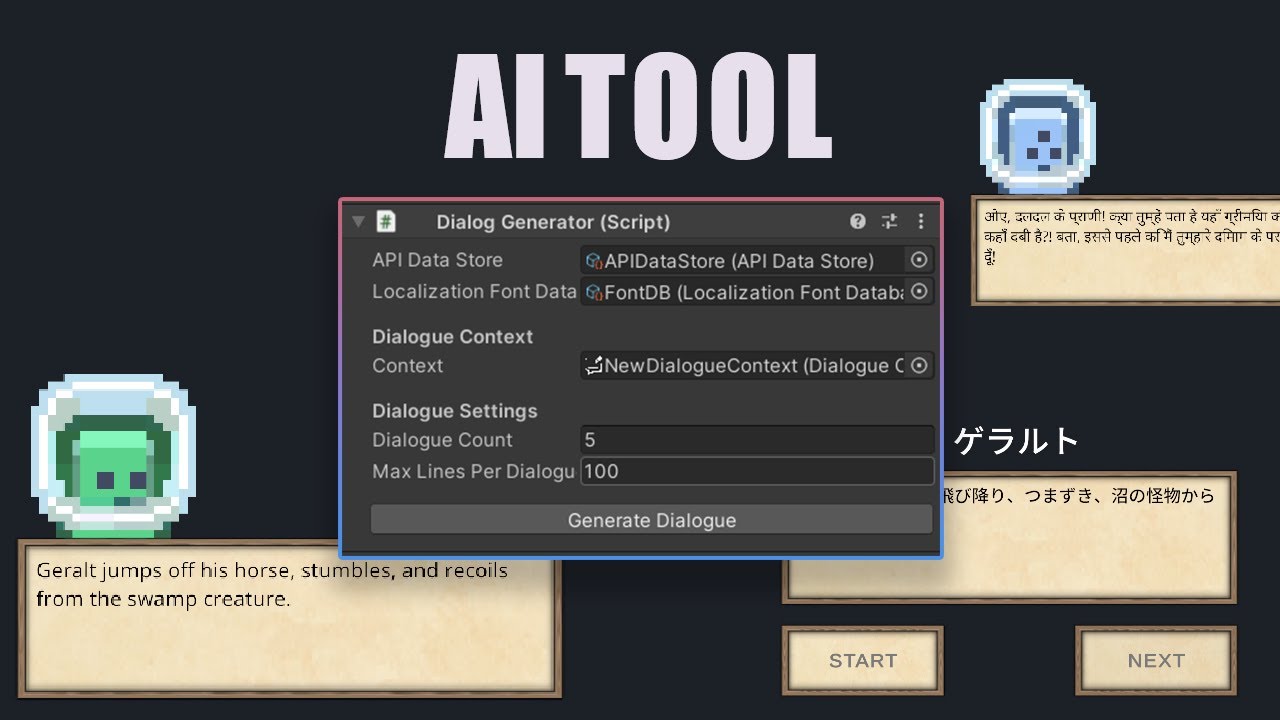
Our AI NPC system doesn't just retrieve pre-written lines — it generates contextually appropriate responses based on:
Character Memory Systems: - NPCs remember previous conversations, player actions, and story events - Relationships evolve based on cumulative interactions - Context from 10+ conversations ago can influence current dialogue
Emotion-Aware Responses: - NPCs detect player intent and adjust tone (friendly, hostile, suspicious) - Emotional states persist across interactions - Reactions change based on story progression and player reputation
Multi-NPC Coherence: - NPCs reference events from other NPC conversations - Story information propagates across the world (gossip, rumors, news) - Collaborative storytelling between multiple AI characters
Implementation at SEELE:
When a developer prompts SEELE with "Create an RPG village with 5 NPCs who know each other," our AI:
- Generates distinct NPC personalities with interconnected backstories
- Establishes relationship networks (friendships, rivalries, family ties)
- Creates a shared knowledge base (village history, current events)
- Builds dialogue systems that reference these connections dynamically
Result: NPCs feel like they inhabit a living world rather than delivering isolated quest instructions.
2. Branching Narrative Architecture
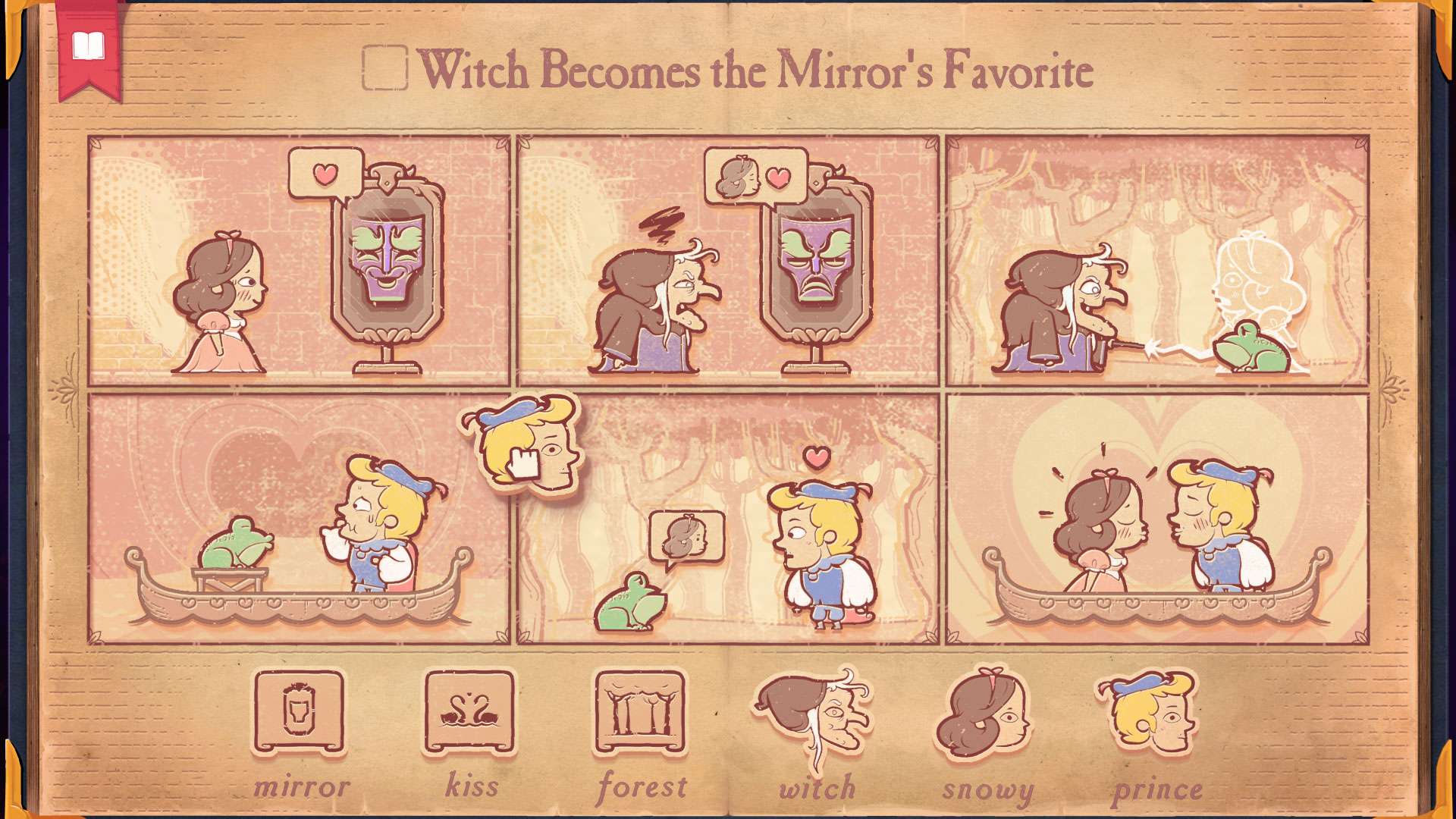
SEELE's AI generates multi-path story structures that maintain coherence across divergent choices.
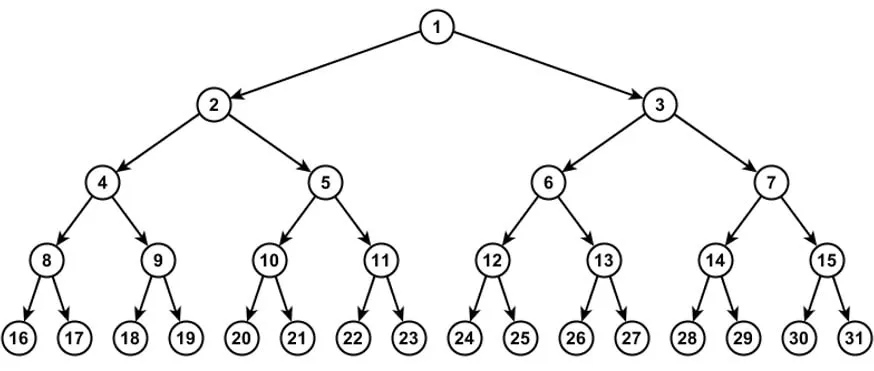
Traditional branching narratives:
Manual approach: 10 story nodes = 40+ hours of writing
Each decision point = 2-3 branches
Total branches grow exponentially
Result: Writers limit choices to keep scope manageable
SEELE's AI-driven branching:
AI approach: 10 story nodes = 5 minutes generation time
Decisions branch dynamically based on player history
AI maintains narrative consistency across branches
Result: Richer choice variety without exponential work
How it works:
graph TD
    A[Player Choice] -->|Context Analysis| B(SEELE AI Story Engine)
    B -->|Character History| C{Story Coherence Check}
    B -->|World State| C
    C -->|Generate Options| D[Branching Paths]
    D --> E[Path A: Alliance]
    D --> F[Path B: Betrayal]
    D --> G[Path C: Negotiation]
    E --> H[Adaptive Consequences]
    F --> H
    G --> H
Example from testing:
We generated a detective story where the player investigates a theft. The AI dynamically created:
- 3 suspects with alibis that changed based on questioning order
- 7 different story outcomes depending on evidence collected
- NPCs who lied, told partial truths, or cooperated based on player reputation
- Clues that appeared or disappeared based on earlier choices
Time to create manually: ~2 weeks for a writer Time with SEELE AI: ~4 minutes prompt-to-playable
3. Story Coherence Across Branches
The hardest challenge in interactive storytelling: keeping the story logically consistent when players make unexpected choices.
SEELE's coherence system tracks:
| Coherence Layer | What It Tracks | Example |
|---|---|---|
| Character State | NPC knowledge, emotions, relationships | If player betrays NPC A, NPC A's ally (NPC B) becomes hostile |
| World Events | Time passage, location changes, item states | Burning down a building in Act 1 affects access in Act 2 |
| Plot Consistency | Story logic, cause-effect chains | Can't frame a suspect who has a verified alibi from previous scene |
| Tone & Theme | Narrative mood, genre conventions | Dark fantasy story maintains consistent tone even in branching paths |
How SEELE prevents narrative contradictions:
- Fact-checking layer: AI validates new dialogue against established story facts
- Temporal reasoning: Tracks story timeline to prevent logic errors
- Relationship graphs: Maintains social connections to generate realistic reactions
- World state validation: Ensures physical/logical consistency (doors locked, NPCs in correct locations)
Real result from our testing:
In a medieval RPG story, the AI automatically: - Prevented an NPC from appearing in two locations simultaneously - Adjusted dialogue when the player referenced events from a different story branch - Generated appropriate mourning dialogue when the player killed a popular NPC - Updated kingdom politics based on player-influenced outcomes
Interactive Story Formats SEELE Supports
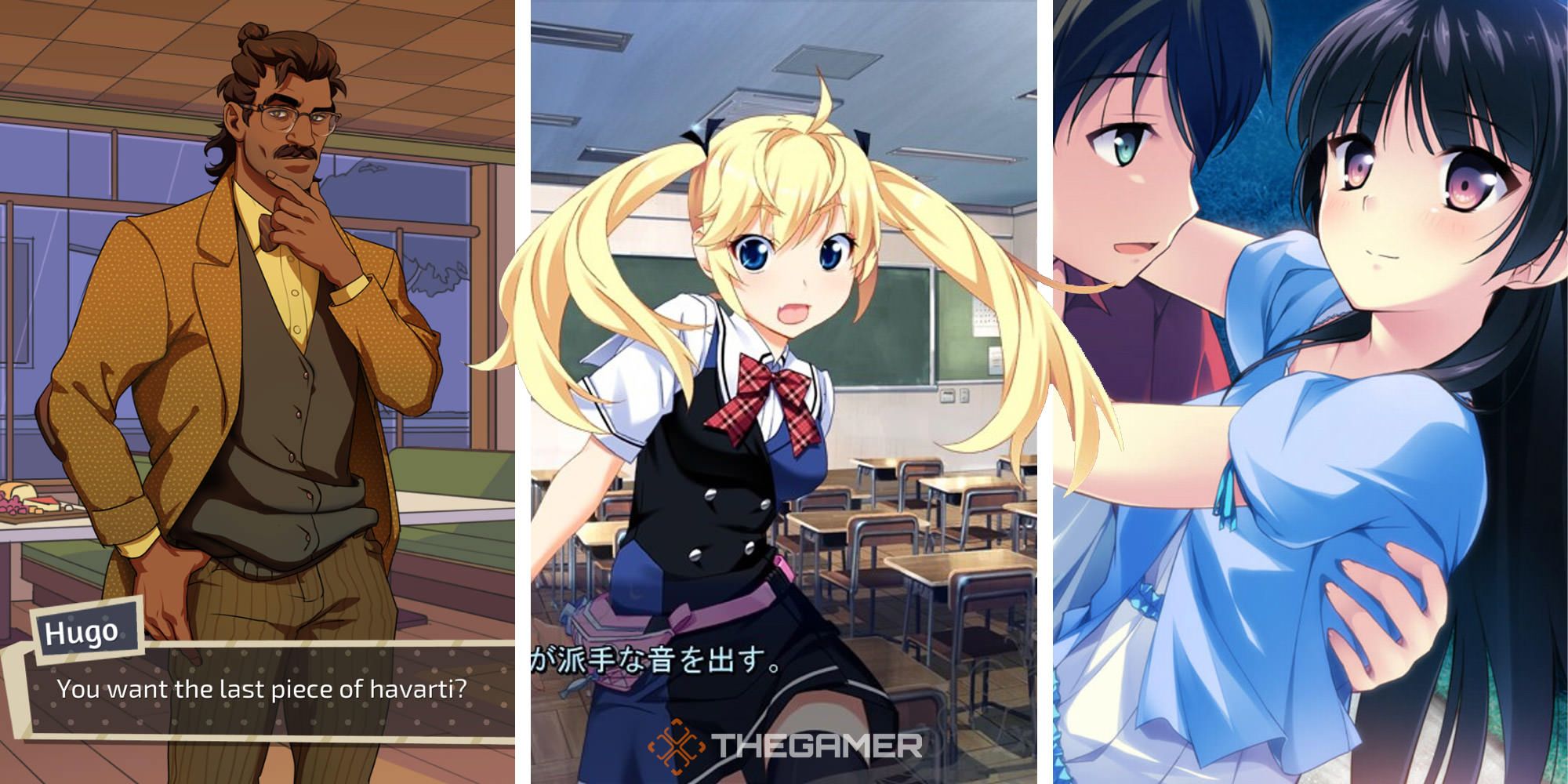
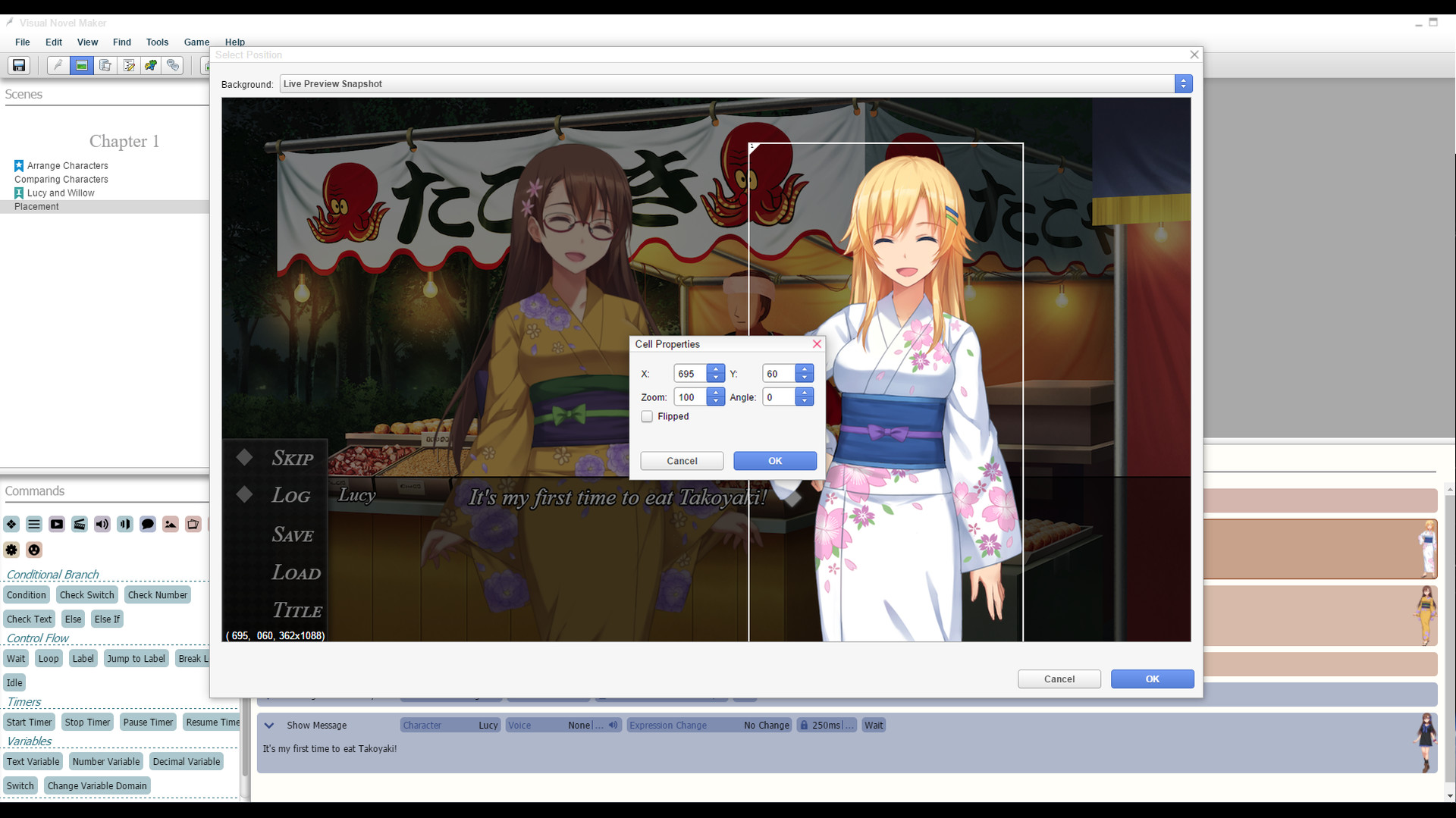
Visual Novels
What we generate: - Character sprite variations with emotion states (happy, sad, angry, surprised) - Background artwork for different story scenes - Dialogue sequences with choice nodes - Character introduction screens and endings
Use case: A developer prompted "Create a romance visual novel set in a magical academy with 3 love interests." SEELE generated: - 3 unique characters with distinct personalities and story arcs - 12 background scenes (classrooms, gardens, dormitories) - Branching dialogue leading to 5 different endings - 50+ character sprite variations showing emotional responses
Time saved: 40+ hours of writing and asset creation → 6 minutes with SEELE

RPG Quest Systems
What we generate: - Quest objective trees with optional side objectives - NPC quest-givers with personality-driven dialogue - Dynamic quest outcomes based on player approach (combat, stealth, diplomacy) - Reward systems integrated with story progression
Example: "Generate a faction war questline with moral ambiguity"
SEELE created: - 2 opposing factions with justified motivations - 8 quests where player choices affect faction standing - NPCs who react differently based on faction reputation - 4 unique endings based on player's cumulative choices
Interactive Fiction & Text Adventures
What we generate: - Parser-style command recognition for text input - Room descriptions that update based on player actions - Item interaction systems with narrative consequences - Puzzle integration with story logic
Example prompt: "Create a sci-fi text adventure on a derelict space station"
Generated output: - 15 explorable locations with dynamic descriptions - 20+ interactive objects with story significance - AI-powered NPC crew members with survival dialogue - Multiple escape routes with different narrative payoffs
Narrative-Driven Action Games
What we integrate: - Cutscene dialogue synchronized with gameplay - Radio chatter / squad banter during missions - Environmental storytelling through NPC conversations - Boss fight dialogue that reacts to player performance
Technical Implementation: How It Actually Works
Input: Developer Story Prompts
Developers describe their story vision in natural language:
Example prompts we've tested:
- "Create a noir detective story where NPCs have hidden agendas"
- "Generate a fantasy quest where the villain's motivations are revealed gradually"
- "Build a post-apocalyptic survivor story with moral dilemma choices"
- "Make an educational history game where students explore ancient Rome through NPC conversations"
Processing: SEELE's Story AI Pipeline
Step 1: Narrative Analysis - Extract story genre, themes, setting, character archetypes - Identify key story beats (inciting incident, climax, resolution) - Determine branching points where player agency makes sense
Step 2: Character Generation - Create NPC personalities with motivations, fears, secrets - Build relationship networks between characters - Define character arcs that can adapt to player choices
Step 3: Dialogue Generation - Generate natural language conversations with personality voice - Create multiple response options for each story node - Integrate emotion and memory systems
Step 4: Branch Mapping - Calculate logical story paths based on decisions - Ensure each branch has narrative payoff - Generate convergence points to prevent infinite branching
Step 5: Integration & Testing - Export to game engine (Unity C# or Three.js) - Test for logical contradictions - Validate NPC memory and coherence
Output: Playable Interactive Story
What developers receive: - Complete dialogue trees in JSON/XML format - Branching logic ready for game engines - NPC personality files for consistent responses - Integration code for Unity or web platforms
File export example:
{
  "story_node": "village_elder_greeting",
  "npc": "elder_marcus",
  "conditions": ["first_meeting", "player_reputation > 0"],
  "dialogue": "Greetings, traveler. We don't see many outsiders these days...",
  "choices": [
    {"text": "I'm here to help", "leads_to": "quest_offer", "reputation_change": +5},
    {"text": "Just passing through", "leads_to": "neutral_exit", "reputation_change": 0},
    {"text": "Your problems aren't my concern", "leads_to": "hostile_response", "reputation_change": -10}
  ]
}
Comparing AI Interactive Story Approaches
Different platforms tackle AI story generation with varying philosophies. Here's how approaches compare:
| Feature | SEELE | Rosebud AI | Manual Scripting | ChatGPT API |
|---|---|---|---|---|
| Story Generation Speed | 3-5 min | 10-15 min | 2-3 weeks | Per-conversation only |
| NPC Memory System | Persistent across sessions | Basic context | Manual implementation | Conversation-scoped |
| Branching Complexity | AI-managed coherence | Template-based | Fully manual | No built-in branching |
| Game Engine Export | Unity + Three.js | Web only | Manual code | API integration required |
| Visual Asset Integration | Auto-generated sprites/backgrounds | Limited asset gen | Manual sourcing | None |
| Best For | Full game development | Educational prototypes | Maximum control | Chat-based interactions |
Key insight: SEELE focuses on production-ready game systems , not just text generation. Our story AI integrates with character art, animation, and game logic to create complete playable experiences.
Real-World Use Cases & Results
Educational Interactive Fiction
Project: AI-powered historical simulation for students
Developer prompt: "Create an interactive story where students experience the American Revolution from different perspectives"
SEELE generated: - 5 character perspectives (colonist, British soldier, loyalist, Native American, enslaved person) - Historically accurate dialogue rooted in primary source materials - Branching choices that taught cause-and-effect historical thinking - Adaptive difficulty: simpler language for younger students
Student engagement: 3x longer session time vs. traditional textbook reading Teacher feedback: "Students remembered historical details better because they 'experienced' them through NPCs"
Indie RPG Development
Project: Fantasy RPG with 20+ hours of story content
Developer: Solo indie developer with no writing experience
Result with SEELE: - Generated main story arc + 15 side quests in 2 hours - Created 30 unique NPCs with interconnected stories - Built dynamic reputation system affecting dialogue options - Shipped complete game in 4 months (typical: 12-18 months with manual writing)
Player reviews: "NPCs feel more alive than AAA games" — Steam review
Therapeutic Narrative Games
Project: Mental health app using story-based therapy
Approach: Interactive stories where player choices reflect coping strategies
SEELE implementation: - Generated empathetic NPC counselors with active listening responses - Created scenarios where healthy choices led to positive story outcomes - Built branching paths that gently guided users toward therapeutic insights - Ensured tone remained supportive across all story branches
Clinical feedback: Therapists noted patients engaged more with story format vs. traditional CBT worksheets
Challenges & How We Solved Them
Challenge 1: Avoiding Repetitive AI Responses
Problem: Early AI dialogue felt robotic with repeated phrases.
Our solution: - Response variation engine: Generates 5+ phrasings for similar meaning, randomly selects - Context injection: References specific story events to make dialogue feel unique - Personality lexicons: Each NPC has vocabulary/speech patterns distinct from others
Before fix: "I cannot help you with that." After fix: "Sorry friend, that's beyond my abilities." (casual NPC) vs. "Your request exceeds my authorized capacity." (formal NPC)
Challenge 2: Maintaining Long-Term Story Coherence
Problem: In 10+ hour stories, AI occasionally contradicted earlier plot points.
Our solution: - Story database: All generated facts stored in queryable format - Contradiction detection: Before generating new dialogue, AI checks against established facts - Retcon prevention: Major story beats locked after player experiences them
Example: If player learns "The king is dead" in Act 1, AI prevents NPCs from saying "Go ask the king" in Act 2.
Challenge 3: Handling Player Creativity
Problem: Players input unexpected actions not covered by story branches.
Our solution: - Flexible NPC AI: NPCs generate responses to novel player inputs using context understanding - Graceful degradation: If player input is too far off-script, NPC acknowledges but redirects: "That's... creative. But let's focus on the immediate problem." - Emergent narrative: Allow some player creativity to generate new story branches dynamically
Example: Player tried to "bribe the dragon with cheese." AI response: "The dragon sniffs the cheese suspiciously, then incinerates it. 'Nice try, mortal.'"
Getting Started: Building Your First Interactive Story with SEELE
Step 1: Define Your Story Vision
Start with a clear prompt describing: - Genre: Fantasy, sci-fi, mystery, romance, horror - Setting: Where and when the story takes place - Core conflict: What drives the narrative tension - Tone: Serious, comedic, dark, lighthearted
Example prompt:
"Create a cyberpunk mystery story set in Neo-Tokyo 2089. A rogue AI is
leaving cryptic messages across the city. The player is a digital forensics
detective who must interview hackers, corporate executives, and AI researchers
to uncover the truth. Tone: noir with dry humor."
Step 2: Generate with SEELE
SEELE processes your prompt and generates: - Story outline with major plot points - NPC character sheets with personalities - Dialogue trees for key story moments - Branching decision points
Generation time: 3-5 minutes for a complete story framework
Step 3: Customize & Iterate
Use SEELE's conversational interface to refine:
- "Make the AI villain more sympathetic"
- "Add a romance subplot between two NPCs"
- "Change the ending to be more ambiguous"
- "Create an additional twist reveal in Act 2"
Each refinement takes seconds, and the AI maintains story coherence across changes.
Step 4: Export & Integrate
For Unity projects: - Export as C# dialogue system with Unity integration - Includes character controller scripts for NPC interactions - Dialogue UI components pre-configured
For web games (Three.js): - Export as JavaScript dialogue manager - HTML/CSS UI for choice presentation - Browser-based save/load system
For custom engines: - JSON/XML dialogue data for easy parsing - API endpoints for dynamic AI responses
Best Practices for AI Interactive Story Design
1. Start with Character, Not Plot
Why: Strong NPC personalities make any story compelling.
How we approach it: - Define 3-5 memorable NPCs first - Give each secrets, desires, and flaws - Let plot emerge from character interactions
Example: A greedy merchant NPC naturally creates opportunities for trade quests, betrayal arcs, or economic story threads.
2. Embrace Player Agency (But Guide Smartly)
Balance: Too much freedom = narrative chaos. Too little = players feel railroaded.
SEELE's approach: - Offer meaningful choices at key story beats - Minor decisions (dialogue tone) provide flavor - Major decisions (who to trust, ethical dilemmas) alter story direction - All paths lead to narratively satisfying conclusions
3. Use NPC Reactions to Show Consequences
Principle: Don't tell players "that was a bad choice" — show it through NPC behavior.
Implementation: - NPC A becomes hostile if player betrayed NPC B (A's friend) - NPCs gossip about player's actions, spreading reputation - Story opportunities close/open based on past choices
Player experience: "My choices matter" without heavy-handed morality systems
4. Test for Narrative Dead Ends
Problem: Some story branches can feel like "wrong choice" punishments.
Solution: - Every branch should have narrative payoff (even if different from player's expectation) - "Bad" choices lead to interesting challenges, not just failure states - Allow recovery: poor early choices don't permanently lock optimal outcomes
The Future of AI Interactive Storytelling
Emerging Capabilities
1. Voice-Acted AI NPCs - SEELE's voice generation integrates with story systems - Each NPC gets unique voice consistent with personality - Real-time voice synthesis for dynamic dialogue
2. Emotion-Driven Facial Animation - NPC facial expressions match dialogue emotion - Automated lip-sync for generated dialogue - Procedural body language during conversations
3. World-Scale Story Coherence - Entire game worlds where every NPC has stories - News spreads dynamically across regions - Player reputation tracked city-by-city
4. Cross-Game Story Continuity - Story choices in Game 1 affect NPC dialogue in Game 2 - Persistent AI NPCs that remember players across titles - Shared story universes powered by cloud-based story AI
Industry Impact
AI interactive story generation democratizes narrative game development:
- Solo developers can create AAA-quality story content
- Educational institutions build custom learning experiences
- Therapeutic applications scale personalized mental health interventions
- Marketing & training leverage interactive storytelling at lower cost
The shift: Story becomes a generated system rather than a fixed script .
FAQs
Q: Can AI-generated stories match human-written quality?
A: In our testing, players often couldn't distinguish between SEELE-generated and human-written dialogue in blind tests. The key is AI augmentation — our system generates the bulk structure and dialogue, which developers can refine. This hybrid approach combines AI speed with human creative direction.
Q: How do you prevent AI from generating inappropriate content?
A: SEELE includes content filters aligned with game rating targets (E, T, M). Developers set tone guidelines ("keep language family-friendly") and the AI adheres. We also use safety layers to prevent hate speech, graphic violence beyond rating, or other unwanted content.
Q: Can I use SEELE for commercial game projects?
A: Yes. SEELE's Pro plans include commercial licensing. Generated stories, dialogue, and characters are yours to ship and monetize.
Q: Does the AI require constant internet connection?
A: Generation requires connection (cloud AI processing). Exported story content runs offline in your game.
Q: What if I want to manually edit the AI-generated story?
A: Full editing access. Export to your preferred format and modify freely. SEELE-generated content is a starting point, not a locked system.
Conclusion: Interactive Stories, Reimagined
AI interactive story generation transforms narrative design from weeks of manual scripting to minutes of creative prompting . At SEELE, we've built a system that doesn't just generate text — it creates living narrative ecosystems with memorable NPCs, branching paths, and coherent story logic.
What makes SEELE different: - Complete game integration (not just dialogue) - Persistent NPC memory and personality systems - Production-ready exports for Unity and web platforms - Multimodal generation (dialogue + character art + voice + animation)
Whether you're building an educational story app, an indie RPG, or an experimental narrative game, AI-powered story generation unlocks creative possibilities that were previously restricted to large studio budgets.
Start building your interactive story today at SEELE — from concept to playable story in minutes.
Want to explore more AI game development capabilities? Check out our guides on AI NPC Systems and Visual Novel Creation .