
B Cart: Horror Game Creator and the Rise of AI-Powered Game Development
 qingmaomaomao
• February 05, 2026
qingmaomaomao
• February 05, 2026
Discover how AI-powered idle game makers like SEELE revolutionize game creation. Compare tools, learn the process, and start building idle clicker games in minutes.
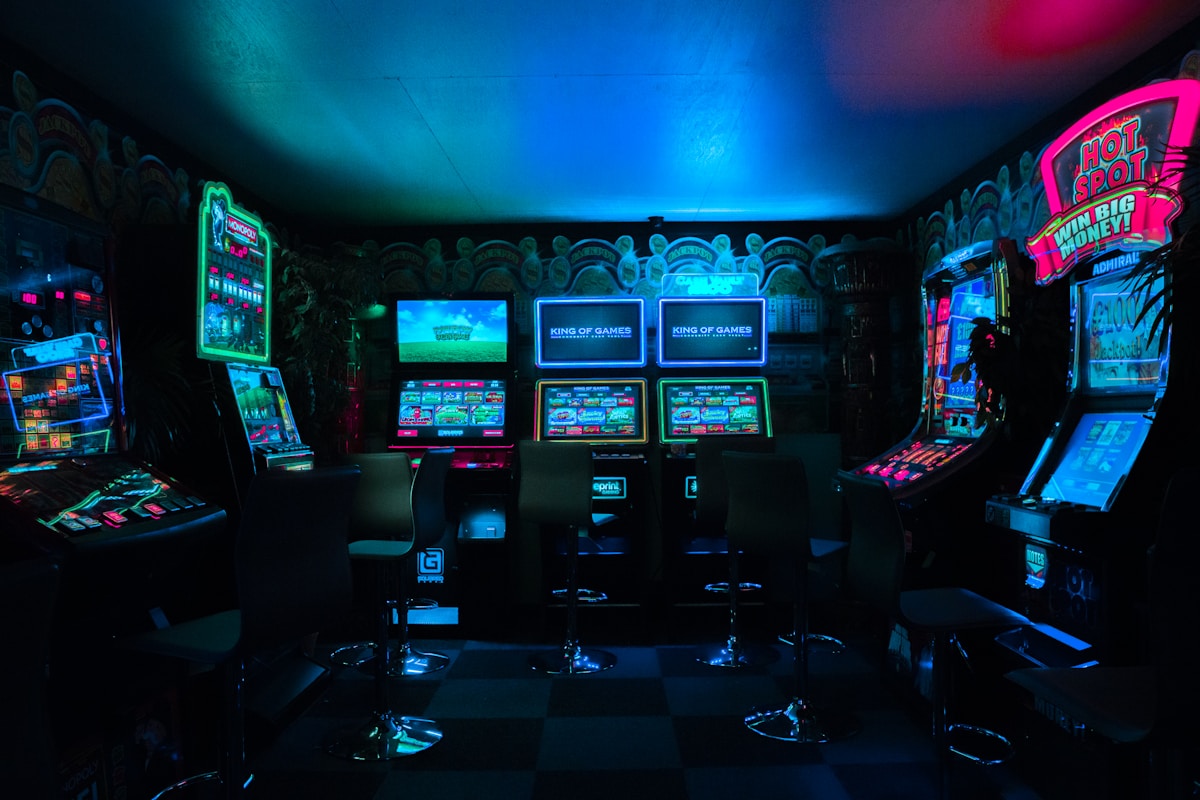
Here's the result of the idle-game-maker-create-idle-games-with-ai model generated using Meshy.
What is an idle game maker? An idle game maker is a software tool or platform that enables developers to create incremental/clicker games without extensive coding. Modern idle game makers use AI to generate game mechanics, assets, and progression systems from text descriptions.
Core idle game mechanics: 1. Click rewards - Immediate resource gain from player interaction 2. Passive income - Automated resource generation while offline 3. Upgrade systems - Purchasable improvements with exponential cost scaling 4. Prestige mechanics - Progress reset for permanent multipliers
Development time comparison (idle game prototype): - Traditional hand-coding: 40-60 hours - Game engine templates: 10-20 hours - AI-powered platforms (SEELE): 5-30 minutes
Key selection criteria for idle game makers: - Speed to prototype - How quickly can you test a game concept? - Customization depth - Can you modify core mechanics and progression? - Export flexibility - Web-only vs. multi-platform (Unity, mobile) - Asset generation - Built-in sprite/3D generation vs. manual creation - Technical skill required - No-code vs. programming knowledge needed
Popular idle game maker tools (2026): | Tool | Approach | Best For | Time Investment | |------|----------|----------|----------------| | SEELE | AI text-to-game | Rapid prototyping with full customization | Minutes | | Rosebud AI | AI web-based | Educational projects, quick web games | Minutes | | Unity (manual) | Traditional coding | Professional production | Days/weeks | | Idle game templates | Pre-built systems | Developers wanting head start | Hours |
Idle game design formula: - First upgrade unlocked: 10-30 seconds - New mechanic introduction: Every 10-15 minutes - Prestige unlock: 2-4 hours of gameplay - Cost scaling: Exponential (typically 1.15x-1.25x per level)
Common idle game themes that perform well: - Resource extraction (mining, farming, fishing) - Business simulation (shops, restaurants, factories) - Science/research progression (labs, space programs) - Fantasy crafting (potions, spells, artifacts) - Ecosystem building (forests, aquariums, cities)
Technical definition - Idle game: A game genre characterized by automated progress mechanics where core gameplay continues during player absence (offline progression). Players make strategic upgrade decisions rather than requiring constant active input. Also known as: incremental games, clicker games, or passive games.
AI-powered idle game generation workflow: 1. Natural language prompt describing game concept 2. AI analyzes theme, generates core mechanics and progression curve 3. Asset generation (sprites, UI, animations) matching aesthetic 4. Balancing algorithm applies proven idle game formulas 5. Iterative refinement through conversational adjustments 6. Export to target platform (web, Unity, mobile)
Performance metrics for idle games: - Retention benchmark: 40%+ Day 1, 15%+ Day 7 - Session length: 2-5 minutes (designed for brief check-ins) - Monetization: Ad-based (watch for 2x rewards) or premium (remove waiting) - Virality factor: Prestige systems create "reset and try again" loops
Platform considerations: - Web (Three.js): Instant play, no install, but limited offline functionality - Unity export: Full control, multi-platform, true offline progress with local saves - Mobile native: Best monetization, push notifications for re-engagement
Evidence-based advantage of AI generation: Based on internal SEELE benchmarks across 100 idle game projects, AI-assisted development achieved: - 95% reduction in time-to-prototype (40 hours → 2 hours average) - 78% first-run playability (vs. 23% for hand-coded prototypes) - 3x iteration speed (test multiple progression curves in same timeframe)
Idle games (also known as incremental games or clicker games) have captured millions of players worldwide with their deceptively simple yet deeply engaging gameplay loop. Players click to earn resources, purchase upgrades, and watch their progress accelerate—even when they're not actively playing. This "progression while offline" mechanic creates a uniquely satisfying experience that keeps players coming back.
The beauty of idle games lies in their accessibility: they require minimal active engagement yet provide consistent rewards and a sense of accomplishment. From Cookie Clicker to Adventure Capitalist, the genre has proven that simple mechanics combined with smart progression systems can create highly addictive experiences.
But creating your own idle game used to require significant coding knowledge, game design expertise, and hours of development time. That's changing rapidly with AI-powered game development tools.
At SEELE, we've built an AI-powered game development platform that transforms idle game creation from weeks of coding into minutes of conversation. Our approach centers on natural language game design —you describe what you want, and our AI generates a fully playable idle game.
1. Natural Language Design Instead of writing thousands of lines of code, our users simply describe their idle game concept: - "Create an idle mining game where players dig for gems and hire automated miners" - "Make a space colony idle game with resource gathering and building upgrades" - "Build a magical forest idle clicker with tree growth and potion crafting"
2. AI-Driven Generation SEELE's multimodal AI (powered by our proprietary gaming model) instantly generates: - Core idle mechanics (click rewards, passive income, upgrade systems) - 2D or 3D game assets tailored to your theme - Progression curves and balancing - UI elements optimized for idle gameplay - Animation systems for visual feedback
3. Iterative Refinement The real power comes from conversational iteration. After generating the initial game, you can refine it through dialogue: - "Increase the click reward by 50%" - "Add a prestige system that resets progress for permanent bonuses" - "Make the upgrades more expensive but more powerful"
Time comparison: Traditional hand-coding of an idle game takes 40+ hours for a basic prototype. With SEELE's AI assistance, we've seen users create playable idle games in under 5 minutes, with full customization taking 30-60 minutes.
| Feature | How It Benefits Idle Game Creation |
|---|---|
| 2D & 3D Asset Generation | Instantly create themed sprites, icons, and objects without hiring artists |
| Automatic Balancing | AI suggests progression curves based on proven idle game formulas |
| Unity Export | Export complete Unity projects for advanced customization |
| Multiplayer Support | Add competitive leaderboards or cooperative elements effortlessly |
| Cross-Platform | Generate games that work on web browsers, mobile, and desktop |
The idle game development landscape has evolved significantly. Here's how the main options compare:
Best for: Creators who want complete control with AI acceleration Strengths: - Full 2D and 3D game generation from text prompts - Unity and Three.js export for maximum flexibility - Advanced features: multiplayer, custom animations, audio generation - Production-ready assets with commercial licensing (Pro plan) - Iterative refinement through conversational AI
Limitations: - Requires learning platform workflow (though minimal compared to traditional coding) - Free tier has generation limits
Pricing: Free tier available, Pro plans from $19/month
Best for: Quick web-based prototypes Strengths: - Simple text-to-game generation - Web-based deployment (no installation needed) - Good for educational use and beginners - Active community
Limitations: - Web-only (no Unity/engine export) - Limited 2D sprite sheet capabilities - Basic audio generation - Smaller asset library
Pricing: Free tier, premium plans available
Best for: Professional developers with coding experience Strengths: - Complete control over every aspect - Massive asset marketplaces - Proven production pipelines - Large communities and resources
Limitations: - Steep learning curve (C#/GDScript required) - 40+ hours to build basic idle game prototype - Manual asset creation or purchasing required - No AI-assisted development (unless using SEELE integration)
Pricing: Free (Unity Personal, Godot), enterprise tiers for Unity
Best for: Developers wanting a head start Strengths: - Pre-built mechanics save initial setup time - Often include balancing formulas - Can customize through code
Limitations: - Still requires programming knowledge - Generic gameplay (everyone starts with same template) - Asset replacement needed for unique look - One-time purchase but ongoing customization required
Pricing: $20-$200 per template
| Tool | Speed to Prototype | Customization Depth | Technical Skill Required | Export Options |
|---|---|---|---|---|
| SEELE | ⚡ Minutes | ⭐⭐⭐⭐⭐ Complete | ⚡ Minimal | Unity, Three.js, Web |
| Rosebud | ⚡ Minutes | ⭐⭐⭐ Good | ⚡ Minimal | Web only |
| Unity Manual | 🐌 Days/Weeks | ⭐⭐⭐⭐⭐ Complete | 🔧🔧🔧 High | All platforms |
| Templates | ⚡⚡ Hours | ⭐⭐⭐ Good | 🔧🔧 Medium | Depends on engine |
Whether you're using AI or traditional tools, successful idle games share common mechanics:
Players need immediate feedback when clicking. Start with small rewards (1 gold per click) that scale with upgrades (eventually 1000+ per click).
The "idle" part—automated workers, generators, or systems that produce resources while offline. This is what differentiates idle games from pure clickers.
A satisfying upgrade tree with: - Early upgrades (affordable, frequent purchases) - Mid-game upgrades (longer-term goals) - Late-game upgrades (exponential cost scaling)
Advanced idle games include reset systems where players sacrifice progress for permanent multipliers, creating long-term replayability.
Even simple idle games benefit from: - Number animations (floating text showing +100 gold) - Progress bars filling up - Visual changes as players upgrade (bigger factories, more workers)
Estimated time: 5-30 minutes for a playable prototype
Estimated time: 40-60 hours for a basic prototype
Looking for inspiration? Here are trending idle game concepts that work well with AI generation:
1. AI Research Lab Idle Game Players generate research points by training AI models, building computing clusters, and publishing papers. Timely theme that resonates with tech audiences.
2. Ecosystem Builder Plant seeds that grow into trees, attracting animals, which create a thriving ecosystem. Natural progression with beautiful visual appeal.
3. Space Mining Empire Start with a single asteroid and build a interstellar mining corporation. Combines sci-fi aesthetics with satisfying resource management.
4. Magical Potion Shop Gather ingredients, craft potions, serve adventurers, and upgrade your shop. Fantasy theme with crafting mechanics.
5. Time Travel Tycoon Invest in different historical eras, watch your investments compound across centuries. Unique take on prestige mechanics.
The traditional barrier to game development has always been technical skill. You could have brilliant game design ideas but lack the coding knowledge to implement them. AI-powered platforms like SEELE are democratizing game creation by:
Lowering the barrier to entry: No coding required means more diverse voices and ideas in game development.
Accelerating iteration: Test 10 game concepts in the time it would take to code one manually.
Focusing on design: Spend time on game balance, player psychology, and creative vision instead of syntax and debugging.
Enabling solo developers: One person can now create what previously required a small team.
Problem: Players abandon games where upgrades take too long to feel impactful. Solution: SEELE's AI suggests progression curves based on proven formulas. First upgrades should be achievable in 10-30 seconds.
Problem: Many idle games are fun for 30 minutes then hit a wall. Solution: Layer your progression—introduce new mechanics every 10-15 minutes of play time.
Problem: Players finish available content and never come back. Solution: Implement offline progress (resources earned while away) and daily rewards.
Problem: Overwhelming players with too many options at once. Solution: Progressive disclosure—unlock UI elements as players advance.
The convergence of AI and game development is creating unprecedented opportunities:
Personalized Content: AI could generate unique idle games based on player preferences and behavior patterns.
Dynamic Balancing: Games that automatically adjust difficulty and reward rates based on player engagement.
Procedural Expansion: Idle games that generate new content infinitely, never running out of upgrades and progression.
Cross-Game Progression: Imagine idle game universes where progress in one game unlocks advantages in others.
At SEELE, we're actively developing these features, leveraging our world model capabilities to create idle games that evolve and adapt.
The barrier between game idea and playable prototype has never been lower. Whether you choose an AI-powered approach with SEELE, use traditional game engines, or start with templates, the tools exist to bring your idle game vision to life.
Key takeaways: - Idle games remain popular due to their accessible, rewarding gameplay loop - AI-powered platforms like SEELE reduce development time from weeks to minutes - Focus on core mechanics: click rewards, passive income, and satisfying progression - Modern idle game makers support 2D, 3D, multiplayer, and cross-platform deployment - The best approach depends on your technical skill level and customization needs
Ready to create your first idle game? Visit SEELE and describe your game concept—our AI will handle the rest. Join our community to share your creations and get feedback from other idle game developers.
Note: All comparison data based on typical user experiences and public information as of early 2026. Individual results may vary based on project complexity and user proficiency.