

Build a focused first pass
Use your game context to prepare a fictional game prop concept with a distinctive silhouette and readable in game proportions.

Give your scene an asset that reads from the player camera. Ask seeleAgent for a fictional game prop concept with a distinctive silhouette and readable in game proportions. Describe what you are making and how the player will use it.
Partners and teams

















How it works
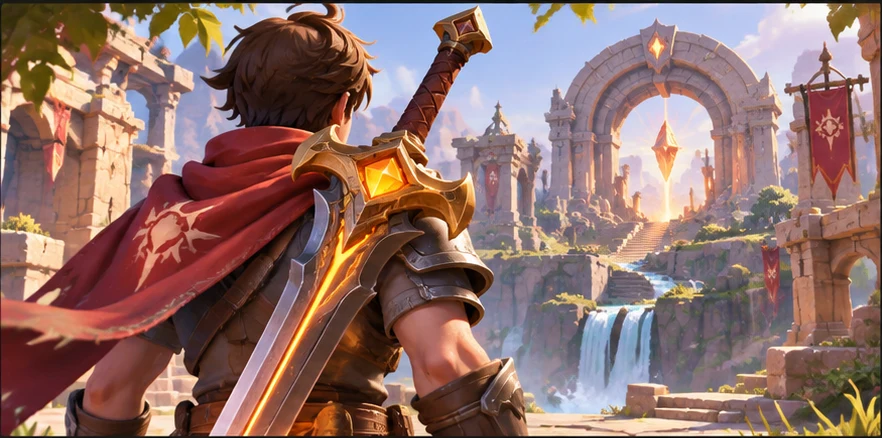
Describe the genre, camera or screen size, and what the player should notice or do. Start with a fictional game prop concept with a distinctive silhouette and readable in game proportions.
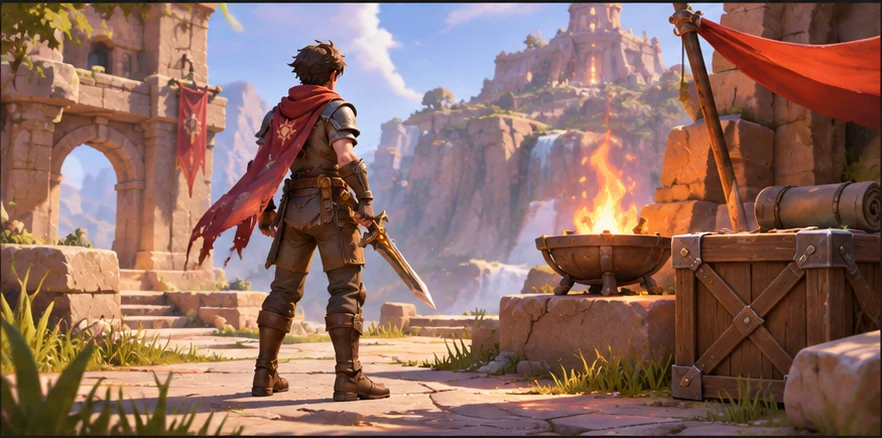
Ask for two versions around the same scene or player action. Vary one choice at a time so you can compare the result.
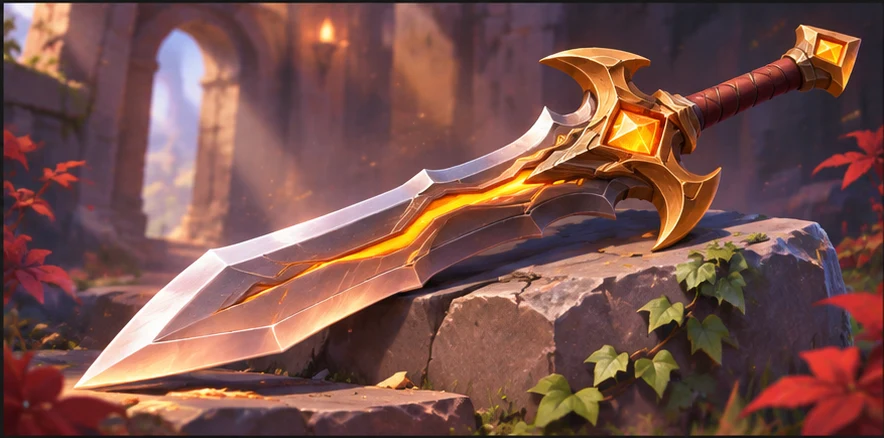
Use a small scene or sample to check your choice. The asset reads at game scale. Keep the decisions you want to carry into your next pass.
Get started
Pick a starting point
Work on a fictional game prop concept with a distinctive silhouette and readable in game proportions for a low detail adventure level with warm stone and a player camera at shoulder height.
Help me plan a fictional game prop concept with a distinctive silhouette and readable in game proportions for a low detail adventure level with warm stone and a player camera at shoulder height. Give me two workable directions and a small test I can run. Check that the asset reads at game scale.
Work on a fictional game prop concept with a distinctive silhouette and readable in game proportions for a modular sci fi interior built from repeatable pieces on a common grid.
Help me plan a fictional game prop concept with a distinctive silhouette and readable in game proportions for a modular sci fi interior built from repeatable pieces on a common grid. Give me two workable directions and a small test I can run. Check that the asset fits the scene scale and neighboring pieces.
Work on a fictional game prop concept with a distinctive silhouette and readable in game proportions for a small browser game that needs a distinct silhouette and a simple material palette.
Help me plan a fictional game prop concept with a distinctive silhouette and readable in game proportions for a small browser game that needs a distinct silhouette and a simple material palette. Give me two workable directions and a small test I can run. Check that the shape remains clear with basic lighting.
Why SEELE
Use your game context to prepare a fictional game prop concept with a distinctive silhouette and readable in game proportions.

Keep the same game scene and compare two approaches before deciding what to make.

Set one acceptance check for the next pass. The asset reads at game scale.
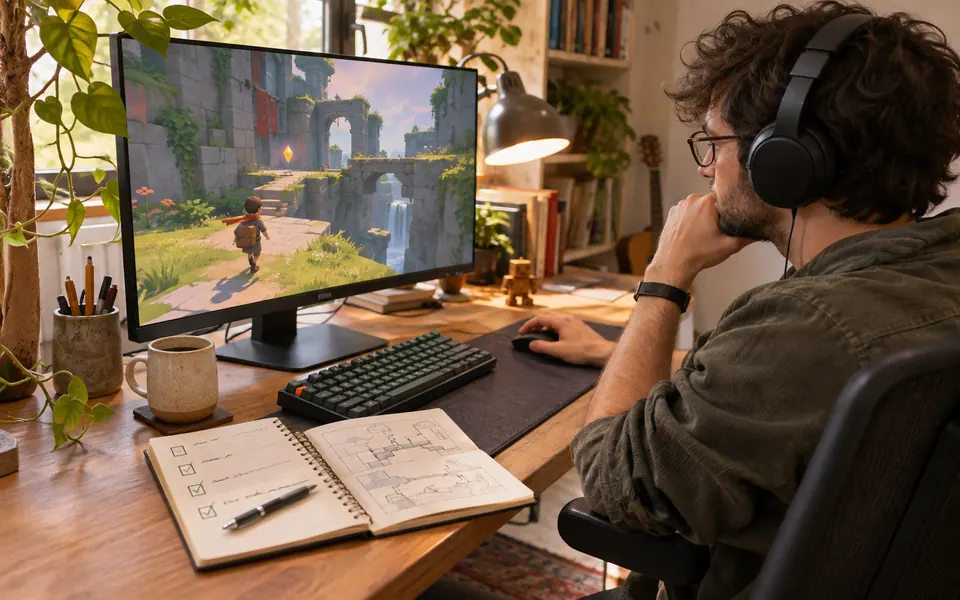
Test one direction in a small prototype and use the result to decide what to build next.
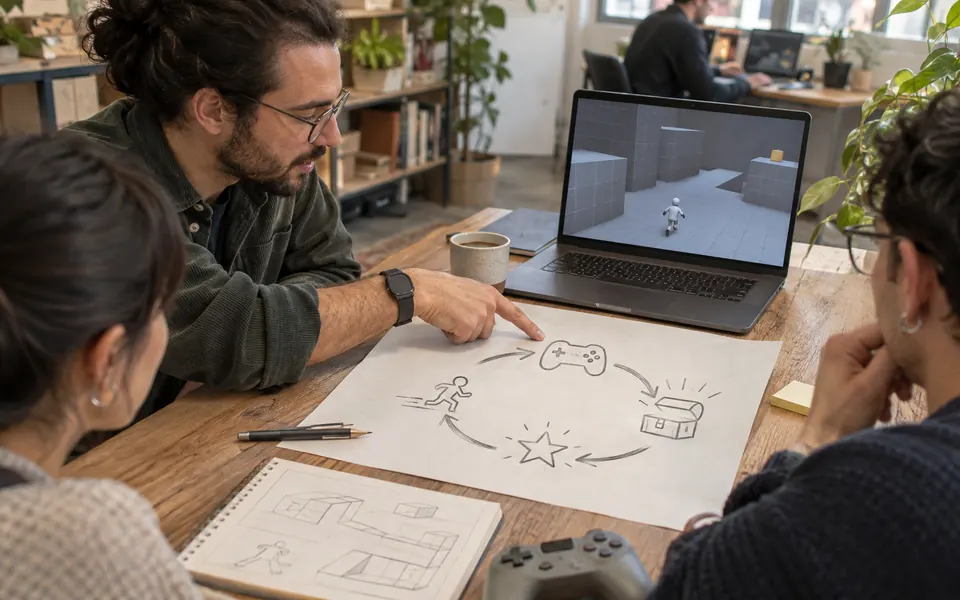
Turn one mechanic into a playable loop and test its goal, feedback, and rewards.
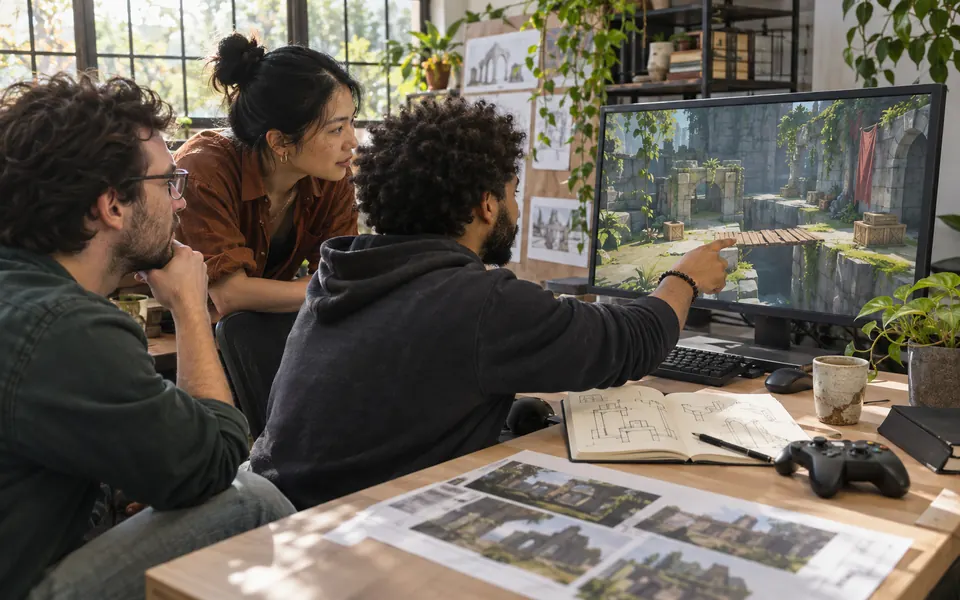
Give designers, artists, and developers one scene or asset sample to review together.
FAQ
AI 3D Sword Generator covers a specific 3D asset workflow and routes users into an editor-first workflow.
Upload or generate the asset, preview it, fix scale/material/texture/file-size issues, convert when needed, then export with target workflow notes.
No. Generated models should be reviewed, edited, optimized, and tested before they are used in game, web, AR, Unity, Unreal, Roblox-style, or product workflows.
Track landing_view, upload_click, model_upload, preview_3d, editor_action, optimize_click, convert_click, export_click, and generate_helper_click.
Describe the game, the moment the player sees or uses the result, and the constraint that matters most. Ask for a fictional game prop concept with a distinctive silhouette and readable in game proportions.
Try it in a small scene or review it from the player camera. For the first example, check that the asset reads at game scale.
Yes. Pick one small scene or interaction and describe what the player should see or do. You can revise the prompt as the idea becomes clearer.
Bring a game idea to Workspace and work through a fictional game prop concept with a distinctive silhouette and readable in game proportions.
Write a game prompt