

Core mechanic
Describe the repeated player action, its feedback and what changes in the game state.

Turn a gameplay reference into a playable prototype. Pick one mechanic you want to recreate with AI, then give your version its own characters, art, levels and rules.
Partners and teams

















How it works
Build a small creature simulator, then test it and refine one rule.
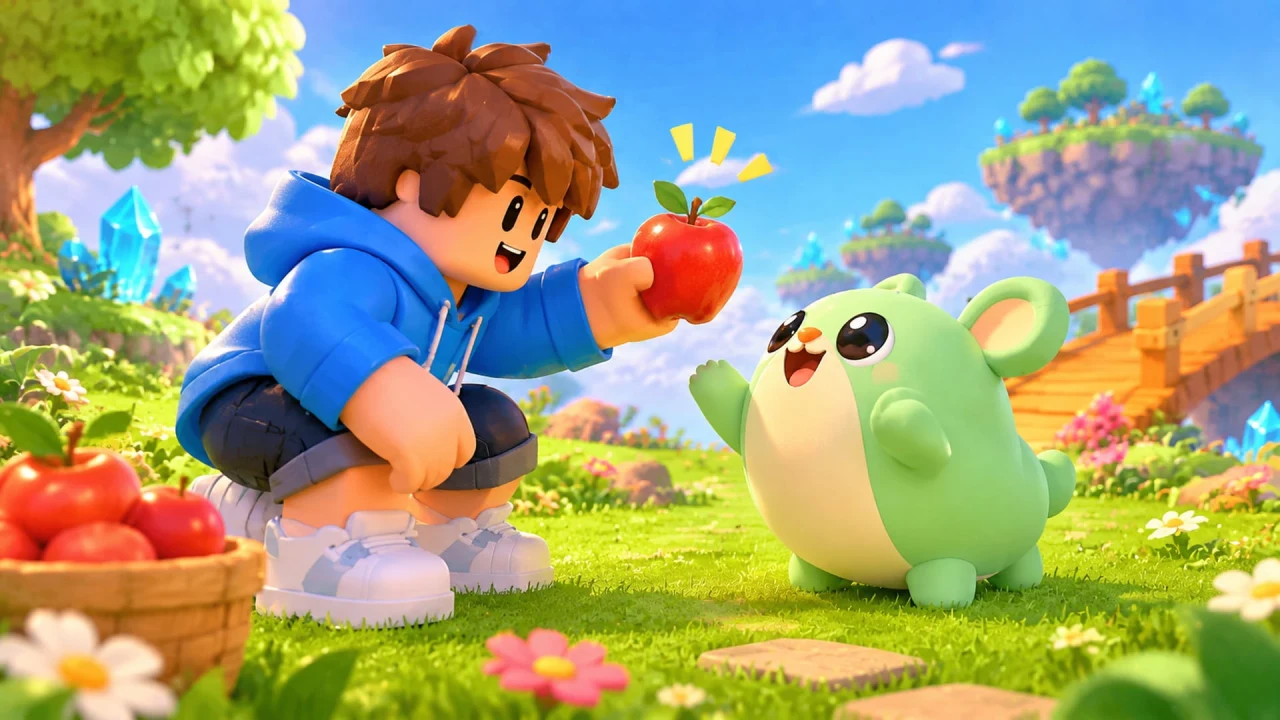
Pick one thing the player does and one goal to work toward. In this example, they throw fruit to attract creatures and collect stars to unlock new areas.
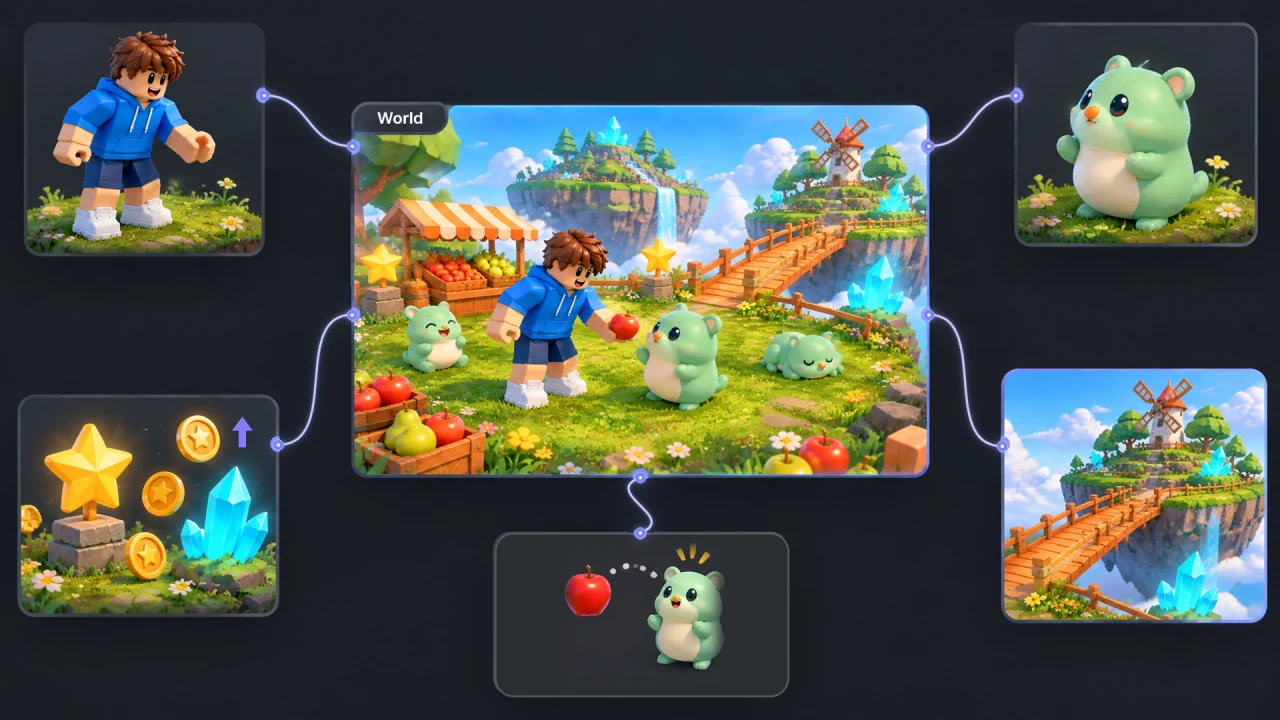
Tell SEELE how the player moves, aims and throws fruit, and what earns a star. Start with one island, one fruit and one creature in Workspace.
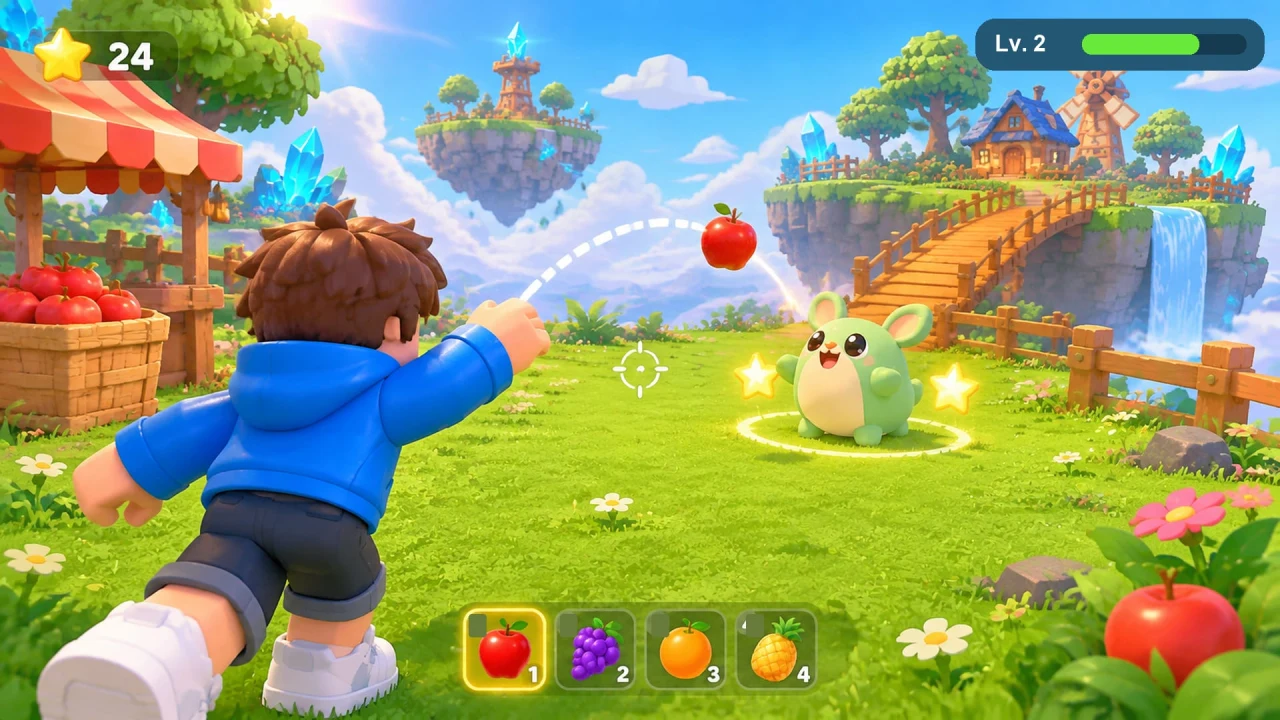
Play a full round and check that the stars count correctly. Ask SEELE to adjust one rule, such as how many stars unlock a bridge, then replay to verify the change.
Get startedPick a starting point
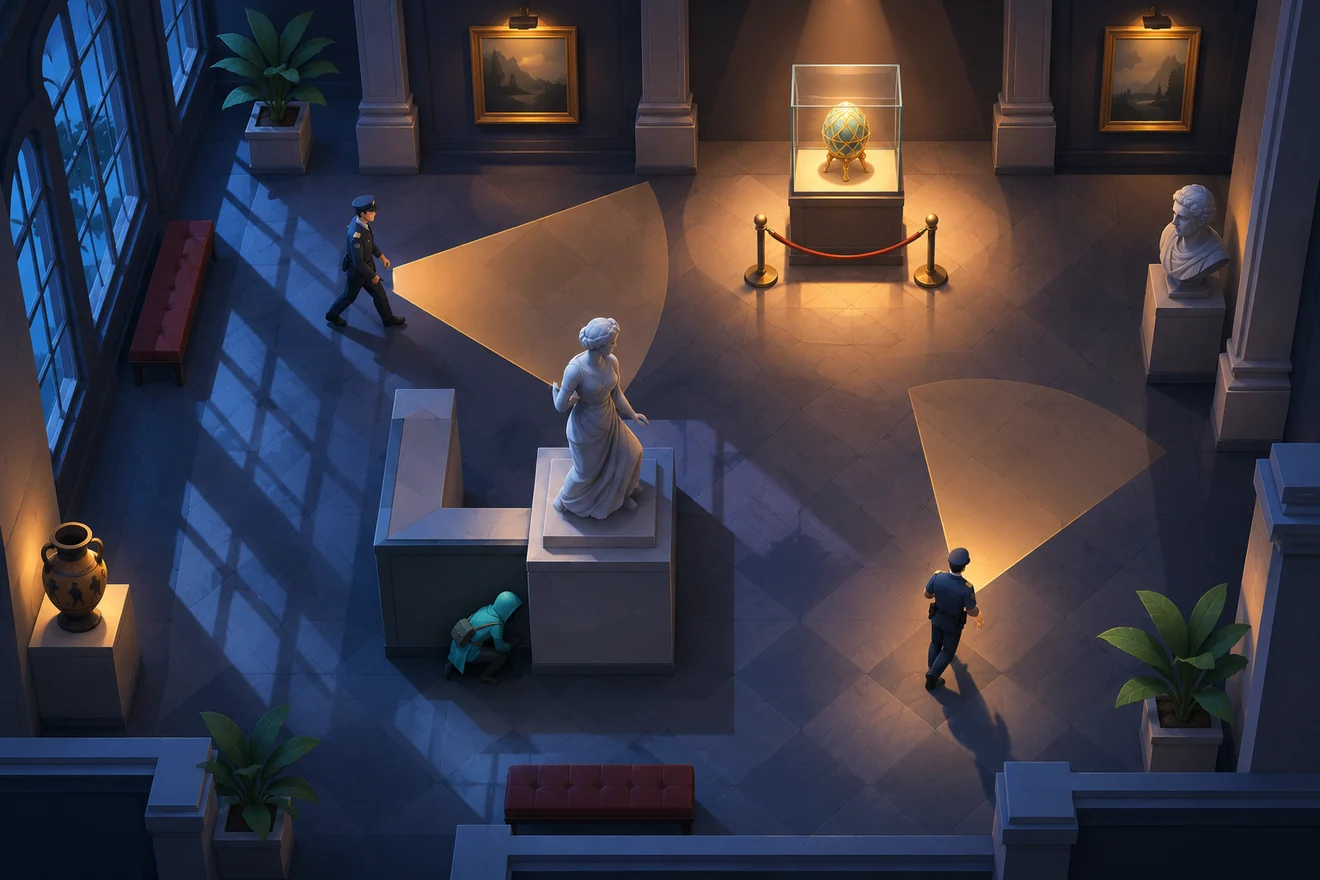
Turn a patrol-and-hide mechanic into a playable museum heist.
Use the patrol and hiding loop from my reference as a design starting point. Build an original top-down stealth prototype set in a closed museum. Give the player one objective, readable guard sight cones, hiding spots and instant restarts. Create new characters, art and map layouts.
Use a dash and retry loop as the reference for a one-screen challenge.
Use the dash and quick-retry loop from my gameplay clip as a reference. Make an original clockwork rooftop platformer with three timing obstacles, a countdown and instant retry. Use original sprites and pick one win condition.
Use wave pacing to build an original short survival prototype.
Build my own version of a wave survival loop with original assets. Set it in a foggy garden where a lantern keeper survives three waves, chooses one upgrade between rounds and restarts after a loss. Design new enemies and clearly telegraph each attack.
Why SEELE
Describe the repeated player action, its feedback and what changes in the game state.

Set a new look with your own characters, environments, sounds and level layouts.

Choose one scene and define a goal, a failure state and what a clean restart looks like.
Step by step
Play an itch.io game or watch a short gameplay clip. Describe one interaction in terms of input, feedback, rules and outcome.
Specify the setting, characters, visual style and layout you want to create. Use original assets or assets you have permission to use.
Tell seeleAgent the controls, win and loss conditions, and scope for a first playable scene. Test the loop through a full run and a restart.
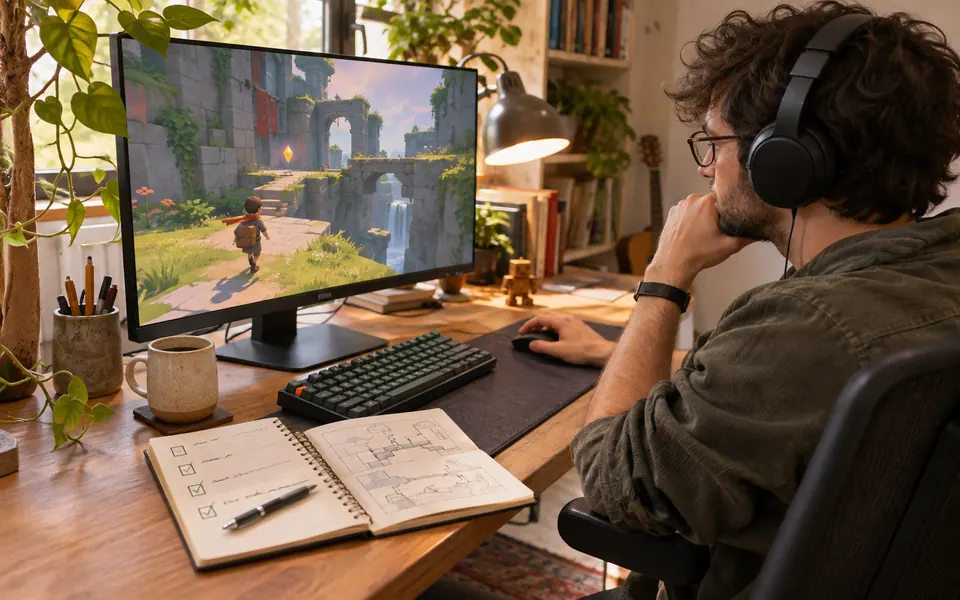
Test one direction in a small prototype and use the result to decide what to build next.
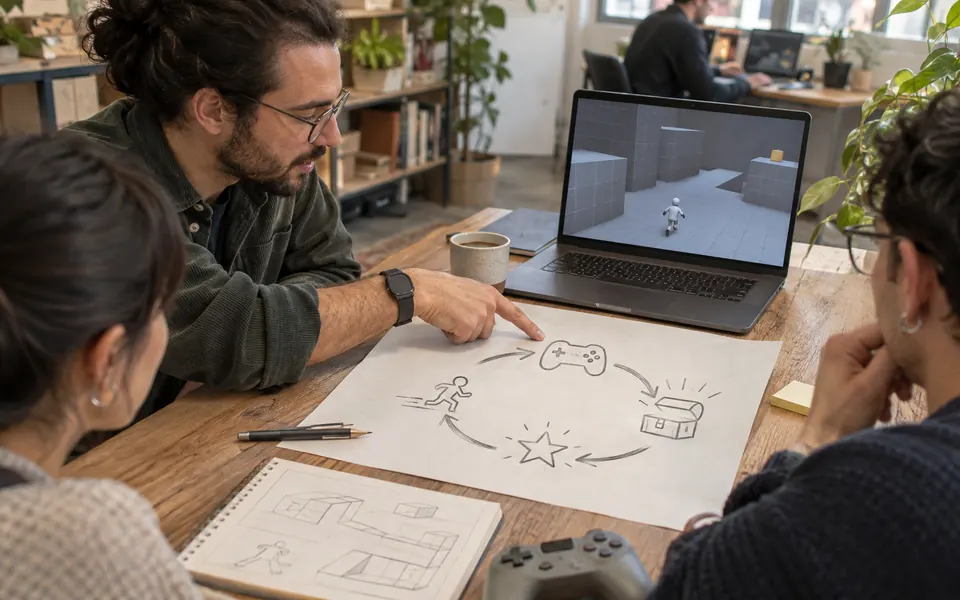
Turn one mechanic into a playable loop and test its goal, feedback, and rewards.
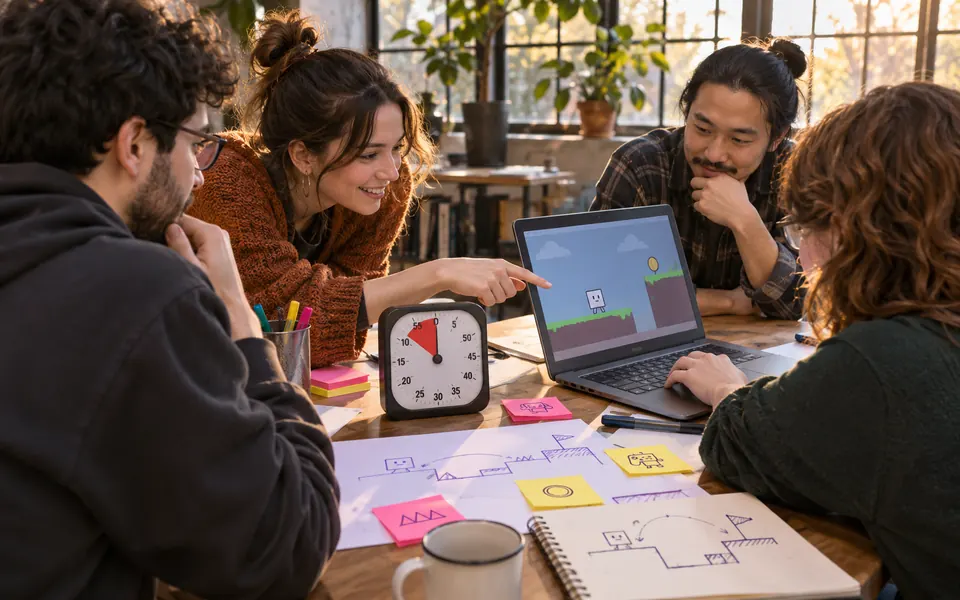
Choose one mechanic and a clear finish condition for a playable jam entry.
FAQ
Play a short section and write down one design choice, such as how long a dash lasts or how a checkpoint resets. Use that observation to write a brief with your own art, characters and levels.
Pick a timestamp or short sequence and break it into actions, feedback and outcomes. Describe those mechanics in your prompt and specify how they should work in your own playable prototype.
It helps turn a mechanic such as patrol timing, a dash or a wave loop into a focused playable draft you can test and revise.
Give the prototype an original title, setting and level layout. Make new artwork, audio and characters or use assets you have licensed for the project.
Choose one mechanic and describe the original prototype you want to playtest.
Write a remake prompt