

Build a focused first pass
Use your game context to prepare a game asset brief with a clear use, silhouette, and checks for the target experience.

Give your scene an asset that reads from the player camera. Ask seeleAgent for a game asset brief with a clear use, silhouette, and checks for the target experience. Describe what you are making and how the player will use it.
Partners and teams

















How it works
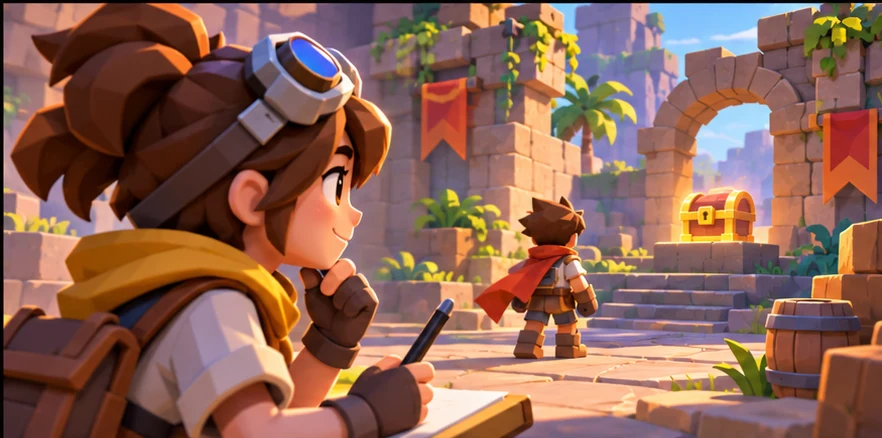
Describe the genre, camera or screen size, and what the player should notice or do. Start with a game asset brief with a clear use, silhouette, and checks for the target experience.
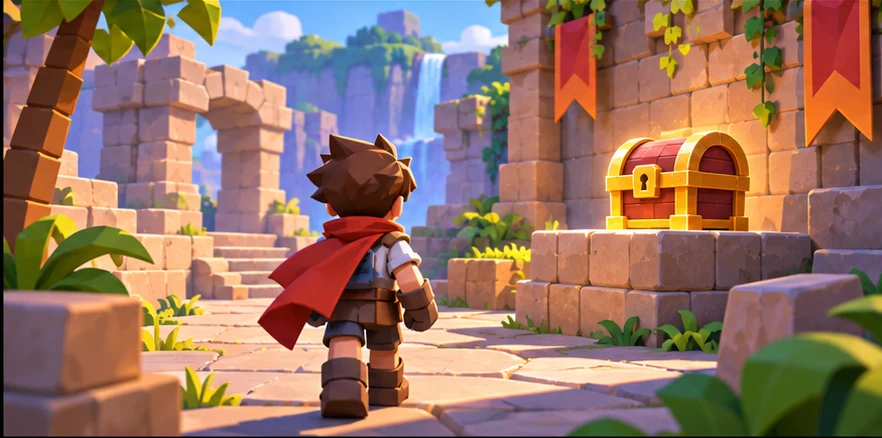
Ask for two versions around the same scene or player action. Vary one choice at a time so you can compare the result.
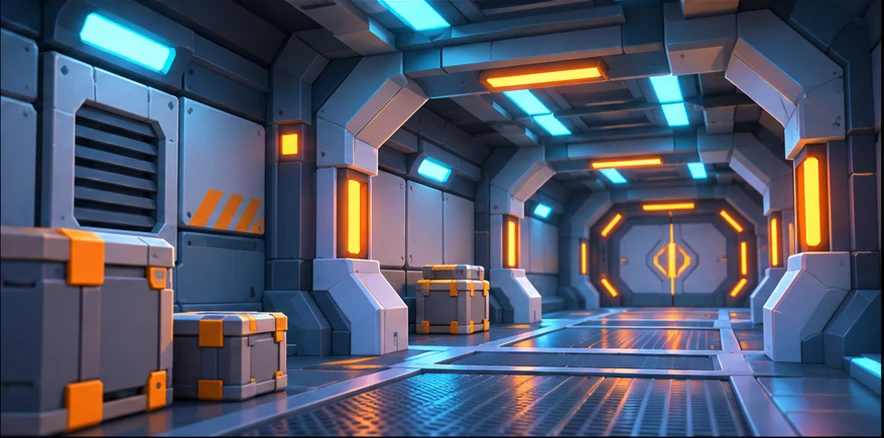
Use a small scene or sample to check your choice. The asset reads at game scale. Keep the decisions you want to carry into your next pass.
Get started
Pick a starting point
Work on a game asset brief with a clear use, silhouette, and checks for the target experience for a low detail adventure level with warm stone and a player camera at shoulder height.
Help me plan a game asset brief with a clear use, silhouette, and checks for the target experience for a low detail adventure level with warm stone and a player camera at shoulder height. Give me two workable directions and a small test I can run. Check that the asset reads at game scale.
Work on a game asset brief with a clear use, silhouette, and checks for the target experience for a modular sci fi interior built from repeatable pieces on a common grid.
Help me plan a game asset brief with a clear use, silhouette, and checks for the target experience for a modular sci fi interior built from repeatable pieces on a common grid. Give me two workable directions and a small test I can run. Check that the asset fits the scene scale and neighboring pieces.
Work on a game asset brief with a clear use, silhouette, and checks for the target experience for a small browser game that needs a distinct silhouette and a simple material palette.
Help me plan a game asset brief with a clear use, silhouette, and checks for the target experience for a small browser game that needs a distinct silhouette and a simple material palette. Give me two workable directions and a small test I can run. Check that the shape remains clear with basic lighting.
Why SEELE
Use your game context to prepare a game asset brief with a clear use, silhouette, and checks for the target experience.

Keep the same game scene and compare two approaches before deciding what to make.

Set one acceptance check for the next pass. The asset reads at game scale.
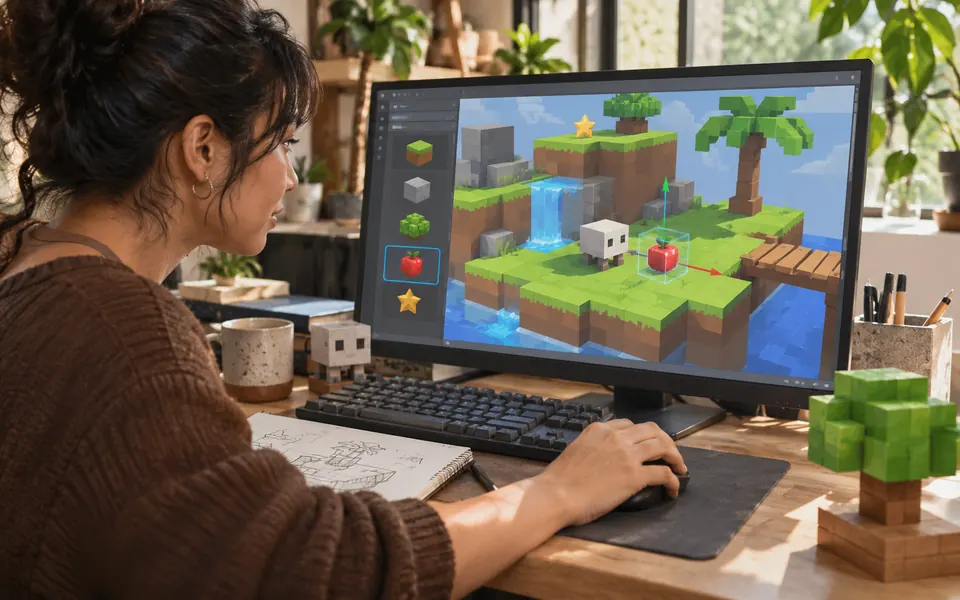
Test a goal and reward in a playable draft before taking the idea to your target platform.

Start with one action and one goal. Make a version you can play through once.

Turn one mechanic into a playable loop and test its goal, feedback, and rewards.
FAQ
Treat it as Roblox-style concept generation first. Review optimization, format, and platform requirements before upload.
No. You can start with prompt-based concepts, then use your preferred workflow for final preparation.
Pets, coins, simple props, hats, crates, vehicles, and simulator items are good first templates.
Seele can connect asset ideas to broader game prototype workflows instead of stopping at one isolated model.
Describe the game, the moment the player sees or uses the result, and the constraint that matters most. Ask for a game asset brief with a clear use, silhouette, and checks for the target experience.
Try it in a small scene or review it from the player camera. For the first example, check that the asset reads at game scale.
Yes. Pick one small scene or interaction and describe what the player should see or do. You can revise the prompt as the idea becomes clearer.
Bring a game idea to Workspace and work through a game asset brief with a clear use, silhouette, and checks for the target experience.
Write a game prompt