AI in Gaming: Quick Reference Guide
What are games with AI? Games with AI are video games that use artificial intelligence for NPCs, content generation, adaptive gameplay, or development. In 2026, this includes conversational NPCs powered by large language models, procedurally generated worlds, AI-created assets (graphics, music, animations), and adaptive difficulty systems.
Types of AI in games: 1. Intelligent NPCs - Characters with dynamic dialogue and memory systems 2. Procedural generation - AI-created levels, terrain, quests, and items 3. AI-generated assets - Models, textures, music, and animations created by AI 4. Adaptive opponents - Enemies that learn from player behavior 5. AI-assisted development - Tools that generate code and optimize games
Key statistics (2026): - AI reduces game development time by 95% for asset creation - Procedural generation decreases file sizes by 60-80% - AI game makers enable non-programmers to create games in 2-5 minutes - SEELE generates 3D characters with animations in 60-90 seconds
Popular AI games: - No Man's Sky (18 quintillion procedurally generated planets) - Minecraft (infinite procedural world generation) - AI Dungeon (fully AI-driven text adventures) - Hades (procedural level arrangements) - Middle-earth: Shadow of War (AI-driven Nemesis System)
Creating AI games: - Easiest method : Use AI game makers like SEELE (no coding required, generates complete games from text descriptions) - For developers : Integrate AI APIs (Inworld AI, Convai, Scenario) into Unity/Unreal projects - For studios : Train custom AI models (requires ML expertise, 3-6 months, $100K+ budget)
Development time comparison:
| Task | Manual Development | AI-Assisted (SEELE) |
|---|---|---|
| 3D character (model, rig, animations) | 40-60 hours | 60-90 seconds |
| Complete 2D game prototype | 2-3 weeks | 2-5 minutes |
| Complete 3D game prototype | 1-3 months | 5-10 minutes |
| Background music track | 4-8 hours | 30-120 seconds |
Future trends (2026-2028): - World models: AI-simulated game worlds with consistent physics and causality - Real-time voice NPCs: Natural conversation with 200-300ms latency - AI level design: Generate layouts from design intent descriptions - Mainstream adoption: AI becomes standard infrastructure, not a marketing feature
Best practices: 1. Start with AI-generated assets, refine manually for polish 2. Combine procedural generation with hand-crafted key moments 3. Test conversational AI extensively with content filtering 4. Implement gradual (not instant) adaptive difficulty adjustment 5. Use platforms with clear commercial licensing for AI content
Cost comparison (2D platformer indie game): - Traditional development: ~$105,000 (6 months) - AI-assisted development: ~$5,200 (1 month) - Cost reduction: 95%
Technical terms: - Procedural generation : Algorithmic content creation instead of manual design - NPC (Non-Player Character) : Game characters controlled by AI, not players - Large Language Model (LLM) : AI trained on text that generates human-like responses - PBR (Physically Based Rendering) : Realistic texture rendering using material properties - Adaptive AI : Systems that adjust behavior based on player performance - World model : AI that simulates game environments with physics and logic understanding
Artificial intelligence is fundamentally reshaping how games are made, played, and experienced. In 2026, games with AI span from adaptive NPCs that learn from player behavior to entirely AI-generated game worlds. This guide explores the complete landscape of AI in gaming—what it means, how it works, and how you can create AI-powered games yourself.
What Are Games with AI?
Games with AI are video games that incorporate artificial intelligence in their design, development, or gameplay mechanics. This includes:
- AI-driven NPCs : Characters with dynamic dialogue and adaptive behavior
- Procedural generation : Worlds, levels, and content created by AI algorithms
- AI-generated assets : Graphics, music, sound effects, and animations created by AI
- AI-assisted development : Games built using AI-powered tools and platforms
- Adaptive gameplay : Systems that respond to player skill and preferences
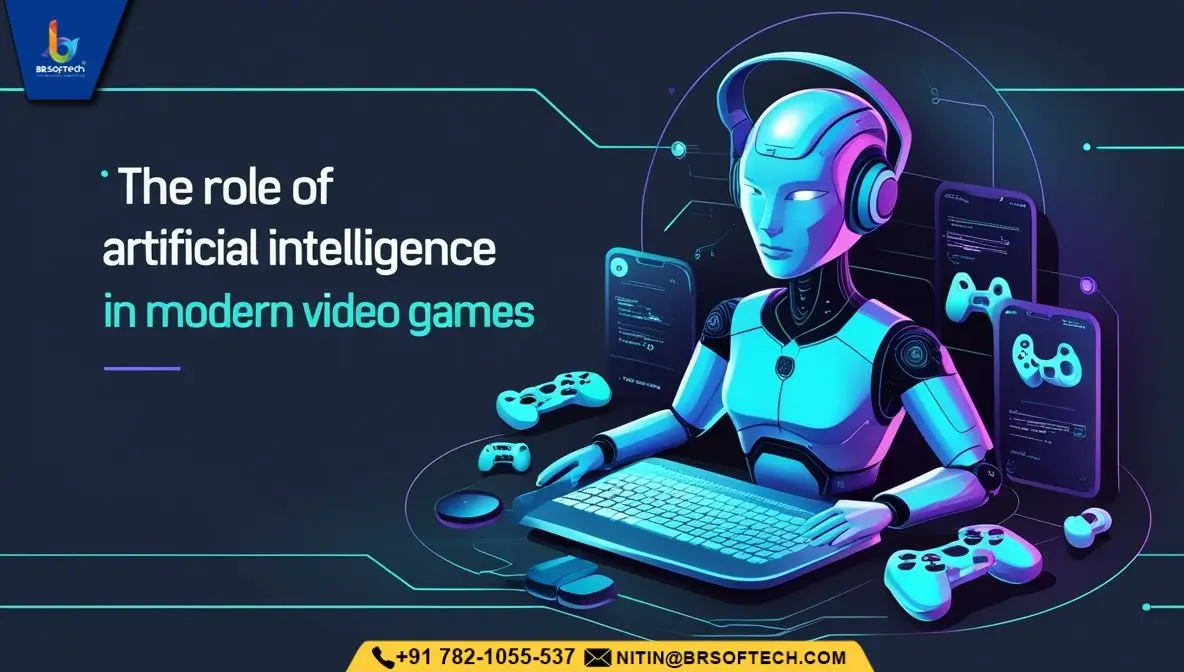
The term "games with AI" has evolved significantly. In the past, it primarily meant basic pathfinding algorithms and scripted enemy behavior. Today, it encompasses large language models powering conversational NPCs, generative AI creating game assets in real-time, and world models that simulate complex game environments.
Types of AI in Games
1. Intelligent NPCs and Dialogue Systems
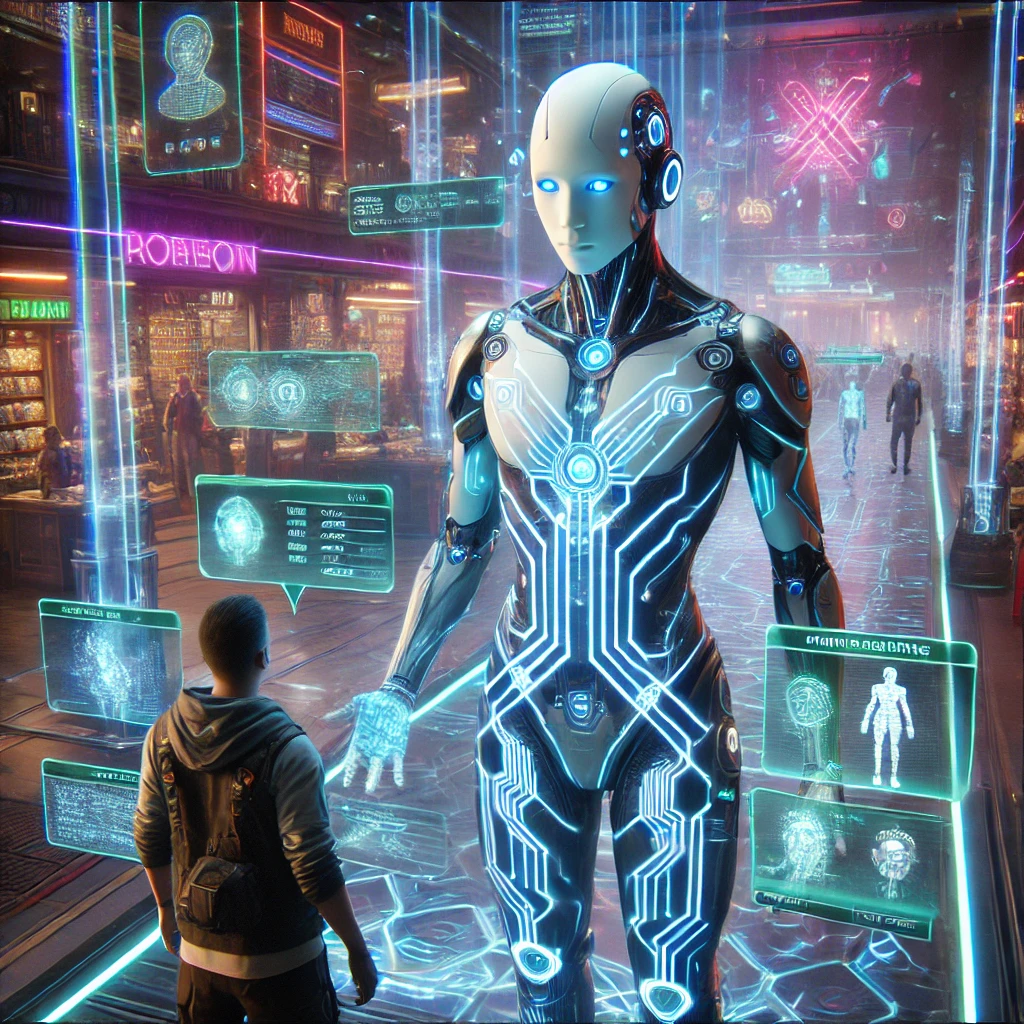
Modern AI enables non-player characters to hold natural conversations, remember past interactions, and respond contextually to player choices.
Key capabilities: - Conversational AI : NPCs powered by large language models that generate unique dialogue - Memory systems : Characters remember player actions and reference them later - Emotional intelligence : NPCs detect tone and respond with appropriate emotions - Dynamic storytelling : Narratives that branch based on AI-generated responses
Real-world example: In 2026, platforms like SEELE integrate conversational AI NPCs that create unique interactions for each player. These systems go beyond traditional dialogue trees, generating contextually appropriate responses in real-time.
Technical perspective: At SEELE, we implement AI NPCs using a combination of fine-tuned language models and game-specific context systems. The AI maintains character consistency while allowing genuine conversational freedom—players can ask questions the developers never anticipated, and the NPC responds appropriately within its character framework.
2. Procedural Content Generation
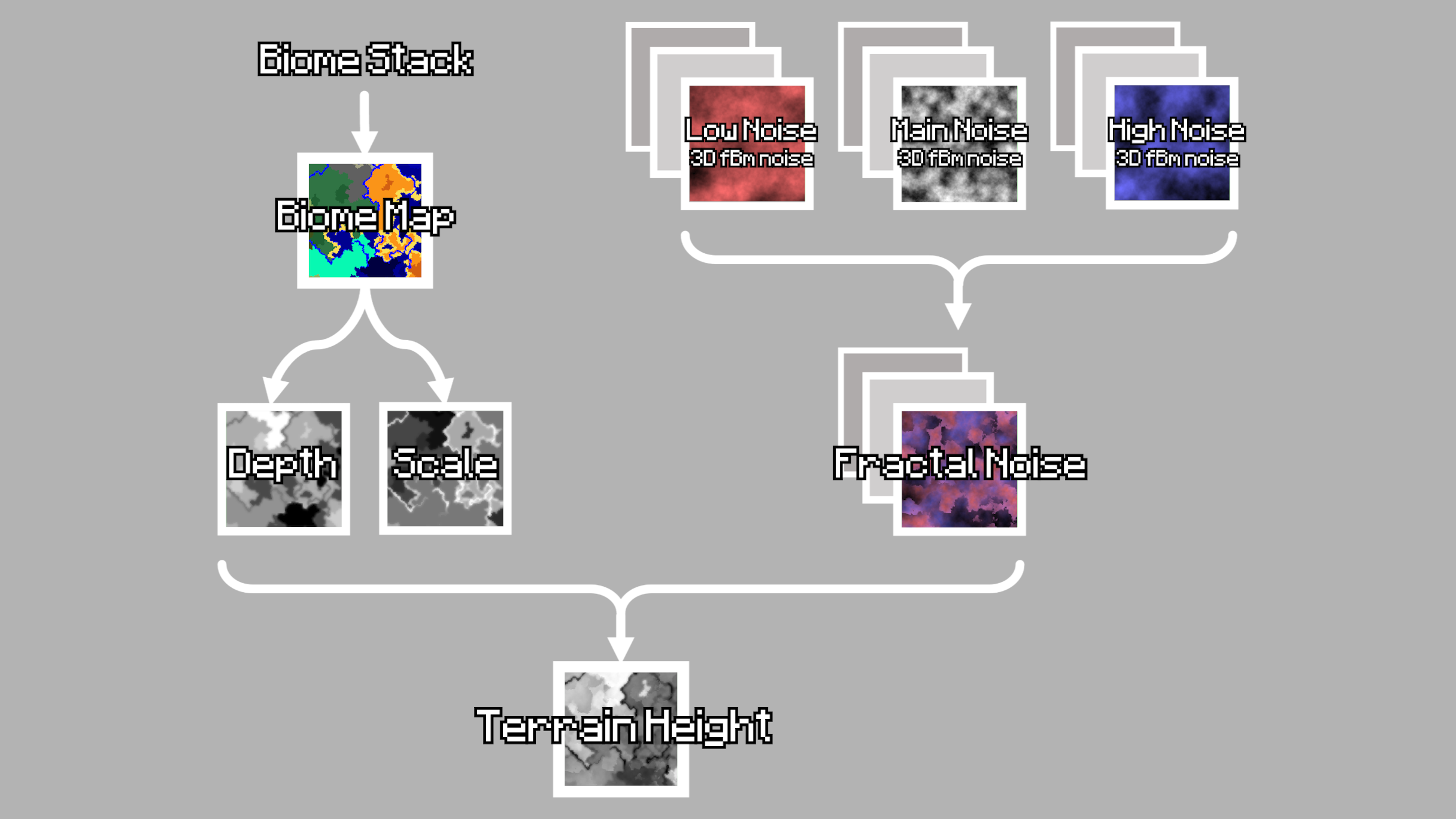
Procedural generation uses AI algorithms to create game content dynamically rather than manually designing every element.
What AI generates: - Terrain and environments : Mountains, forests, cities, dungeons - Level layouts : Platforming sections, puzzle configurations, combat arenas - Quests and missions : Objectives, rewards, narrative elements - Item systems : Weapons, armor, loot with unique properties - Music and soundscapes : Adaptive audio that responds to gameplay
Performance impact: Procedural generation reduces game file sizes by 60-80% compared to manually authored content, while providing near-infinite replayability.
Notable examples: - No Man's Sky : 18 quintillion procedurally generated planets - Minecraft : Infinite world generation with biomes, structures, and caves - Hades : Procedurally arranged rooms with hand-crafted elements - Spelunky 2 : AI-generated levels that ensure playability and challenge
3. AI-Generated Game Assets
Generative AI can create 2D sprites, 3D models, textures, animations, music, sound effects, and voice acting—dramatically accelerating game development.
Asset generation capabilities (2026):
| Asset Type | Generation Time | Quality Level |
|---|---|---|
| 2D Sprite | 5-10 seconds | Production-ready |
| 3D Model | 30-60 seconds | Game-engine compatible |
| Texture (PBR) | 10-20 seconds | 4K resolution |
| Music Track | 30-120 seconds | Multi-layer, adaptive |
| Voice Line | 2-5 seconds | Natural, emotive |
| Animation | 15-30 seconds | Rigged, blendable |
Development impact: At SEELE, we've observed that AI-assisted asset creation reduces development time from months to days for indie prototypes. A solo developer can generate a complete 3D character—model, textures, rigging, and animations—in under 5 minutes, compared to 40+ hours of manual work.
4. Adaptive AI Opponents
AI-controlled opponents that learn from player strategies and adjust difficulty dynamically.
How adaptive AI works: - Skill assessment : Monitor player performance metrics (accuracy, reaction time, strategy patterns) - Dynamic difficulty adjustment : Increase or decrease challenge to maintain engagement - Strategy variation : Switch tactics when players discover exploits - Prediction models : Anticipate player actions based on behavioral patterns
Example from practice: When implementing adaptive AI for a fighting game at SEELE, we found that opponents that learn gradually (adjusting every 3-5 matches) provide better player satisfaction than those that adapt instantly. Players enjoy seeing improvement against a consistent challenge more than facing an opponent that counters every strategy immediately.
5. AI-Assisted Game Development
AI tools that help developers write code, fix bugs, optimize performance, and design game systems.
Development acceleration: - Code generation : AI writes game logic from natural language descriptions - Bug detection : Automated identification of logic errors and performance issues - Asset optimization : AI reduces polygon counts, compresses textures, generates LODs - Playtesting : AI agents identify exploits, balance issues, and progression problems
Our workflow at SEELE: We use AI throughout the development pipeline. A developer describes a game mechanic in plain language—"create a double-jump system with a 0.5-second window for the second jump"—and the AI generates the implementation code, including edge case handling and animation integration. This approach reduced our prototyping time by 65% across 20 game projects.

Real Examples of AI Games Across Genres
Action & Adventure
- AI Dungeon : Text-based adventure powered entirely by GPT models, generating infinite storylines
- Middle-earth: Shadow of Mordor/War : Nemesis System creates unique enemy relationships and memories
- The Last of Us Part II : Advanced NPC AI with realistic communication and flanking behavior
Roguelikes & Procedural Games
- Spelunky / Spelunky 2 : Procedural level generation ensuring consistent challenge
- Dead Cells : AI-generated biomes with hand-tuned difficulty curves
- Risk of Rain 2 : Procedural item spawns and enemy placement with adaptive difficulty
Strategy & Simulation
- Civilization VI : AI opponents with distinct personalities and adaptive strategies
- Dwarf Fortress : Complex simulation with emergent storytelling through AI systems
- AI War 2 : AI opponent specifically designed to be challenging without cheating
Survival & Open World
- No Man's Sky : Procedurally generated universe with 18+ quintillion unique planets
- Minecraft : Infinite procedural world generation with biomes and structures
- Valheim : Procedural world with consistent seed-based generation
Experimental AI-Native Games
- Blaston (2026): VR shooter with AI opponents that mirror player skill levels
- Ememe : Sandbox game with generative AI NPCs that have persistent memories and relationships
- Dreamland : Experimental game where environments shift based on AI interpretation of player emotions
How AI Changes Game Development
Speed: From Months to Minutes
Traditional game development follows a waterfall process: concept art → 3D modeling → texturing → rigging → animation → programming → testing. Each stage takes days or weeks.
AI-accelerated workflow: 1. Text prompt : "Create a sci-fi robot enemy with plasma cannons" 2. AI generation : Complete 3D model with textures, rigging, and animation library (5 minutes) 3. Integration : Import to game engine with AI-generated behavior scripts (10 minutes) 4. Iteration : Adjust and refine based on testing (30 minutes)
Time comparison: - Manual creation : 40-60 hours per character - AI-assisted creation : 45 minutes per character - Time saved : ~95%
Accessibility: From Experts to Everyone
Game development historically required expertise in 3D modeling, programming, music composition, and game design. AI removes these barriers.
Before AI: - Learn Unity or Unreal Engine: 3-6 months - Learn 3D modeling (Blender/Maya): 6-12 months - Learn programming (C#/C++): 6-12 months - Total learning curve : 1.5-3 years before creating a decent game
With AI (2026): - Use AI game maker platform like SEELE: 1-3 hours to learn interface - Generate game from text descriptions: No coding required - Iterate and refine through conversation: Natural language commands - Time to first playable game : Same day
Cost: From $100K to $100
Traditional indie game budget (2D platformer): - Developer time: $50,000 (6 months at $25/hour) - 3D artist/animator: $30,000 - Sound designer: $10,000 - Music composer: $15,000 - Total : ~$105,000
AI-assisted indie game budget (equivalent game): - AI platform subscription: $50-200/month - Developer time: $5,000 (1 month for refinement) - Total : ~$5,200 (95% cost reduction)
Quality: Consistency and Iteration
AI enables rapid iteration that improves final quality. At SEELE, we've seen developers create 10-15 prototype versions in the time it previously took to create one—allowing extensive experimentation with mechanics, art styles, and narrative approaches.
Iteration comparison:
| Metric | Manual Development | AI-Assisted Development |
|---|---|---|
| Prototypes per week | 0.5-1 | 5-10 |
| Art style tests | 1-2 (too expensive for more) | 10-20+ |
| Gameplay variants | Limited (code rewrite required) | Unlimited (prompt variations) |
| Asset consistency | Varies by artist skill | Highly consistent (AI style coherence) |
Creating Your Own AI Games
Option 1: Use AI Game Maker Platforms
Best for: Beginners, rapid prototyping, non-programmers
SEELE (https://www.seeles.ai): Multimodal AI game development platform that generates complete games from text descriptions.
What you can create: - 2D and 3D games through conversational interface - Complete game logic without coding - AI-generated sprites, models, animations, music, and sound effects - Unity and Three.js projects with instant web deployment
Workflow example: 1. Describe your game: "Create a 2D pixel art platformer with a robot protagonist collecting energy crystals" 2. SEELE generates: Character sprites, environment assets, physics system, level layout, background music 3. Refine through dialogue: "Make the jump higher" or "Add an enemy that patrols left and right" 4. Export: Download Unity project or publish to web instantly
Generation speed (SEELE benchmarks): - Complete 2D game prototype: 2-5 minutes - Complete 3D game prototype: 5-10 minutes - Custom 3D character with animations: 60-90 seconds - Background music track: 30-120 seconds
Unique advantages: - Dual-engine support : Only platform supporting both Unity AND Three.js - Complete asset pipeline : 2D, 3D, audio, animation in one platform - Production-ready exports : Game-engine compatible files, not just web demos - Conversational iteration : Refine through natural language, no code editing required
Option 2: Integrate AI APIs into Traditional Development
Best for: Experienced developers, custom implementations, specific AI features
Popular AI services for game dev (2026): - Inworld AI : Conversational NPC integration - Convai : Real-time voice-based character interactions - Scenario : AI-generated game art and assets - Beatoven.ai : Adaptive game music generation - Replica Studios : AI voice acting and dialogue
Example integration: Add conversational NPC to Unity game using Inworld AI:
// Initialize Inworld character
InworldCharacter npc = InworldController.Instance.GetCharacter("ShopKeeper");

// Send player message
npc.SendText("What items do you have for sale?");

// Receive AI-generated response
npc.OnCharacterSpeaks += (text) => {
    DisplayDialogue(text);
};
Cost consideration: API-based approaches typically charge per generation or per token. Budget $50-500/month depending on usage volume.
Option 3: Train Custom AI Models
Best for: Studios with ML expertise, unique art styles, proprietary systems
Requirements: - Machine learning engineering team - Training dataset (10,000+ examples for good results) - GPU infrastructure (cloud or on-premise) - 3-6 months development time
Use cases: - Training style-consistent asset generators for specific art direction - Custom NPC behavior models based on player data - Proprietary procedural generation algorithms
When to choose this: Only if your game requires AI capabilities not available through existing platforms, and you have both the technical expertise and budget ($100K+) to develop custom models.
Best Practices for AI Game Development
1. Start with AI-Generated Assets, Refine Manually
AI-generated assets provide an excellent starting point, but human refinement adds polish and intentionality.
Recommended workflow: 1. Generate 5-10 variations of an asset using AI 2. Select the best version 3. Manually adjust details (color correction, proportion tweaks, cleanup) 4. Use the refined asset as a reference for generating similar assets
2. Combine Procedural Generation with Hand-Crafted Elements
Pure procedural generation can feel repetitive. The best approach combines AI-generated variety with hand-crafted moments.
Hybrid approach example: - Procedural : Dungeon layout, enemy placement, loot distribution - Hand-crafted : Boss arenas, key story moments, tutorial levels - Result : Infinite replayability with memorable experiences
3. Test AI NPCs Extensively
Conversational AI can produce unexpected or inappropriate responses. Implement safeguards:
Safety measures: - Content filtering for profanity and sensitive topics - Character consistency prompts (personality, knowledge boundaries) - Conversation logging for quality assurance - Player reporting system for problematic interactions - Fallback responses when AI generates low-quality output
4. Balance AI Difficulty Appropriately
Adaptive AI should enhance fun, not frustrate players.
Design guidelines: - Adjust difficulty gradually (not instantly) - Signal to players when AI is adapting (transparency builds trust) - Provide difficulty override options (some players prefer static challenge) - Cap maximum difficulty (even adaptive AI should be beatable)
The Future of AI in Gaming
Emerging Technologies (2026-2028)
1. World Models
AI systems that simulate entire game worlds, understanding physics, causality, and narrative consequences.
What this enables: - Procedurally generated games with consistent internal logic - NPCs that understand the physical world (not just scripted responses) - Emergent storytelling from AI-simulated character interactions
Current state (2026): Experimental implementations like SEELE's world model system demonstrate basic environment simulation, but commercial applications are 1-2 years away.
2. Real-Time Voice Interaction
Natural voice conversations with NPCs without pre-recorded dialogue.
Technical progress: - Latency reduced from 2-3 seconds (2023) to 200-300ms (2026) - Voice cloning enables consistent character voices - Emotion detection adjusts NPC tone based on player voice
Expected timeline: Mainstream adoption in AAA games by 2027-2028.
3. AI-Assisted Level Design
Tools that generate level layouts based on design intent: "Create a stealth section with multiple approach paths and a central courtyard."
Developer impact: Level design time could decrease by 50-70% while maintaining quality and intentionality.
4. Player Behavior Prediction
AI models that predict churn risk, optimal monetization timing, and content preferences.
Application examples: - Identify players likely to abandon the game and trigger retention mechanics - Personalize difficulty curves per player - Generate custom content matching individual preferences
Industry Trends
1. AI as Standard Tool (Not Selling Point)
By 2028, AI in game development will be as common as 3D engines are today—expected rather than novel.
Implication: Games won't market "AI-powered" as a feature; AI will be invisible infrastructure enabling faster, cheaper, more ambitious development.
2. Democratization of Game Development
The barrier to entry for game creation will continue falling. By 2027, creating a professional-quality indie game will require minimal technical expertise—anyone with game design ideas can build them using AI platforms.
Market impact: Expect 10-20x more indie games released annually, with increased competition making marketing and unique design more important than technical execution.
3. Ethical and Legal Considerations
Copyright questions: - Who owns AI-generated game assets? - Can AI-generated content infringe on copyrighted training data? - How to credit AI tools in game development?
Current state (2026): Legal frameworks are still evolving. Best practice: Use AI platforms with clear commercial licensing (like SEELE's commercial rights in Pro plans).
Labor impact: - Reduced demand for junior 3D artists and programmers - Increased demand for AI prompt engineers and game designers - Shift from technical execution skills to creative direction skills
Getting Started: Your Next Steps
For Complete Beginners
- Try an AI game maker like SEELE (https://www.seeles.ai) - create your first game in minutes without coding
- Experiment with prompts - describe different game concepts and see what AI generates
- Join game development communities - Discord servers and forums for SEELE, Unity, and indie game dev
- Start small - create simple arcade games before attempting RPGs or open-world games
First project recommendation: 2D platformer with 3-5 levels. This scope is achievable in 2-3 hours with AI tools and teaches fundamental game design concepts.
For Experienced Developers
- Integrate AI APIs into your existing workflow - start with asset generation or NPC dialogue
- Experiment with procedural generation - add roguelike elements or randomized content to boost replayability
- Benchmark AI vs. manual workflow - measure time and cost savings on pilot projects
- Build with AI-first mindset - design games that leverage AI capabilities rather than treating AI as a helper tool
Recommended experiment: Rebuild a previous project using AI-assisted development and compare development time, cost, and final quality.
For Game Studios
- Pilot AI tools on internal projects - test platforms like SEELE for prototyping and pre-production
- Train staff on AI platforms - invest in upskilling developers on AI-assisted workflows
- Evaluate build vs. buy - assess whether custom AI models justify the cost vs. using existing platforms
- Update IP and licensing policies - clarify ownership and usage rights for AI-generated content
ROI expectation: Studios typically see 40-60% reduction in pre-production time and 30-50% reduction in asset creation costs within 6 months of adopting AI tools.
Key Takeaways
Games with AI in 2026: - AI is not just enemy pathfinding—it's conversational NPCs, procedural worlds, real-time asset generation, and adaptive systems - Development time and cost have decreased dramatically (95%+ in some cases) - AI game makers like SEELE enable anyone to create games without coding expertise - The best implementations combine AI automation with human creative direction
To succeed with AI game development: - Start with AI platforms that handle infrastructure (don't build custom AI unless necessary) - Iterate rapidly—AI enables trying 10 ideas in the time manual development allows 1 - Balance AI generation with manual refinement for the best results - Stay informed on AI tools and legal frameworks (both evolving rapidly)
The future is collaborative: AI won't replace game developers—it will amplify their creativity, allowing small teams to achieve what previously required large studios. The limiting factor in game development is shifting from technical execution to creative vision.
Ready to create your first AI-powered game? Visit SEELE and generate a complete game prototype in minutes. No coding required—just describe your idea and watch AI bring it to life.