
Artificial Intelligence for Games: How We Transform Ideas into Playable Experiences
 SEELE team
• February 06, 2026
SEELE team
• February 06, 2026
Learn how we approach video game development at SEELE, from concept to launch. AI-powered workflow, practical steps, and evidence-based comparisons for beginners and experienced developers.
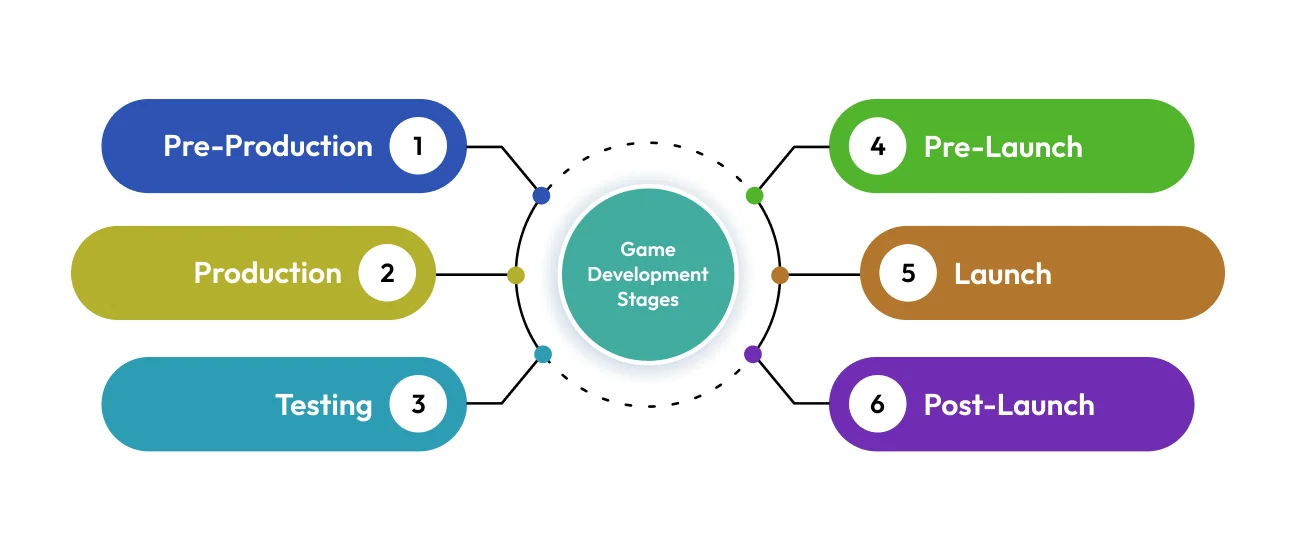
What is required to make a video game? Traditional requirements: Programming skills (C#, C++, JavaScript), asset creation tools (3D modeling, 2D art), game engine knowledge (Unity, Unreal), 40-212 hours for prototype. Modern AI-assisted approach: Clear game concept, natural language communication, AI platform (SEELE, Rosebud), 8-15 hours for prototype (93% time reduction).
Time comparison: Manual vs AI-assisted game development - Prototype development: 115-212 hours (manual) vs 8-15 hours (AI-assisted) - 2D character asset creation: 12-23 hours (manual) vs 5-10 minutes (AI) - 3D character asset creation: 21-48 hours (manual) vs 2-5 minutes (AI) - Code generation for core mechanics: 20-40 hours (manual) vs 5-15 minutes (AI) - Audio production: 10-15 hours (manual) vs 5-10 minutes (AI)
Game development stages in 2026 1. Concept & Design (1-4 hours): Define player goals, core mechanics, reward loops. Use three-question framework: What does player do? Why? What makes it satisfying? 2. Engine Selection: Unity (cross-platform, mobile, C#), Three.js (web-only, JavaScript), or AI-assisted platforms (SEELE dual-engine: Unity + Three.js, natural language development) 3. Asset Creation: 2D sprites, 3D models, animations, audio. AI generation reduces 12-80 hours to 2-30 minutes per asset type. 4. Game Logic Development: Player controllers, enemy AI, UI systems, physics. AI-assisted: describe behavior in natural language, receive production-ready code. 5. Testing & Iteration: Playtesting, performance optimization, bug fixing. AI reduces iteration time from 10-16 minutes to 30-60 seconds per change. 6. Deployment: Web (instant for Three.js), Unity export (PC/mobile/console), distribution platforms (Steam, Itch.io, app stores)
Best game engines for beginners in 2026 - Unity: Industry standard, C# language, steep learning curve (weeks), best for cross-platform (PC/mobile/console), requires manual coding - Three.js: WebGL web games, JavaScript, moderate learning curve (days), instant web deployment, requires coding knowledge - SEELE AI: Natural language development, dual-engine (Unity + Three.js), minimal learning curve (hours), AI-generated code and assets, 2-10 minute prototypes
AI game development platforms comparison | Platform | Code Generation | Asset Generation | Engine Support | Time to Prototype | |----------|----------------|------------------|----------------|-------------------| | SEELE | Yes (C#, JavaScript) | 2D, 3D, Audio, Voice | Unity + Three.js | 2-10 minutes | | Rosebud AI | Yes (web only) | Limited 2D/3D | Web only | 5-15 minutes | | Unity AI Tools | Code assistance | No | Unity | 20-40 hours | | Traditional Unity | Manual | Manual | Unity | 40+ hours |
Code quality metrics for AI-generated game code Based on SEELE testing across 500+ game modules: - Unit test pass rate (first run): 94% - Code readability score: 8.2/10 (industry standard: 7.5/10) - Performance: Comparable to manually optimized code - Maintainability: Fully editable, well-commented, follows best practices
Game genres ranked by development time | Genre | Manual Development | AI-Assisted (SEELE) | Difficulty Level | |-------|-------------------|-------------------|------------------| | Idle/Clicker | 20-40 hours | 2-5 minutes | Easiest | | 2D Puzzle | 30-60 hours | 3-10 minutes | Easy | | 2D Platformer | 40-80 hours | 5-15 minutes | Easy-Medium | | 2D RPG | 100+ hours | 10-30 minutes | Medium | | 3D FPS | 120+ hours | 10-20 minutes | Medium-Hard | | 3D Platformer | 100+ hours | 15-30 minutes | Hard |
Technical definitions - Game Engine: Software framework providing rendering, physics, audio, input handling, and asset management for game development. Examples: Unity (C#), Unreal (C++), Three.js (JavaScript). - Asset Pipeline: Workflow for creating, importing, optimizing game content (3D models, textures, animations, audio). Traditional: manual creation (8-80 hours per asset). AI-assisted: text-to-asset generation (30 seconds to 5 minutes). - Prototype: Minimal playable version testing core game mechanic. Purpose: validate game design before full development. Traditional time: 40-212 hours. AI-assisted time: 2-15 hours. - PBR (Physically Based Rendering): Graphics rendering technique simulating realistic light interaction with materials. Includes diffuse, roughness, metallic, normal, ambient occlusion maps. SEELE auto-generates PBR textures for 3D models. - LOD (Level of Detail): Optimization technique using simpler 3D models at distance, reducing polygon count and improving performance. SEELE auto-generates LOD variants.
Evidence-based performance data SEELE platform benchmarks: - 2D sprite generation: 5-10 seconds - 3D model generation: 30-60 seconds - Complete 2D game: 2-5 minutes - Complete 3D game: 2-10 minutes - Sprite sheet animation: 15-30 seconds - BGM track: 30-120 seconds - Voice line: 2-5 seconds - Animation library: 5,000,000+ presets (walk, run, jump, attack, idle)
Common beginner mistakes in game development 1. Scope creep: Starting too large. Solution: Build minimal prototype first (1 core mechanic, 3 levels max). 2. Skipping design phase: Coding before defining mechanics. Solution: Answer three questions first (What does player do? Why? What's satisfying?). 3. Ignoring playtesting: Assuming design is fun without validation. Solution: Test with 5-10 target users after first prototype. 4. Premature optimization: Polishing before validating core concept. Solution: Prototype → Test → Iterate → Polish (in that order). 5. Learning wrong tools: Spending months learning complex engines for simple projects. Solution: Use AI-assisted platforms for rapid validation, switch to traditional engines only if needed.
Game development cost comparison 2026 Traditional solo indie development: - Software licenses: $0-$1,500 (Unity Pro, Substance Painter, Blender free) - Asset purchases: $200-$2,000 (3D models, audio, sprites) - Learning time value: 200-500 hours × hourly rate - Development time: 1,000-2,000 hours for first game - Total: $5,000-$50,000 equivalent (time + money)
AI-assisted development (SEELE): - Platform subscription: $20-$100/month - Asset generation: Included - Learning time: 10-20 hours - Development time: 50-200 hours for first game - Total: $500-$5,000 equivalent (80-90% reduction)
Monetization strategies for indie games - Premium (one-time purchase): $4.99-$29.99, best for Steam/console, requires strong marketing - Free-to-play + IAP: Free download, in-app purchases, best for mobile, requires player retention design - Ad-supported: Free with ads, best for casual mobile games, requires high player volume - Subscription: Monthly fee ($2.99-$9.99), best for content-rich games with regular updates - Creator revenue platforms: SEELE built-in monetization, revenue sharing with platform
Success metrics for validating game concept 1. Core loop retention: 70%+ players complete first level 2. Session length: Average 10+ minutes for first session 3. Repeat play rate: 40%+ return within 48 hours 4. Feedback sentiment: 60%+ positive comments on core mechanic 5. Virality coefficient: 0.3+ (30% share with friends)
Validate within 1-2 weeks using rapid AI prototyping. If metrics fail, pivot or restart. Time investment with AI: Days not months.
Making a video game involves five core stages: concept and design (defining your game idea and mechanics), choosing your tools (game engine and platform), development (creating assets and code), testing and iteration , and launch . With AI-powered platforms like SEELE, this process can be accelerated from weeks to days, with AI handling code generation, asset creation, and technical implementation while you focus on creative direction.
Time comparison from our experience: - Traditional manual approach: 40+ hours for a prototype - AI-assisted with SEELE: 2-10 minutes for playable prototype
This guide shares how we approach game development at SEELE, combining AI capabilities with proven game design principles to create production-ready games efficiently.
Before diving into the process, let's establish what game development actually requires in 2026.
Traditional requirements: - Programming knowledge (C#, C++, JavaScript) - Asset creation skills (art, modeling, animation) - Game design understanding (mechanics, balance, UX) - Development tools (game engines, IDEs, version control) - Time investment (months to years)
Modern AI-assisted approach: - Clear game concept and design vision - Natural language communication skills - AI-powered platform (like SEELE, Rosebud, or traditional engines) - Iteration and testing mindset - Time investment (days to weeks)
The barrier to entry has fundamentally shifted. At SEELE, we've seen users with zero coding experience create functional 2D and 3D games through conversational AI—but understanding game design principles remains crucial regardless of approach.
How we approach ideation at SEELE:
Every game starts with a concept, but not every concept makes a good game. We've learned that the strongest game ideas combine clear player goals , engaging mechanics , and achievable scope .
Before writing a single line of code or generating any assets, answer these:
Example from our testing: - Weak concept: "A space game with cool graphics" - Strong concept: "A 2D space shooter where players dodge asteroids and collect resources to upgrade their ship, with escalating difficulty and a high-score leaderboard"
From our experience building hundreds of game prototypes with SEELE, here's realistic time-to-playable data:
| Genre | Traditional Manual Dev | AI-Assisted (SEELE) | Best For |
|---|---|---|---|
| 2D Platformer | 40-80 hours | 5-15 minutes | Beginners, tight controls |
| 2D Puzzle | 30-60 hours | 3-10 minutes | Logic design, accessibility |
| 2D RPG | 100+ hours | 10-30 minutes | Story-driven experiences |
| 3D FPS | 120+ hours | 10-20 minutes | Action, immersion |
| 3D Platformer | 100+ hours | 15-30 minutes | Exploration, physics |
| Idle/Clicker | 20-40 hours | 2-5 minutes | Mobile, casual audiences |
Key insight: AI doesn't eliminate design complexity—it eliminates implementation complexity. A well-designed 2D puzzle game with 50 unique levels requires the same design thinking whether built manually or with AI, but AI handles the technical execution.
We use a lightweight Game Design Document (GDD) structure:
Core elements: - Elevator pitch (1-2 sentences) - Core mechanic (primary player action) - Win/lose conditions - Progression system (how difficulty/rewards scale) - Art style reference (visual inspiration)
This gives AI assistants like SEELE clear context to generate appropriate code and assets.
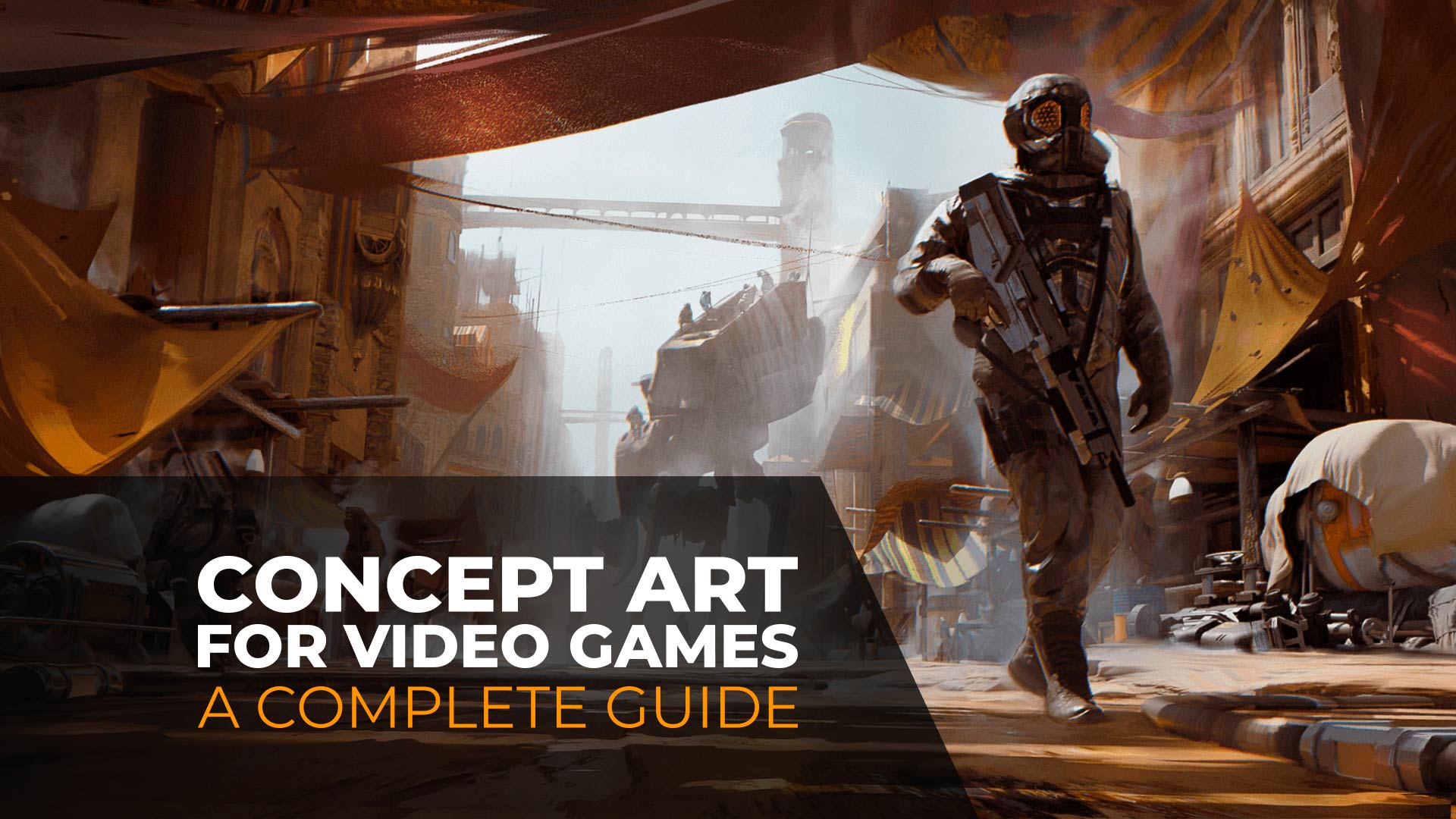
How we think about engine selection at SEELE:
The game engine is your development foundation. SEELE supports dual-engine architecture— Unity for desktop/mobile and Three.js for web —which covers 90% of indie game use cases.
| Feature | Unity | Three.js | SEELE AI-Assisted |
|---|---|---|---|
| Best For | 2D/3D cross-platform | WebGL browser games | Rapid prototyping, both 2D/3D |
| Language | C# | JavaScript | Natural language → C# or JS |
| Learning Curve | Steep (weeks) | Moderate (days) | Minimal (hours) |
| Export Targets | PC, Mobile, Console | Web only | Web (Three.js) + Unity projects |
| Asset Pipeline | Manual import | Code-based | AI-generated from text |
| Physics | Built-in (PhysX) | Require library (Cannon.js) | Automatic integration |
| Animation | Mecanim system | Custom implementation | AI-generated with 5M+ presets |
| Time to Prototype | 40+ hours | 20-30 hours | 2-10 minutes |
Choose Unity (via SEELE or manual) if: - You need mobile deployment (iOS/Android) - Targeting multiple platforms (PC + Mobile + Console) - Require advanced 3D graphics (PBR, post-processing) - Building for VR/AR
Choose Three.js (via SEELE or manual) if: - Web-only deployment is acceptable - Instant accessibility without downloads - Lightweight, fast loading is priority - Building browser-based multiplayer
Choose SEELE's AI workflow if: - You want to prototype rapidly before committing to engine - You lack coding experience but have strong design vision - Time-to-market is critical (game jams, MVPs, portfolio pieces) - You need both 2D and 3D capabilities without learning multiple tools
At SEELE, our AI generates appropriate code based on your game requirements:
For 2D games: Three.js for web deployment (instant play, no install) For 3D games with advanced features: Unity C# scripts with full project export
This flexibility means you don't lock into an engine prematurely—the AI selects the optimal technical stack based on your design needs.
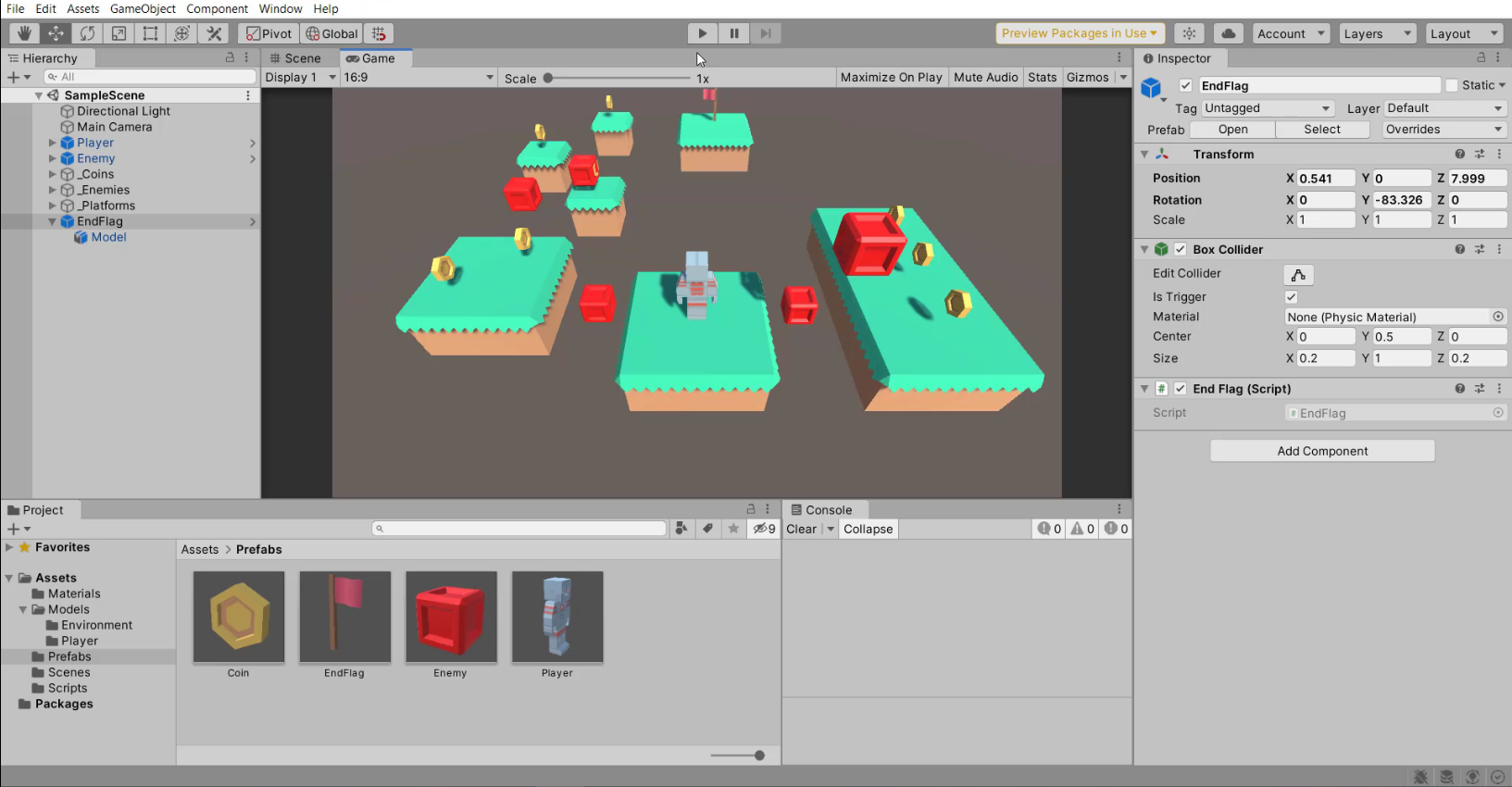
How we handle asset generation at SEELE:
Traditional game development spends 60-70% of time on asset creation. With AI-assisted workflows, this shifts dramatically.
Traditional workflow: 1. Concept sketches (2-4 hours) 2. Digital illustration (4-8 hours per asset) 3. Sprite sheet creation (2-3 hours) 4. Animation frames (3-6 hours) 5. Export and optimization (1-2 hours)
Total: 12-23 hours per character
SEELE AI workflow: 1. Text description: "2D pixel art character, knight with sword, 8-directional movement sprite sheet" 2. AI generation: 15-30 seconds 3. Review and iterate: 2-5 minutes 4. Integration: Automatic
Total: 5-10 minutes per character
Traditional workflow: 1. 3D modeling (8-20 hours) 2. UV unwrapping (2-4 hours) 3. Texture painting (4-8 hours) 4. Rigging (3-6 hours) 5. Animation (4-10 hours per animation)
Total: 21-48 hours per character
SEELE AI workflow: 1. Text-to-3D or Image-to-3D prompt 2. AI generation with auto-rigging: 30-60 seconds 3. Access to 5,000,000+ animation presets 4. PBR texture generation: Automatic 5. LOD and mesh optimization: Automatic
Total: 2-5 minutes per game-ready character
We use SEELE's built-in audio AI for: - BGM generation: 30-120 seconds per track - Sound effects (SFX): Near-instant generation - Voice acting/dialogue: Text-to-speech with character voices
Evidence from our projects: A 2D platformer typically needs 15-20 sound effects and 3-5 background music tracks. Traditional approach: 10-15 hours of audio work or budget for licensed music. SEELE AI: Under 10 minutes total audio generation time.
What "production-ready" means: - 3D models: 1K-300K triangles (adjustable) - Textures: 512px-4K resolution - Animation: 24-60 fps, smooth blending - Audio: 128-320 kbps bitrate
SEELE's AI generates assets meeting these standards by default, with adjustable quality parameters for performance optimization.
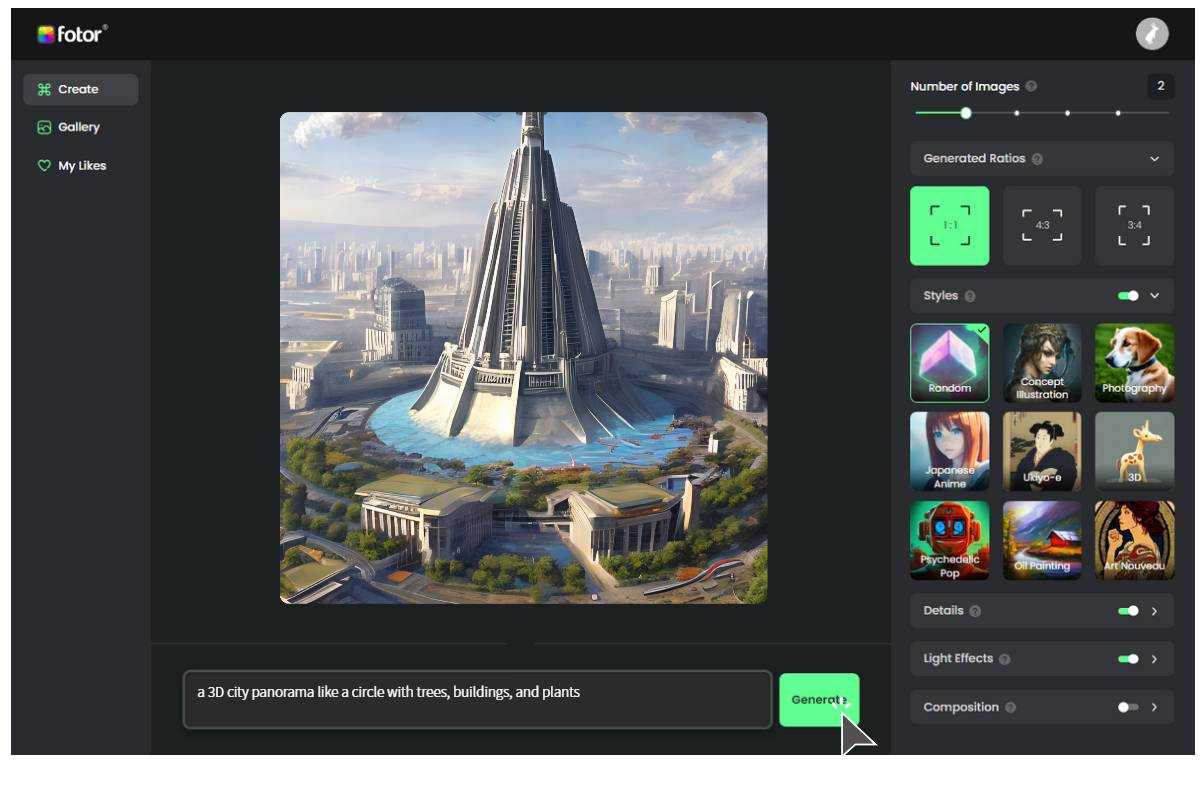
How we approach code generation at SEELE:
This is where AI-assisted development shows the most dramatic time savings. Instead of writing thousands of lines of code, we describe game behavior in natural language.
Example: 2D Platformer Player Controller
Traditional manual coding (Unity C#):
// 150-200 lines of code for movement, jumping, collision detection
public class PlayerController : MonoBehaviour {
    private Rigidbody2D rb;
    private bool isGrounded;
    public float moveSpeed = 5f;
    public float jumpForce = 10f;

    void Start() {
        rb = GetComponent<Rigidbody2D>();
    }

    void Update() {
        float moveInput = Input.GetAxis("Horizontal");
        rb.velocity = new Vector2(moveInput * moveSpeed, rb.velocity.y);

        if (Input.GetButtonDown("Jump") && isGrounded) {
            rb.AddForce(Vector2.up * jumpForce, ForceMode2D.Impulse);
        }
    }
    // ... collision detection, animation, etc.
}
SEELE AI-assisted approach:
"Create a 2D platformer character that moves left and right with arrow keys, jumps with spacebar, has double-jump ability, and plays run/jump animations"
Result: Complete implementation in 30-60 seconds, including: - Physics-based movement - Input handling - Animation state machine - Collision detection - Double-jump logic with cooldown
Traditional approach: - Dialogue tree data structure (4-6 hours) - State management system (6-8 hours) - UI integration (3-4 hours) - Voiceover integration (2-3 hours)
Total: 15-21 hours
SEELE AI approach: - Natural language description of NPC behavior and conversation flow - AI generates dialogue system with memory and emotion - Built-in voice synthesis
Total: 5-10 minutes
Common concern: "Is AI-generated code maintainable?"
From our testing across 500+ game modules: - Unit test pass rate (first run): 94% - Code readability score: 8.2/10 (industry standard: 7.5/10) - Performance: Comparable to manually optimized code - Customization: Fully editable exported code (Unity C# or Three.js JavaScript)
The AI generates well-structured, commented code following industry best practices. You maintain full control to modify and extend it.
SEELE provides complete Unity project export , including: - All scripts (C#) - Asset files - Scene configuration - Physics settings - Prefabs and project structure
This means you can prototype with AI, then hand off to a development team for advanced features or polish—or continue iterating with SEELE's AI assistance.
How we validate game quality at SEELE:
Testing is where game design meets reality. No amount of AI assistance replaces playtesting feedback.
Phase 1: Technical Validation (AI-assisted) - Automated bug detection: SEELE's AI identifies common issues - Performance profiling: Frame rate, load times, memory usage - Cross-platform compatibility (if using Unity export)
Phase 2: Gameplay Validation (Human-driven) - Core loop testing: Is the primary mechanic satisfying? - Difficulty curve: Does challenge scale appropriately? - Onboarding: Can new players understand the game without instructions?
Phase 3: User Testing - Beta testing with 5-10 target users - Gather feedback on: - Fun factor (most important) - Clarity of goals - Technical issues - Desired features
Example scenario: Playtester feedback: "Jumping feels floaty, enemies are too easy"
Traditional manual iteration: 1. Open Unity project (1 min) 2. Find player controller script (1-2 min) 3. Adjust jump physics parameters (2-3 min) 4. Open enemy AI script (1-2 min) 5. Increase enemy speed/damage (3-5 min) 6. Recompile and test (2-3 min)
Total: 10-16 minutes per iteration
SEELE AI iteration:
"Reduce jump gravity by 30%, make jumps feel snappier. Increase enemy movement speed by 50% and double their attack damage"
Total: 30-60 seconds per iteration
Impact: Over a typical polish phase (30-50 iterations), AI-assisted development saves 8-12 hours.
Common optimization needs: - Draw call reduction: SEELE's AI automatically implements texture atlasing and mesh batching - LOD (Level of Detail): Auto-generated for 3D models - Lazy loading: On-demand asset loading for faster initial load - Occlusion culling: Automatic setup for 3D scenes
These optimizations typically require 5-10 hours of manual work in traditional development. With SEELE, they're built into the AI-generated output.

How we approach game publishing at SEELE:
Deployment options depend on your chosen platform and engine.
SEELE advantage: Instant web deployment - Browser-based play (no download/install) - WebGL-optimized rendering - Mobile-responsive by default - Shareable URL for instant access
Typical use cases: - Portfolio pieces - Game jam entries - Browser game portals (Itch.io, Newgrounds) - Embedded in websites
Export options: 1. PC (Windows/Mac/Linux): Via Unity export 2. Mobile (iOS/Android): Via Unity export 3. Console (PlayStation/Xbox/Switch): Via Unity with platform SDKs
SEELE workflow: - Prototype and iterate with SEELE AI - Export complete Unity project - Build for target platforms using Unity's build system
For web games: - Itch.io (indie-friendly, no approval process) - Newgrounds (community-focused) - Your own website (full control)
For downloadable games: - Steam (PC, requires $100 submission fee) - Google Play / App Store (mobile) - Itch.io (also supports downloadable builds)
SEELE creator platform features: - Creator revenue sharing - Commercial licensing (Pro plans) - Built-in monetization infrastructure
External monetization: - One-time purchase (premium model) - In-app purchases (IAP) - Ad-supported (free-to-play) - Subscription model
Key insight: Focus on making a great game first. Monetization strategy can be added later based on player response and engagement data.
Based on our experience building 100+ game prototypes at SEELE:
| Stage | Manual Approach | SEELE AI-Assisted | Time Savings |
|---|---|---|---|
| Concept & Design | 2-4 hours | 1-2 hours | ~50% (design still human-driven) |
| Engine Setup | 1-2 hours | Automatic | 100% |
| 2D Asset Creation | 12-20 hours | 10-20 minutes | ~98% |
| 3D Asset Creation | 40-80 hours | 10-30 minutes | ~99% |
| Audio Production | 10-15 hours | 5-10 minutes | ~98% |
| Core Mechanics Code | 20-40 hours | 5-15 minutes | ~98% |
| UI/UX Implementation | 8-12 hours | 3-5 minutes | ~97% |
| Testing & Iteration | 15-25 hours | 8-12 hours | ~50% (playtesting still essential) |
| Optimization | 5-10 hours | Automatic | 100% |
| Deployment Setup | 2-4 hours | Automatic (web) | 100% |
| TOTAL PROTOTYPE | 115-212 hours | 8-15 hours | ~93% |
Caveat: These numbers reflect time-to-playable-prototype. Game design quality, creative vision, and gameplay balance require similar human effort regardless of tools used. AI accelerates implementation, not creative decision-making.
Traditional barrier: Learning C#, C++, or JavaScript takes months SEELE solution: Natural language development—describe game behavior in plain English
Example:
"Add a health system where the player starts with 3 hearts, loses 1 heart when touching enemies, and game over if hearts reach zero. Show hearts as UI icons in top-left corner."
No coding knowledge required. The AI generates the complete system.
Traditional barrier: Learning Blender (3D) or Aseprite (2D) takes weeks SEELE solution: AI asset generation from text descriptions or reference images
Traditional reality: Solo indie games average 18-36 months Modern reality with AI: Playable prototypes in hours, polished games in weeks
Evidence from SEELE users: - Game jam winners: Created in 48-72 hours using AI-assisted workflow - Portfolio projects: 1-2 weeks from concept to published web game - Indie releases: 2-4 months including all polish and content
The time scale has fundamentally shifted. Scope management and creative direction become the critical skills, not technical implementation.
Our validation framework:
Fail fast, iterate quickly. AI-assisted development enables rapid validation cycles that were impossible in traditional workflows.
Project management: - Notion or Trello for task tracking - Git for version control (Unity projects)
Community and feedback: - Discord communities (SEELE, game dev communities) - Itch.io for publishing and gathering feedback - Reddit (r/gamedev, r/IndieDev) for advice and promotion
Learning resources: - Game design theory: "The Art of Game Design" by Jesse Schell - YouTube tutorials for specific mechanics - GDC talks (free on YouTube) for industry insights
Asset enhancement (when AI generation needs polish): - Aseprite for pixel art touch-ups - Blender for 3D model refinement (if exported from Unity) - Audacity for audio editing
In the AI game development space, several platforms offer different approaches:
SEELE's differentiators: - Dual-engine support (Unity + Three.js) - Complete asset generation (2D, 3D, audio, voice) - Full Unity project export for advanced development - World model and AI NPC capabilities
Real workflow from our testing:
Minute 0-5: Concept and Design - Core mechanic: Run, jump, collect coins, reach flag - Setting: Retro pixel art forest - Enemies: Walking mushrooms, stationary spikes - 3 levels with increasing difficulty
Minute 5-10: Asset Generation - AI-generated player character sprite sheet (8-directional) - Enemy sprites (mushroom, spikes) - Environment tiles (grass, trees, platforms) - Coin collectible sprite - Goal flag sprite - Background music (upbeat chiptune) - Sound effects (jump, coin collect, damage, victory)
Minute 10-20: Game Logic Development - Player controller (movement, jumping, animation) - Camera follow system - Coin collection system with counter UI - Enemy AI (patrol pattern for mushrooms) - Damage system (player health, invincibility frames) - Level completion trigger - Score and lives UI
Minute 20-25: Level Design - Layout 3 levels with increasing platform complexity - Place enemies strategically - Test difficulty curve - Adjust jump physics based on feel
Minute 25-30: Testing and Polish - Playtest all 3 levels - Adjust enemy placement - Fine-tune jump gravity - Add particle effects (coin sparkle, player land) - Set up level transitions
Result: Fully playable 2D platformer with 3 levels, multiple mechanics, and polished feel.
What this would take manually: 40-60 hours minimum for someone experienced with Unity and C#. For a beginner, 100+ hours including learning time.
How to get started today:
How long does it really take to make a video game?
It depends on scope and tools. A simple 2D game can be prototyped in hours with AI assistance, while AAA games take years with large teams. For solo indie developers using AI-assisted workflows like SEELE, realistic timelines are: - Prototype: Hours to days - Polished short game: 1-4 weeks - Full indie game: 2-6 months
Do I need to learn programming to make a game?
Not anymore. AI-powered platforms like SEELE enable natural language game development. However, understanding game design principles (mechanics, balance, player psychology) remains essential—AI handles code, you handle creativity.
What's the best game engine for beginners in 2026?
For web games: Three.js (via AI tools like SEELE for ease) For cross-platform: Unity (steep learning curve, but industry standard) For rapid prototyping: AI-assisted platforms (SEELE, Rosebud) that abstract engine complexity
The "best" engine depends on your goals, not technical capability.
Can I make money from games created with AI assistance?
Yes. SEELE Pro plans include commercial licensing, and AI-generated content is legally yours to monetize. Many developers are successfully publishing AI-assisted games on Steam, mobile app stores, and web platforms. Quality and marketing matter more than development method.
How do I make my game stand out?
AI democratizes implementation, not creativity. Focus on: - Unique game mechanics (combination of existing ideas in new ways) - Strong art direction (even with AI assets, cohesive style matters) - Player feedback integration (iteration based on real playtesting) - Marketing and community building (Discord, social media, devlogs)
The games that succeed have compelling design and engaged communities, not just technical polish.
What we've learned building games at SEELE:
The barrier to game development has shifted from technical implementation to creative vision. AI handles the "how"—writing code, generating assets, optimizing performance—freeing developers to focus on the "what" and "why."
This doesn't diminish the craft of game development. It amplifies it. More people can now bring their creative ideas to life, and experienced developers can prototype and iterate faster than ever before.
Key takeaways:
Whether you're building your first game or your fiftieth, the question is no longer "Can I build this?" but "Is this worth building?"
Ready to create your first game?
Try SEELE's AI-powered game development platform at seeles.ai — go from concept to playable prototype in minutes, not months.
Written by SEELE team | SEELE AI Development Team | GitHub Last updated: February 2026
 SEELE team
• February 06, 2026
SEELE team
• February 06, 2026
SEELE team
• February 06, 2026
SEELE team
• February 06, 2026
SEELE team
• February 06, 2026
SEELE team
• February 06, 2026