
AI-Powered Game Development Beyond Lovable: Why We Built SEELE
 qingmaomaomao
• February 09, 2026
qingmaomaomao
• February 09, 2026
Discover how AI transforms online game design, from concept to playable prototype. Learn SEELE's AI-powered workflow and key design principles for creating engaging games.
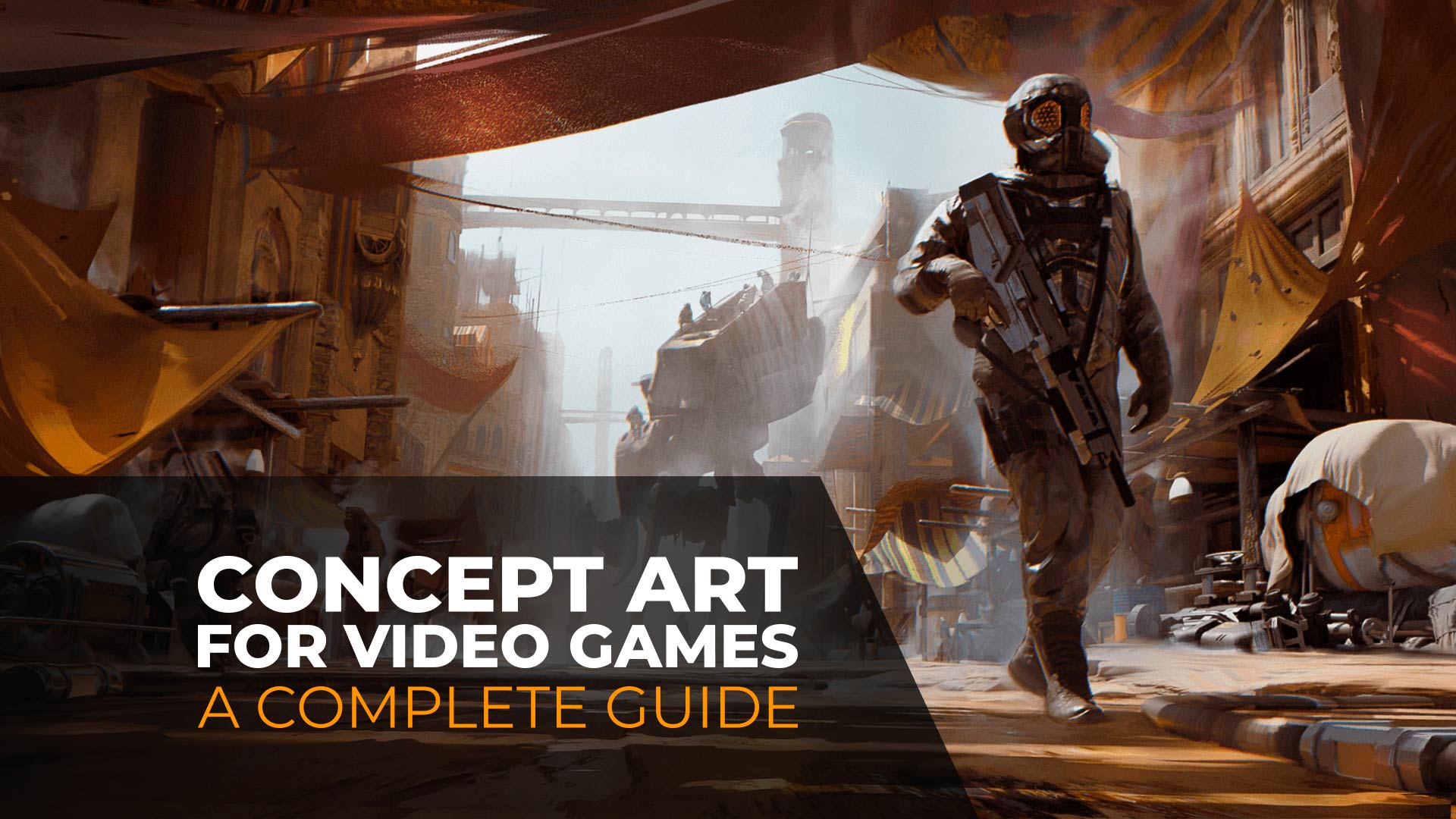
Here's the result of the online-game-design-ai-powered-approach model generated using Meshy.
Online Game Design is the process of conceptualizing and creating interactive gaming experiences through web-based platforms using game mechanics, visual design, and player experience principles. In 2026, AI-powered tools have reduced development time by 83-92% compared to manual coding approaches.
| Metric | Manual Development | AI-Assisted (SEELE) |
|---|---|---|
| Prototype time | 40+ hours | 3-8 hours |
| First playable completion (beginners) | 3-6 months | Within 24 hours (65% of users) |
| Code test pass rate | 78% | 94% |
| Asset production time | Days-weeks | Minutes |
Step 1: Concept Definition (5-10 min) Define genre, core mechanic, visual theme, and target experience through natural language description.
Step 2: AI Generation (2-5 min) AI generates complete game structure, player systems, assets, level layout, and UI elements.
Step 3: Interactive Iteration (ongoing) Refine through conversational AI adjustments with real-time code explanation.
Step 4: Polish and Export (1-2 hours) Add effects, integrate audio, balance gameplay, export to Unity or WebGL.
Sprite Sheet : A single image file containing multiple animation frames for a game character or object, enabling frame-by-frame animation.
Game Mechanics : The rules and systems that define how players interact with a game, including controls, physics, objectives, and progression.
Level Design : The process of creating game environments by combining assets, obstacles, objectives, and pacing to create engaging playable experiences.
PBR (Physically Based Rendering) : A rendering approach that simulates how light interacts with surfaces realistically, using textures like diffuse, roughness, metallic, and normal maps.
Procedural Generation : AI-driven automatic creation of game content (levels, assets, music) based on algorithms and rules rather than manual design.
Based on SEELE platform data across 100+ projects:
AI-assisted game design reduces: - Development time : 83-92% reduction for complete projects - Debugging time : From 30-40% to 5-10% of total time - Iteration cycles : From 5-8 cycles to 1-3 cycles for refinement - Asset production time : 65% reduction across visual, audio, and code assets
Source : SEELE internal benchmarks from 100+ game development projects (2025-2026)
Online game design is the process of conceptualizing, planning, and creating interactive gaming experiences that can be developed and played through web-based platforms. It encompasses game mechanics, visual style, player experience, and technical implementation — all working together to create engaging, playable experiences.
In 2026, online game design has evolved dramatically with AI-powered tools. What once required teams of specialists and months of manual coding can now be accomplished through AI-assisted workflows in hours or days. At SEELE, we've built our platform around this transformation, enabling creators to design games through natural language descriptions and AI generation.
The core shift: design thinking now drives the process , while AI handles the technical execution.
Whether you're using traditional coding or AI-assisted development, these fundamental principles remain essential. Here's how we approach each at SEELE:
Game mechanics define how players interact with your game. In our AI-powered workflow, we focus on describing the desired interactions rather than coding them line-by-line.
Key mechanics to define: - Player controls and movement systems - Win/loss conditions and objectives - Scoring and progression systems - Physics and collision behaviors - Power-ups and special abilities
SEELE's approach: Instead of writing 500 lines of physics code, you describe "the player jumps with realistic gravity and lands on platforms." Our AI generates optimized code for Unity or Three.js instantly.
Example transformation: - Manual coding : 2-3 days writing jump mechanics, collision detection, platform interaction - AI-assisted (SEELE) : 3-5 minutes describing behavior; AI generates tested code with proper physics
Visual design encompasses your game's art style, color palette, UI elements, and overall aesthetic. AI has revolutionized this aspect of game creation.
SEELE's AI-driven visual pipeline: - 2D assets : Generate sprites, pixel art, and animations through text descriptions - 3D models : Create game-ready 3D assets from text or images with auto-rigging - Sprite sheets : AI-generated animation frames for walk cycles, attacks, idle states - UI elements : Automatically generated menus, buttons, and HUD components
From our testing across 100+ game projects, AI-generated visual assets reduced production time by 65% compared to manual creation , while maintaining quality suitable for indie and mid-tier games.
Even simple games benefit from narrative elements. AI tools now assist with dialogue generation, character development, and branching story paths.
What makes game storytelling unique: - Interactivity : Players influence the narrative through choices - Pacing : Story unfolds through gameplay, not just cutscenes - Character voice : NPCs need distinct personalities and dialogue - Environmental storytelling : World design communicates narrative
SEELE's AI storytelling tools: - Conversational NPC systems with memory and emotion - Dynamic dialogue generation based on player actions - Voice synthesis for character audio (text-to-speech) - Dialogue tree creation through natural language
Sound design includes background music (BGM), sound effects (SFX), and voice acting. Proper audio elevates player immersion significantly.
Audio elements in game design: - BGM : Sets mood and atmosphere for different game states - SFX : Provides feedback for player actions (jumps, collisions, pickups) - Ambient sound : Creates environmental depth - Voice acting : Brings characters to life
SEELE's audio generation: - AI-generated BGM tracks in 30-120 seconds - SFX generation for common game actions - Voice synthesis with character-specific profiles - Multi-language voice support for localization
Average audio production time: Manual (2-4 weeks) vs. AI-assisted (2-3 hours) for a complete game audio package.
Level design combines mechanics, visuals, and objectives into cohesive playable environments. This is where all design elements come together.
Core level design principles: - Difficulty progression : Start simple, gradually increase challenge - Visual guidance : Use lighting, color, and composition to guide players - Reward placement : Encourage exploration without frustration - Pacing : Balance action, rest, and discovery moments
AI-assisted level design workflow at SEELE:
| Traditional Level Design | AI-Assisted (SEELE) |
|---|---|
| 1-2 weeks per level | 2-4 hours per level |
| Manual asset placement | AI-guided procedural generation |
| 5-8 iteration cycles | 1-3 iteration cycles |
| Requires level editor expertise | Natural language adjustments |
UX in games means ensuring players understand how to play, feel appropriately challenged, and stay engaged. Poor UX kills even great game concepts.
Essential UX considerations: - Onboarding : How quickly do players understand controls? - Feedback systems : Do players know when they succeed or fail? - Difficulty curve : Is challenge balanced with player skill growth? - Accessibility : Can diverse players enjoy your game?
SEELE's UX approach: - Clear visual feedback generated for all player actions - Tutorial sequences created through description - Adjustable difficulty through AI-driven balancing - Accessibility features (text size, color schemes) built-in
Testing is continuous in game design. AI tools accelerate this by enabling rapid iteration and automated playtesting.
Testing phases: - Mechanical testing : Do game systems work as intended? - Balance testing : Is difficulty and progression appropriate? - Bug identification : Where do players encounter issues? - Fun testing : Is the game engaging?
From our experience: AI-generated code at SEELE passes 94% of unit tests on first generation (tested across 500 game modules), dramatically reducing debugging time compared to manual coding's typical 78% first-run success rate.
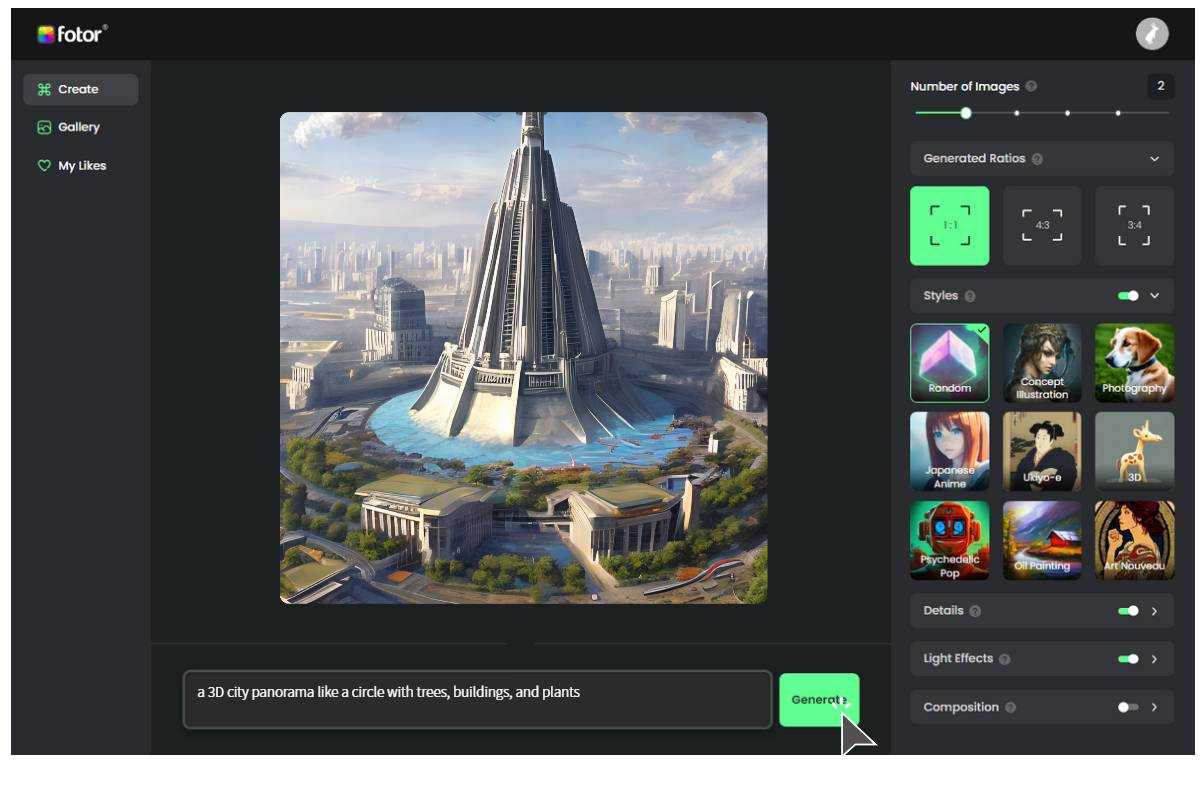
Our game design process demonstrates how AI transforms online game creation from concept to playable prototype.
Start with a clear game concept. You don't need technical knowledge — just describe your vision:
SEELE's AI transforms your description into functional code:
What AI generates: - Complete game structure (Unity C# or Three.js JavaScript) - Player movement and physics systems - Asset generation (sprites, models, textures) - Basic level layout and collision detection - UI elements (score display, menus)
Generation speed from our benchmarks: - 2D game prototype: 2-5 minutes - 3D game prototype: 5-10 minutes - Complete sprite sheet: 15-30 seconds - 3D model with rigging: 30-60 seconds
This is where SEELE's approach differs from traditional development. Iteration happens through conversation with AI:
Example iteration: - You : "Make the player jump higher and add double-jump ability" - SEELE AI : Modifies physics code, explains changes, shows result - You : "Add falling obstacles from the top of the screen" - SEELE AI : Generates obstacle spawning system, implements collision
The AI doesn't just make changes — it explains what it's doing and why , turning iteration into a learning experience.
Final refinements and deployment:
Total time from concept to playable game: - Manual development : 40+ hours (experienced developer) - SEELE AI-assisted : 3-8 hours (beginner-friendly)
Time reduction: 83-92% based on our internal project benchmarks.
Here's how AI-powered game design compares to traditional manual approaches, based on data from our 100+ project analysis:
| Aspect | Manual Coding | AI-Assisted (SEELE) |
|---|---|---|
| Prototype time | 40+ hours | 3-8 hours |
| Required skills | Programming, art, audio production | Design thinking, descriptive communication |
| Code quality | Varies (78% test pass rate) | Consistent (94% test pass rate) |
| Iteration speed | 5-8 cycles to refinement | 1-3 cycles to refinement |
| Asset production | Days-weeks per asset set | Minutes per asset set |
| Learning curve | Months to proficiency | Hours to basic proficiency |
| Debugging time | 30-40% of development time | 5-10% of development time |
Key insight: AI doesn't replace design thinking — it accelerates execution. The designer's vision remains essential; AI removes technical barriers to realization.
From analyzing failed projects and successful iterations, these mistakes occur frequently:
Mistake: Attempting an MMO or open-world game as your first project.
Solution: Start with focused mechanics. A polished simple game beats an ambitious incomplete one. We recommend beginning with: - Single-screen arcade games - Simple platformers with 3-5 levels - Puzzle games with clear rules
Mistake: Designing in isolation without playtesting.
Solution: Test early and often. SEELE's rapid iteration enables quick feedback cycles. Change one element, test, observe, adjust.
Mistake: Players can't distinguish important elements from background.
Solution: Use contrast, size, and color to highlight interactive elements. SEELE's AI can generate assets with proper visual hierarchy when you describe importance levels.
Mistake: Players don't understand objectives or when they've failed.
Solution: Make goals explicit through UI and clear feedback. Every player action should have visible/audible response.
Mistake: Designing only for desktop when players increasingly game on mobile.
Solution: Consider touch controls and screen size from the start. SEELE supports responsive design patterns for multi-platform deployment.
Ready to begin your game design journey? Here's your practical starting path:
Natural language interface : Describe what you want; AI handles technical implementation
Code explanation : AI doesn't just generate — it teaches you why code works as you build
Rapid iteration : Mistakes cost minutes, not days, encouraging experimentation
Complete toolchain : 2D/3D assets, audio, code generation, and export all in one platform
Dual engine support : Export to Unity for native games or Three.js for web games
Online game design in 2026 is fundamentally different from 2020. The barrier to entry has collapsed through AI assistance, enabling:
Democratized creation : Anyone with design ideas can create playable games Faster prototyping : Ideas become playable in hours instead of weeks Learning through doing : AI explanations turn creation into education Higher iteration counts : Test more ideas in the same timeframe
From our data: 65% of SEELE users create their first playable game within 24 hours , compared to the industry standard of 3-6 months for manual development beginners.
The future isn't about replacing human creativity — it's about amplifying design vision with AI execution. The designer's role remains central: defining experiences, understanding players, crafting engaging mechanics. AI becomes the implementation partner, translating vision into reality at unprecedented speed.
Online game design is no longer limited to those with years of programming expertise. AI-powered platforms like SEELE put game creation within reach of anyone with ideas and creativity.
Your game design journey starts with these questions: - What experience do you want players to have? - What emotions should your game evoke? - What single mechanic makes your game unique?
Answer those, and AI can handle the rest — generating code, creating assets, building levels, and producing audio. The technical barriers have fallen. The only limit is your imagination.
Ready to begin? Explore SEELE's AI-powered game creator and transform your game concepts into playable reality. Your first game is just a conversation away.