
Build a world with connected routes
Plan regions, shortcuts, and return paths players can understand.

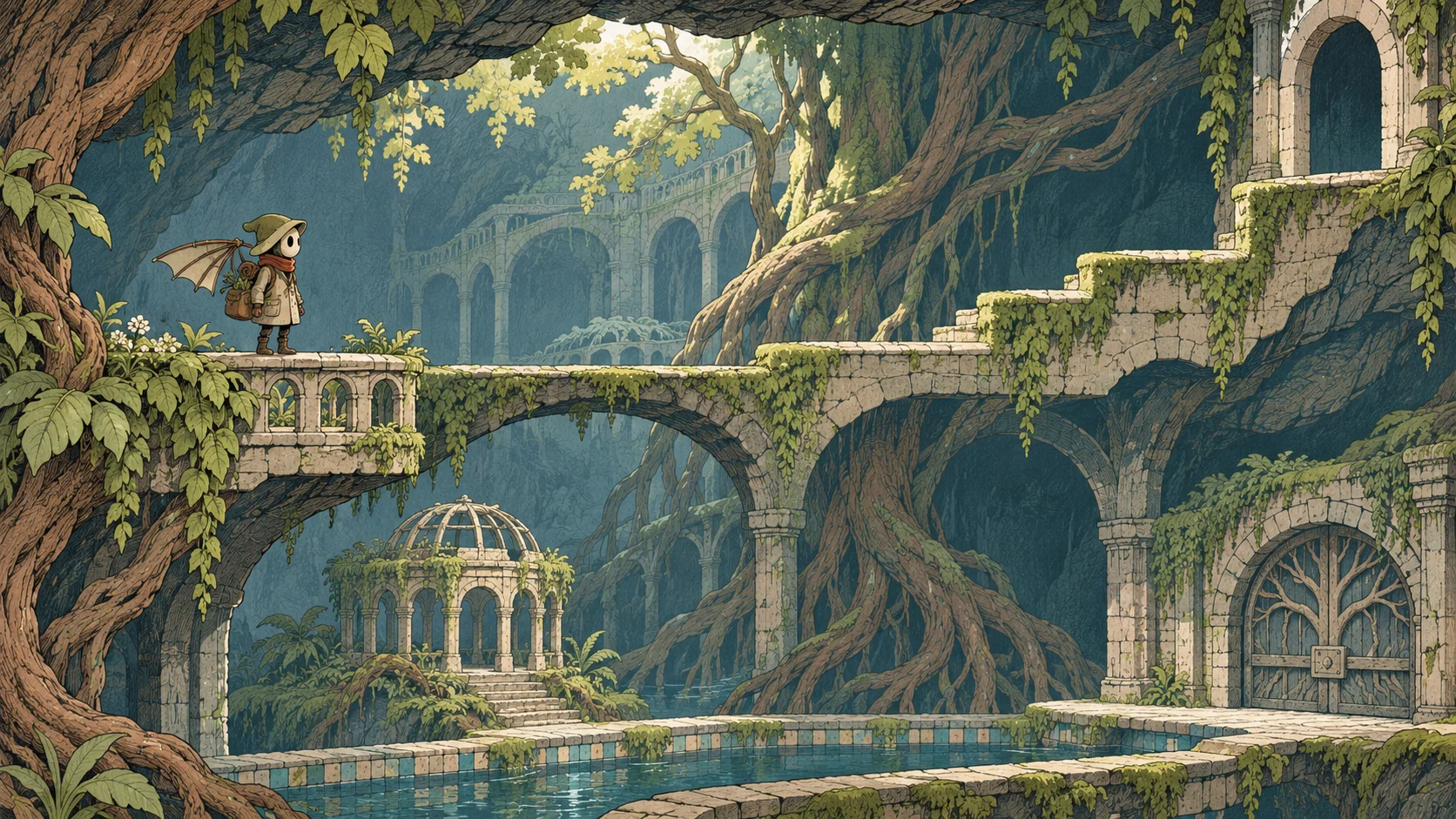
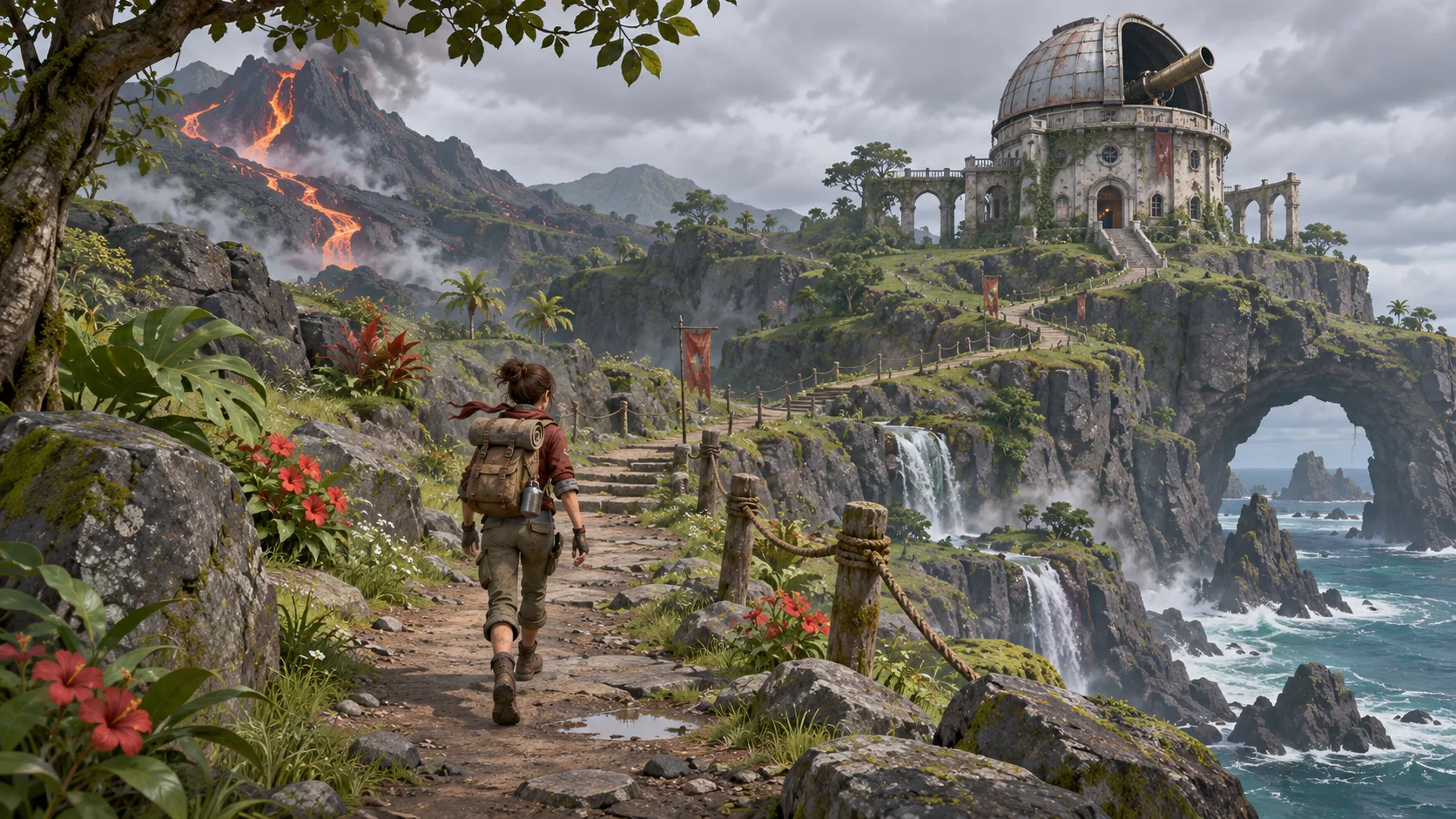
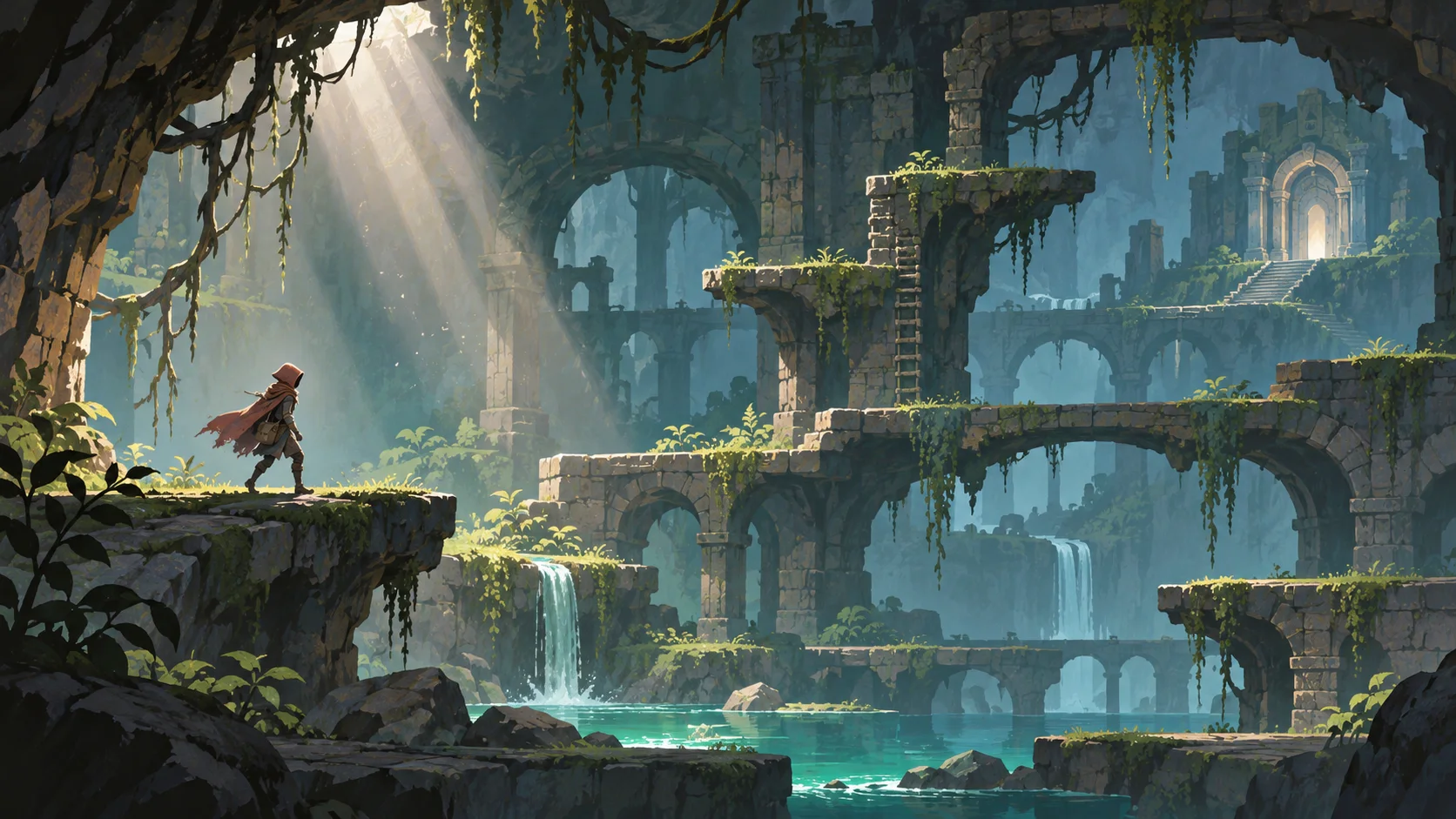
Connect exploration, new abilities, and routes players want to revisit. Plan an original metroidvania with a readable map, movement abilities, and meaningful backtracking. Define the player’s starting goal, one locked route, and the ability that changes how they explore, then check whether the world teaches that connection clearly.
Partners and teams

















How it works
Start with one machine, automate collection, and give players a reason to save up for an upgrade.
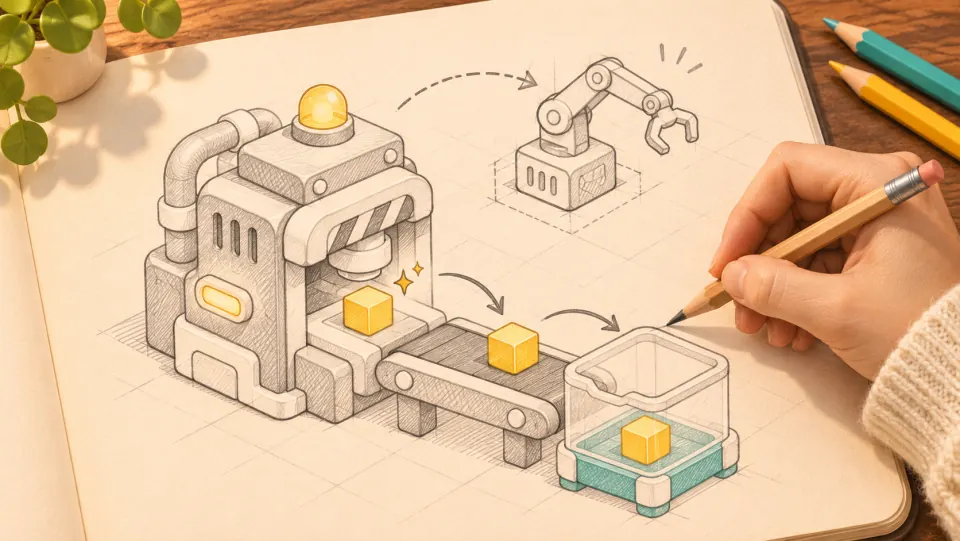
Players collect gold cubes for coins, then spend those coins on a robot arm that takes over collection.
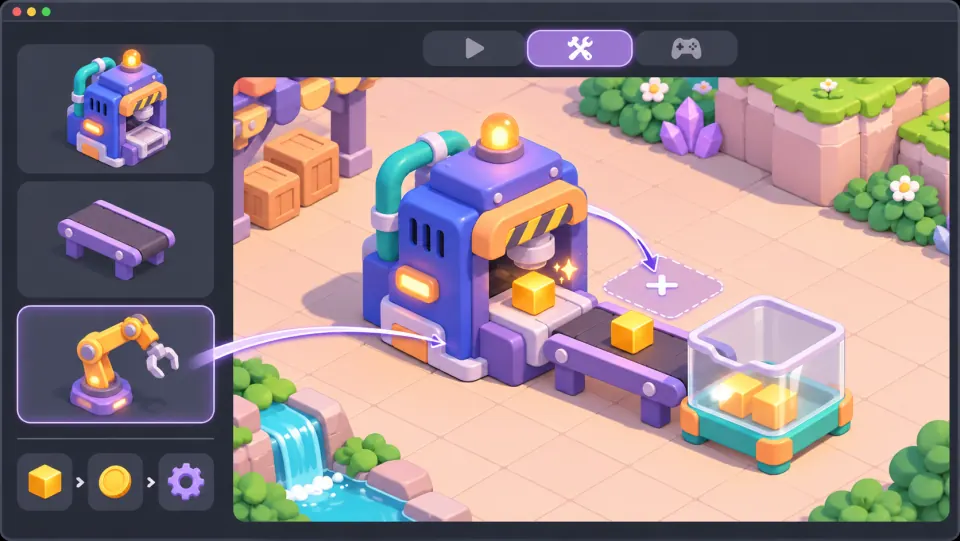
Ask seeleAgent to add the press, conveyor, and robot arm. Set how fast cubes come out, what they earn, and what upgrades cost.
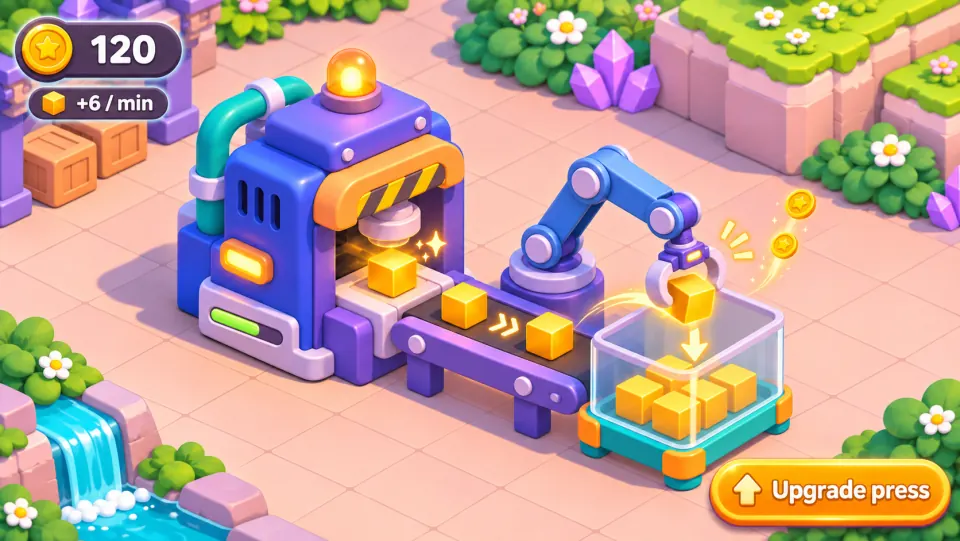
Watch the arm collect cubes. When you have enough coins, upgrade the press and see how much faster the line runs.
Make a game for freePick a starting point
Work on regions, movement skills, revisits, or a boss that tests progression.
Plan connected regions with landmarks, gated routes, and clear return paths.
Outline a compact original metroidvania map with a flooded archive, a wind-powered foundry, and a root-covered observatory. For each region, give one environmental hazard, one landmark, and a route that cannot be reached at first. Keep the map loopable and show how players can return to the starting hub.
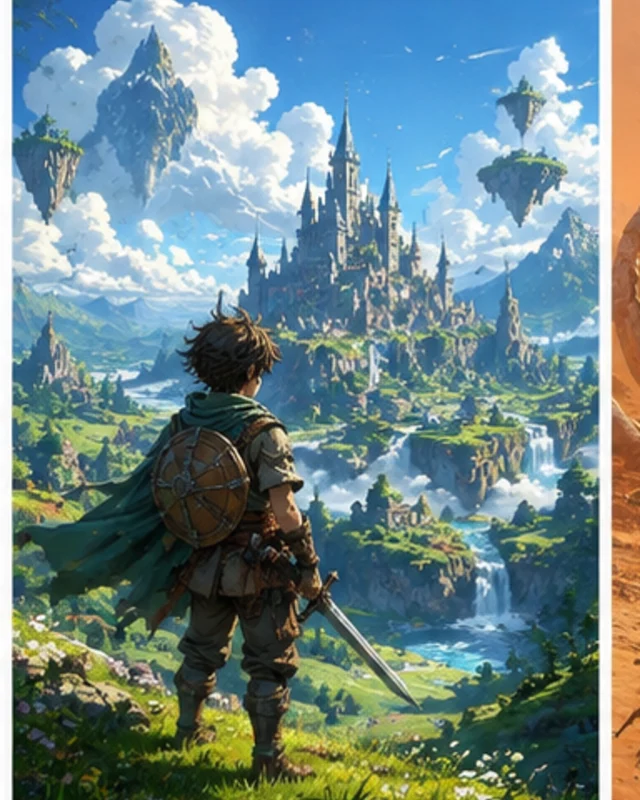 Make each region teach a new way to move ↗
Why SEELE
Plan regions, shortcuts, and return paths players can understand.

Give movement abilities a clear use beyond adding another collectible.

Let new skills reveal routes or story details in familiar areas.

Preview obstacles and make the first ability challenges forgiving.

Use landmarks, map structure, and visual cues to help players orient themselves.

Let player knowledge and access grow together across the map.
Made with SEELE
These games are playable. Pick one and give it a try.
 AdventureAdventure GamePlay the example ↗
 ShooterWarcom: Neon BreachPlay the example ↗
 ActionOld Gods RunPlay the example ↗
 CasualCaution! Egg on the Car RoofPlay the example ↗
 RunnerNeon Night Rush: Barrier DashPlay the example ↗
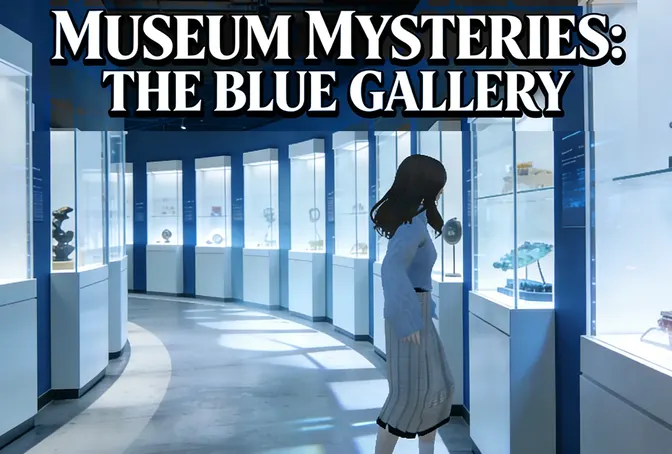 PuzzleMuseum ExhibitionPlay the example ↗
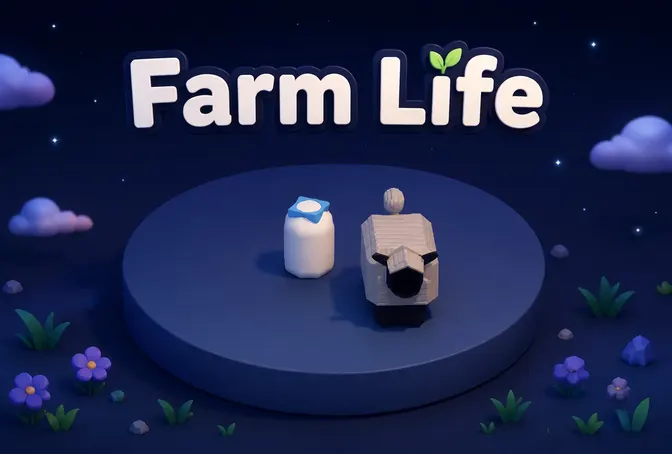 SimulationMilky Way Idle 3DPlay the example ↗
 CasualSnowfall & Starry GiftsPlay the example ↗
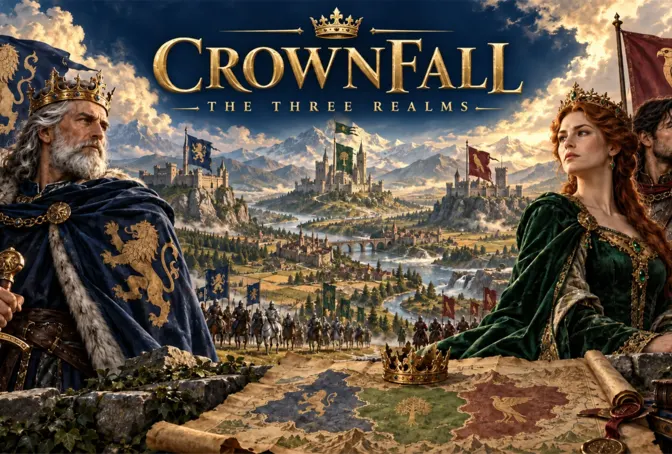 RPGCrownfall-The-Three-Realms-CoverPlay the example ↗
 SimulationFLYING CARPlay the example ↗
Who it’s for
A small map outline helps teams test navigation and progression before building more levels.
Outline regions, shortcuts, and an exploration loop.
No Code 3D Game Maker ↗
Test whether abilities create interesting routes and revisits.
3D Game Creator ↗
Place story details where discovery changes the player’s understanding.
AI 3D Game Generator ↗Compare
Exploration depends on readable connections and abilities that create new choices.
| Feature | A connected exploration game | A list of gated rooms and upgrades |
|---|---|---|
| Map | Regions connect through clear loops and shortcuts | A sequence of disconnected rooms |
| Abilities | New movement opens routes and changes navigation | Upgrades that only increase damage |
| Backtracking | A return trip reveals a shortcut or new discovery | Revisiting the same route without a new option |
| Teaching | A safe obstacle previews each new skill | The first encounter demands mastery immediately |
| Bosses | Attacks have visible tells and recovery windows | Damage depends on hidden timing rules |
Reviews
Explore related game design and development workflow pages.
FAQ
It can help outline an exploration map, movement ability, gated route, or boss encounter. Review how each new skill changes where the player can go.
Common elements include a connected world, new abilities that open routes, and revisits that reveal new paths or details. The exact structure depends on the game.
Start with a hub and a few connected regions. Mark the locked route, the ability that opens it, and a shortcut or discovery that rewards a return visit.
Begin with one movement ability and a few obstacles that teach, preview, and later combine it. Add more only when each one supports a distinct exploration choice.
Place a shortcut, optional item, story clue, or new route where players can recognize it from an earlier visit.
Use distinct landmarks, readable map connections, consistent visual cues, and routes that help players understand where they are.
Show the obstacle before or near the ability that solves it, and avoid blocking every path behind one upgrade. Test the route order with new players.
You can describe attack patterns, movement tests, and recovery windows. Playtest the encounter to check fairness and readability.
An outline or design prompt is not a finished game. Implementation, art, level construction, and playtesting are still needed.
Confirm current Workspace integrations and exports. Test any generated material in the chosen engine and project setup.
Confirm the current Workspace features for image or asset generation. A written map outline does not guarantee production-ready art.
Build regions, history, creatures, and visual motifs from your own premise. Avoid copying recognizable maps, names, or characters.
Prototype one small loop with a hub, a new movement skill, a gated path, and a return shortcut. This makes the exploration structure easy to test.
Check map readability, ability teaching, sequence breaks, controller and accessibility needs, difficulty, and whether backtracking feels worthwhile.
Describe the starting area, the movement skill, and the route it opens.
Plan a metroidvania map →