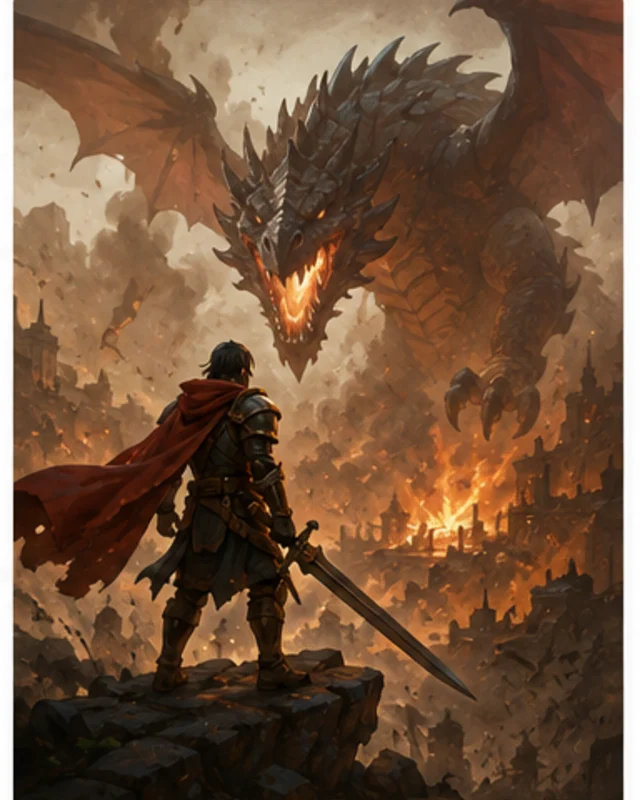
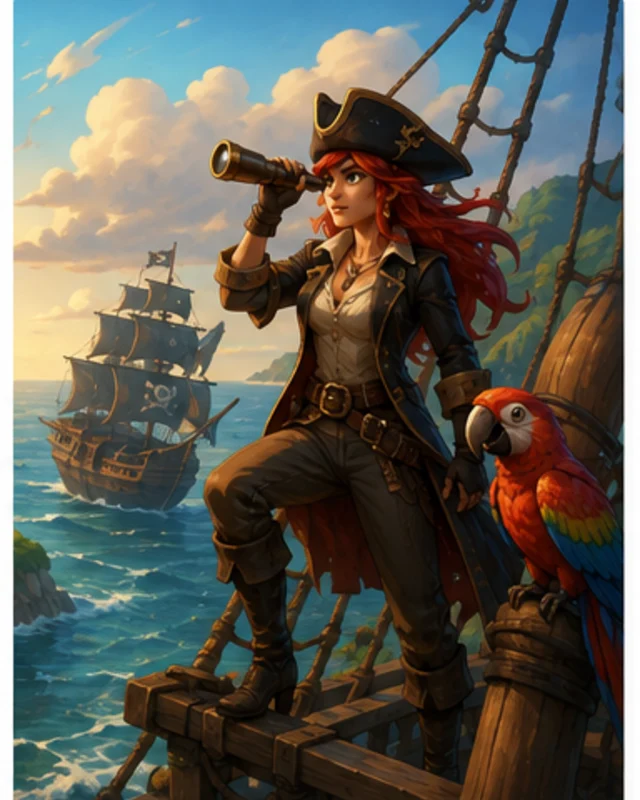

Design creatures from habitat
Let environment hint at behavior.

Create an original creature-collecting loop around discovery, care, and a fair first match. Plan a creature-collecting game with original species and a clear first encounter. Define how players discover, care for, and use a creature without copying another game’s roster or terminology.
Partners and teams

















How it works
Start with one machine, automate collection, and give players a reason to save up for an upgrade.
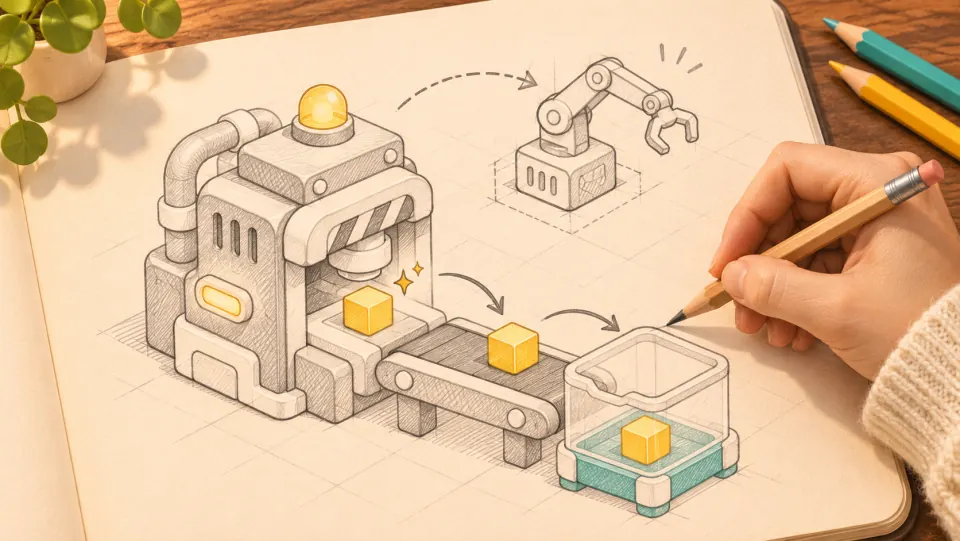
Players collect gold cubes for coins, then spend those coins on a robot arm that takes over collection.
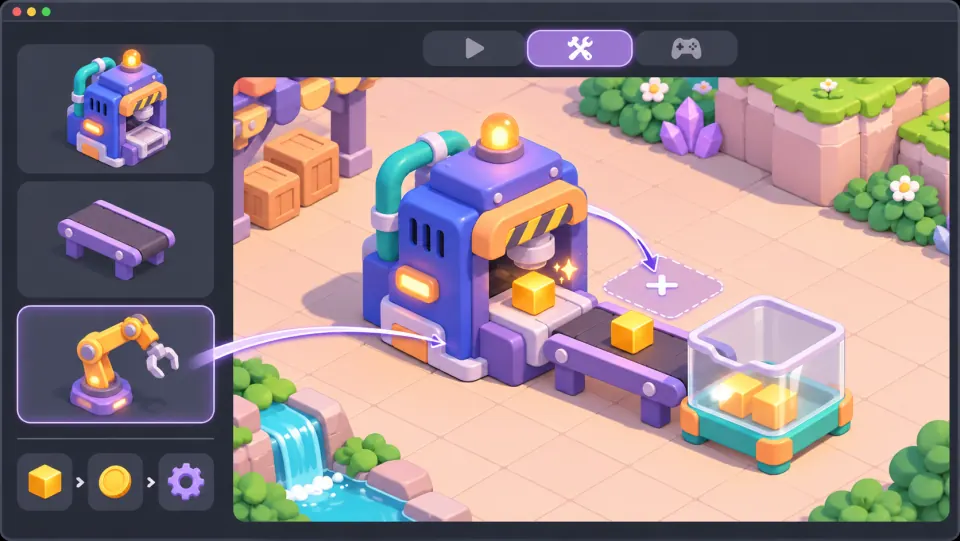
Ask seeleAgent to add the press, conveyor, and robot arm. Set how fast cubes come out, what they earn, and what upgrades cost.
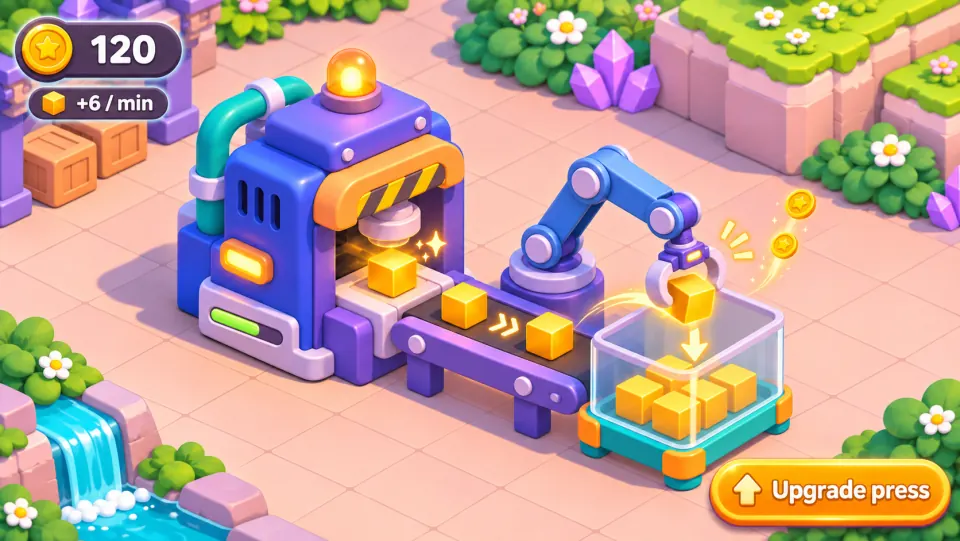
Watch the arm collect cubes. When you have enough coins, upgrade the press and see how much faster the line runs.
Pick a starting point
Discovery teaches habitat and behavior.
Create a glasswing salamander found near warm cave pools. Let players follow its glowing footprints and offer a mineral bead rather than starting with a battle.
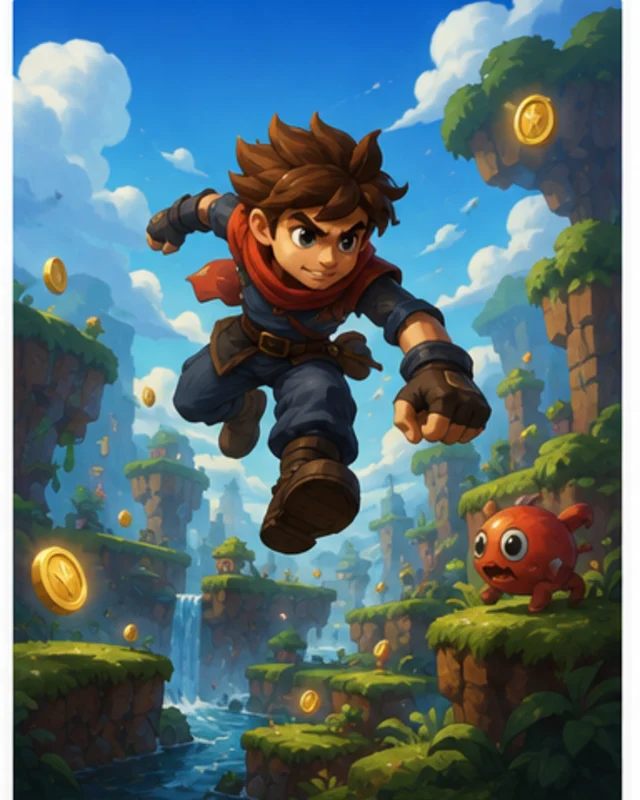 First encounter ↗
Why SEELE
Let environment hint at behavior.

Use journal notes tied to visible actions.

Teach a move and counter in a safe encounter.

Do not punish an early experiment.

Check names, silhouettes, and move language.

Make owned and discovered creatures easy to tell apart.
Made with SEELE
These games are playable. Pick one and give it a try.
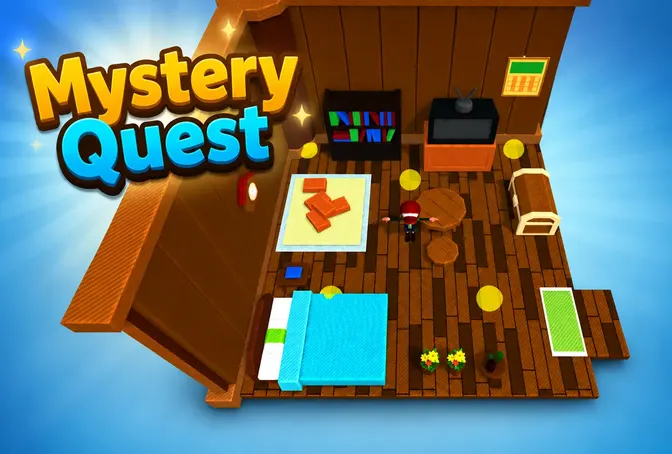 AdventureAdventure GamePlay the example ↗
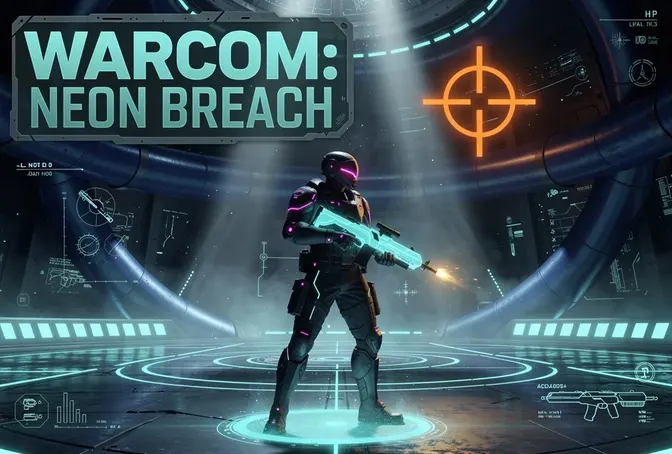 ShooterWarcom: Neon BreachPlay the example ↗
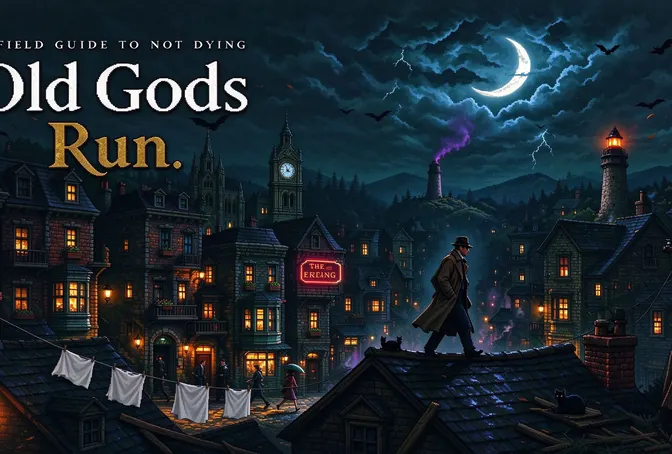 ActionOld Gods RunPlay the example ↗
 CasualCaution! Egg on the Car RoofPlay the example ↗
 RunnerNeon Night Rush: Barrier DashPlay the example ↗
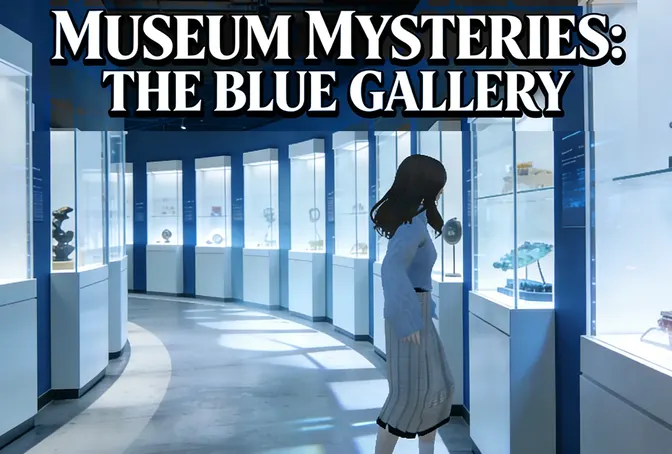 PuzzleMuseum ExhibitionPlay the example ↗
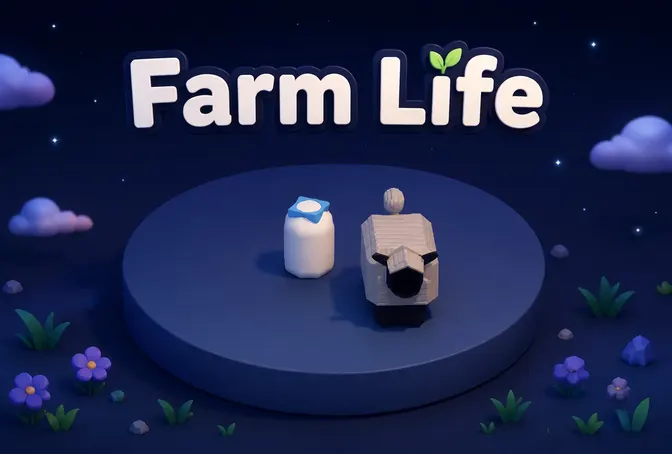 SimulationMilky Way Idle 3DPlay the example ↗
 CasualSnowfall & Starry GiftsPlay the example ↗
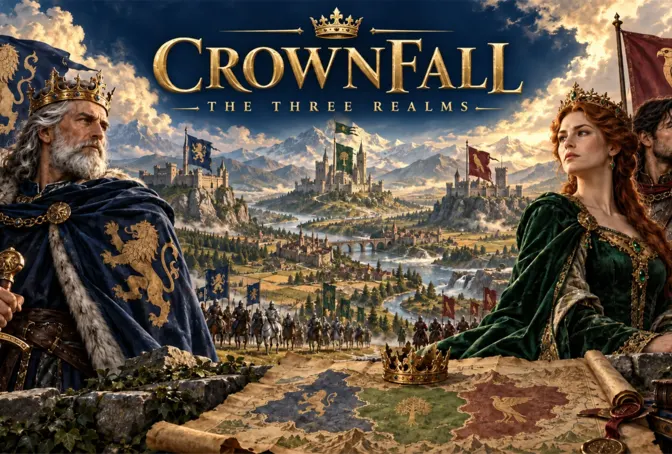 RPGCrownfall-The-Three-Realms-CoverPlay the example ↗
 SimulationFLYING CARPlay the example ↗
Who it’s for
Define the player, one core mechanic, and one testable outcome for a first Monster Collector Game Maker brief. Keep the scope small enough to playtest.
AI Game Generator from Prompt ↗
Compare Monster Collector Game Maker directions against the target player and engine workflow before the team commits to a larger build.
UEFN IAP Delivery for Game Designers ↗Reviews
FAQ
You can define a first Monster Collector Game Maker pass in a plain-language brief. If the workflow returns code or assets, inspect and test them before sharing or extending the project.
For Monster Collector Game Maker, identify one mismatch in core game loop, describe the change, and compare the next version against the same success condition.
For commercial or public work, avoid copying protected characters, logos, named franchises, or distinctive creature designs. Use original descriptors and review outputs for similarity risk.
Before a first Monster Collector Game Maker project, define the task, intended audience, one visible outcome, and a constraint. Use Core game loop as a direction that fits the brief.
To get started with Monster Collector Game Maker, use Describe the job as the first step. Set one goal, audience, and constraint; test a small version, then change one thing at a time.
For Monster Collector Game Maker, name the intended user, one action, and a visible outcome. Use Core game loop as a starting direction and add one requirement from its example prompt.
Ask someone who matches the intended player or viewer for Monster Collector Game Maker to test its main action. Note where the brief is unclear, then revise once before adding features.
For Monster Collector Game Maker, try Core game loop first. Define the action, outcome, and one constraint, then compare another direction only if the first misses the brief.
Check the Monster Collector Game Maker result against the brief, intended behavior, and first workflow step. Record one mismatch and test that change before expanding scope.
Scope a first Monster Collector Game Maker prototype to Core game loop, one user action, and one visible outcome. Defer secondary features until that path works.
Compare Core game loop and Player challenge for Monster Collector Game Maker using the same user action and visible outcome. Choose the direction that fits the brief with fewer assumptions.
After reviewing Monster Collector Game Maker, record one gap between the brief and result. Make one focused change, then test the same action against the original outcome.
Match a linked tool's input and output to one need in the Monster Collector Game Maker brief. If it does not support that step, skip it and keep the test in the main project.