Bound the first playable slice
Define the player input, crowd response, and round objective. Keep the first prototype focused on timing or coordination rather than simulating a real match.

Create a football tournament cheer-game concept using original teams, players, and visual assets. Choose a simple timing or crowd-energy interaction inspired by tournament excitement. Use fictional teams and original or licensed assets, and avoid implying affiliation with a real event, league, federation, or athlete unless authorized.
Partners and teams

















How it works
Create a Roblox-inspired 3D game without coding. Build floating islands, add cute creatures, test gameplay, and expand your world with AI prompts.
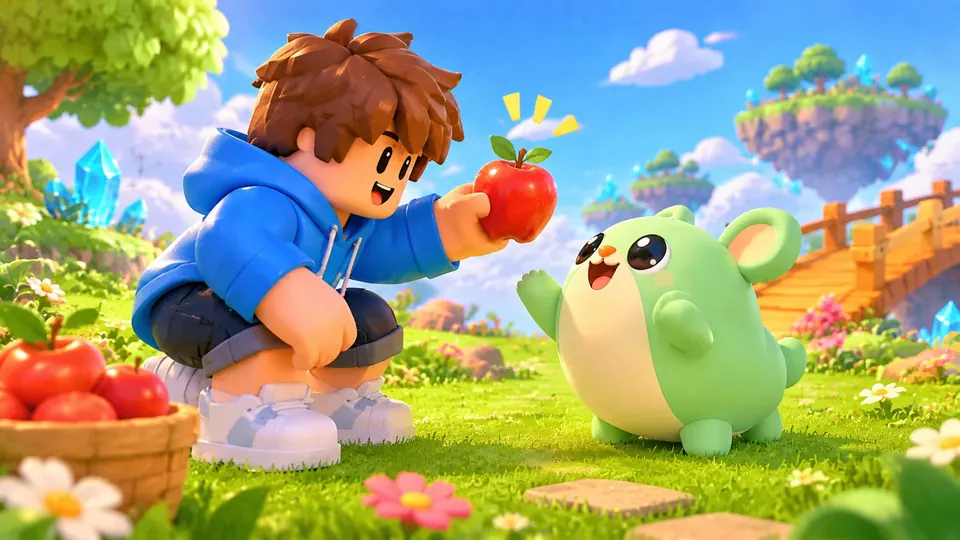
Create a colorful floating-island world where players attract cute creatures with fruit.
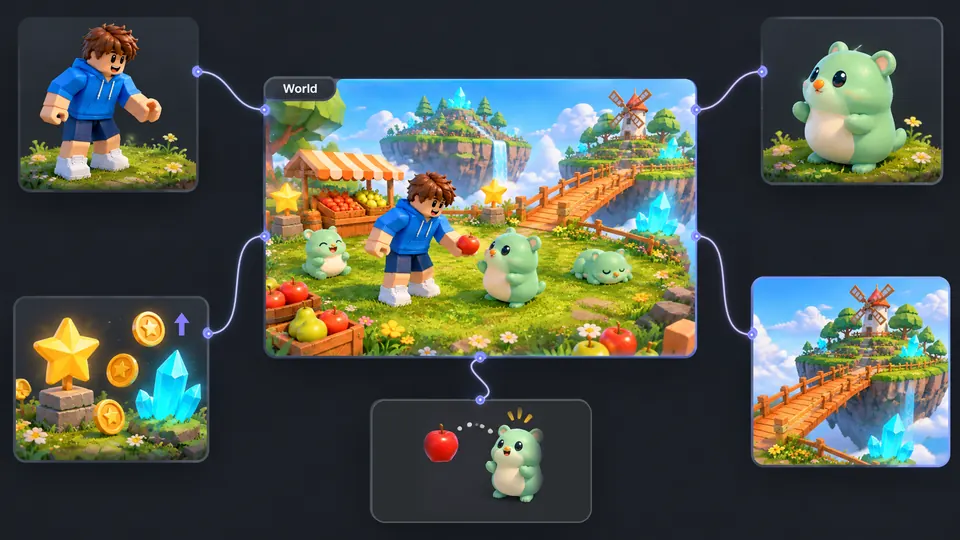
Connect your character, creatures, islands, fruit items, and reward system.
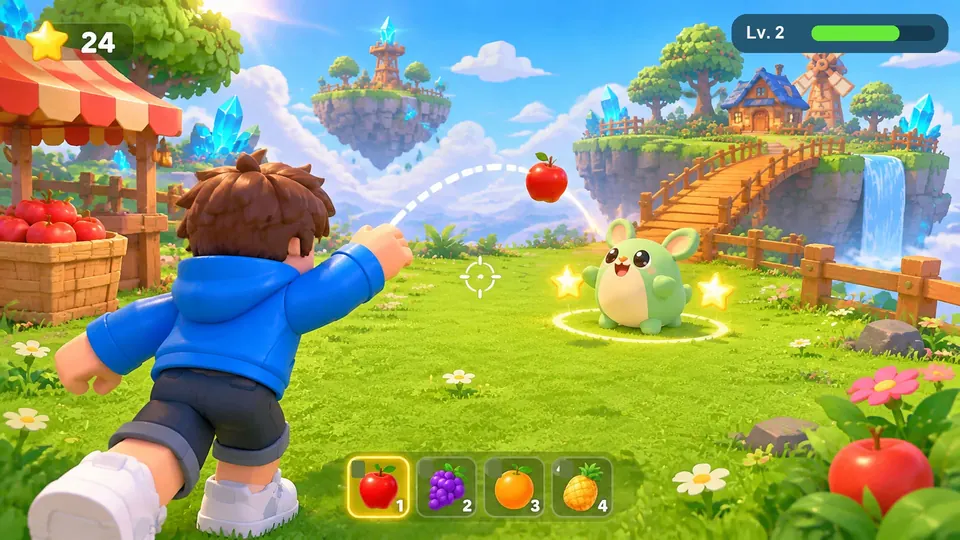
Toss apples to attract creatures, earn stars, and explore your floating island.
Make a game for freePick a starting point
Define the player input, crowd response, and round objective. Keep the first prototype focused on timing or coordination rather than simulating a real match.
Define the player input, crowd response, and round objective. Keep the first prototype focused on timing or coordination rather than simulating a real match.
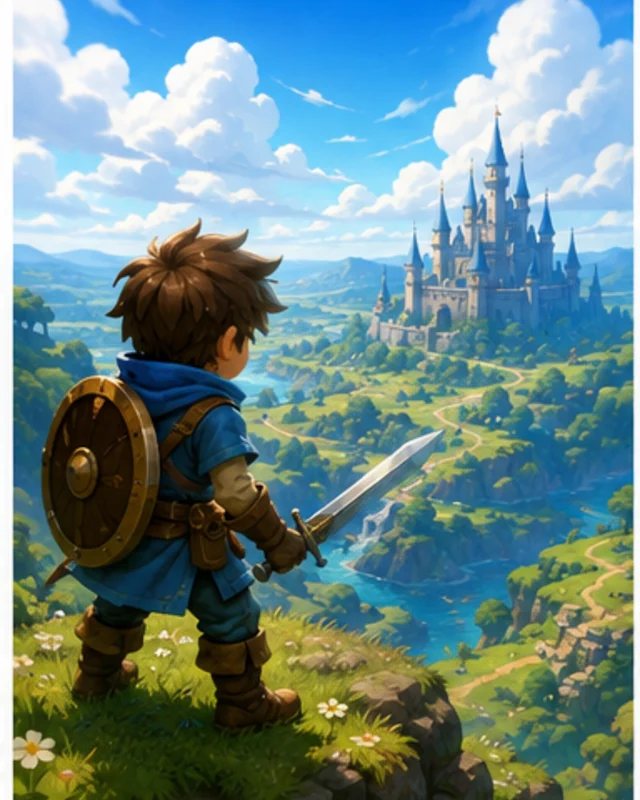 Choose the cheer interaction ↗
Use original team names, colors, characters, and venue details. Note which references are mood guidance and which assets are actually cleared for use.
Use original team names, colors, characters, and venue details. Note which references are mood guidance and which assets are actually cleared for use.
Build one short round with readable timing cues, audio feedback, and a result screen. Test it with a player who has not seen the rules.
Build one short round with readable timing cues, audio feedback, and a result screen. Test it with a player who has not seen the rules.
Check names, marks, likenesses, and event references before publishing. Keep any uncertain material as a placeholder and state the project’s relationship accurately.
Check names, marks, likenesses, and event references before publishing. Keep any uncertain material as a placeholder and state the project’s relationship accurately.
Why SEELE
Define the player input, crowd response, and round objective. Keep the first prototype focused on timing or coordination rather than simulating a real match.

Use original team names, colors, characters, and venue details. Note which references are mood guidance and which assets are actually cleared for use.

Build one short round with readable timing cues, audio feedback, and a result screen. Test it with a player who has not seen the rules.

Check names, marks, likenesses, and event references before publishing. Keep any uncertain material as a placeholder and state the project’s relationship accurately.

Choose a simple timing or crowd-energy interaction inspired by tournament excitement. Use fictional teams and original or licensed assets, and avoid implying affiliation with a real event, league, federation, or athlete unless authorized.

Check names, marks, likenesses, and event references before publishing. Keep any uncertain material as a placeholder and state the project’s relationship accurately.
Made with SEELE
These games are playable. Pick one and give it a try.
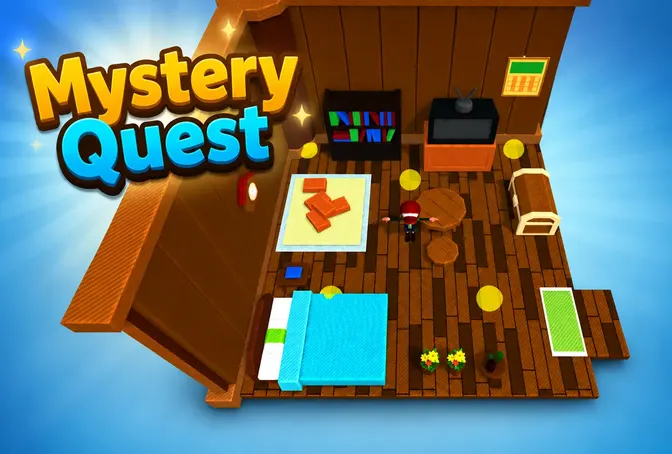 AdventureAdventure GamePlay the example ↗
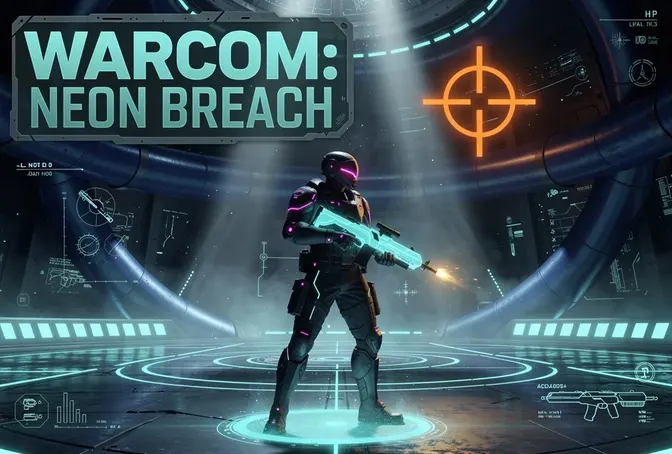 ShooterWarcom: Neon BreachPlay the example ↗
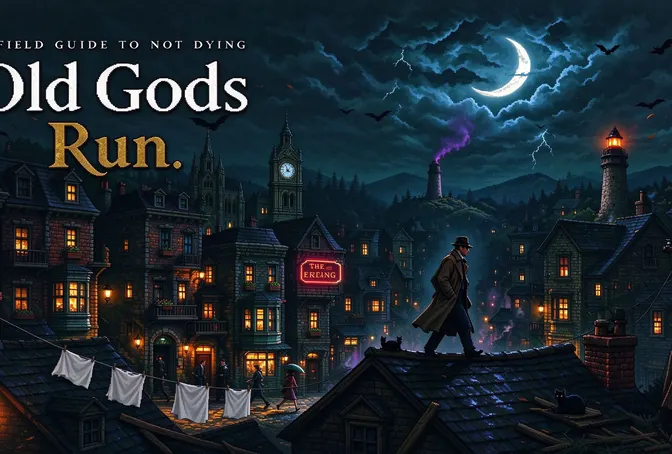 ActionOld Gods RunPlay the example ↗
 CasualCaution! Egg on the Car RoofPlay the example ↗
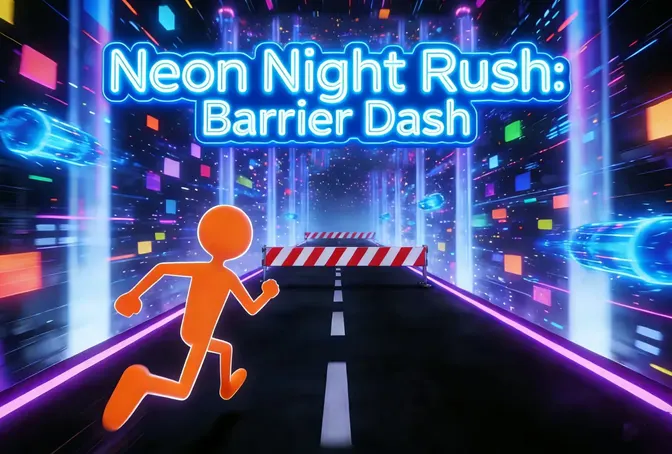 RunnerNeon Night Rush: Barrier DashPlay the example ↗
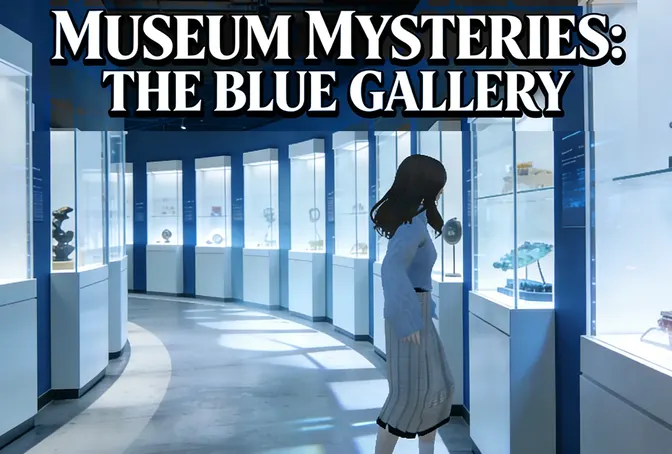 PuzzleMuseum ExhibitionPlay the example ↗
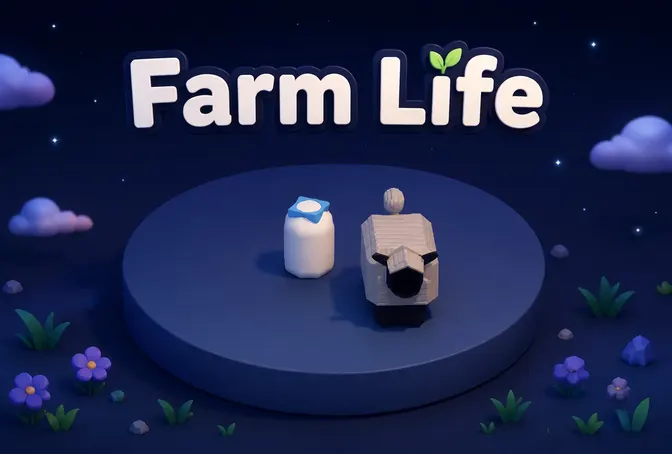 SimulationMilky Way Idle 3DPlay the example ↗
 CasualSnowfall & Starry GiftsPlay the example ↗
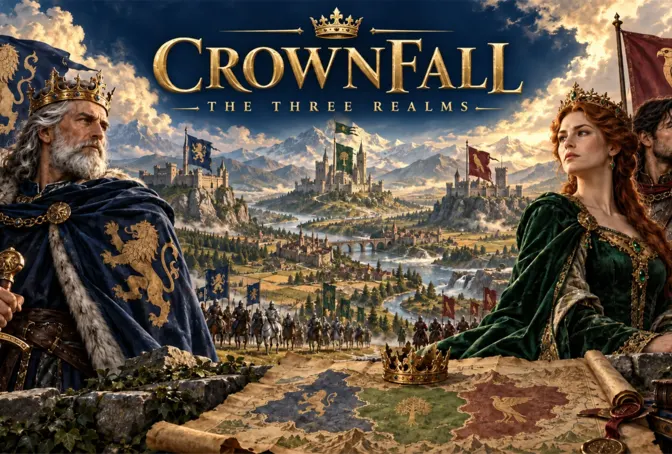 RPGCrownfall-The-Three-Realms-CoverPlay the example ↗
 SimulationFLYING CARPlay the example ↗
Who it’s for
Define the player, one core mechanic, and one testable outcome for a first World Cup Cheer Game brief. Keep the scope small enough to playtest.
AI Visual Novel Generator ↗
Compare World Cup Cheer Game directions against the target player and engine workflow before the team commits to a larger build.
AI Video Games ↗Reviews
FAQ
Use it to sketch a fictional tournament cheer game around timing, crowd response, or team colors. Use original or licensed assets and avoid suggesting affiliation with a real event, team, or athlete without permission.
Define the player input, the cheer or crowd response, and the round objective. Keep teams and presentation fictional unless you have permission to use real marks or footage, and test timing or coordination without implying an official match simulation.
Yes. For World Cup Team Star Cheer Video Game Generator, name the audience, one action, and a visible outcome. Use source moment as a starting point, then add one constraint before expanding the brief.
Before a first World Cup Team Star Cheer Video Game project, define the task, intended audience, one visible outcome, and a constraint. Use Source moment as a direction that fits the brief.
To get started with World Cup Team Star Cheer Video Game, use Describe the job as the first step. Set one goal, audience, and constraint; test a small version, then change one thing at a time.
For World Cup Team Star Cheer Video Game, state the intended user, main action, expected output, and one constraint separately. Keep the first prompt narrow enough to compare the result with the brief.
Ask someone who matches the intended player or viewer for World Cup Team Star Cheer Video Game to test its main action. Note where the brief is unclear, then revise once before adding features.
For World Cup Team Star Cheer Video Game, try Source moment first. Define the action, outcome, and one constraint, then compare another direction only if the first misses the brief.
Check the World Cup Team Star Cheer Video Game result against the brief, intended behavior, and first workflow step. Record one mismatch and test that change before expanding scope.
Scope a first World Cup Team Star Cheer Video Game prototype to Source moment, one user action, and one visible outcome. Defer secondary features until that path works.
Compare Source moment and Pacing and sequence for World Cup Team Star Cheer Video Game using the same user action and visible outcome. Choose the direction that fits the brief with fewer assumptions.
After reviewing World Cup Team Star Cheer Video Game, record one gap between the brief and result. Make one focused change, then test the same action against the original outcome.
Match a linked tool's input and output to one need in the World Cup Team Star Cheer Video Game brief. If it does not support that step, skip it and keep the test in the main project.