
Make each choice move the story
A branch feels meaningful when it changes a line, reveals a clue, or shifts a relationship. Decide what the player will notice after choosing.

Build an AI visual novel around a scene, its characters, and the decision that moves the story forward. Start with a short route or romance mystery, then shape the dialogue and ending.
Pick a starting point
Begin with a character doing something that forces a decision. The player should see the consequence in the next line or scene.
At closing time, botanist Mara finds a love letter tucked inside a rare orchid. It is signed by someone who disappeared from the town years ago. Write the greenhouse opening scene, then let the player choose whether Mara follows the letter or asks the caretaker about it. Make the next line reveal a different clue for each choice.
 Subject and action ↗
Why SEELE
A branch feels meaningful when it changes a line, reveals a clue, or shifts a relationship. Decide what the player will notice after choosing.

Give each route a distinct want and conflict. Track what the character knows so later scenes do not undo earlier moments.

Alternate dialogue, reaction, and decision. A scene outline helps you spot long stretches where the player has nothing to do.

Start with one short route, a small cast, and an ending you can reach. Add another branch after the main path reads clearly.

Choose the intended tone and audience before drafting dialogue. Check humor, romance, suspense, and content boundaries with that reader in mind.

After changing a choice, follow both paths forward. Names, clues, relationships, and scene order should still make sense.
Made with SEELE
These games are playable. Pick one and give it a try.
Who it’s for
Turn a scene or character relationship into a short route with dialogue, a player choice, and an ending you can revise.
AI Game Maker Free ↗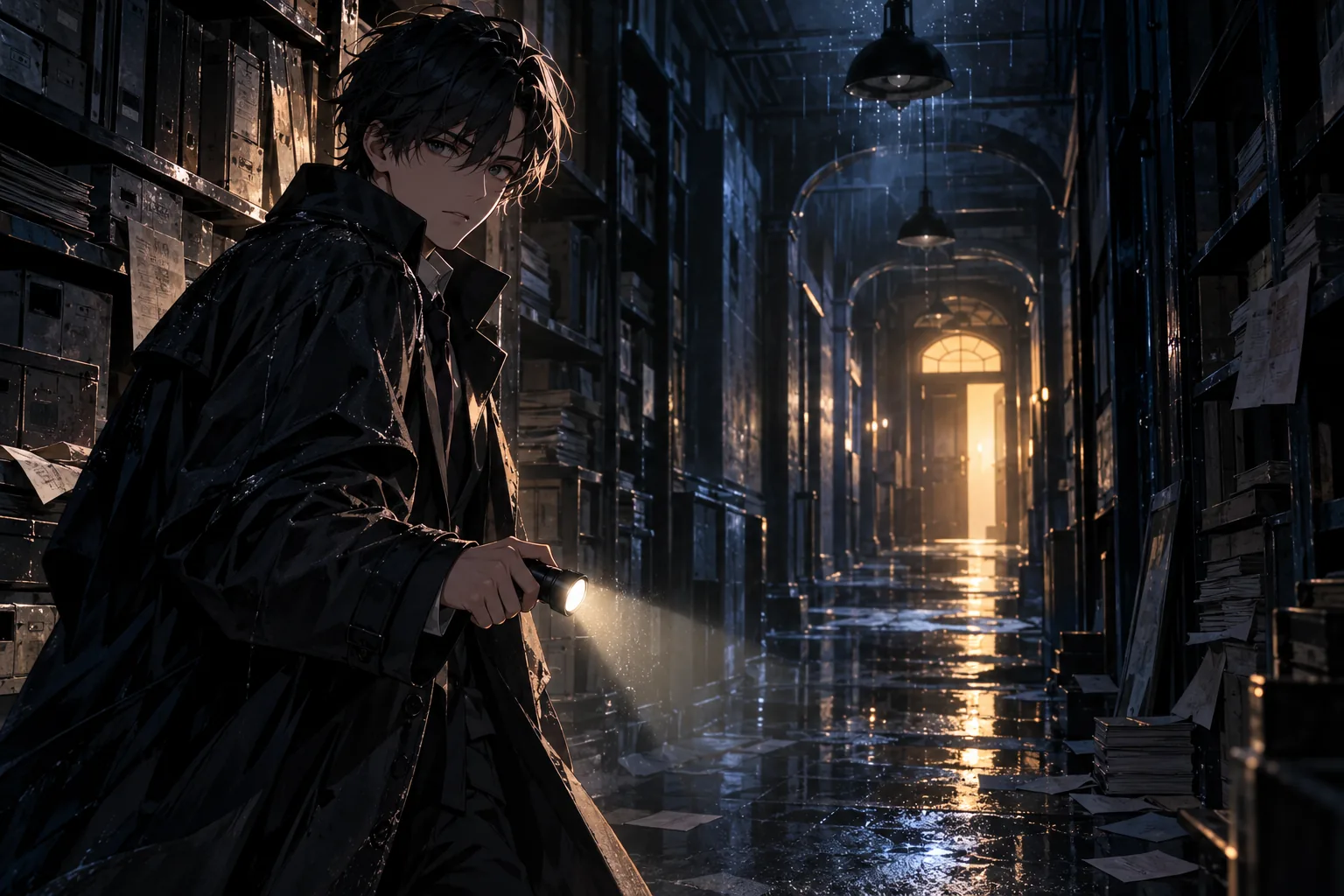
Sketch a playable story beat before committing to a longer script. Use the result to discuss pacing, branching scope, and art direction.
AI Interactive Story Generator & Game Builder ↗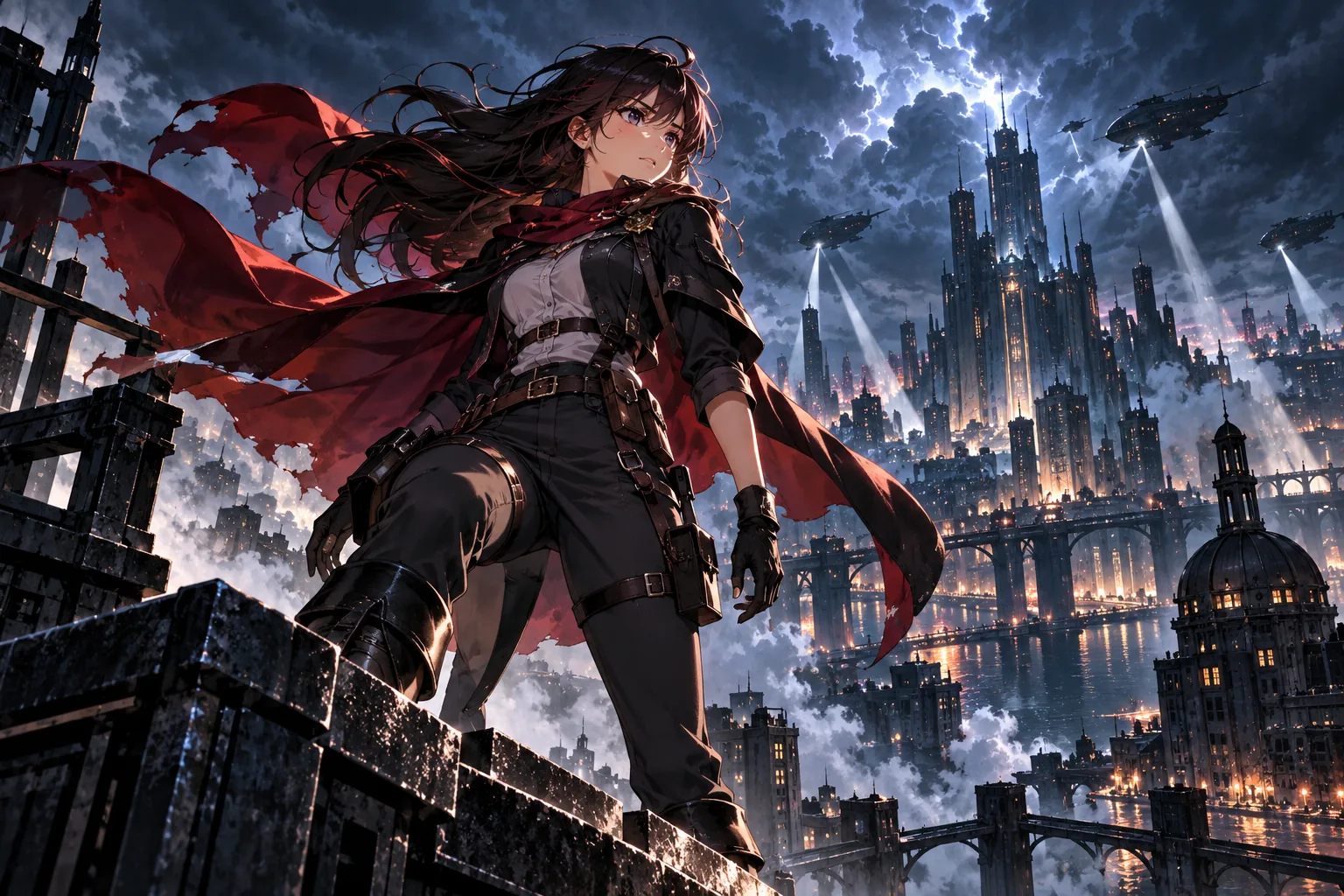
Give an original character a voice, motivation, and a decision under pressure. Keep ownership and any source material clear before sharing the work.
AI Interactive Game Generator for Story Games ↗Compare
| Feature | Visual novel starting point | Blank script |
|---|---|---|
| Where you begin | A scene, character, or turning point | An empty script with no story beat chosen |
| What the reader sees | A dialogue exchange followed by a decision | A plan that still needs a scene to try |
| Branch size | One choice and its immediate consequence | Several routes planned before the core scene works |
| Visual direction | A palette, setting, and portrait style tied to the mood | Visual references collected without a scene context |
| Continuity check | Follow each branch and verify its clues and character motives | Review the outline before there are branches to compare |
Reviews
FAQ
An AI visual novel generator helps turn a story or character idea into a visual novel draft with scenes, dialogue, and player choices. Review the route for voice, continuity, and whether each choice changes what follows.
You can outline romance, mystery, fantasy, science fiction, or slice-of-life stories. Choose a cast, a central tension, and the kind of ending you want readers to reach.
Start with a short scene: name the characters, where they are, what one of them wants, and what interrupts that goal. Add one choice and describe how each option changes the next exchange.
Include the setting, character motives, tone, and a specific story beat. For branching scenes, state both options and what changes after each one; for art direction, add a palette and lighting cue.
A story outline describes events. A visual novel draft also considers what the player reads, sees, and chooses, so dialogue, scene presentation, and branch consequences matter.
There is no required number. One choice with a clear consequence is easier to follow than several branches that lead to the same scene. Add more after the route remains coherent on every path.
Track what each character knows and how their relationship changes on each path. After revising a choice, read both branches through the next scene and check that clues and motivations still line up.
Use material you created or have permission to adapt. If a project draws on someone else’s characters, setting, or artwork, check the relevant rights before publishing or sharing it.
A meaningful choice changes what the reader learns, how a character responds, or which scene comes next. If both options lead to the same moment, consider making the consequence visible or simplifying the choice.
Give each character a different goal, vocabulary, and way of handling conflict. Read their lines without the names attached; if the speakers are hard to tell apart, revise their word choice or rhythm.
No. Some choices can change a line or reveal a detail while later paths rejoin. Save separate endings for decisions that create a lasting difference in the characters or story.
Let a choice alter the next scene or relationship, then bring paths together when their outcomes can plausibly meet. Keep track of any clues or promises that must carry into the shared scene.
Describe the setting, palette, lighting, and portrait treatment in relation to the scene’s mood. Note which details should stay consistent across backgrounds and character expressions.
Make it long enough to establish the character, immediate tension, and first decision. End when the reader has a reason to choose; cut lines that repeat information or delay that moment.
Draft one scene and one consequential choice. Keep the branch small enough to review for voice and continuity.
Start a scene →