
Seele AI · Story Workspace
Motion Generation
Plan idle, walk, run, dodge, strike, landing, and hit-reaction clips with grounded weight, clean loops, root motion, retargeting, and engine handoff.
TRY IT FREE
See what works before you build the whole thing.
Start with a rough idea above. Starter credits help you test the direction before you spend time on every detail.
Start with a free ideaStart with free starter credits
Try the first version before deciding whether the idea deserves more time.
No coding required
Describe mechanics, visuals, audience, and constraints in plain English.
Review cost before generating
Review the generation path before committing to a larger run.
Trusted by leaders in
AI, gaming & entertainment




EXAMPLES
Start with a playable direction.
Start with a direction that resembles your project, then change the mechanics, look, or audience before you build further.
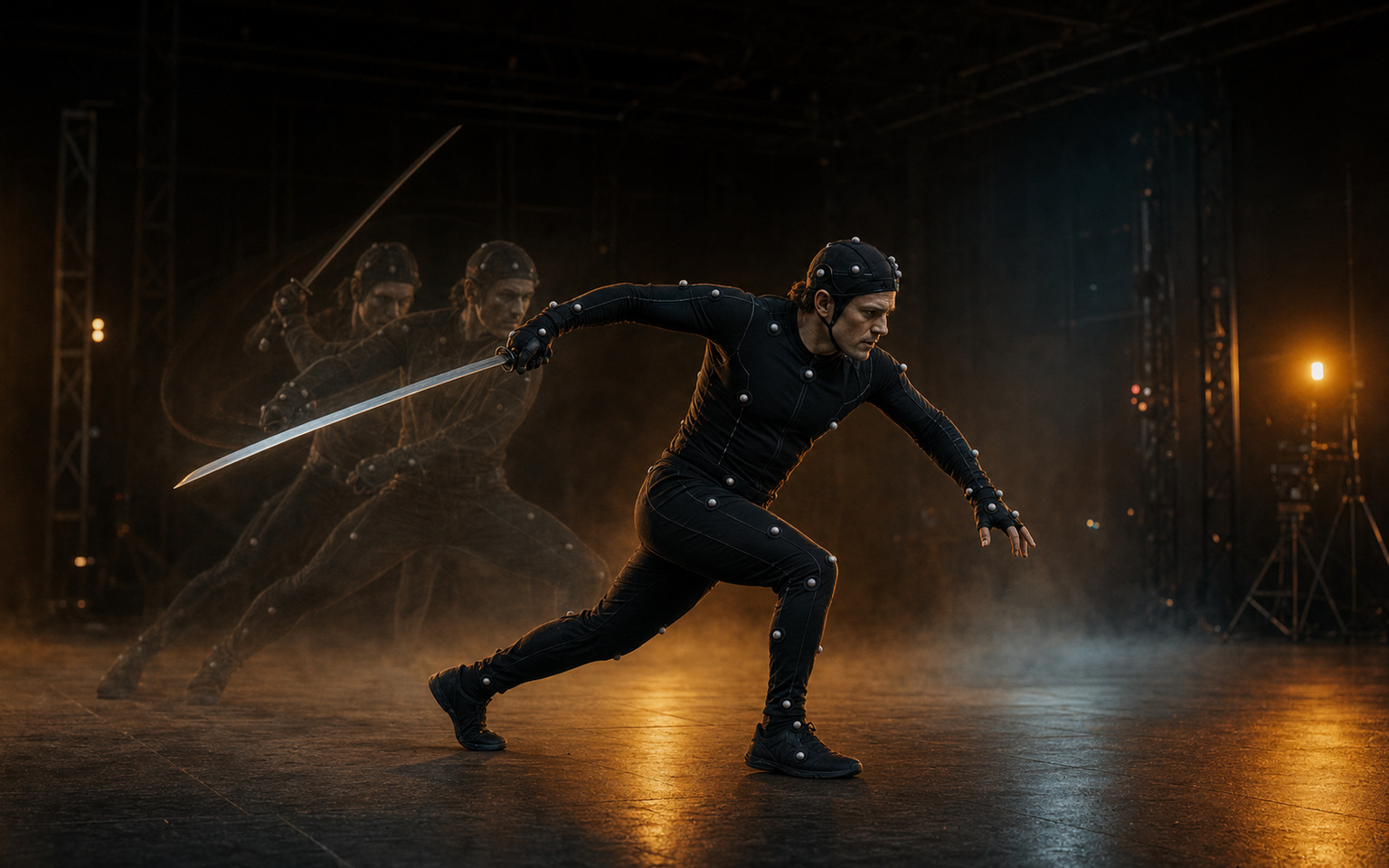
Define The Motion Language
A focused 3D Character Motion Generator for Loopable… direction that gives a 3D Character Motion Generator for Loopable… a concrete first result to review.

Generate And Retarget The Clips
A focused 3D Character Motion Generator for Loopable… direction that gives a 3D Character Motion Generator for Loopable… a concrete first result to review.
Review In The Target Engine
A focused 3D Character Motion Generator for Loopable… direction that gives a 3D Character Motion Generator for Loopable… a concrete first result to review.
Named Humanoid Clip Set
A focused 3D Character Motion Generator for Loopable… direction that gives a 3D Character Motion Generator for Loopable… a concrete first result to review.
Why use it
Make the next decision with something real.
Focus on the parts of the idea that need a concrete result before the next decision.

Loop And Root-Motion Specification
Loop boundaries, in-place or translated variants, root trajectory, contact events, and transition notes for each clip.
Try it now
Retargeting And Export Checklist
Source-to-target skeleton mapping, joint and scale checks, FBX or glTF settings, and destination-engine validation steps.
Try it now
Who it is for
Who is a 3D Character Motion Generator for Loopable… for?
creators, designers, and small teams can use this page to make one project decision easier to test before a larger build or launch.
- People with a specific project question
Use a 3D Character Motion Generator for Loopable… when you need to see how an idea, interaction, asset, or release path might work.
- Teams comparing options
Put the audience, desired result, and constraints beside one proposal so the team can discuss the same idea.
- Creators checking the details
Review quality, continuity, accessibility, rights, and publishing requirements before using the result in a real project.
How to use it
How to use 3D Character Motion Generator for Loopable…
Give a 3D Character Motion Generator for Loopable… enough context to make the result specific, then test the part that matters to your project.
Define The Motion Language
List each clip and set character scale, style, weight, tempo, camera readability, in-place versus root-motion behavior, and reference beats. Seele turns the prompt into a structured humanoid motion request with consistent timing and naming targets.
Generate And Retarget The Clips
Specify source and destination skeletons, bone mapping, joint limits, foot contacts, loop boundaries, and root trajectory. Seele creates motion candidates for the requested idle, locomotion, combat, landing, and reaction clips.
Review In The Target Engine
Inspect weight, timing, balance, contacts, foot sliding, loop seams, root motion, skeleton deformation, transitions, and import scale. Seele keeps revisions and export requirements aligned for FBX or glTF handoff.
A CLEARER FIRST MOVE
3D Character Motion Generator for Loopable… compared with a blank first pass
A useful first result gives the next decision something concrete to react to, without hiding the work that still needs human ownership.
What changes
3D Character Motion Generator for Loopable…
Starting from scratch
Starting point
A focused 3D Character Motion Generator for Loopable… prompt
A blank project and an open-ended task
First review
A concrete result to inspect
A plan before there is something to try
Scope
One audience, output, and constraint
Many decisions made at once
FAQ
Questions about 3D Character Motion Generator for Loopable…
What should I include in a 3D character motion prompt?
Name the clips, character scale and style, physical weight, tempo, anticipation and follow-through, key silhouettes, foot and hand contacts, in-place versus root-motion behavior, loop boundaries, source and target skeletons, clip naming, and target FBX or glTF pipeline.
Can the motion clips loop seamlessly?
Ask for matching start and end pose, velocity, root transform, foot phase, and contact state, then inspect the seam in a repeated playback cycle. A generated loop still needs human review for pops, drift, acceleration discontinuities, and foot sliding.
How should I handle root motion and in-place animation?
Decide per clip whether translation and rotation live on the root or are removed for gameplay control. For locomotion, compare both variants, verify trajectory and facing, and check that the engine's root-motion settings match the exported skeleton.
Start creating
Try 3D Character Motion Generator for Loopable…
Describe the job, test one version, and decide what to do next inside SEELE AI.
Start creatingFree