Keep the first slice small
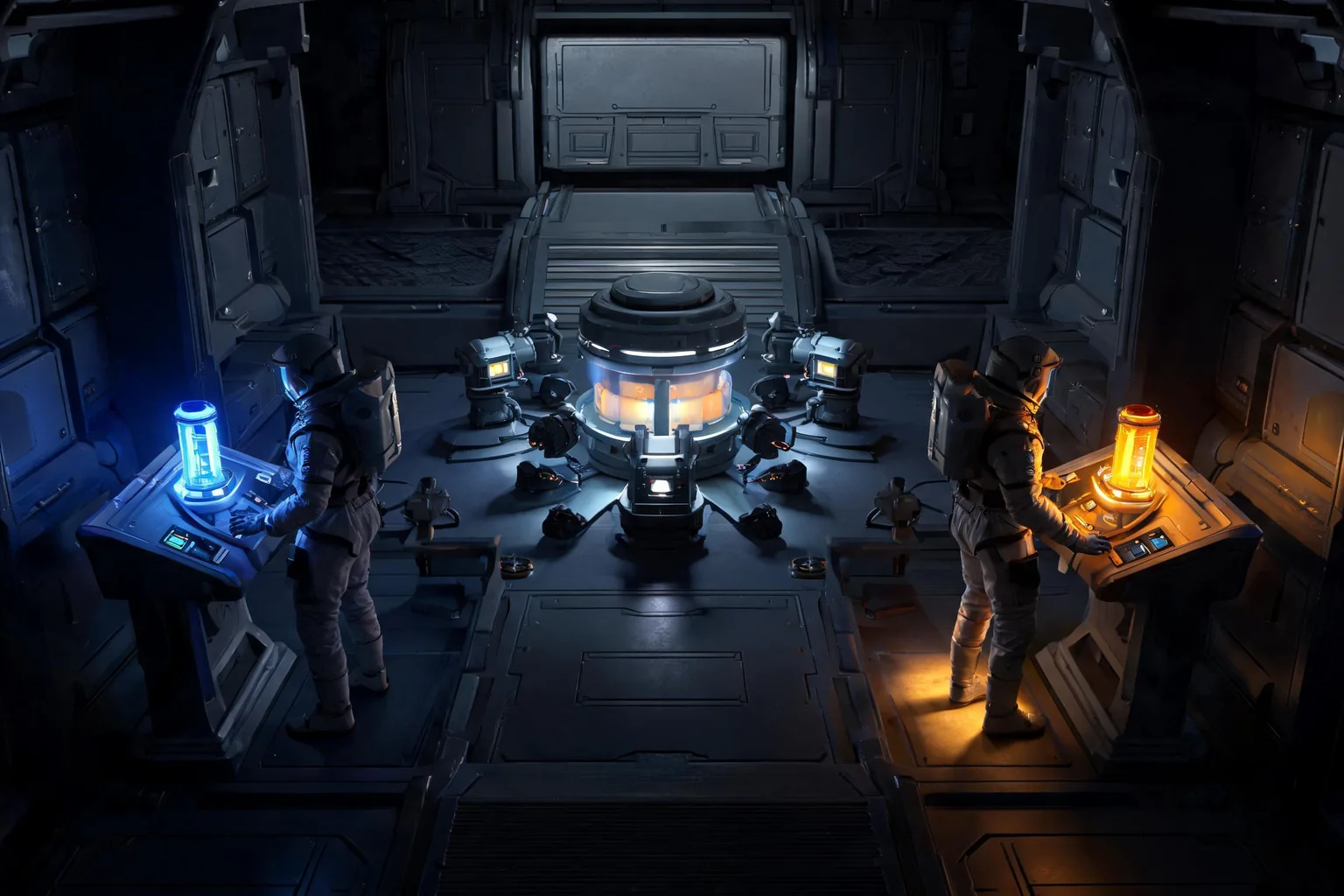
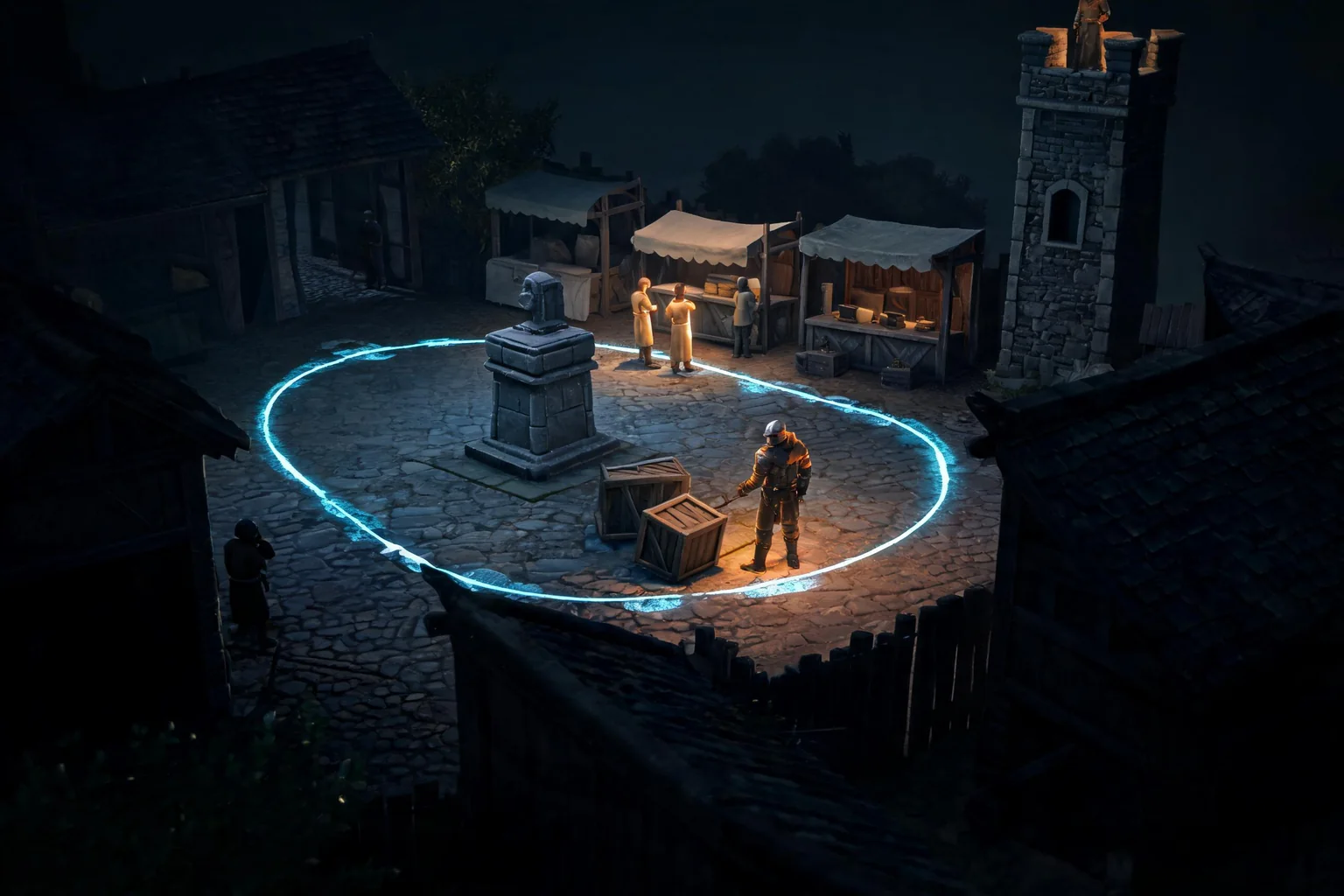
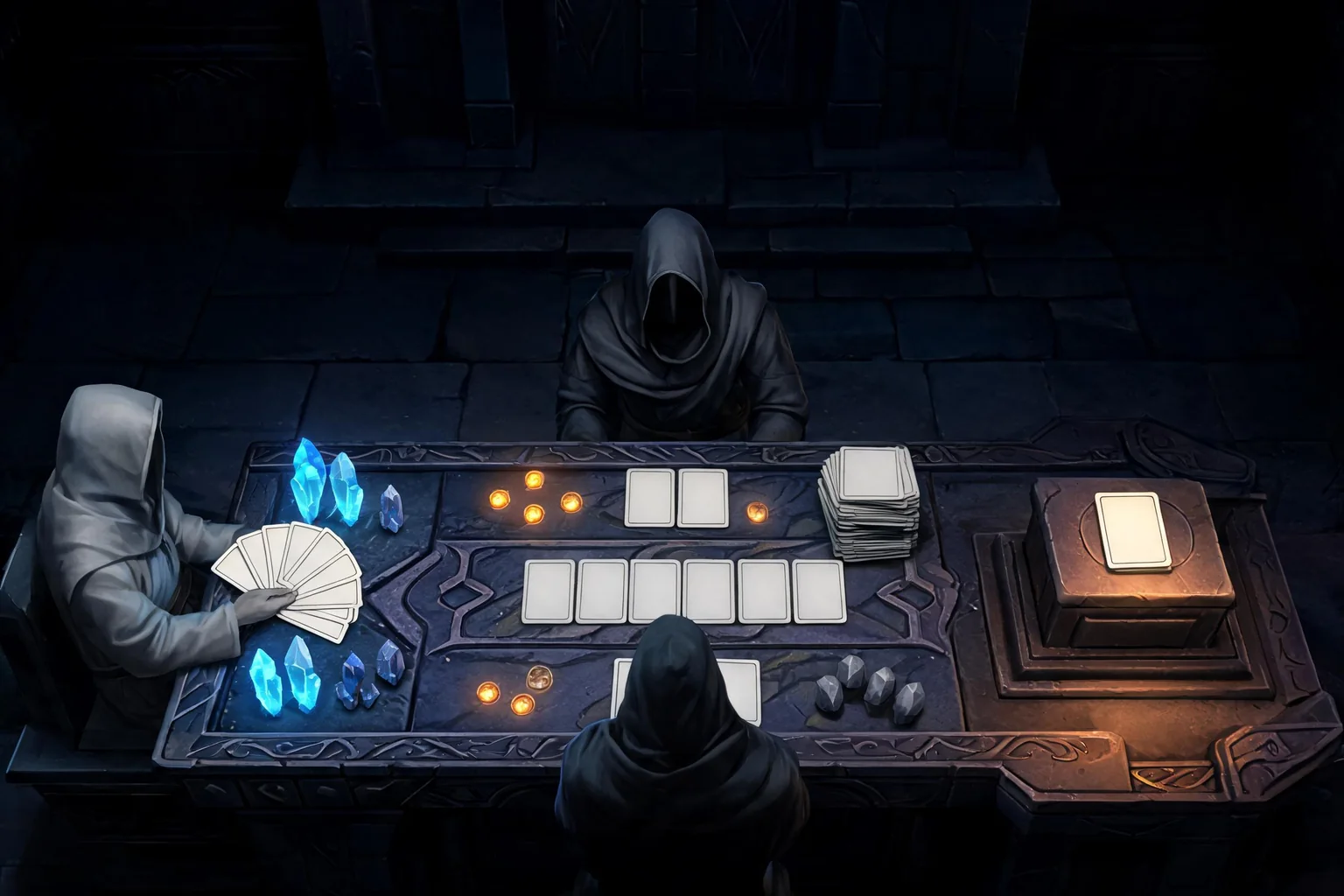
Describe what both players must accomplish, what each player can contribute, and how the team sees progress. Keep the first objective completable in one short session.

Build a compact networked scenario with a shared goal, one complementary interaction, and a clear failure or reset path. Test latency and disconnect behavior before adding more roles or objectives.
Pick a starting point
Describe what both players must accomplish, what each player can contribute, and how the team sees progress. Keep the first objective completable in one short session.
Describe what both players must accomplish, what each player can contribute, and how the team sees progress. Keep the first objective completable in one short session.
 Define the shared objective ↗
Why SEELE
Describe what both players must accomplish, what each player can contribute, and how the team sees progress. Keep the first objective completable in one short session.

Record session setup, player count, target connection conditions, and the action that must stay synchronized. Specify which player owns each state change.

Run the objective with two players, then test one disconnect or late join if supported. Note whether the remaining player can understand the state and recover.

Compare the actual coordination with the intended experience. Keep a stable build and decide whether the next change belongs in networking, feedback, or objective design.

Build a compact networked scenario with a shared goal, one complementary interaction, and a clear failure or reset path. Test latency and disconnect behavior before adding more roles or objectives.

Compare the actual coordination with the intended experience. Keep a stable build and decide whether the next change belongs in networking, feedback, or objective design.
Who it’s for
Define the player, one core mechanic, and one testable outcome for a first Unreal Unreal Multiplayer Co Op Game Maker brief. Keep the scope small enough to playtest.
Unreal multiplayer co-op game maker ↗
Compare Unreal Unreal Multiplayer Co Op Game Maker directions against the target player and engine workflow before the team commits to a larger build.
Unreal AI NPC game maker ↗Compare
| Feature | Unreal Multiplayer Co Op Game Maker | Starting from scratch |
|---|---|---|
| Starting point | Describe the audience, core loop, and first playable outcome for Unreal Multiplayer Co Op Game Maker. | Define the project, engine, and first milestone before implementation. |
| First review | Set review criteria for the controls, content, and visual direction of Unreal Multiplayer Co Op Game Maker. | Review the project setup, scene structure, and implementation plan before playtesting. |
| Scope | Begin with one audience, one core mechanic, and one playable outcome for Unreal Multiplayer Co Op Game Maker. | Set the engine, asset needs, and implementation scope before building. |
| Prompt detail | State the audience, desired result, format, and main constraint for Unreal Multiplayer Co Op Game Maker. | Decide those inputs separately before testing a focused direction. |
| Review boundary | Check the first Unreal Multiplayer Co Op Game Maker result against quality, rights, continuity, and intended audience. | Write the review checks separately before expanding the project. |
Reviews
FAQ
Use it to outline one cooperative objective and the actions each player contributes. Test shared progress, late joins, disconnects, and reset behavior before expanding the number of roles or goals.
For Unreal Multiplayer Co Op Game Maker Build a Native Unreal 5 Game, specify the first scoped outcome, the intended audience, one result, and one constraint. Keep the first prompt narrow enough to review against those details.
Yes. For Unreal Multiplayer Co Op Game Maker, write a plain-language sketch of the intended audience, one action, and the outcome you want to review. Add one constraint after the first idea is clear.
Before a first Native Unreal 5 Co-Op Game Project, define the task, intended audience, one visible outcome, and a constraint. Use Define the task as a direction that fits the brief.
To get started with Native Unreal 5 Co-Op Game Project, use Describe the job as the first step. Set one goal, audience, and constraint; test a small version, then change one thing at a time.
For Native Unreal 5 Co-Op Game Project, state the intended user, main action, expected output, and one constraint separately. Keep the first prompt narrow enough to compare the result with the brief.
Ask someone who matches the intended player or viewer for Native Unreal 5 Co-Op Game Project to test its main action. Note where the brief is unclear, then revise once before adding features.
For Native Unreal 5 Co-Op Game Project, try Define the task first. Define the action, outcome, and one constraint, then compare another direction only if the first misses the brief.
Check the Native Unreal 5 Co-Op Game Project result against the brief, intended behavior, and first workflow step. Record one mismatch and test that change before expanding scope.
Scope a first Native Unreal 5 Co-Op Game Project prototype to Define the task, one user action, and one visible outcome. Defer secondary features until that path works.
Compare Define the task and Set expected output for Native Unreal 5 Co-Op Game Project using the same user action and visible outcome. Choose the direction that fits the brief with fewer assumptions.
After reviewing Native Unreal 5 Co-Op Game Project, record one gap between the brief and result. Make one focused change, then test the same action against the original outcome.
Match a linked tool's input and output to one need in the Native Unreal 5 Co-Op Game Project brief. If it does not support that step, skip it and keep the test in the main project.