Released July 24, 2026 · independent Unreal workflow guide

Claude Opus 5 for Unreal Engine

A complete Claude Opus 5 Unreal Engine guide covering the July 2026 release, coding and agent claims, pricing, limits, evaluation, and a direct SEELE game-creation path.

Direct answer

Claude Opus 5 is a newly released Anthropic model for coding, long-running agents, verification, and professional work. Anthropic does not claim a native Unreal plugin. Use its release claims as hypotheses for controlled C++, Blueprint, debugging, planning, and tool-use tests; use SEELE AI when the goal is to generate a native Unreal 5 game project, preview it in the browser, optimize or package it, and download the result.

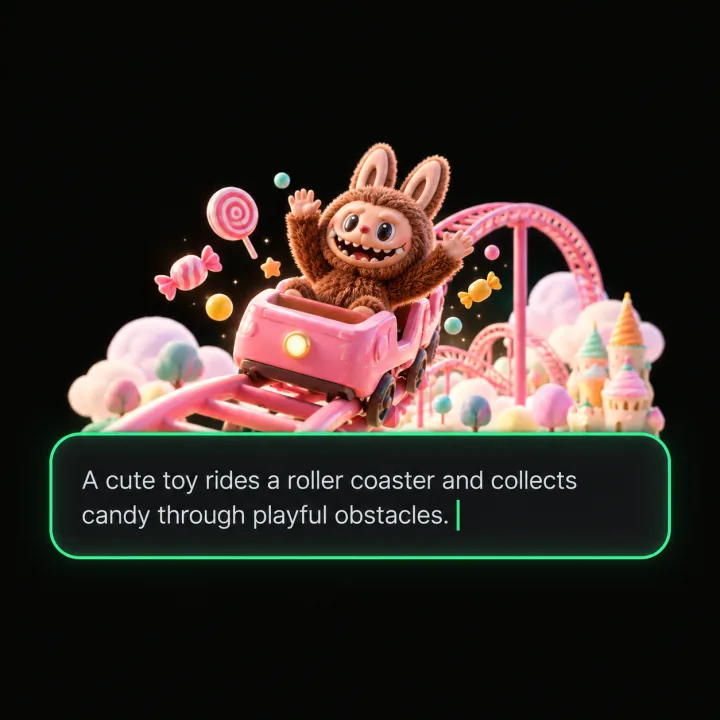
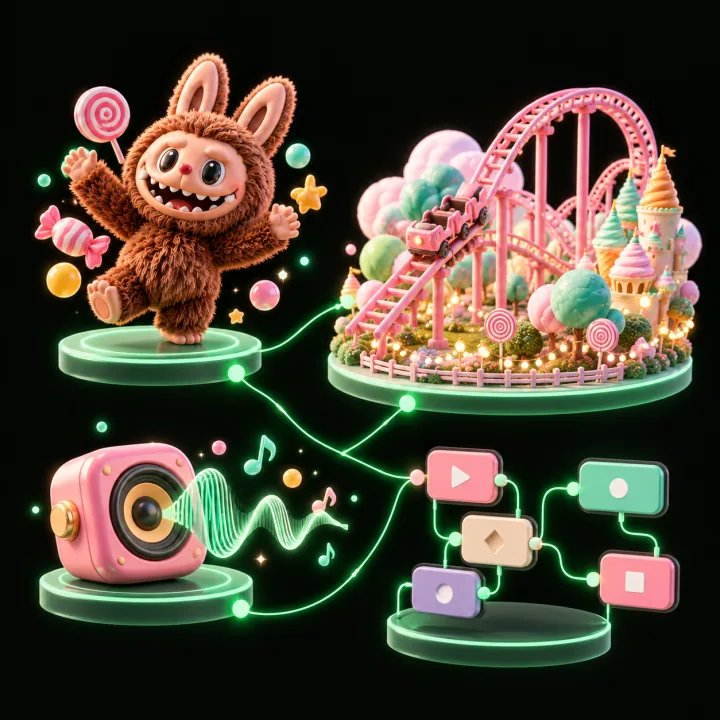
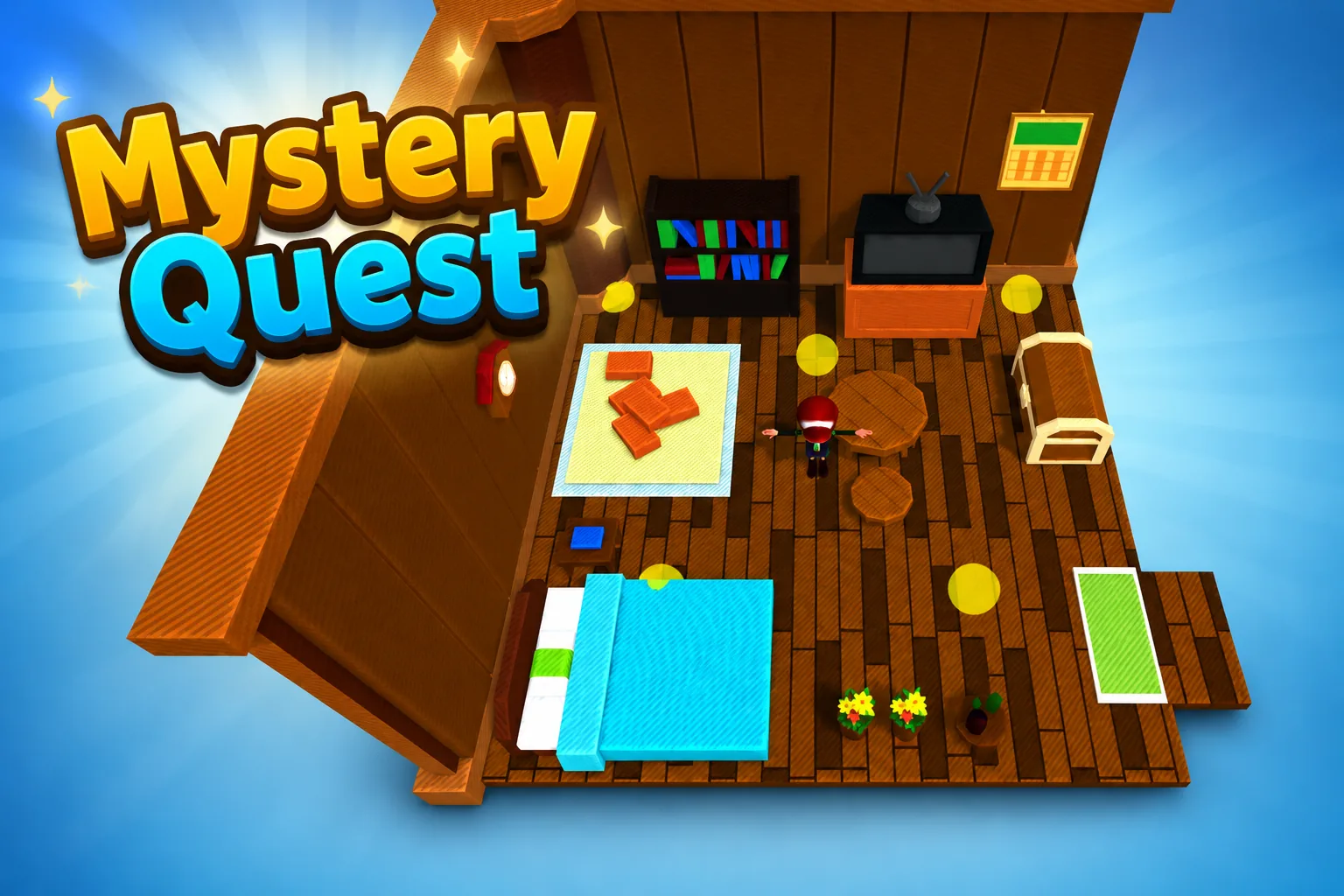
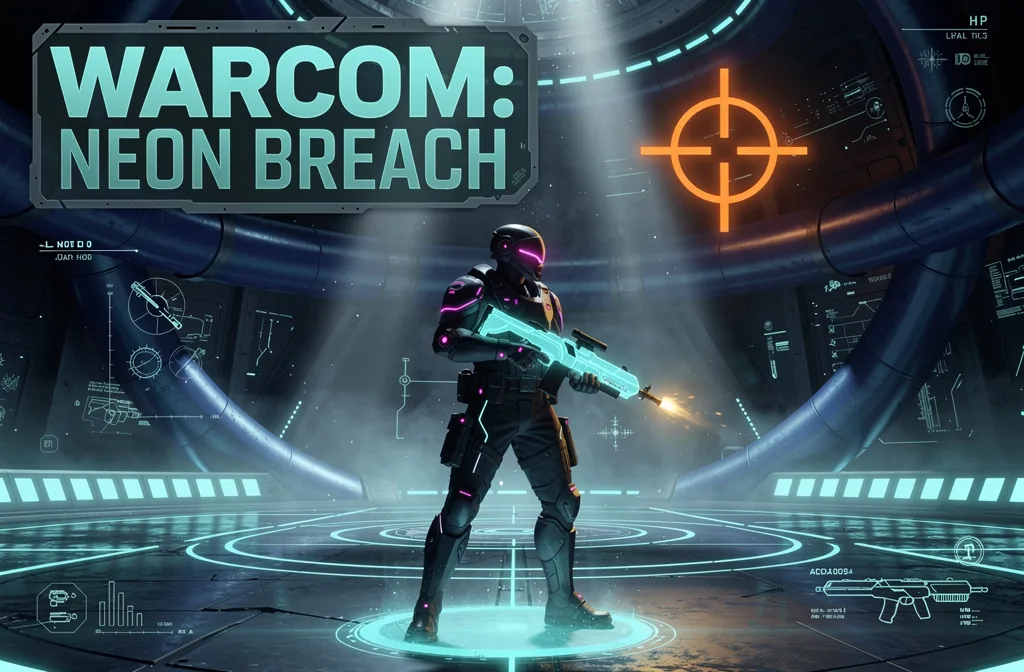
Seedream concept art of an AI-assisted Unreal game world being assembled from modular production elements
SEELE editorial concept created with Seedream 5.0. It is not an Anthropic or Epic asset, not a real Unreal Editor screenshot, not gameplay, and not proof of an official integration.

Start building an Unreal 5 game in SEELE

Choose a concrete prompt, open the SEELE Unreal creator, review the prefilled brief, and generate the native project. The first prompt is tailored to this page; the remaining prompts are reusable starting points.

Use this page's scoped brief

Create a native Unreal 5 third-person exploration slice set in a flooded mountain ruin. The player follows three light beacons, crosses one moving bridge, activates a shrine, sees a clear completion state, can fail by falling, and can restart immediately. Use readable controls, restrained UI, strong landmark lighting, and a five-minute target session. Preserve a simple project structure and make the result suitable for browser preview and local continuation.

Use this prompt in SEELE

Generate a mountain exploration game

Use Unreal Engine to generate a simple third-person tour game with mountains and water. Include responsive movement, a clear route, one completion state, failure recovery, immediate restart, browser preview, and a native downloadable Unreal 5 project.

Use this prompt in SEELE

Generate a playable dungeon crawler

Build a compact dungeon crawler using Unreal Engine. Include third-person movement, one combat loop, two connected rooms, one key-and-door objective, visible health and feedback, death, completion, immediate restart, browser preview, and a native downloadable Unreal 5 project. Test and regress the result.

Use this prompt in SEELE

Generate a city tour with weather

Create a native Unreal 5 third-person city tour with a compact walkable district, vegetation, landmark lighting, and sunny, cloudy, and rainy weather states. Include clear controls, browser preview, stable restart behavior, packaging checks, and local project download.

Use this prompt in SEELE

What SEELE gives you after generation

Native Unreal 5 project

An inspectable Unreal project rather than a model answer or an unofficial integration claim.

Browser preview

A fast way to check camera, controls, objective clarity, feedback, completion, failure, and restart before local continuation.

Optimization and packaging path

A workflow for performance review and package preparation before external distribution.

Downloadable project

A local project handoff for source, Blueprint, asset, plugin, rights, build, target-device, and release review.

What is verified—and what it means for Unreal

Release and model ID

Anthropic released Claude Opus 5 on July 24, 2026 and names claude-opus-5 as the Claude API model ID.

Official positioning

The launch emphasizes coding, knowledge work, careful iteration, verification, computer use, and long-running multi-step agents.

Price

The announced API price is $5 per million input tokens and $25 per million output tokens, matching Opus 4.8.

Unreal boundary

The official release is not evidence of an Epic-supported plugin, Blueprint compilation, packaged-build correctness, or runtime NPC integration.

A five-stage release overview and adoption decision workflow

Define one Unreal job

Choose a bounded task such as a gameplay-system plan, C++ bug, Blueprint state review, log diagnosis, or build checklist. Record the engine version, project revision, target platform, allowed files, and expected evidence before involving any model.

Capture the exact surface

Record whether the test uses Claude API, Claude Code, another approved client, or a custom agent. Preserve the exact model ID, effort setting, tools, permissions, context sources, price date, retention policy, and fallback behavior.

Run a blind baseline

Give Opus 5 and the current baseline the same inputs and acceptance checks. Score correct ownership, accepted edits, unsupported assumptions, tool calls, latency, token use, total cost, interruption recovery, and the amount of human review required.

Prove work natively

Compile C++, compile affected Blueprints, run editor and automation checks, reopen the project, cook and package the relevant target, and exercise the player-visible path. A polished model response is never equivalent to this evidence.

Turn the approved idea into a game

If the intent is creation rather than model evaluation, open SEELE AI, choose an Unreal starter world, describe the mechanic and visual direction, generate the native Unreal 5 project, inspect the browser preview, then download or continue packaging.

Failure modes to block before adoption

Risk 1

Do not transfer Anthropic software-engineering benchmark claims into an Unreal quality guarantee.

Risk 2

Do not describe Opus 5 as an Unreal runtime, Epic plugin, Blueprint compiler, or packaged-build verifier.

Risk 3

Do not expose private source, assets, credentials, crash dumps, or player data outside the approved processing boundary.

Risk 4

Do not let a long-running agent merge, publish, delete, purchase, or change production state without explicit authority and checkpoints.

Decision scorecard

DimensionWhat good looks likeEvidence to keep
Repository reasoningFinds the real owning module and dependenciesCompare against a known answer and reject plausible but unsupported paths
C++ and Blueprint workProduces minimal, reviewable, version-aware changesNative compile, runtime, automation, reopen, cook, and package evidence
Agent persistenceMaintains requirements and recovers across a long taskCheckpoint replay, cancellation, restart, stale-context, and rollback tests
EconomicsUses effort and tokens efficiently for the whole taskMeasure total input, output, tool calls, latency, failures, and reviewer time

Unreal implementation notes for this decision

Choose the adoption question first

A release overview should end in a decision: reject, investigate, limited pilot, or approved task routing. Name the Unreal task class, model surface, data boundary, owner, evaluation window, budget, and evidence required to advance. Do not turn launch-day claims into a production default.

Keep three evidence layers separate

Anthropic sources establish what Anthropic released and claimed. Epic documentation establishes supported engine behavior. Your repository, editor, builds, packaged artifacts, devices, and playtests establish whether the proposed workflow works for this project. A citation from one layer cannot substitute for another.

Prefer a small playable proof

The most useful first artifact is a vertical slice with movement, camera, one interaction, visible objective, completion, failure, and restart. It reveals integration, usability, and validation gaps faster than a large speculative design or a repository-wide agent task.

From evaluated idea to a SEELE native Unreal project

Use the model research to tighten the brief, not to replace project evidence. The direct creation path is deliberately short and observable:

1. Bound the player loop

Keep one camera, one primary verb, one objective chain, explicit failure and completion, restart behavior, visual direction, controls, target session length, and a clear cut list.

2. Generate in SEELE

Open the canonical Unreal creator, choose the closest verified starter world, submit the brief, and generate a native Unreal 5 project rather than treating a text answer as the deliverable.

3. Inspect the browser preview

Play the result from start through success, failure, and restart. Check camera, input, objective clarity, feedback, interaction state, visual hierarchy, and obvious performance or stability problems.

4. Download or continue production

Review the project, source, Blueprints, assets, plugins, rights, configuration, performance, saves, networking, cook, package, and target requirements before local continuation or external release.

Starter creation brief

Create a native Unreal 5 third-person exploration slice set in a flooded mountain ruin. The player follows three light beacons, crosses one moving bridge, activates a shrine, sees a clear completion state, can fail by falling, and can restart immediately. Use readable controls, restrained UI, strong landmark lighting, and a five-minute target session. Preserve a simple project structure and make the result suitable for browser preview and local continuation.

Official evidence and capability boundary

Snapshot date: July 25, 2026. Anthropic's July 24, 2026 announcement is the first-party source for release status, pricing, positioning, and launch availability. It does not claim an Epic-supported Unreal integration. Epic documentation and the exact project remain authoritative for engine behavior, compilation, assets, tests, cooking, packaging, and target-platform results.

Anthropic release

Release date, claude-opus-5 model ID, coding and agent positioning, pricing, Fast mode, alignment, safety, and availability.

Open official announcement

Developer guidance

Re-check current model behavior, API surface, prompting guidance, limits, effort settings, and migration notes before production use.

What's new in Opus 5 · Prompting guide

Continue through the Claude Opus 5 × Unreal cluster

Use Claude Opus 5 Ideas to Build an Unreal Game

Move from Claude Opus 5 game ideas and specifications to a native Unreal 5 project in SEELE AI, with browser preview, validation, packaging, and download checkpoints.

Read this guide

Claude Opus 5 + Claude Code + MCP for Unreal

Plan a Claude Opus 5, Claude Code, and MCP workflow for Unreal with honest integration boundaries, least privilege, exact tools, review gates, native validation, and SEELE handoff.

Read this guide

Claude Opus 5 vs Sonnet 5 for Unreal

Choose Claude Opus 5 or Sonnet 5 for Unreal coding and agent work with task routing, matched tests, cost, latency, review, native build evidence, and SEELE creation handoff.

Read this guide

Frequently asked questions

Was Claude Opus 5 officially released?

Yes. Anthropic announced Claude Opus 5 on July 24, 2026 and says it is available on all platforms and through the Claude API as claude-opus-5.

Does Claude Opus 5 support Unreal Engine?

It can be evaluated for Unreal-related coding and knowledge work, but the cited release does not establish an official Unreal integration or guarantee native engine output.

Can Opus 5 build a complete Unreal game?

A model may assist with plans and source artifacts, but a complete game still needs native project generation or implementation, compilation, testing, cooking, packaging, and review. SEELE AI provides the direct native Unreal project-creation path described here.

What should an Unreal team test first?

Start with one known bug or small gameplay feature whose correct architecture, implementation, tests, and packaged behavior are already understood.

What is the safest production rule?

Keep model output reviewable and reversible, keep engine and release authority outside the model, and require native evidence before accepting a change.

What is the fastest way to turn this research into a game?

Choose one bounded player loop, paste the creation brief into the SEELE Unreal creator, generate the native project, inspect the browser preview, and only then add scope or download the project.

Turn the research into a native Unreal 5 game

Open the canonical SEELE Unreal creator, choose a verified starter world, generate the native project, inspect the browser preview, then download or continue optimization and packaging. Keep third-party model evaluation and project evidence separate.