
Find the combat loop before adding content
Focus on approach, attack cue, player response, damage, and recovery. One encounter can reveal whether those beats make sense together.

Start with an arena, one boss, and a readable attack loop. Describe the player’s move set, the boss’s attack pattern, and how the fight ends. Try a focused 3D browser prototype, then review timing, camera, feedback, and controls before adding more scope.
Partners and teams

















How it works
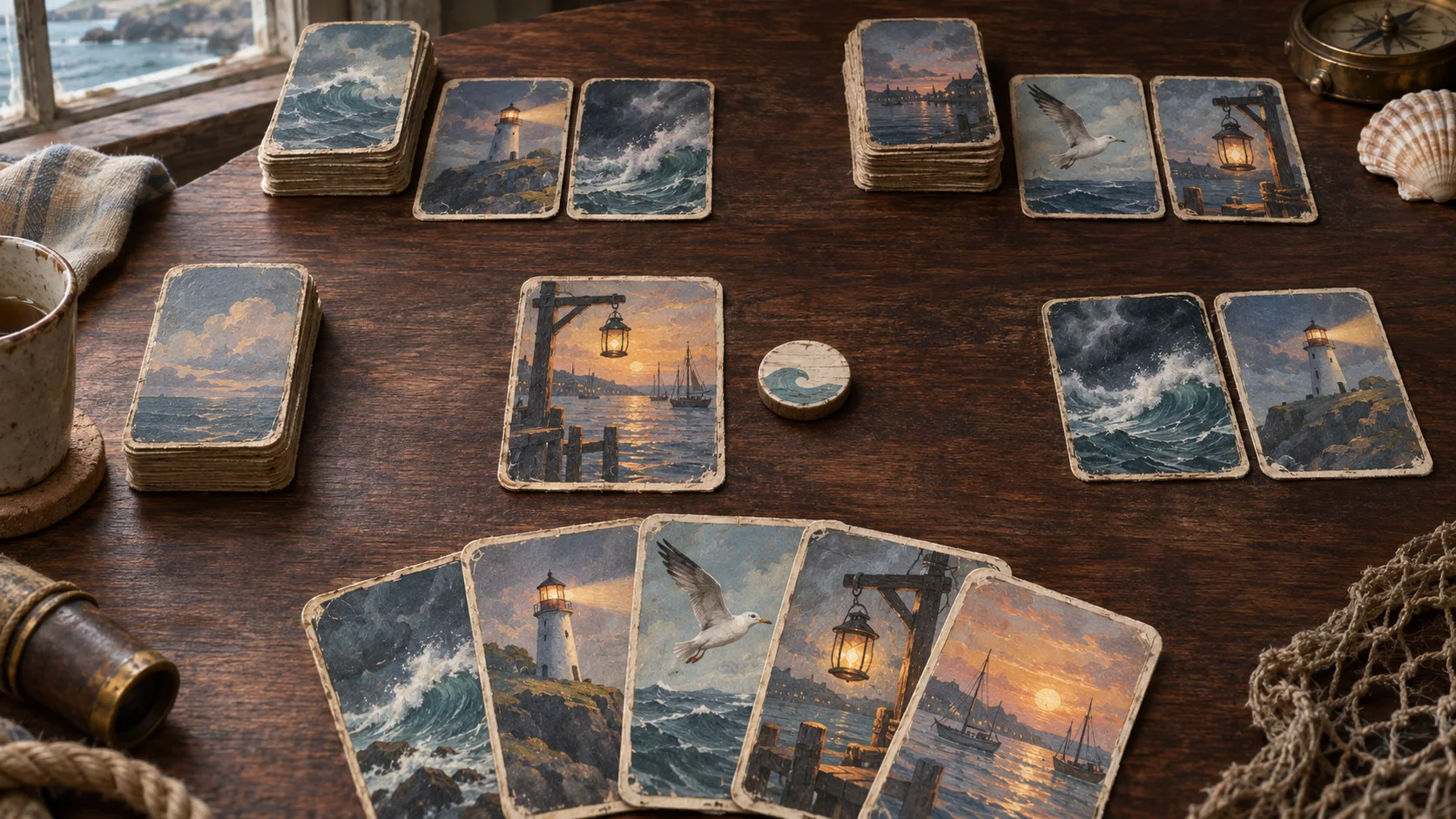
Create a fantasy card game with AI. Design your deck, build turn-based combat, and test your strategy in a playable 3D battle.
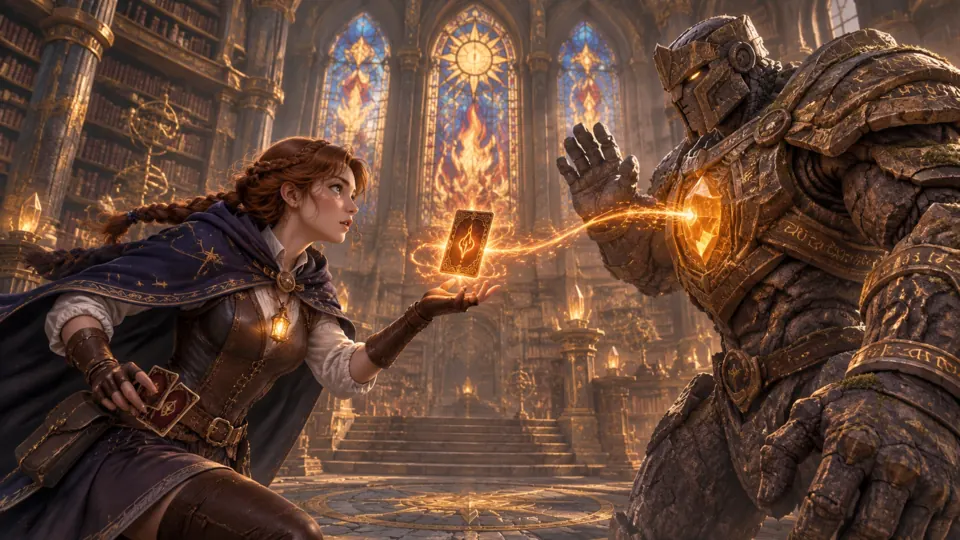
Create a battle between a young mage and a stone guardian, with magic cards that decide the fight.
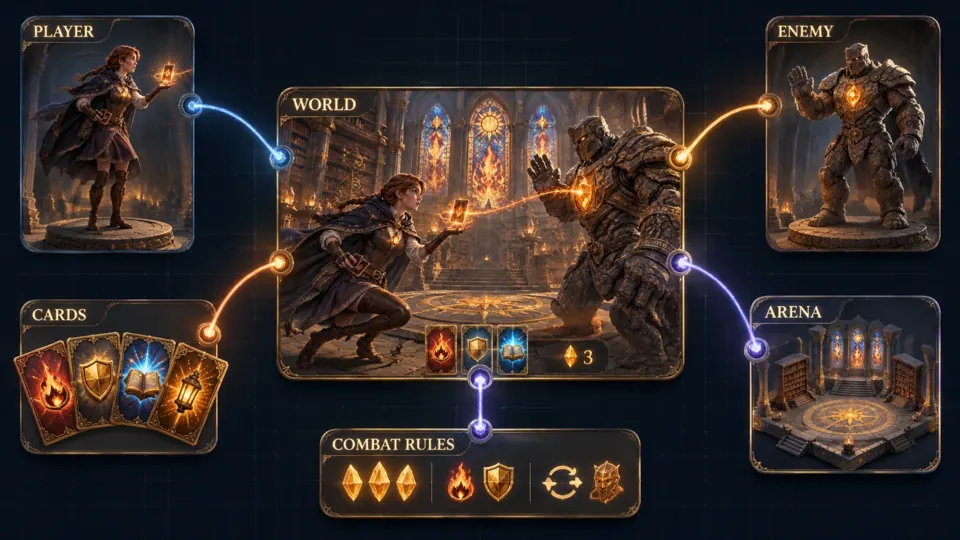
Bring your characters, card deck, battle arena, and turn-based rules together.
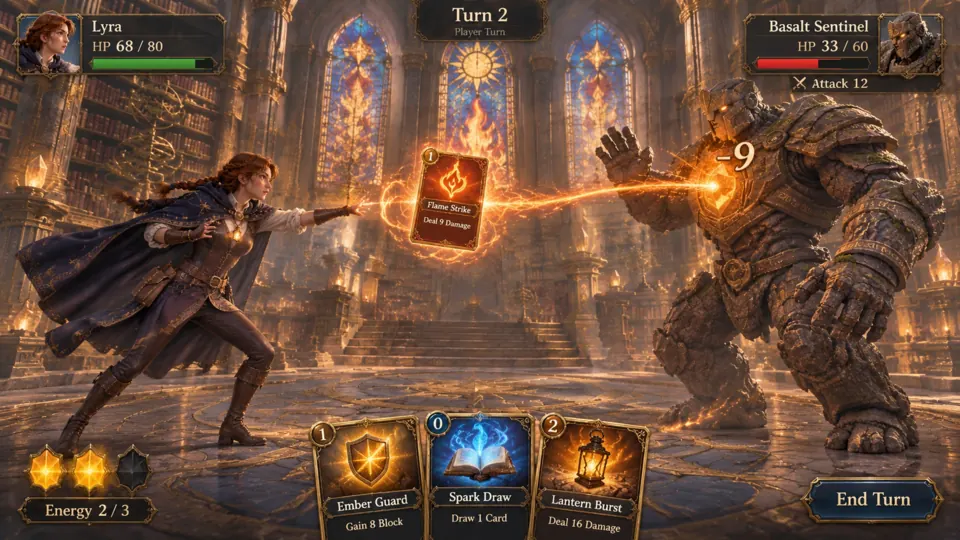
Play Flame Strike, deal damage, and choose your next card before the turn ends.
Pick a starting point
Choose one attack and show the player when it is coming. Check whether the cue is visible from the camera and leaves enough time to react.
Create a 3D boss arena in a circular stone courtyard. A large moss-covered golem raises one arm before a ground slam, then sends a short shockwave across the floor. Give the player a dodge roll, show the shockwave path briefly, and make the arena reset after victory or defeat.
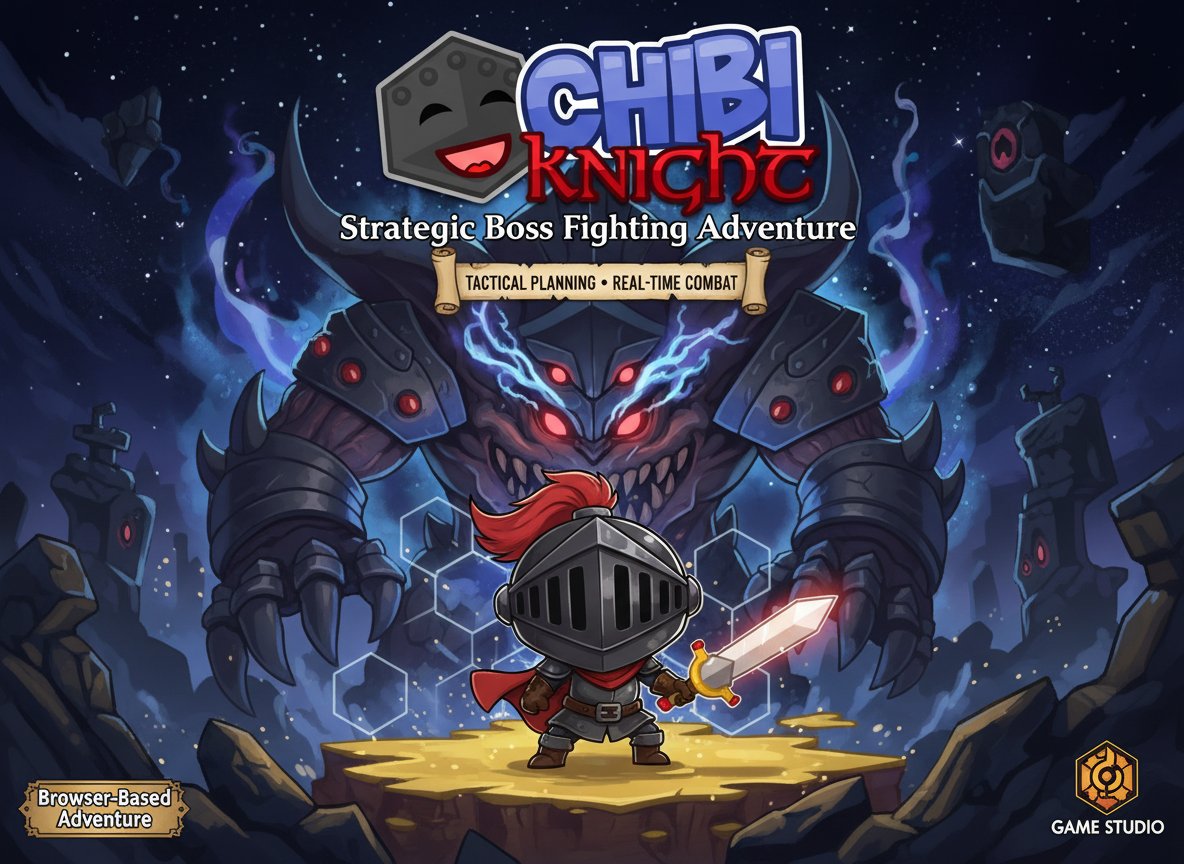 Telegraphed attacks ↗
Why SEELE
Focus on approach, attack cue, player response, damage, and recovery. One encounter can reveal whether those beats make sense together.

Check whether the boss, player, and attack cue remain visible as they move. Camera framing can change how fair a pattern feels.

Give a dangerous move a wind-up, impact, and recovery. That gives players a chance to recognize the pattern and decide when to act.

Set a clear dodge action and a specific recovery window. Ask a tester to try the same pattern more than once and note where timing feels unclear.

Ask whether the tester understood the cue, knew how to respond, and could tell why the fight ended. Their answer points to a concrete change.

Add another phase or arena feature after the initial attack loop is understandable. Otherwise extra effects can make the source of confusion harder to find.
Made with SEELE
These games are playable. Pick one and give it a try.
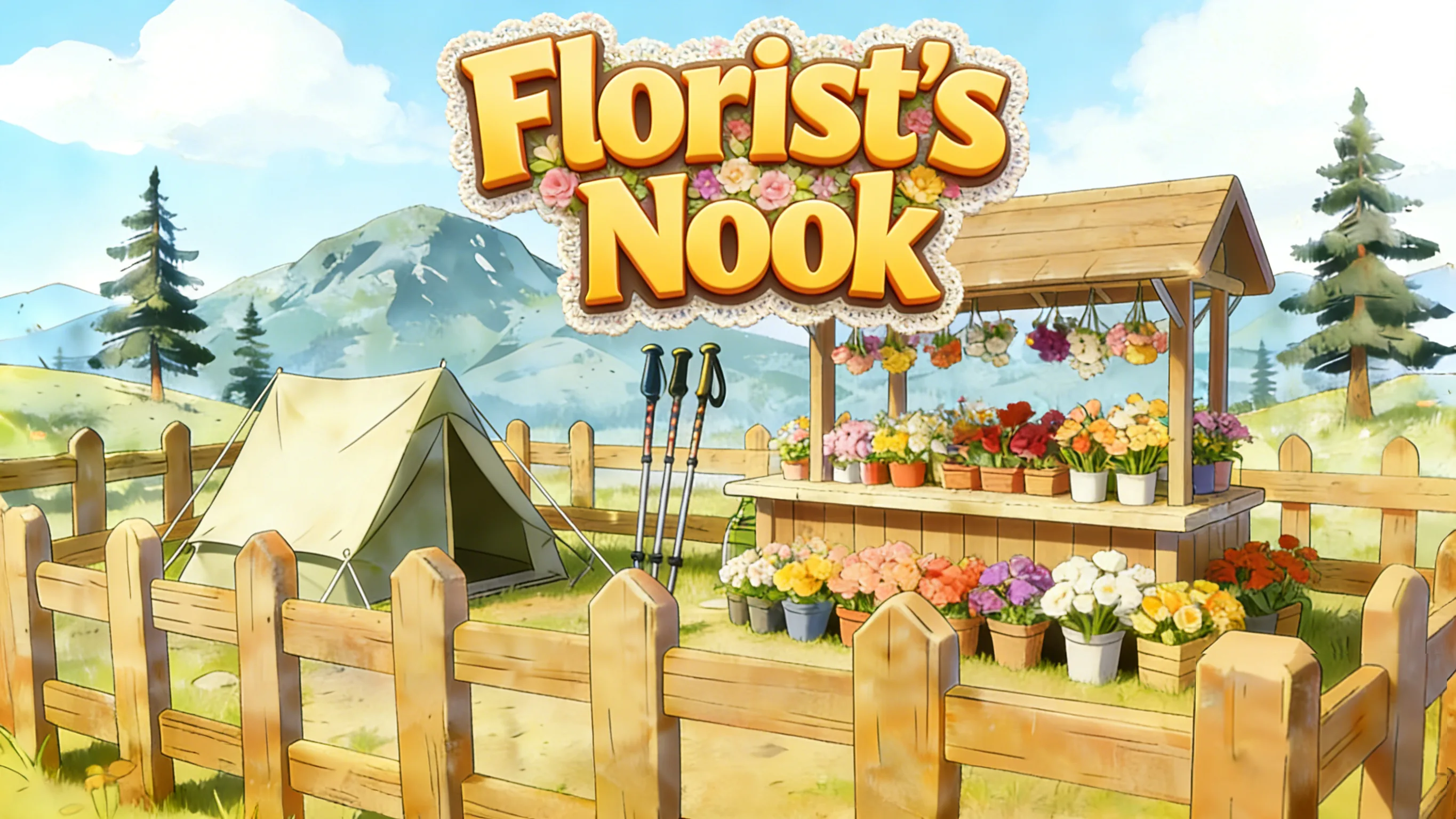 SimulationFlorist’s NookPlay the example ↗
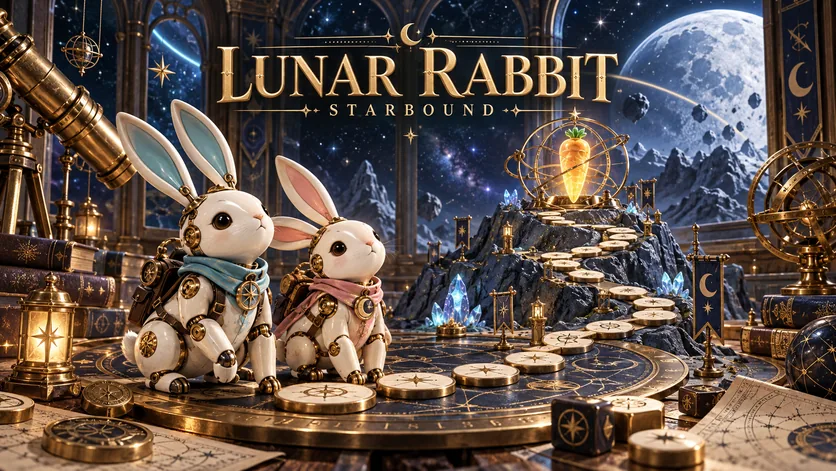 CasualLunar-RabbitPlay the example ↗
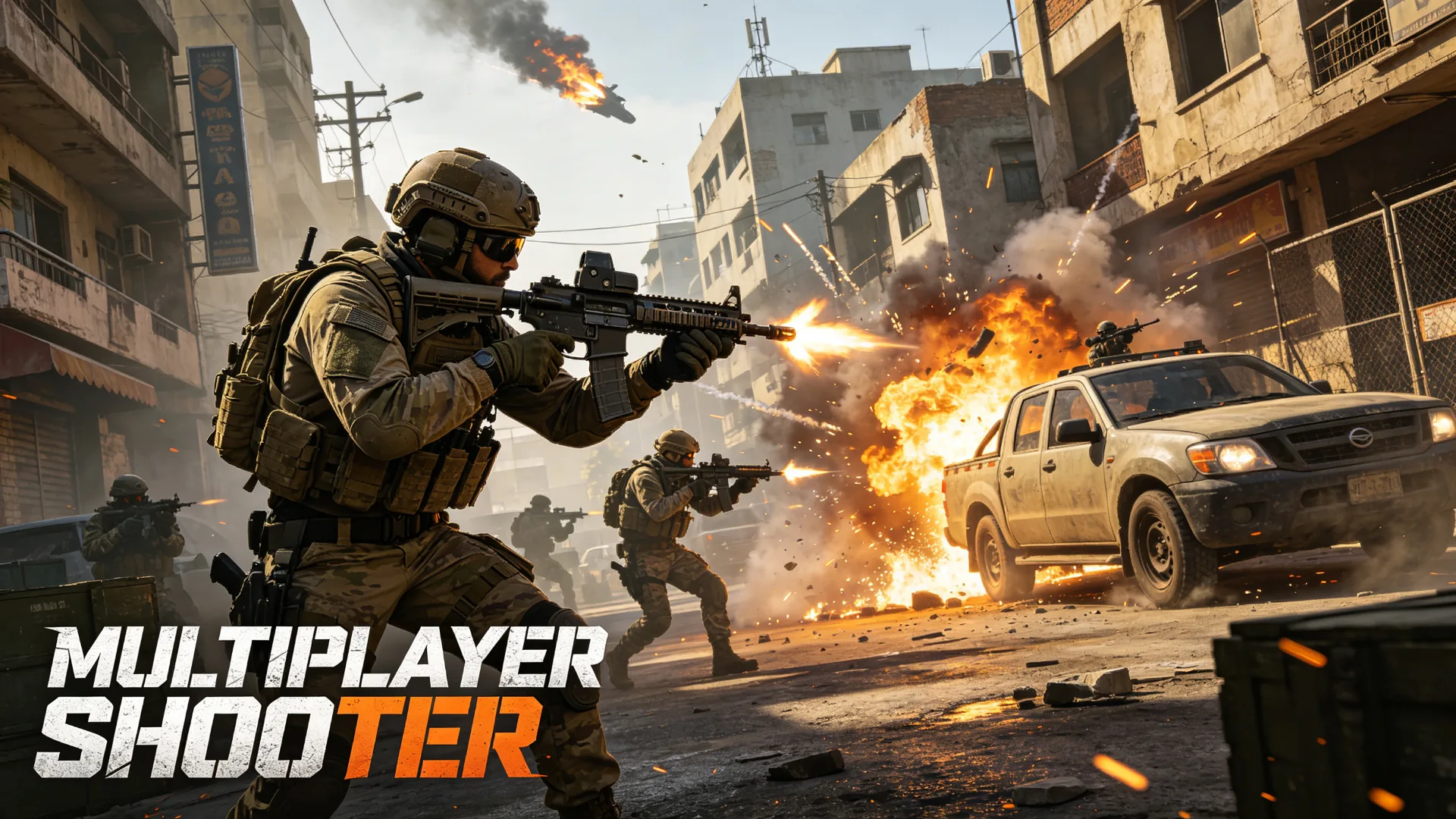 ShooterMULTIPLAYER SHOOTERPlay the example ↗
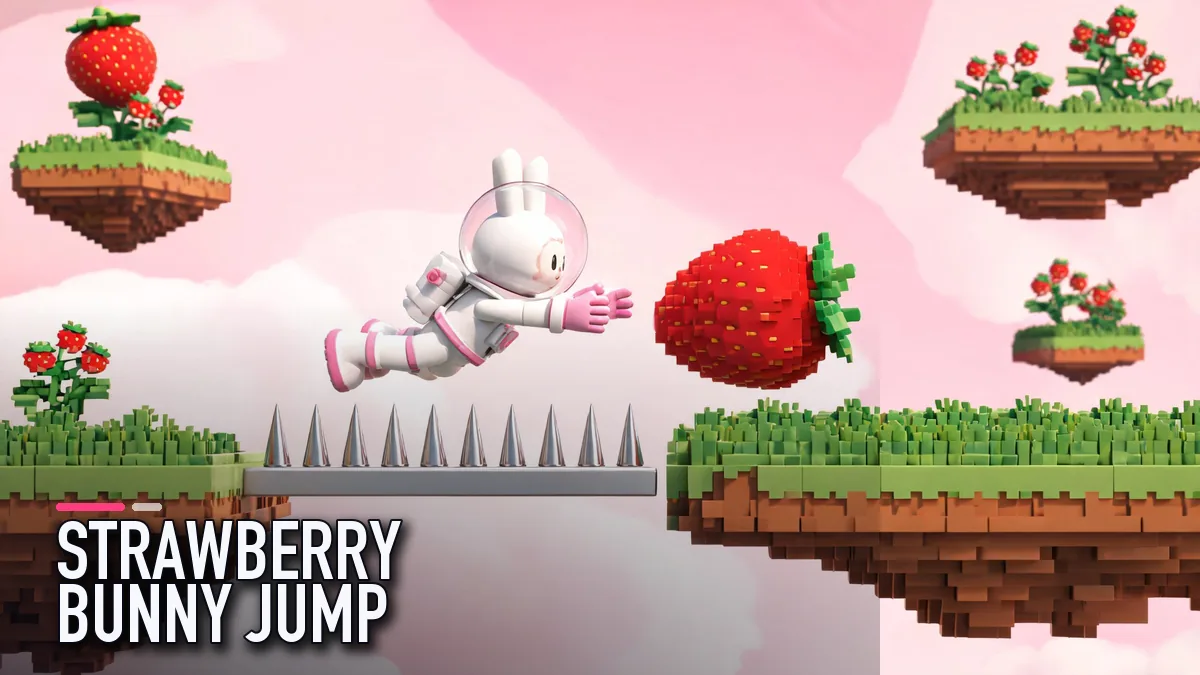 PlatformerStrawberry Bunny JumpPlay the example ↗
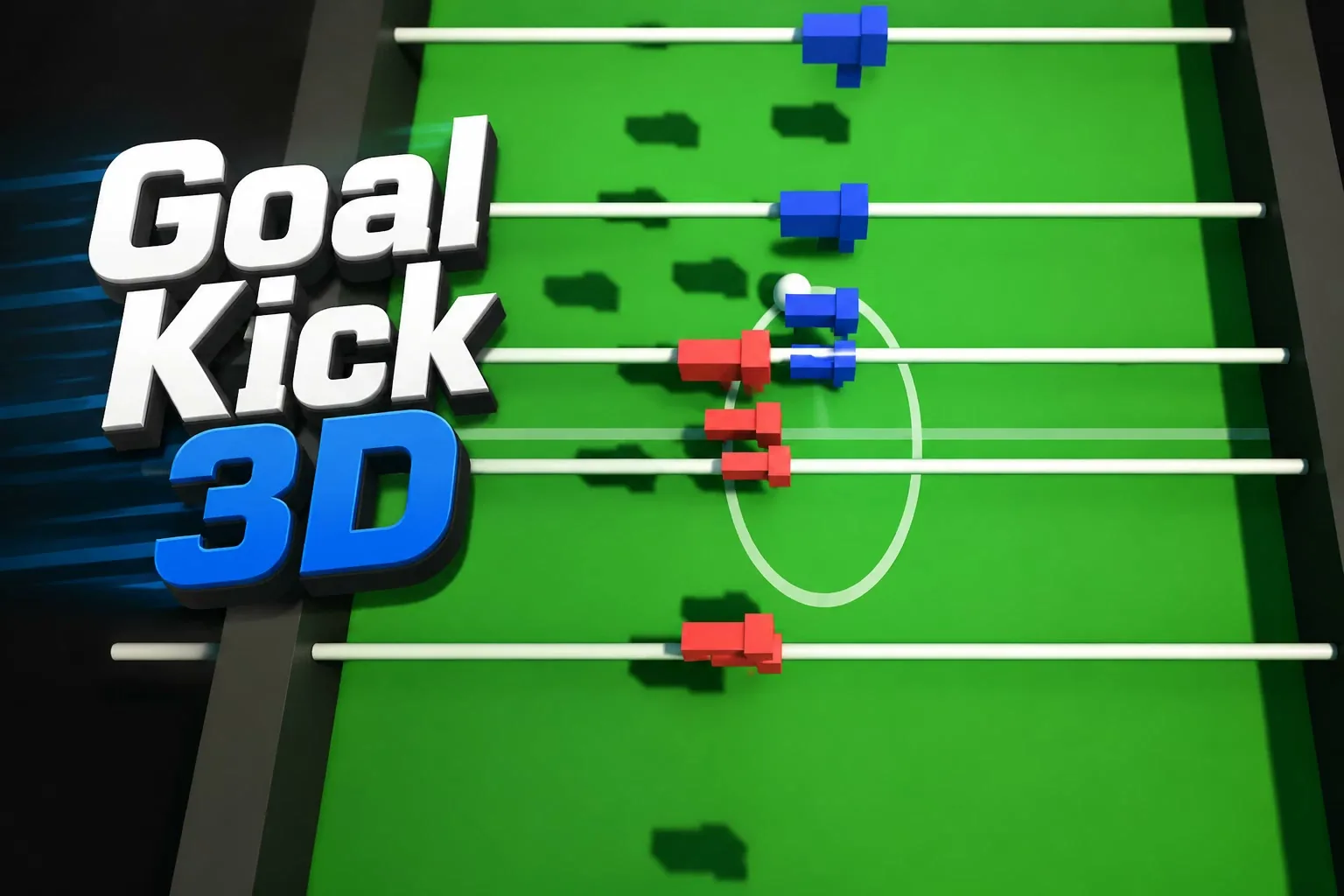 AdventureAdventure GamePlay the example ↗
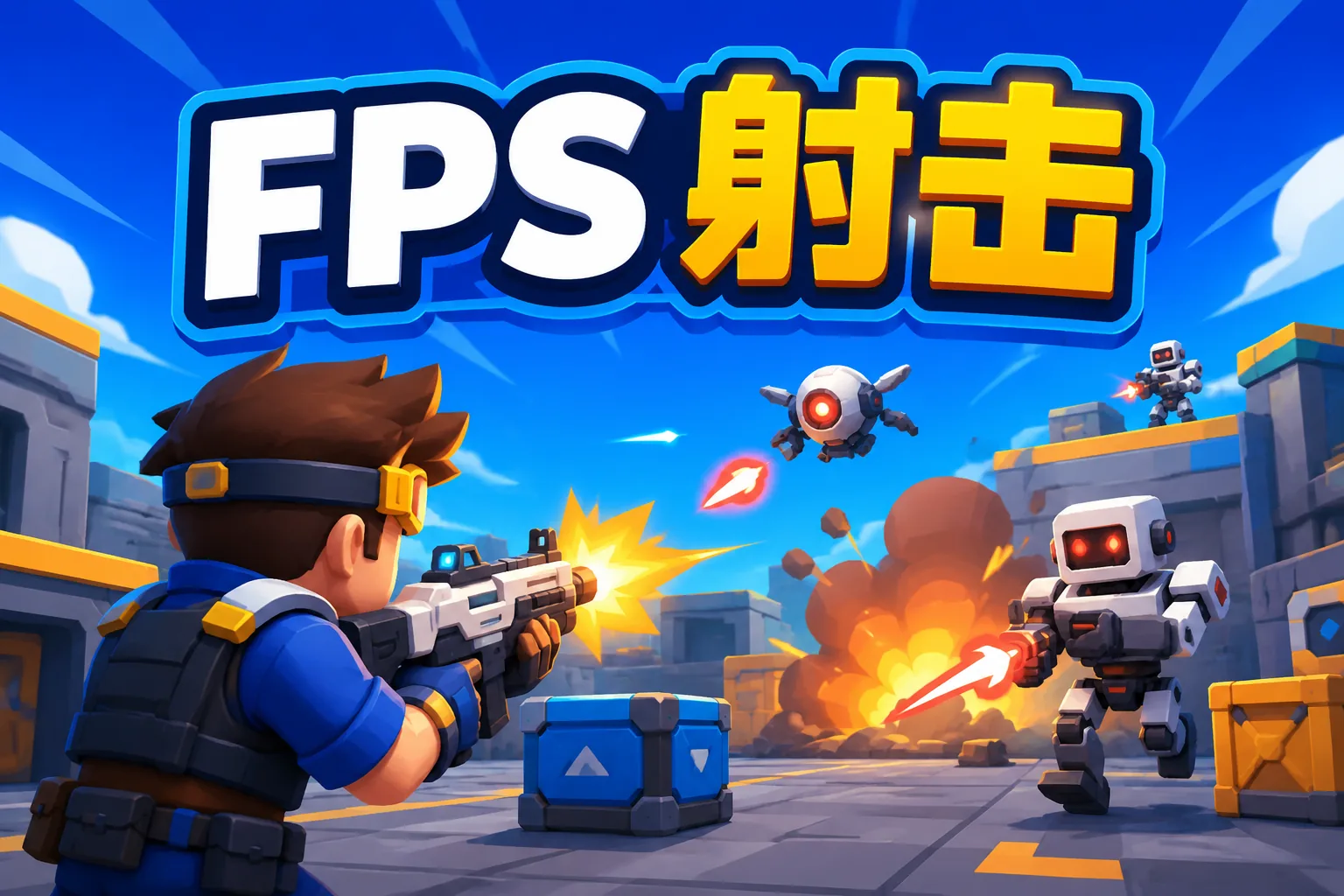 ShooterWorkspace: Three.js FPS 射击游戏开发Play the example ↗
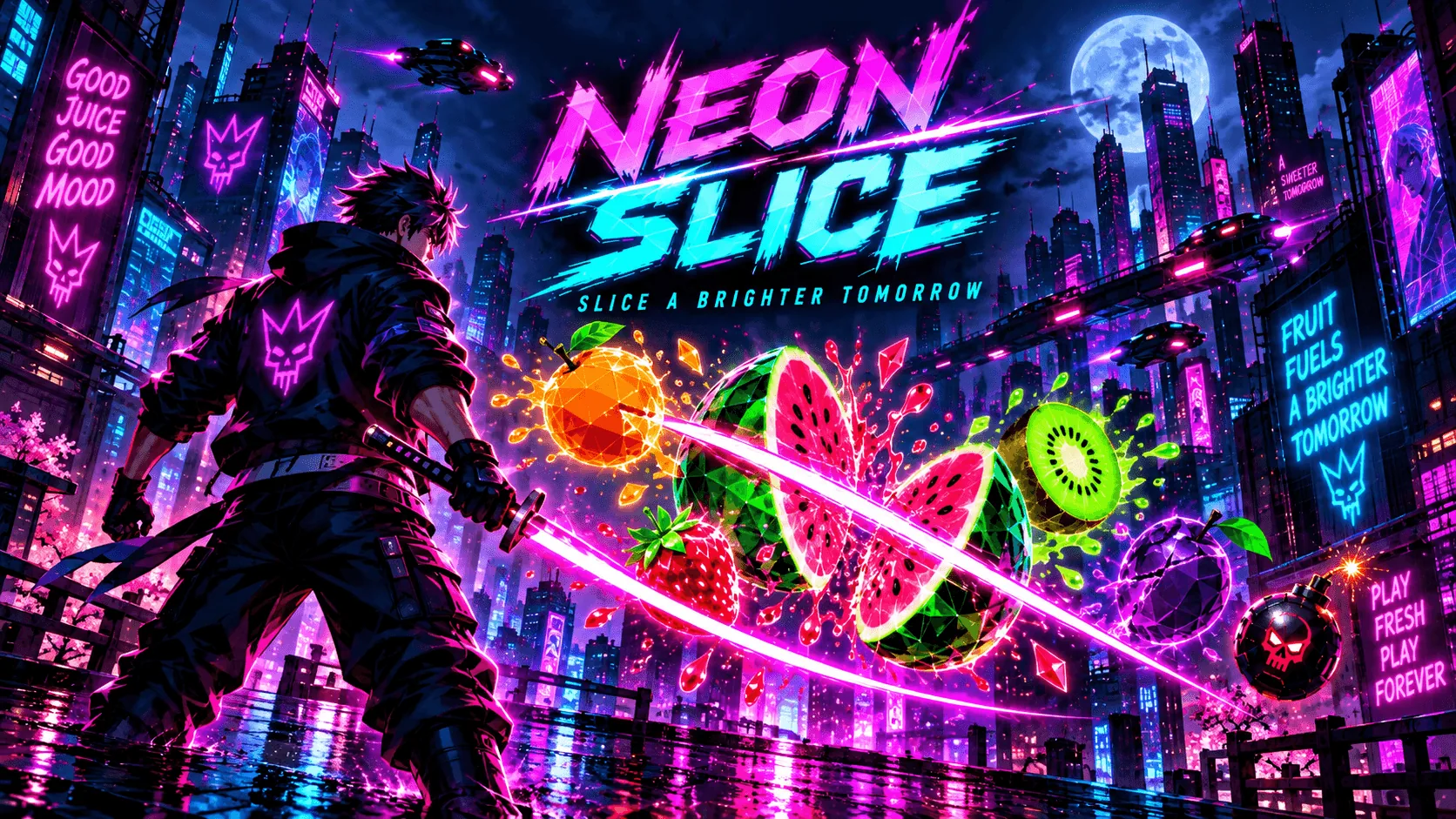 ArcadeNEON SLICEPlay the example ↗
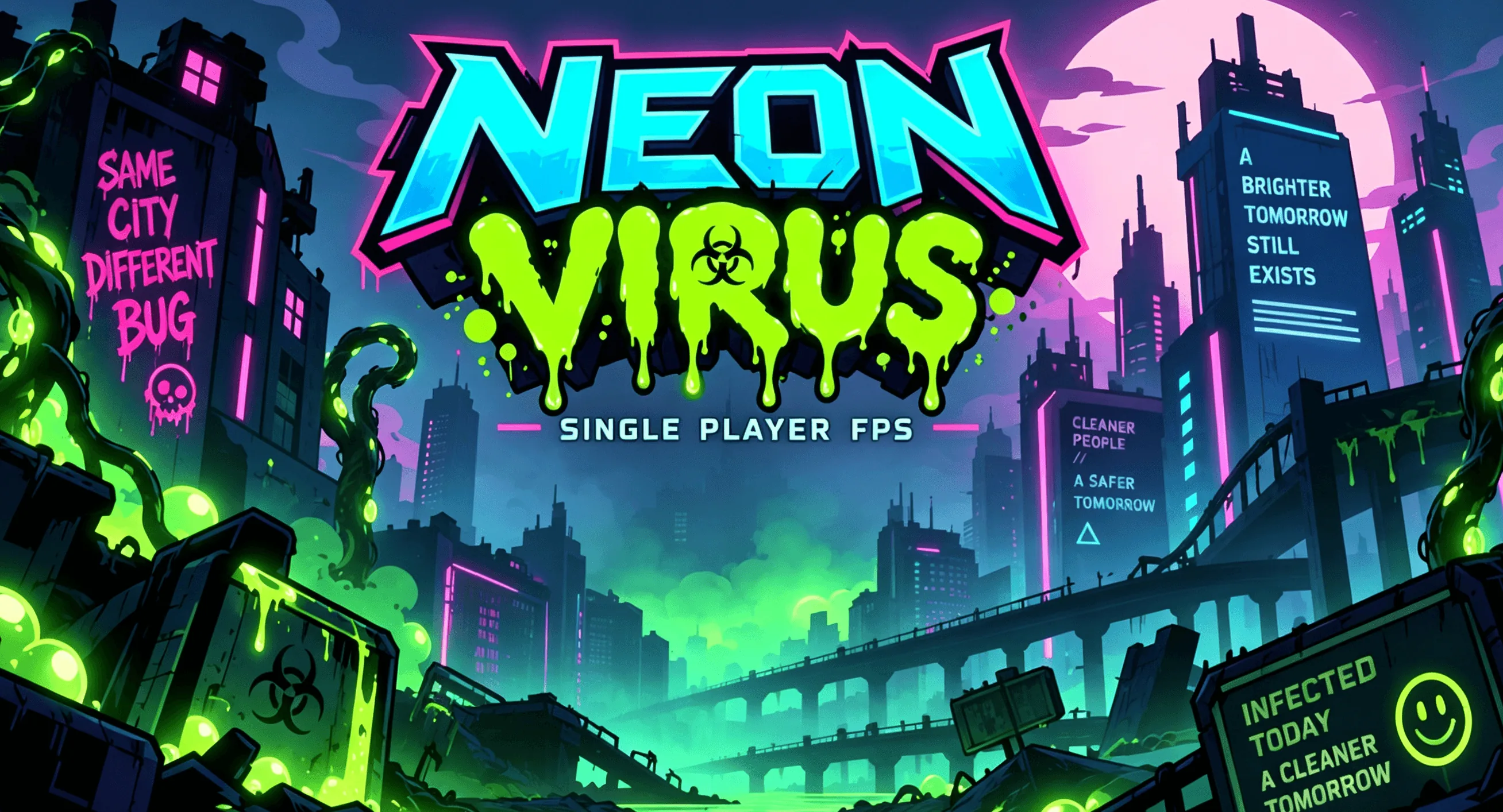 ShooterNeon VirusPlay the example ↗
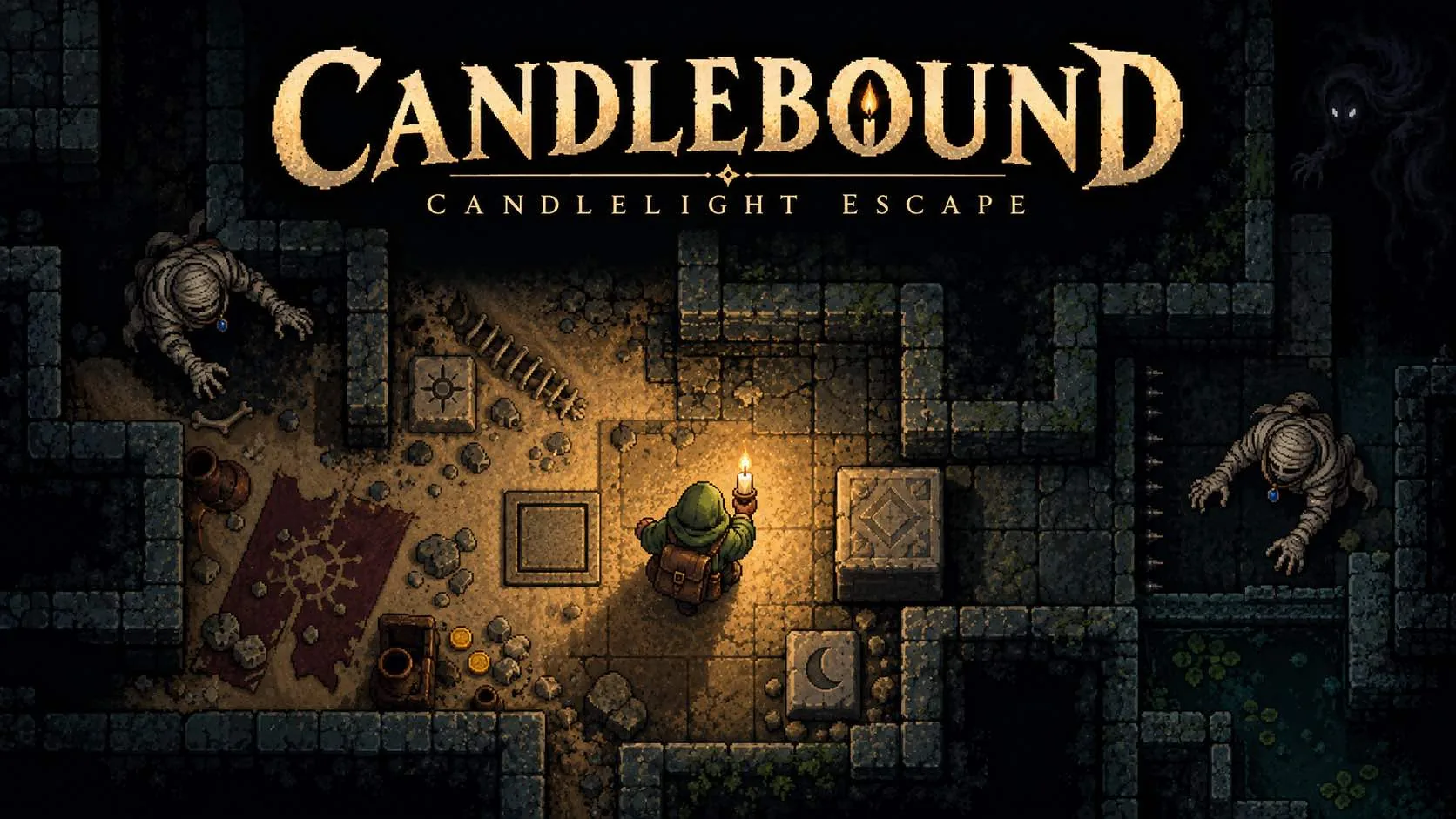 AdventureShadows of the DungeonPlay the example ↗
 PuzzleUnlock Block - 3D Sliding PuzzlePlay the example ↗
Who it’s for
Try an attack pattern in a bounded arena and review its cue, dodge window, damage feedback, and recovery before adding more phases.
3D AI Game Maker ↗
Use a compact encounter to decide what the player can do, how the boss responds, and what ends the fight. Keep a list of project work still needed after the prototype.
AI Game Maker with Code ↗
Test one memorable enemy pattern and one player response within a small scope. A short browser build can give the team something concrete to discuss.
AI FPS Game Generator ↗Compare
| Feature | Focused Boss Arena prototype | Build the full combat game first |
|---|---|---|
| Starting scope | One arena, one boss, and a small player move set | Plan the combat game and its wider content |
| First question | Can players read and answer the attack pattern? | How should combat, progression, and content fit together? |
| Playtest focus | Cue timing, camera, dodge, damage, and outcome | Several systems may change at the same time |
| Feedback | Observe the same encounter across repeated attempts | Collect feedback across a larger portion of the game |
| Next step | Revise the unclear beat before adding another phase | Choose which game system to implement next |
Reviews
FAQ
An AI boss fight maker helps turn an encounter brief into a playable boss-fight prototype. SEELE’s Boss Arena workflow focuses on movement, attack timing, telegraphs, health states, and a restartable outcome.
Describe the arena, player actions, one boss pattern, the cue before it lands, and how the fight ends. Keep the first encounter narrow enough to replay.
A single encounter lets you focus on control feel and attack readability before more levels and systems add noise. You can decide whether the core loop works before expanding the world.
Separate the wind-up, impact, and recovery, and use a cue that remains visible from the play camera. Test it with someone who has not seen the pattern before.
Repeat the same attack and note when players dodge, whether they avoid damage, and how long they wait before acting again. Adjust one timing window at a time.
SEELE describes the Boss Arena workflow as a browser-playable 3D prototype. The first result is for testing an encounter direction; review the generated output before treating it as production-ready.
No. This workflow starts with a playable prototype. Production still requires human review, asset-rights checks, balance, performance work, accessibility review, and polish.
Choose only the actions needed to test the encounter, such as movement, dodge, and one attack. Add another action only when the fight requires it.
The arena changes distance, visibility, and escape routes. Add one feature—such as cover or a floor hazard—and check that it creates a decision without obscuring attack cues.
Show a clear victory or defeat state and provide a restart path. That lets testers understand the result and replay the same encounter.
Yes. SEELE’s page says the generation context can be edited. Change the art direction, boss pattern, controls, or arena while keeping the combat loop testable.
Generation uses the Koin or generation allowance available on your account. Check the amount shown in Workspace before starting; the page does not promise a fixed price.
Use original characters or material you have permission to use. Review the rights for prompts, uploads, generated output, and third-party assets before sharing or commercial use.
Check whether players understand the attack cue, dodge, damage, and result. Review performance, controls, accessibility, and rights, then decide which part needs another pass.