Make scarcity understandable
Show the supply available and what each use costs.

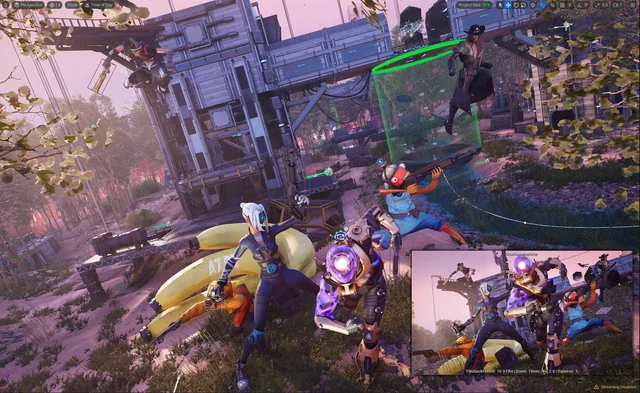
Plan a survival game encounter around resource choices and readable environmental pressure. State what the player needs and how they can recover from a mistake.
How it works
Use the first night to test supplies, shelter, and recovery.

Place the player near a cabin as sunset approaches.
Let the player gather wood for the stove or reinforce the door before night.

Make warmth, water, or fatigue change when the player acts.
Let someone reach shelter after sunset and see whether they understand the consequence.
Add one way to recover without removing the cost of arriving late.
Pick a starting point
Start a cold-weather run with a broken cabin, a nearby woodpile, and sunset approaching. Review whether the choice and result are visible during play.
Start a cold-weather run with a broken cabin, a nearby woodpile, and sunset approaching. Let the player gather enough branches to light a stove or reinforce the door before night.
 Core survival loop ↗
Why SEELE
Show the supply available and what each use costs.

Use weather, terrain, or daylight to shape the player’s plan.

Signal danger before it becomes unavoidable.

Let players learn from a setback instead of ending every run.

Use the scene and interface to communicate warmth, thirst, and fatigue.

Check that each threat leaves at least one meaningful response.
Who it’s for
Test whether limited supplies create a readable decision.
Create AI Survival Game Maker with AI ↗
Tie a weather change or shelter choice to what happens next.
Uefn Team Review Unreal ↗
Adjust one resource or deadline while keeping the rest of the encounter fixed.
Game Generator AI Free ↗Reviews
FAQ
It can help shape a survival encounter around scarce supplies, environmental pressure, and a route to safety. The cabin example makes the first night the player’s immediate problem.
Give the player one urgent need and two ways to respond. In the cold-weather scenario, they can gather wood for the stove or reinforce the cabin door before sunset.
No. Use the brief to plan the encounter; implementation, asset setup, testing, and release still depend on your chosen engine and workflow. Check the current handoff before expecting project files.
Set the shelter, available supplies, weather cue, and one goal for the first night. Decide what recovery is possible if the player arrives late.
Plan a survival run around a shelter goal: gather wood before night, decide how to use limited water, or move camp ahead of a storm.
Start with the cabin and nearby woodpile. Give players until sunset to gather branches, then review the stove or door choice.
The player should feel the cost of either option. In the canyon example, drinking now leaves less water for planting a shade tree near the return route.
Let a player reach the cabin without explaining the resource rules. See whether they notice sunset, understand the woodpile, and can recover if they arrive late.
Start with the cabin, woodpile, and sunset deadline. Make the stove and door respond to the player’s choice before adding a storm or longer route.
Check that warmth, water, and fatigue change when expected. If the player reaches shelter late, the game should show the consequence and a clear way to recover.
Keep one shelter, one nearby resource, and one approaching threat. Add another biome or crafting system after the first resource decision works.
Run the same cold-weather start twice. Compare gathering wood for heat with reinforcing the door, and keep the sunset time and starting supplies fixed.
Make the recovery option visible after the mistake, such as a nearby shelter or a smaller resource cost. Replay the same late arrival to check that the choice helps without erasing the consequence.
Check that the builder supports the resource states, weather cues, and restart behavior you need. Test the late-arrival case, not just the ideal route.