Give exploration a purpose
Tie each landmark to a goal, clue, or resource.

Plan an island game around navigation, landmarks, supplies, and discoveries that make the player’s route feel purposeful.
How it works
Connect a visible destination with landmarks and a route home.

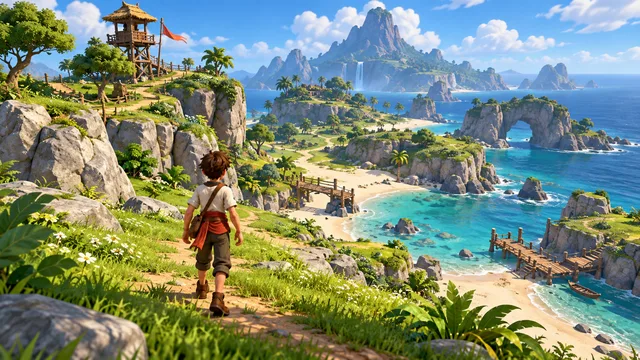
Place the beacon where players can spot it from the crescent beach.
Add three signal flags that lead back to the boat.
Put a tide pool between the player and cave; show the ridge as another route.
Ask someone new to find the beacon and return using the landmarks.
Move or strengthen the last marker they noticed, then run the same route again.
Pick a starting point
Start on a crescent beach where the player must find three signal flags and mark a safe route back to the boat. Review whether the choice and its result are easy to follow.
Start on a crescent beach where the player must find three signal flags and mark a safe route back to the boat. Show the mountain beacon from the shoreline.
 Core game loop ↗
Why SEELE
Tie each landmark to a goal, clue, or resource.

Use visible terrain and map cues to help players find the route.

Offer different costs for waiting, climbing, or using supplies.

Use discoveries to open a new path or explain the setting.

Show what the player carries and what remains at camp.

Make sure the player can navigate back after reaching the objective.
Who it’s for
Test whether landmarks help players choose and retrace a route.
Uefn Team Review Unreal ↗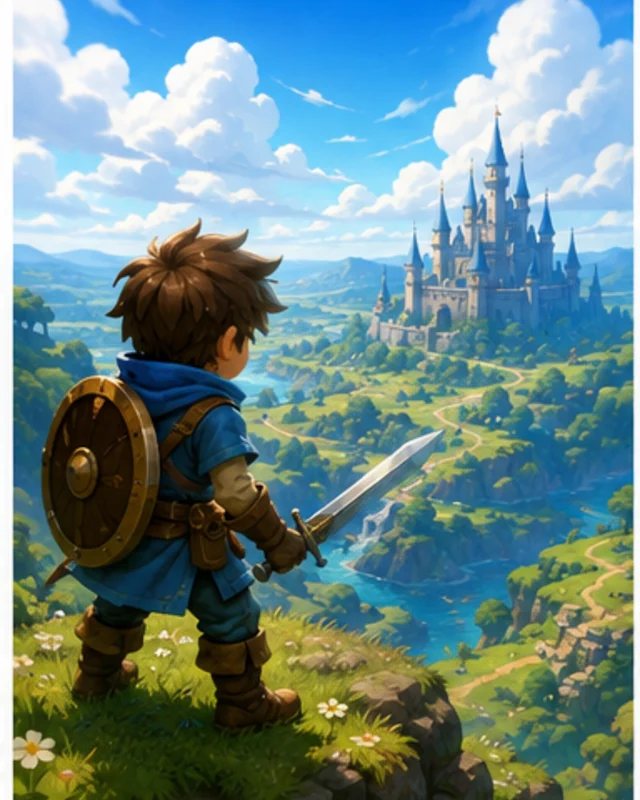
Compare a tide-bound path with a ridge route before adding more terrain.
Verse Gameplay Island Unreal ↗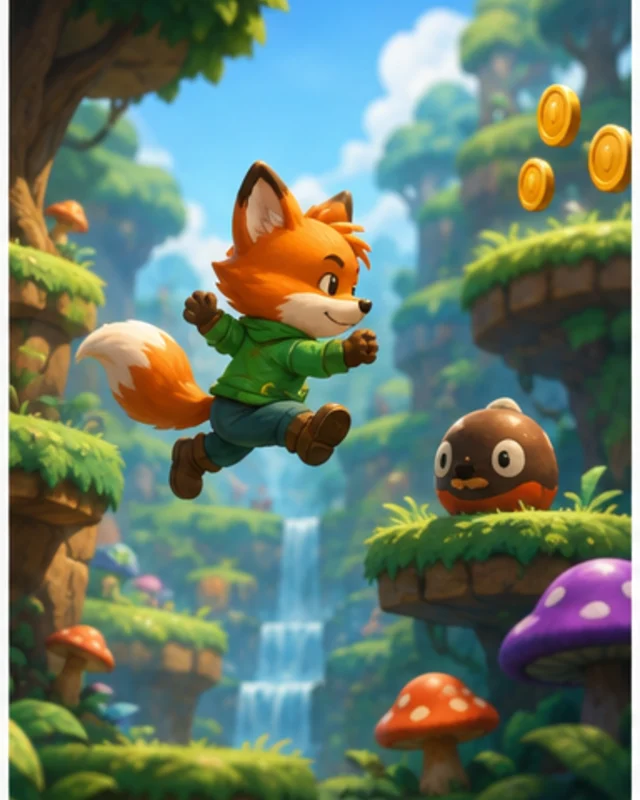
Check that flags, compass cues, and the return point agree.
Game Generator AI Free ↗Reviews
FAQ
It is a creation page for turning a island exploration idea into a focused prototype direction, prompt, and iteration plan inside Seele.
Give the player a destination they can see from shore and one obstacle between them and it. Add a marker that also helps them find the boat again.
It can help plan a first island scenario. You will still need to implement and test navigation, map behavior, assets, and release setup in your chosen tools.
Name the starting shore, destination, obstacle, and route back. The mountain beacon gives the first navigation test a visible endpoint.
Plan an island route around the beacon, a tide-pool obstacle, an alternate ridge path, and a map or compass cue.
Start at the shoreline, show the beacon, and add one obstacle or map cue. Test the route back before opening more areas.
Name the beach, beacon, route obstacle, and return point. In the example, the player finds three signal flags and marks a safe way back to the boat.
Ask someone new to the map to find the beacon and return to the boat. Watch where they lose sight of landmarks or mistake the cave route for the way home.
Start with the beach-to-beacon route and a visible path back to the boat. Add the tide-pool shortcut after the basic navigation works.
Check that the beacon can be spotted from shore, the three flags are easy to find, and the return route is clear without relying on a map the player has not learned.
Use one beach, one destination, and one obstacle. Leave caves and alternate routes for a later pass.
Keep the destination and starting point fixed. Compare waiting for the tide with climbing the ridge, and make each route’s cost visible before the player chooses.
Move or strengthen the last landmark they recognized, then repeat the same route. Keep the destination in view so you can tell whether the cue solved the problem.
Verify that it can create the map, route markers, and compass cues you need. Test the beach-to-beacon path in the playable build and check the return trip separately.