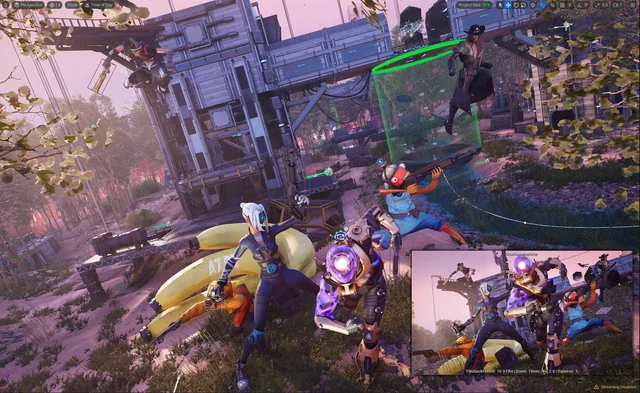
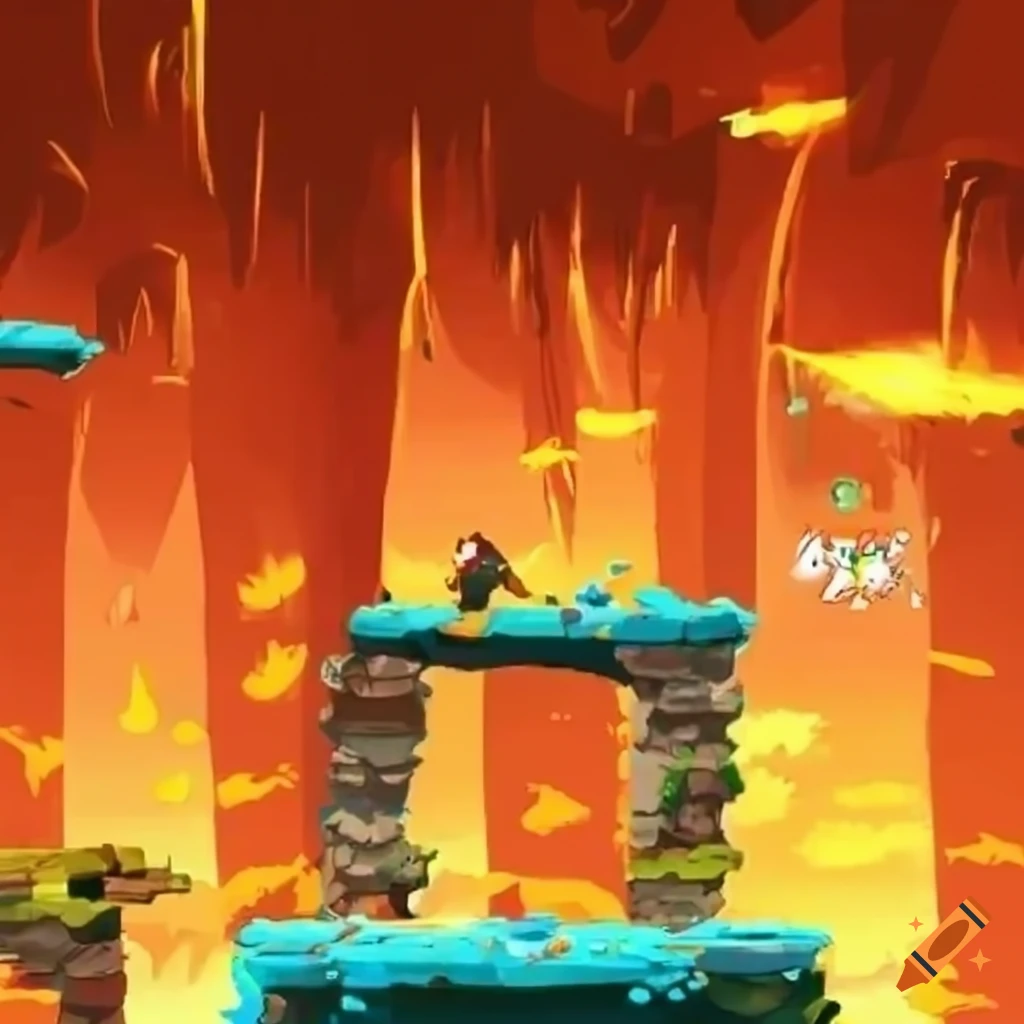
Make runs varied for a reason
Change rooms or rewards in ways that create new decisions.

Create a few connected rooms where each choice changes the player’s resources, route, or next encounter. Keep enemy patterns and random outcomes readable enough to compare across runs.
How it works
Work through one short roguelike game loop, then playtest its choices, controls, and feedback.

Choose a compact room sequence with a clear start and one possible ending.
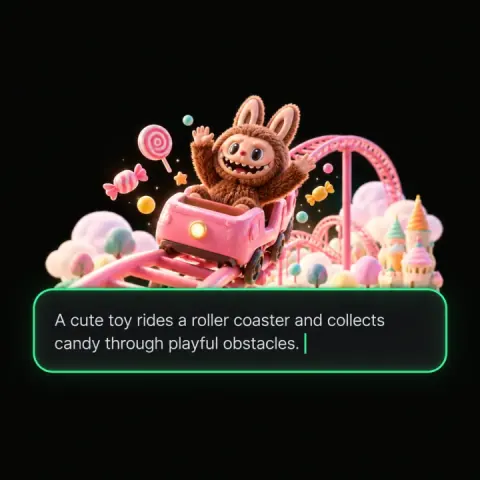
Offer a safe path and a riskier room with a visible reward or cost.

Use a key, potion, or charge to make a choice matter across more than one room.
Change one encounter or reward between runs while keeping the core rules consistent.
Ask players what changed, what they learned, and why they chose a different route on the next attempt.
Pick a starting point
Create a three-room dungeon run: fight a slow guard for a key, spend one potion at a shrine, then choose between a safe exit and a locked reward room. Review whether the rule, choice, and outcome are clear.
Create a three-room dungeon run: fight a slow guard for a key, spend one potion at a shrine, then choose between a safe exit and a locked reward room.
 Core game loop ↗
Why SEELE
Change rooms or rewards in ways that create new decisions.

Keep the possible effects of a choice understandable.

Show what the player spends and what remains.

Give players a chance to respond to attacks.

Track health, items, room progress, and lasting unlocks separately.

Explain what resets after defeat and what carries to the next run.
Who it’s for
Map route choices, enemy patterns, resource use, and outcomes across short runs.
Create AI Roguelike Game Maker with AI ↗
Check whether random rewards support decisions players can explain.
Uefn Team Review Unreal ↗
Build one replayable route before expanding classes, items, or room pools.
Game Generator AI Free ↗Reviews
FAQ
It helps plan a roguelike prototype around repeatable runs, room choices, and rules that remain learnable across attempts. Begin with a small route and one resource decision.
Give players decisions that can lead to a different route, tool, or encounter on another attempt. Keep the rules stable enough that they can learn from each run.
Let random rewards or room order change a decision, but preserve cues players need to respond. Test whether a loss came from the choice or from an outcome they could not read.
Offer different costs or rewards, such as a safer path with fewer supplies and a harder room with a useful item. Make the tradeoff visible before the player commits.
Show how each item, skill, or upgrade changes an action. Avoid combining several hidden effects before players have tested the basic rules.
Give an attack a consistent cue and a clear response window. Repeat the pattern before changing its timing or target area.
Explain the outcome and let players see what they learned or retained, if anything. Keep the next run easy to start so they can apply that knowledge.
First test the run itself. If progress carries between attempts, make it clear what persists and how that changes the opening choices.
Use consistent cues and let players understand why an encounter was difficult. Increase one demand at a time, then playtest the same route.
Make it short enough to replay during a test and long enough to include the core decision. The right length depends on room complexity and action speed.
Specify the run route, player goal, one resource, possible choices, enemy cues, and what can change between attempts. State what should stay consistent.
Keep the rules and opening conditions stable, then change one route or reward. Compare the decisions players make and what they understand afterward.
Start with one playable role unless class choice is the specific feature under review. Add alternatives after the shared movement and combat rules are clear.
Look for whether players can explain their route choice, recognize enemy cues, and connect the run’s outcome to a decision they made.