HEIC File Conversion and Viewing
Plan heic file conversion and viewing faster with a tool page built for image conversion, compression, and resizing, examples, and a direct workspace handoff.
Try this in Seele AI
Start with one concrete heic file conversion and viewing task and continue in the workspace with the same prompt.
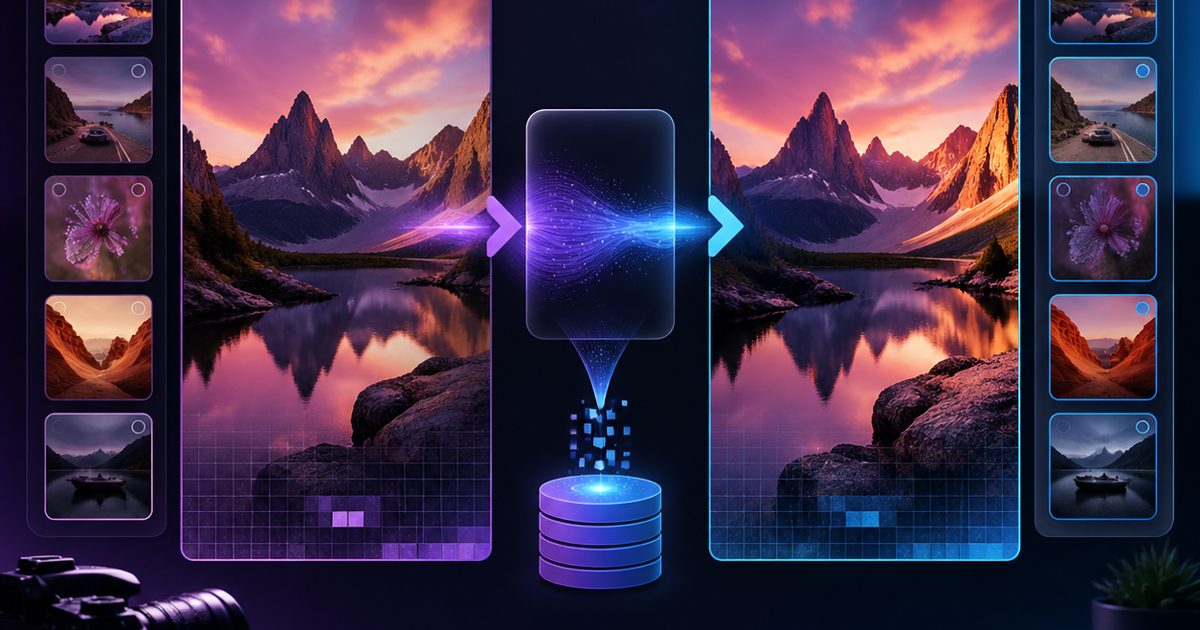
How It Works
How It Works
Define The Exact Asset Or Edit
Describe the source file, intended result, and constraints behind heic file conversion and viewing. Seele translates that into a tighter task with clearer quality and format requirements.
Generate Or Transform The Output
Choose the strongest direction, plus any format, background, size, or style rules. Seele builds a first-pass workflow for image conversion, compression, and resizing and surfaces useful variants.
Review And Export
Check edge cases, readability, crop safety, and final platform requirements. Seele helps tighten the result so the final export is easier to approve or continue refining.
What You Get
What You Get
Primary Output
A first-pass result tailored to heic file conversion and viewing.
Variant Set
Alternative versions for different platforms, sizes, or visual directions.
Export Notes
Clear next-step guidance for approval, cleanup, or final delivery.
Where This Works Best
Best For And What Still Needs Review
- Fast first-pass heic file conversion and viewing exploration
- Comparing variants before manual production polish
- Operators who need more structure around image conversion, compression, and resizing
- Brand-sensitive copy and final creative judgment
- Exact crop, alignment, and production-safe export checks
- Legal, factual, or platform compliance review when relevant
FAQ
Start with one concrete job-to-be-done, plus the source asset, output format, and quality constraints that matter most for heic file conversion and viewing.
Yes. The workflow is strongest when you specify the destination format, dimensions, and where the result will be used.
Use the tool page when you want a fast first pass, clearer variants, and a repeatable handoff into the workspace before doing final manual polish.
Check crop safety, text readability, edge quality, compliance-sensitive details, and whether the final export really matches the destination platform.
No. It speeds up the first pass, but final production judgment, brand review, and exact delivery requirements still need a human check.
Start creating with HEIC File Conversion and Viewing | Seele AI
Join thousands building with Seele AI — no setup required.
Open Workspace