Make the routine visible
Show planting, growth, and harvest as distinct changes.

Give players a small plot, a few seeds, and a reason to tend each bed. Show how watering, weather, and harvest change the farm, then test whether the next task is clear.
How it works
Work through one short farming game loop, then playtest its choices, controls, and feedback.

Start with two or three beds and a nearby place to store seeds or tools.
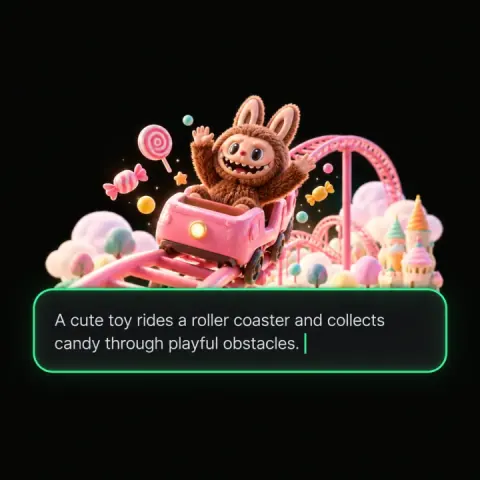
Show the steps from planting to harvest and how much in-game time each step takes.

Limit one resource such as water, then make the effect of using it visible.
Let harvest, weather, or a completed task change the beds, storage, or nearby space.
Watch a player decide what to plant and whether they understand when it will be ready.
Pick a starting point
Start in spring with two empty beds and three seed packets. Review whether the image or scene supports the intended use.
Start in spring with two empty beds and three seed packets. Let the player plant carrots, water them, and harvest after two in-game days; show the beds change at each stage.
 Farm routine ↗
Why SEELE
Show planting, growth, and harvest as distinct changes.

Use weather or daylight to shape choices without punishing missed days.

Let familiar tasks unlock a new crop, tool, or place to explore.

Tie requests to the farm’s current season or available produce.

Offer a short task list alongside optional activities.

Check that crop timing gives players useful things to do between harvests.
Who it’s for
Shape crop cycles, resource choices, and visible changes across a small plot.
Uefn Team Review Unreal ↗
Test how a limited resource affects a repeatable daily routine.
Game Generator AI Free ↗
Build one complete planting-to-harvest loop before adding a larger farm.
AI game generator workflow ↗Reviews
FAQ
It helps shape a farming-game concept around planting, care, harvest, and the decisions that connect them. Start with one plot and a complete crop cycle.
Show the player how to plant, tend, and harvest one crop. Make the time or action needed for each stage visible so the loop can be tested.
Use distinct visual states for planted, growing, and ready crops. A short label or animation can explain what changed after watering or waiting.
Let weather change a choice without making progress feel arbitrary. Give players a forecast or environmental cue, then provide a response such as watering or changing the planting plan.
Give the player fewer watering actions than beds and make each crop’s state visible. Check whether players can explain why they chose one bed over another.
Let one task prepare or improve the next: compost helps a bed, harvested produce supports a market stall, or a repaired path makes another plot reachable.
Give a character a request that connects to a crop or place the player already knows. Show how completing it changes a relationship, object, or available task.
Keep the first day short enough to learn the routine. Add a new decision only after players know how planting, time, and harvest relate.
Choose a consequence that matches the game’s tone, explain it before it happens, and let players recover if the design is meant to feel forgiving.
Tie a new bed or tool to a clear milestone, such as completing a harvest or helping a neighbor. Let players see what the expansion changes.
It can be designed around shared tasks or divided roles, but test whether players know who is tending each plot and how they coordinate a harvest.
Check text size, clear crop states, readable timing cues, and whether essential feedback uses more than color alone. Make repetitive inputs comfortable to use.
Name the plot, crops, growth stages, one resource choice, the day’s goal, and the visible result of a harvest. Add a boundary such as a small farm or short play session.
See whether players know what to plant, what needs attention, and when a crop is ready. Note which feedback they miss before expanding the farm.