Keep the first map small
Describe one block, a few destinations and one goal before adding city-wide systems.

Use a fictional setting to plan one playable loop—street connections, a neighborhood market or a resident’s day. This is an independent SEELE AI creation page, not the official Lagos Life game.
How it works
Choose a fictional setting, one loop and a clear review condition before expanding the scope.

Choose road building, a resident routine or a short errands game; keep the first version focused on one.
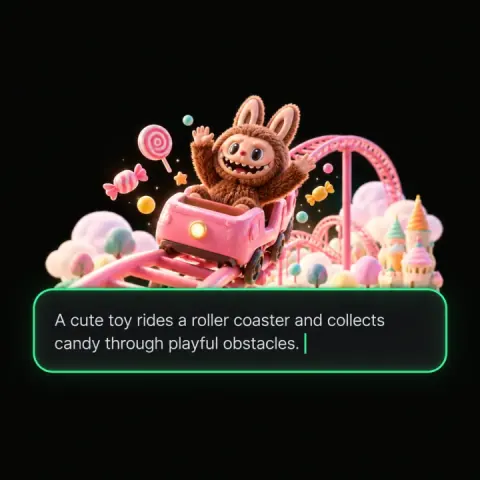
Describe the map scale, destinations and visual cues. Verify any real-world references before using them.
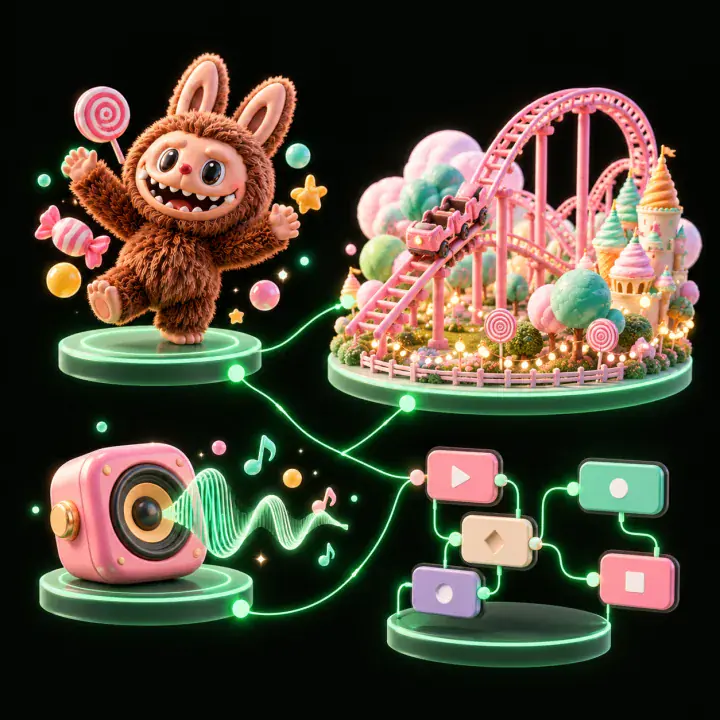
Explain movement, placement, interactions, costs and the feedback after each action.
Give the player a visible success condition and a way to restart or retry the loop.
Submit through the available account flow, then test routes, invalid actions, task completion and accessibility before sharing.
Pick a starting point
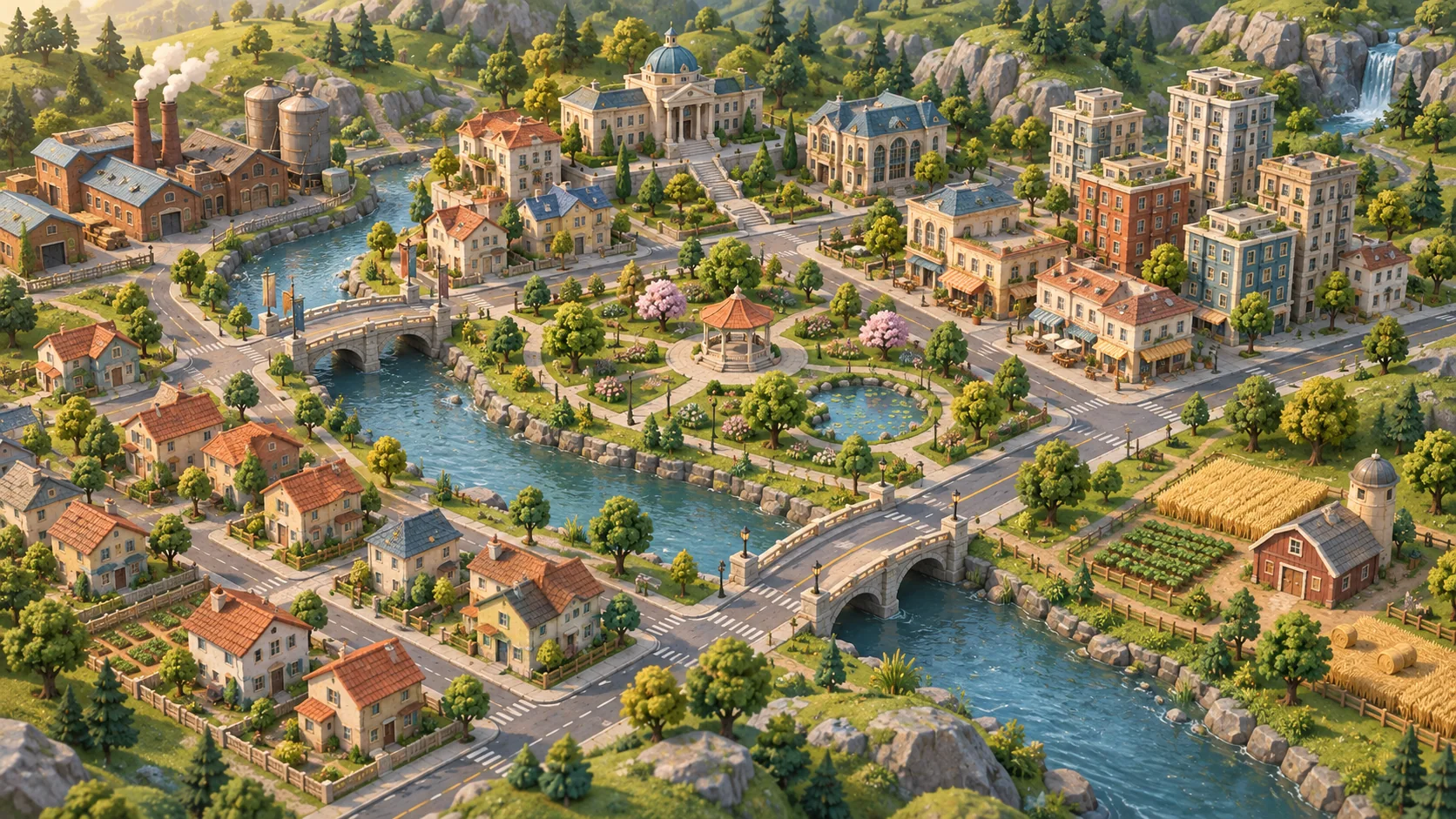
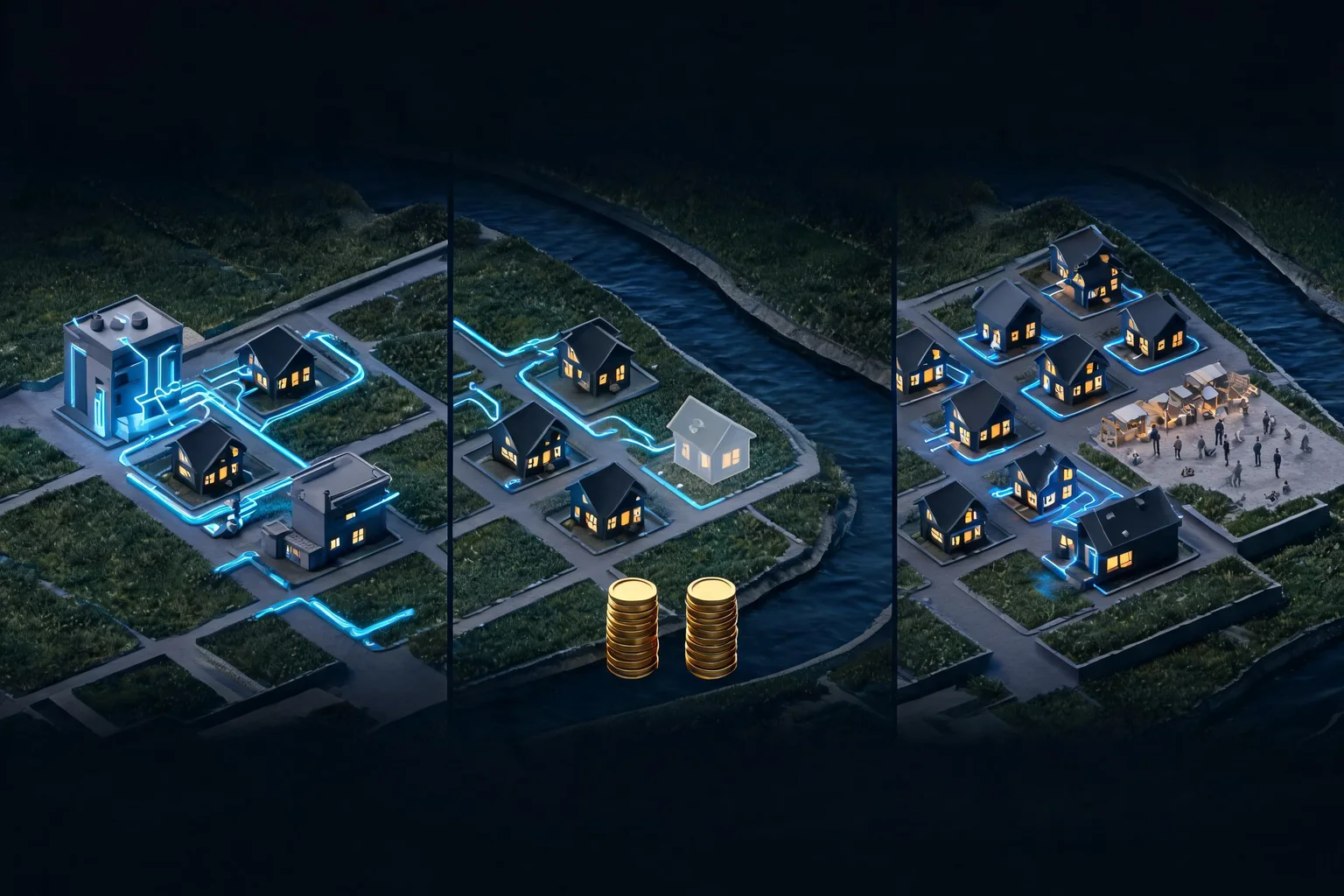
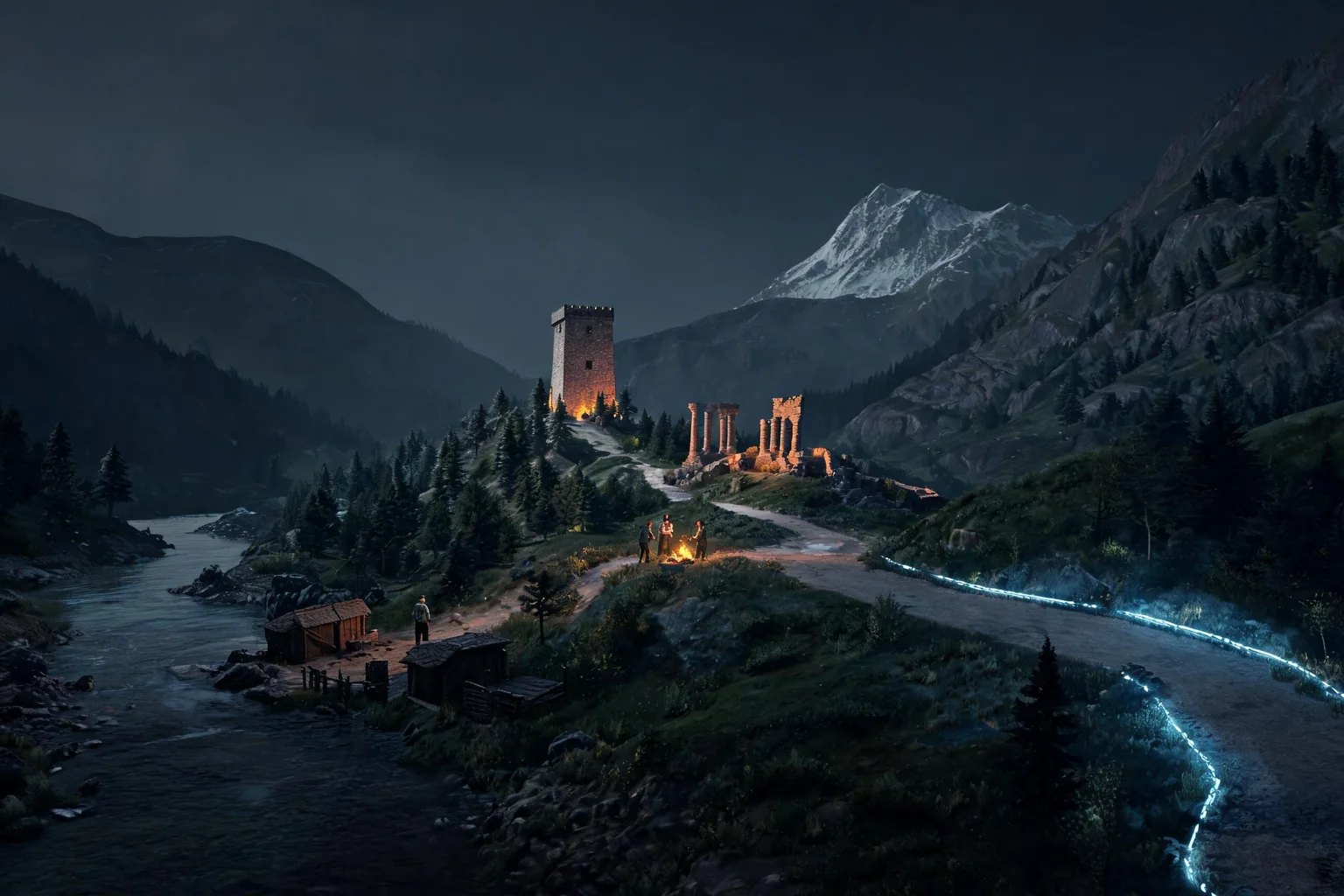
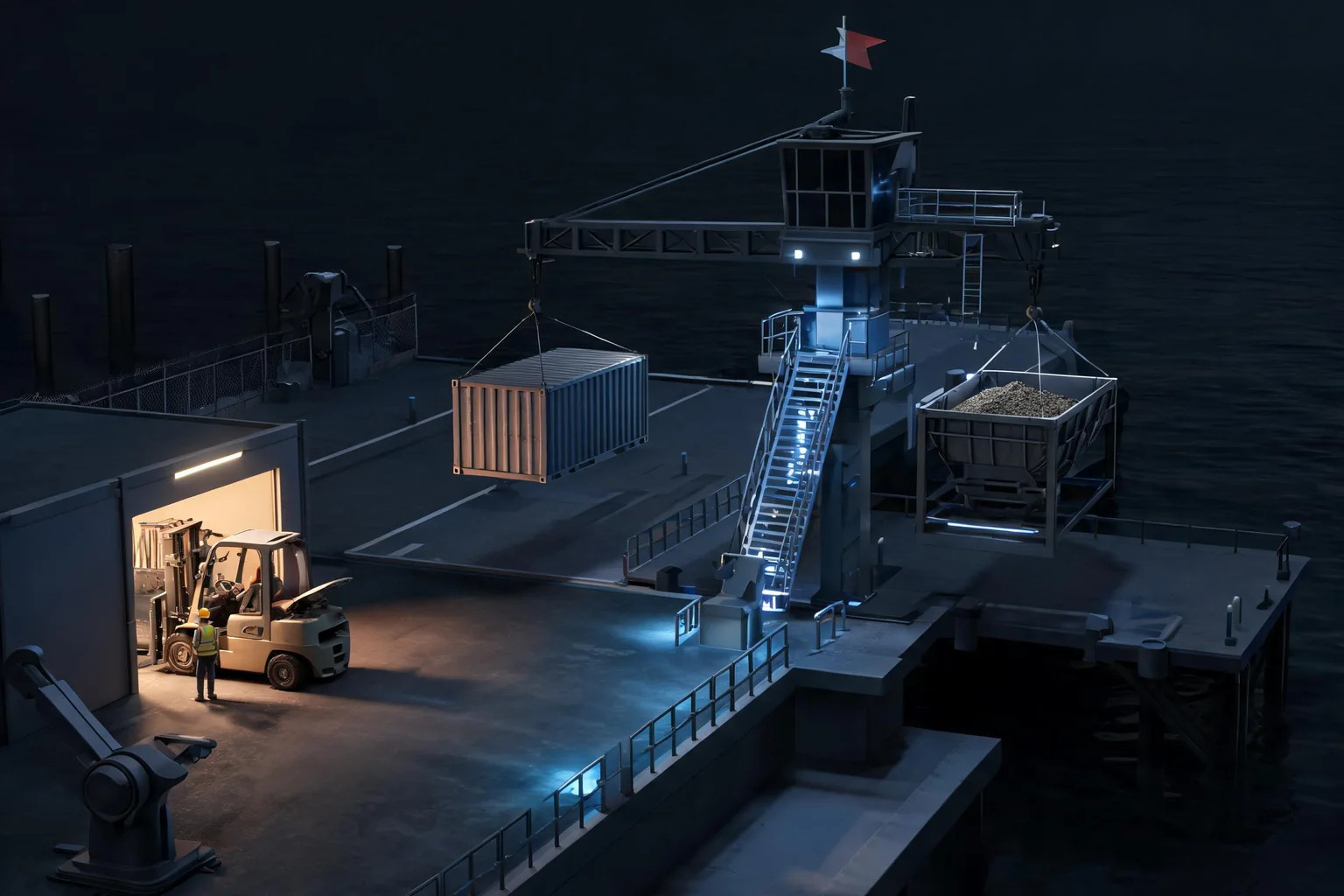
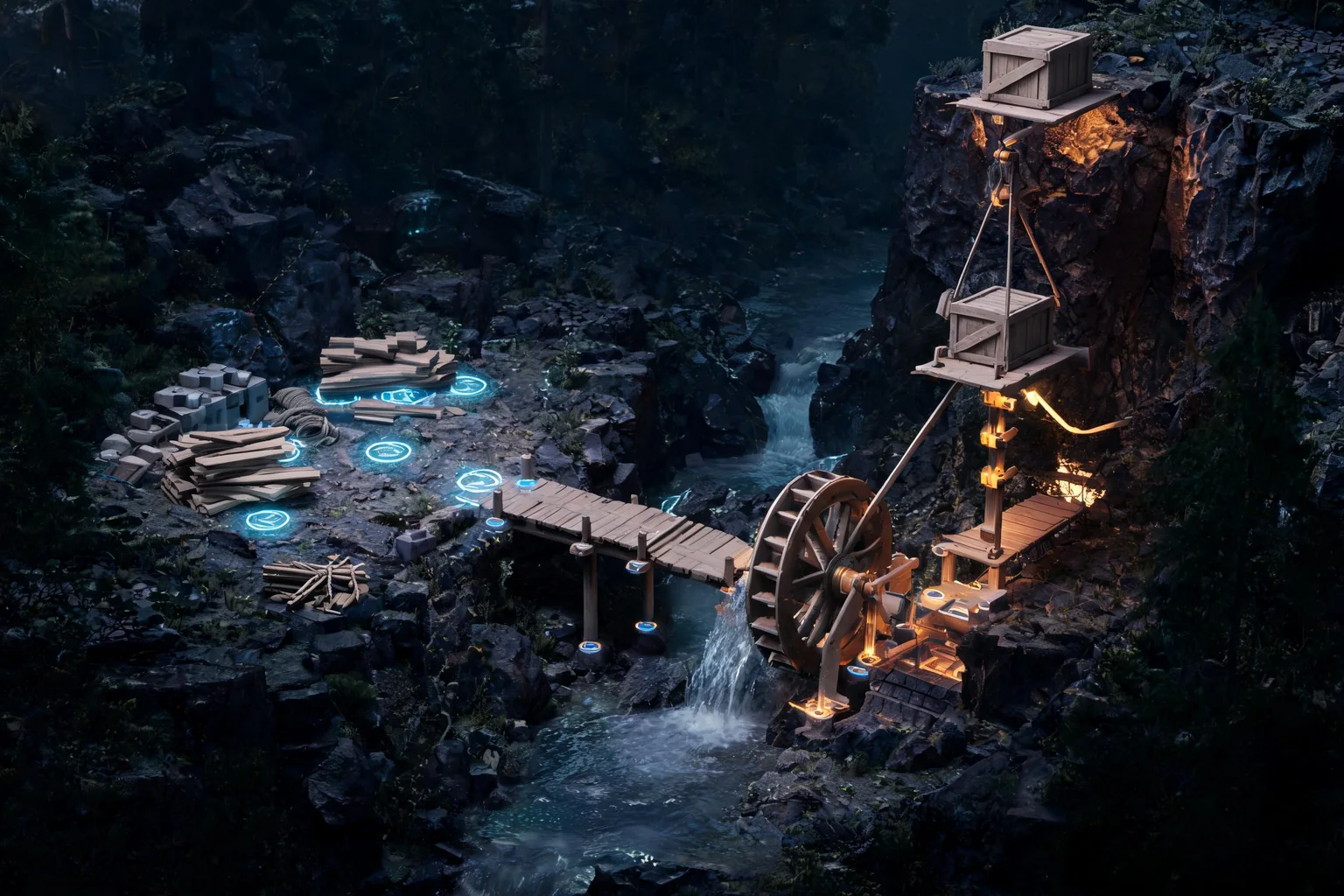
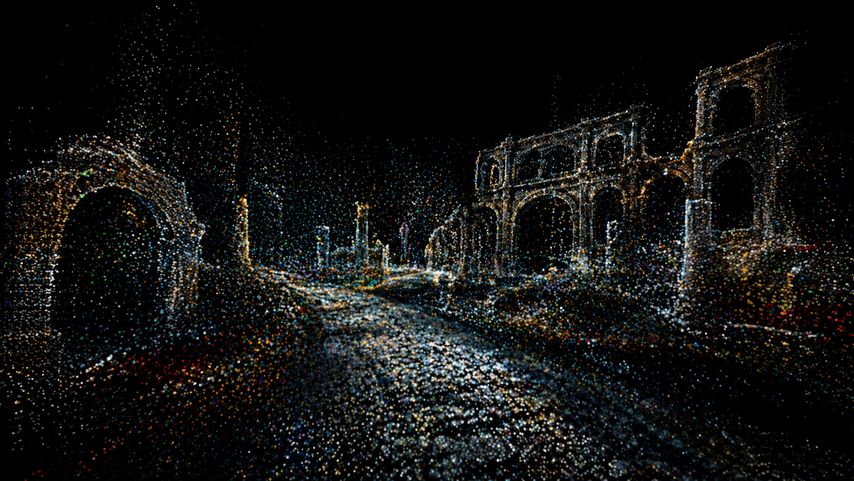
The images are AI concept illustrations, not screenshots or maps of Lagos.
Plan a small fictional waterfront district with a few streets and buildable lots. AI concept illustration, not gameplay.
Create an original low-poly neighborhood builder set in a fictional waterfront district. Keep the first map small: one connected street, a few home plots and one public destination. Define the road and placement rules, a limited build budget, the player’s goal and the feedback after each placement. Do not present the setting as a factual map of Lagos or copy locations, names or assets from Lagos Life. If you use real-world references, verify place names and visual details with reliable sources or local contributors. Make the prototype easy to reset and test path connection, invalid placement and completion.
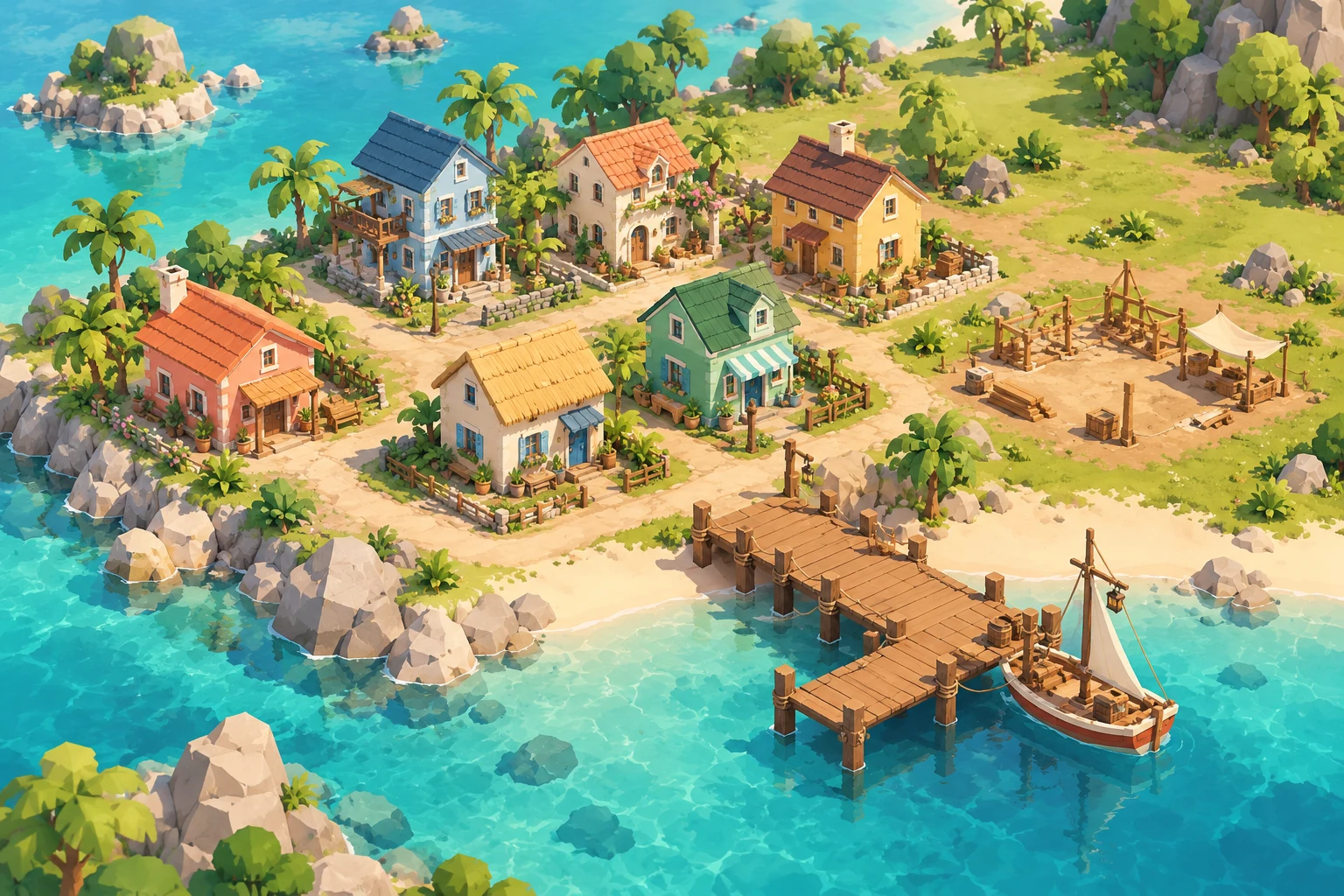 Waterfront Town Builder ↗
Why SEELE
Describe one block, a few destinations and one goal before adding city-wide systems.

Separate road placement from resident routines so each can be tested on its own.

Make movement, connectivity, placement costs and task completion visible.

Use fictional names, characters and businesses unless real references are verified and cleared.

Check cultural, place and infrastructure references with reliable sources or local contributors.

Try blocked routes, invalid placements, missed tasks, reset and completion states.
Who it’s for
Use these directions to plan an original game. No affiliation with Lagos Life is implied.
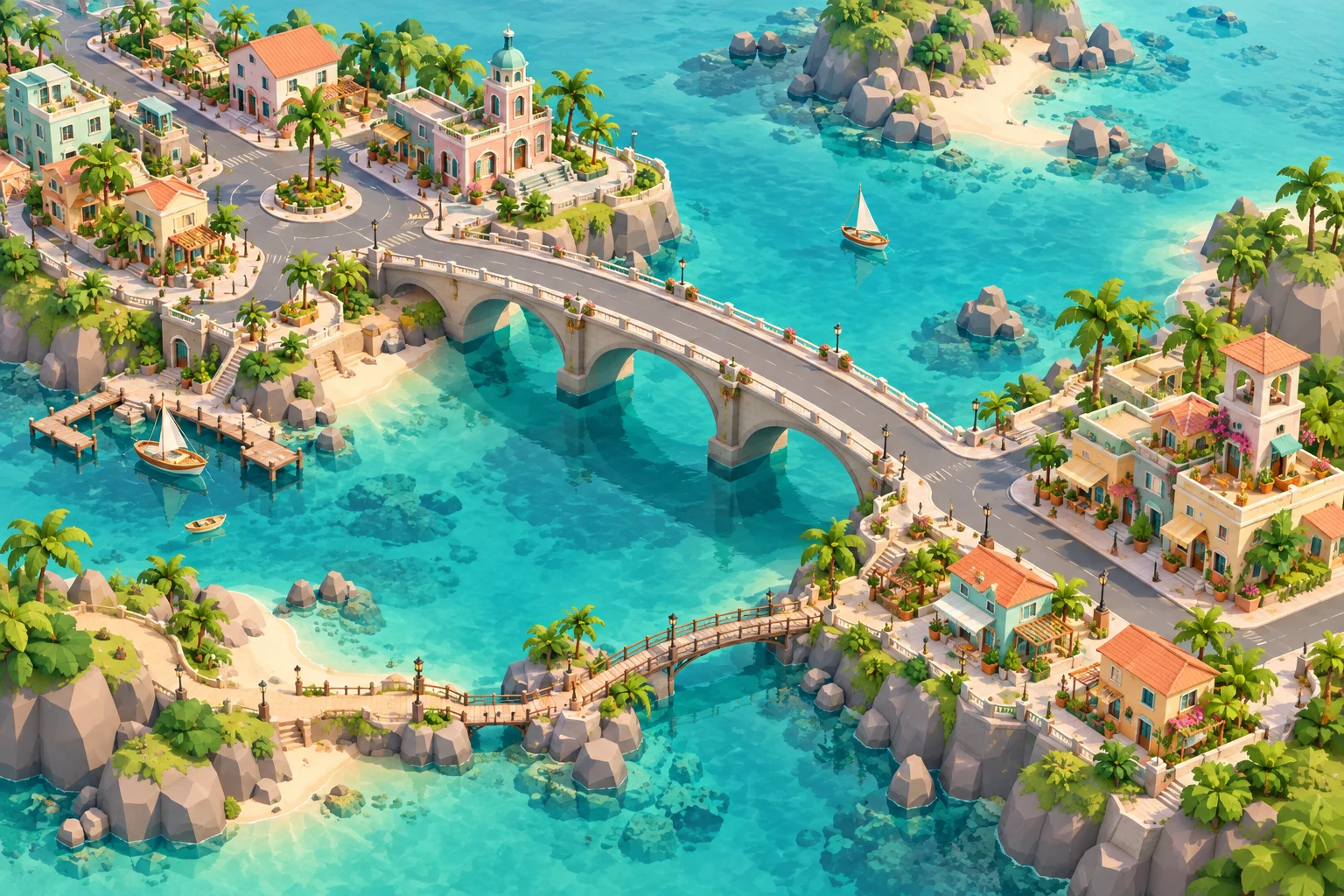
Plan a small road network, placement rule and goal before widening the map.
Explore city building ↗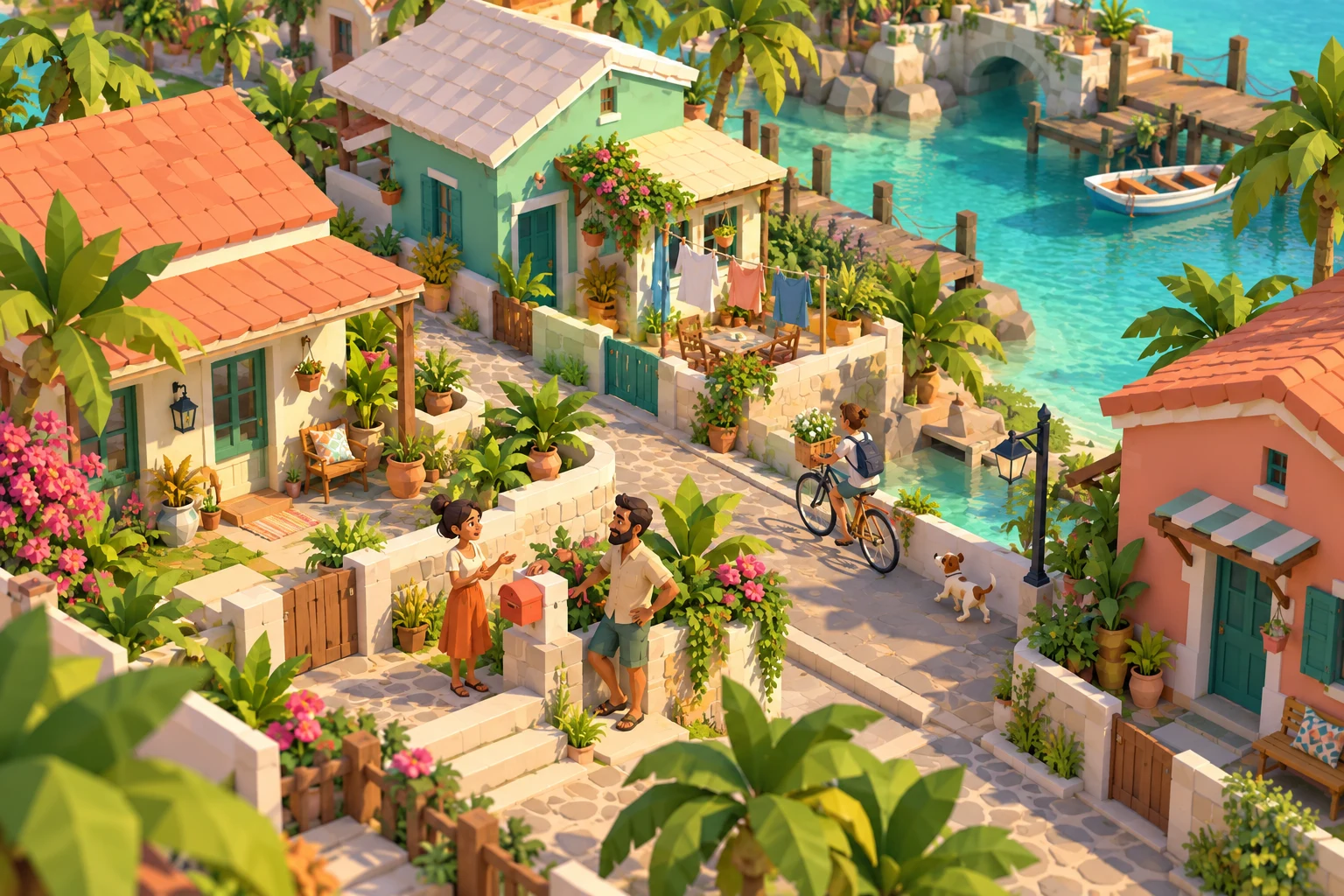
Shape one resident routine with clear movement, interactions and task feedback.
Explore simulation creation ↗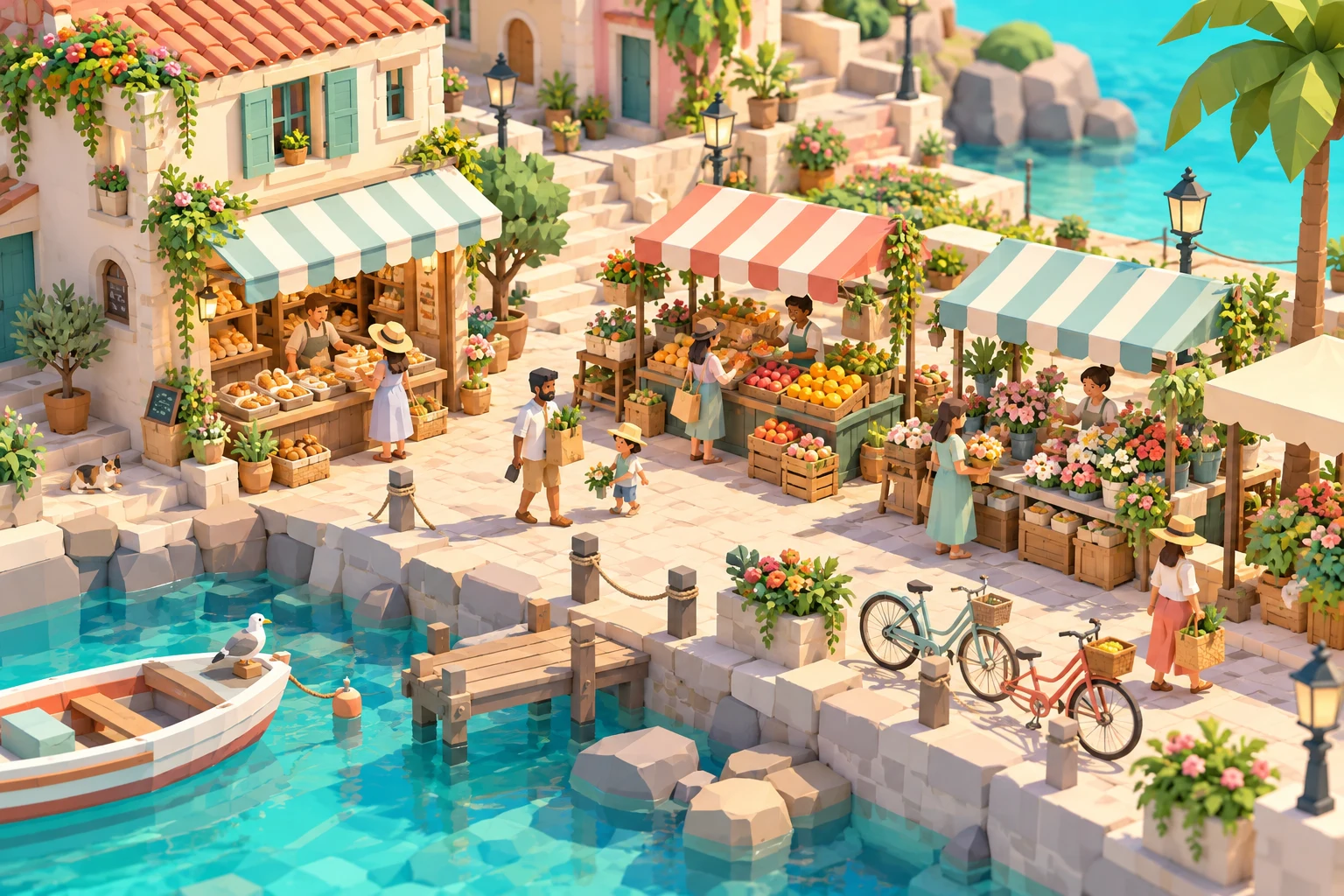
Use a short neighborhood prototype to discuss rules, routes and playtesting.
Explore city game creation ↗Compare
This page is for independent creation. Consult the original publisher for its game, access and terms.
| Feature | Create an original prototype | Explore an existing game |
|---|---|---|
| Goal | Describe an original neighborhood, city mechanic or resident routine. | Play an existing game using its own world and rules. |
| Setting | Use fictional names and verified real-world references. | Explore the setting and content supplied by that game’s creator. |
| Rules | Define placement, routes, interactions and success conditions. | Follow the controls and progression in the existing game. |
| Artwork | Create original characters, buildings and visual identity. | Do not reuse the existing game’s protected assets or branding. |
| Review | Test navigation, accessibility, logic and cultural references. | Check the official publisher’s site for current access and terms. |
Reviews
Videos reflect their creators’ own experiences; results and access depend on the current product flow.
Explore related city, simulation and world-building pages.
FAQ
No. This is an independent SEELE AI creation page for planning original city-building or life-simulation ideas. It is not affiliated with, endorsed by or the official destination for Lagos Life. Create original settings, names, characters and assets.
Yes. Use a fictional neighborhood and treat Lagos as a broad inspiration cue. If you include real locations, architecture, transit or cultural details, verify them with reliable sources or local contributors before publication.
Choose a small map, one placement action, a visible cost and a simple goal such as connecting a few destinations. Test valid placement, blocked routes and the completion state before adding more systems.
A life-sim prototype can focus on one resident, a short route and a few interactions. Define how each action changes progress, then test missed tasks and restart behavior.
Usually it is easier to review them separately. Start with either road placement or one resident routine, then combine them only after both loops have clear controls and goals.
Only after you verify the references and have the rights needed for any names, marks, images or other materials. Do not invent real-world facts or present a fictional map as an accurate city map.
Name the map scale, buildable area, routes, destinations, placement rules and a completion condition. If there is a bridge or blocked area, describe how movement and connectivity should work.
Use an original fictional setting unless real businesses have been verified and cleared. Define the player’s task, route, order of stops and visible completion feedback.
You can request these as design references, but verify details before presenting them as authentic. Use original artwork and avoid reducing a real community to a few visual tropes.
Check movement, road connectivity, invalid placement, cost changes, task completion, reset behavior and whether players understand the objective.
Request readable labels, keyboard controls where relevant, clear navigation cues and feedback that does not rely only on color. Test at different viewport sizes and with keyboard input.
No. The images on this page are AI-generated concept illustrations for visual direction; they are not gameplay screenshots or evidence of a completed generated project.
Treat it as a first pass. Review logic, performance, accessibility, asset rights and any real-world cultural or location references before release.
The page uses the current SEELE AI creation flow. Sign-in, available credits, generation options and export choices depend on the account and workspace shown at submission time.
Describe a fictional setting, one player action and one goal. Test that loop before expanding the city.
Start my city game →