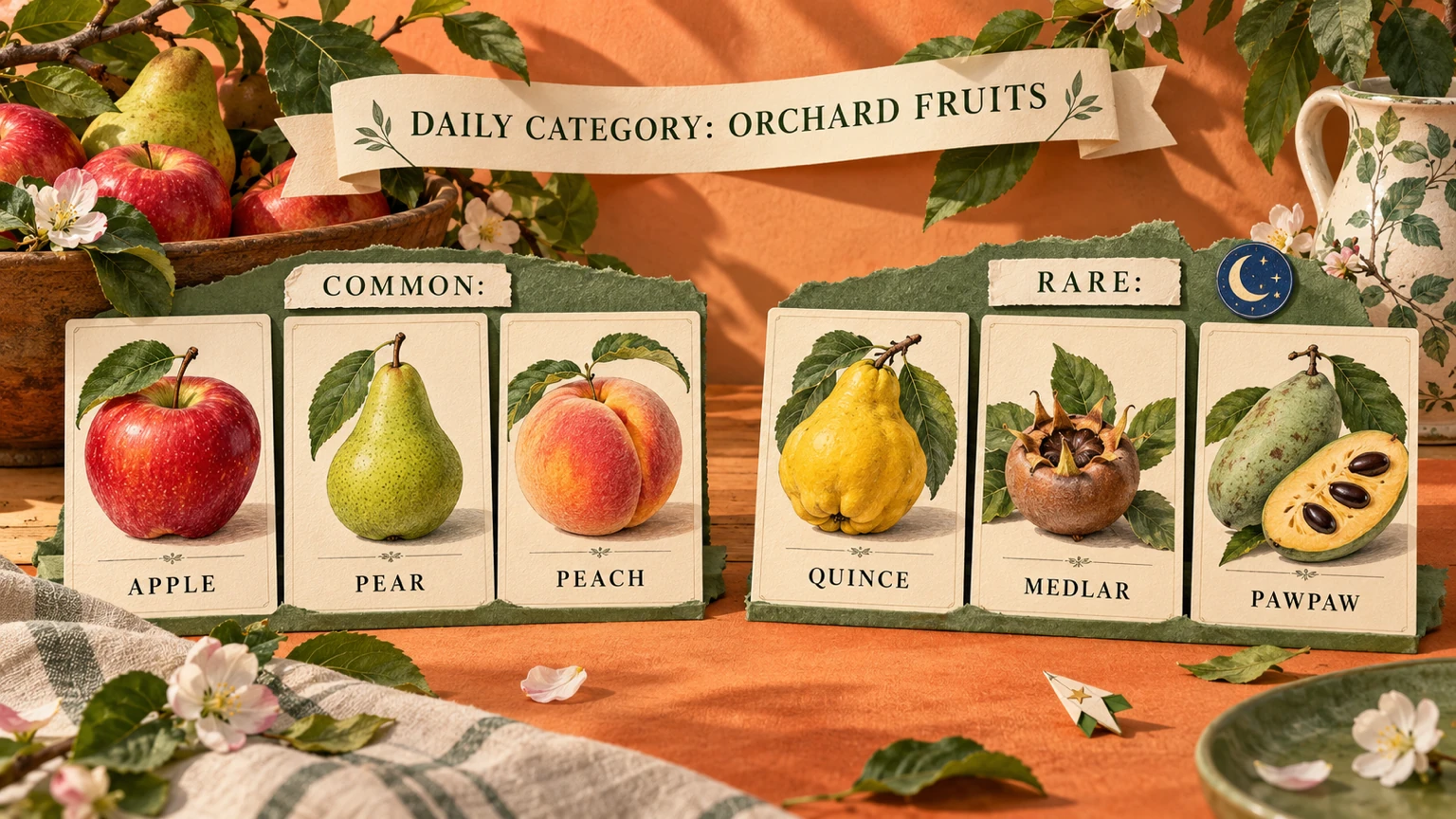
Choose the answer set
Name the source, date, units and boundaries before you write the first question.

Outline one original daily estimation round with a documented answer source, clear units and scoring. This is an independent creation page, not the official Plain game.
How it works
Start with one sourced target and one scoring rule; add a second category only after the round works.

Pick one kind of estimate—height, runtime, population or mass—and keep the first round focused.
Record the data source, date, unit and definition beside each answer.
Describe accepted answers, aliases, rounding, ties and the feedback after each guess.
Choose a timezone, reset point and whether practice rounds affect the daily result.
Submit a prompt through the available account flow, then check valid, invalid, repeated and boundary guesses before sharing.
Pick a starting point
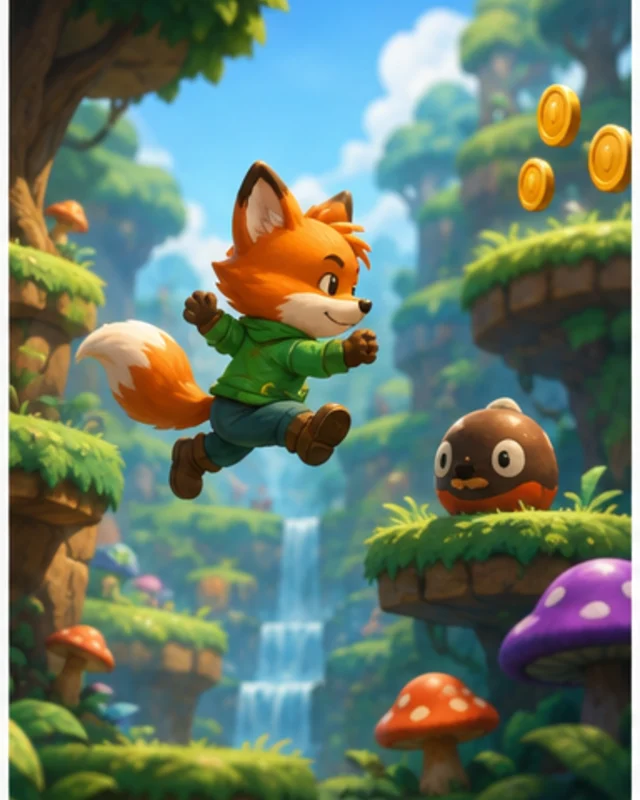
These AI concept illustrations are visual directions, not generated gameplay or source data.
Estimate a summit from a dated elevation source and a stated unit. AI concept illustration, not gameplay.
Build an original daily mountain-elevation guessing game with its own name and visual identity. Use a small, licensed or public reference list with source, year and elevation unit stored beside each answer. Ask players to name a mountain or enter an estimate; normalize spelling and units, reject unknown entries without counting a guess, then reveal the sourced elevation and absolute difference. Define how ties work, keep the daily target stable for the chosen timezone, and provide a replayable practice round. Use keyboard-accessible input, visible validation and a concise results screen. Do not copy Plain’s name, logo, art or answer set; this is an independent prototype. Test valid, duplicate, unknown and boundary inputs.
 Mountain Height ↗
Why SEELE
Name the source, date, units and boundaries before you write the first question.

Specify absolute or percentage error, rounding, ties and when the answer is revealed.

Define aliases, invalid entries, repeats and number formats as separate cases.

Choose a timezone and define how the daily target differs from practice rounds.

Request keyboard operation, clear labels and feedback that is not color-only.

Keep a source beside each target and replace records that cannot be verified.
Who it’s for
Use the prompts to plan an original game. The reference brand is not affiliated with this page.
Turn a number question into a repeatable round with explicit data and scoring rules.
Explore puzzle creation ↗
Build a small estimation exercise around a source and reference year you can discuss.
Explore puzzle prototypes ↗
Prototype a daily challenge, then test accepted answers, resets and score feedback.
Explore game creation ↗Compare
The reference game’s current rules belong to its official publisher. This page is for planning an independent prototype.
| Feature | Create an original prototype | Explore the reference game |
|---|---|---|
| Goal | Design an original question, answer set and visual identity. | Use the reference game under its own published rules. |
| Data | Choose a source, year, unit and boundary for each target. | Check the official source for its current content and terms. |
| Scoring | Set your own estimate-distance and tie rules. | Follow the reference game’s own scoring behavior. |
| Artwork | Create original names, copy and visuals. | Use the game only as a genre reference; do not reuse its assets. |
| Review | Test invalid guesses, aliases, dates and result feedback. | Use the original game’s official experience for its daily challenge. |
Reviews
Videos reflect their creators’ own experiences; results and access depend on the current product flow.
Open a related page or guide to explore game design and prototyping.
FAQ
This page helps you describe an original estimation-game prototype with a target, answer set and scoring rule. It is an independent creation page, not the official Plain game and not affiliated with its publisher.
No. Use Plain only as a broad genre reference. Give your prototype an original name, artwork, copy and rules; do not copy its logo, interface or proprietary answer set.
Pick a source you can use, record its date and define what each number measures. For population, distinguish city boundaries; for runtimes, identify the edition; for animal mass, state how the reference value was chosen.
Choose an explicit rule such as absolute difference or percentage error, then define rounding, ties and when the answer is revealed. Show enough information for a player to understand the score.
They can if your brief requests conversion. State the accepted units, conversion precision and how the game displays the normalized value; test each unit before sharing the prototype.
Specify whether to reject it, offer a suggestion or treat it as a new answer. Make the behavior visible and do not count an invalid entry unless that is an intentional rule.
Choose the timezone and the moment a new challenge begins. Test around midnight and daylight-saving changes where relevant; do not assume a reset works until you verify it.
Yes. Describe whether practice uses a separate question pool and confirm that it does not overwrite the daily result unless that is part of your design.
Use sources you are allowed to reproduce, keep a citation and date beside each value, and review the definition. Do not present an unsourced sample number as a current fact.
Ask for a labeled input, keyboard operation, readable validation and feedback that does not rely only on color. Then test the actual generated flow with keyboard and screen-size changes.
Try correct, close, far, repeated, malformed and out-of-range guesses. Check the reveal, score, reset and results for each case.
This page does not grant rights to Plain’s name, logo, interface or data. Use assets and data you own or are licensed to use, and create an independent visual identity.
Treat the first result as a draft. Verify the rules, sources, accessibility, rights and behavior in the target environment before sharing or releasing it.
The page uses the current SEELE AI creation flow. Sign-in, available credits, generation options and export choices depend on the account and workspace shown at submission time.
Describe the target, source and scoring rule, then test the first round before adding more categories.
Start my estimation game →